
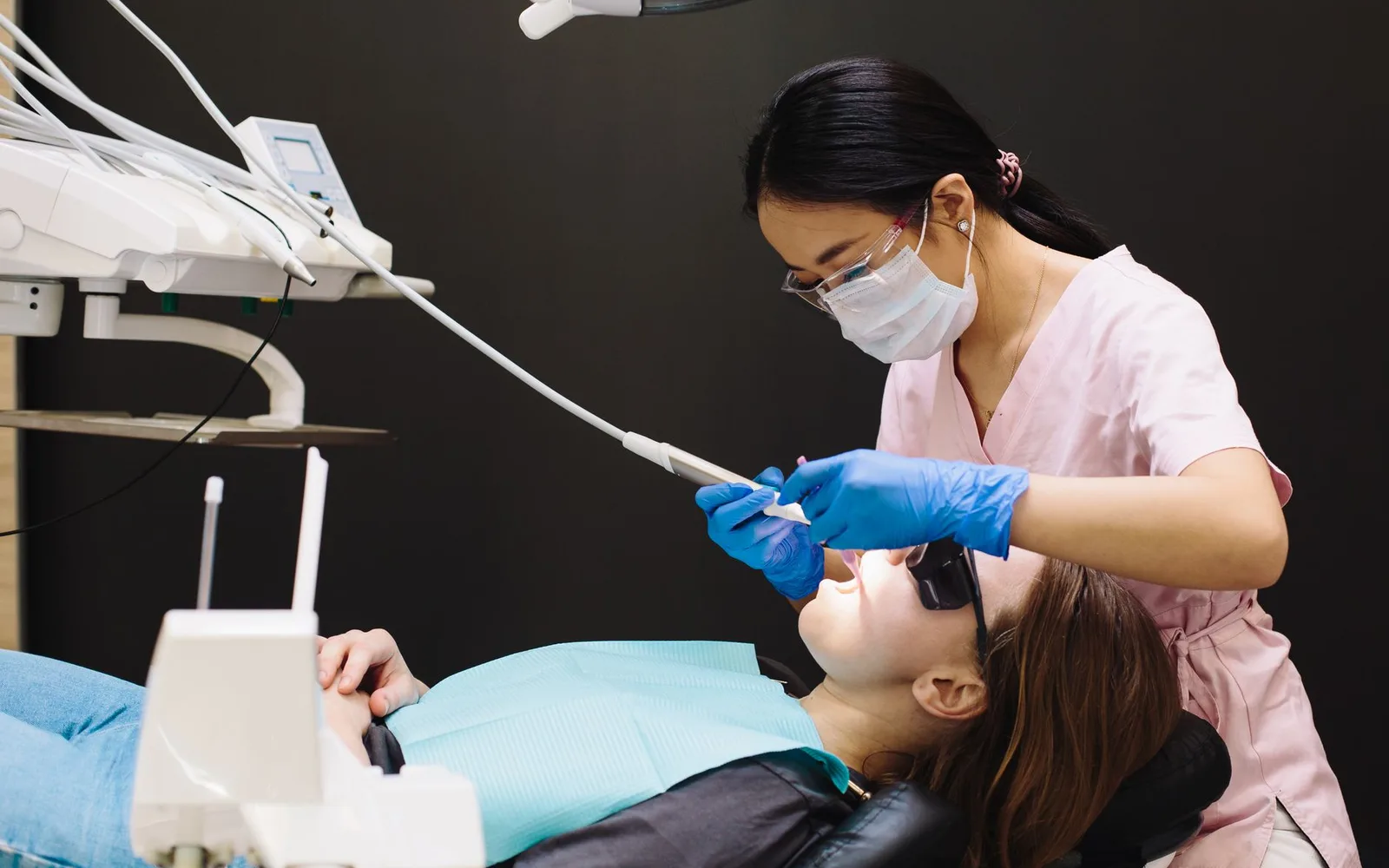
Preventive treatment in Al Kawthar Jeddah
Al Kawthar is a young district east of King Abdulaziz International Airport with Al Hamdaniyah to the north and Al Rayyan to the south, reached by Prince Khalid bin Abdullah Road. Building has been rapid and streets laid out on a wide grid, but a major stormwater drainage project has left scars: some streets bear damage from the works and the sewerage network remains incomplete. Vacant plots, open excavations and incomplete infrastructure expose new homes to insect pressure from unexpected sources during and after active development.
-
Targeted, not broadcast
Product goes into cracks and runways, never sprayed across open surfaces.
-
Told before we start
What we will use, where it goes, and what to cover or move before we arrive.
-
A follow-up visit
We return after the first treatment, because what survives it does not show on the day.
-
Homes and businesses
Apartments and villas, and kitchens and stores that need a record of each visit.
Why they keep coming back in Al Kawthar
Open excavations for drainage works provide direct pathways for rodents and insects from older surrounding areas into newly built homes. The method is set out in full on our Preventive treatment service.
Major drainage works created open animal corridors
A large stormwater drainage project excavated streets to locate old sewers and install new ones. These open excavations provide direct paths for rodents and insects from surrounding areas into new homes. Even after the project ends, new pipe connections may be incompletely sealed or poorly jointed.
Sewerage network lags behind rapid building
Sewerage infrastructure cannot keep pace with the speed of new housing construction. Some buildings drain to temporary non-permanent systems. Insects and rodents are attracted to standing water and exposed pipes in incomplete drainage areas.
Vacant plots are very close to newly occupied homes
New homes in Al Kawthar are surrounded by vacant land, excavations and buildings under construction. Insects and rodents from empty plots attack the first occupied homes with particular intensity because they are the only nearby shelter and food source.
Al Kawthar on the map
Al Kawthar sits about 4.5 km from Umm Hablain and about 5.5 km from Al Rayyan.
Open in Google MapsWhat a preventive visit reads
A recently developed district east of the airport with rapid construction and wide planned streets, but major drainage works have affected both old and new sewer networks and some streets bear damage from the project.
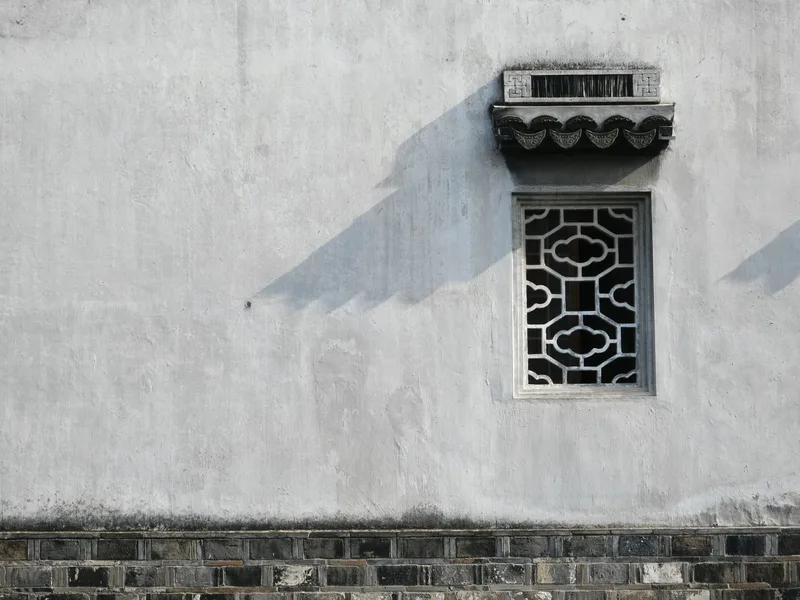
The base of the outside wall
The base of a new villa's exterior wall may be exposed for long periods before the surrounding street and nearby drainage work is finished; the external band is applied once the foundation and street are stable.
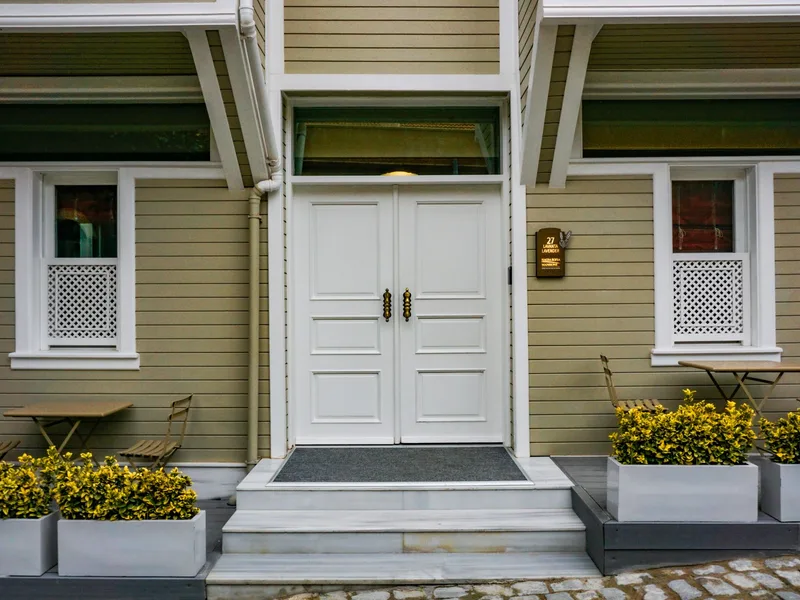
Gaps and openings
Uninstalled or partially fitted windows and gaps in homes under completion provide direct entry points; preventive treatment focuses on these before final installation work is done.
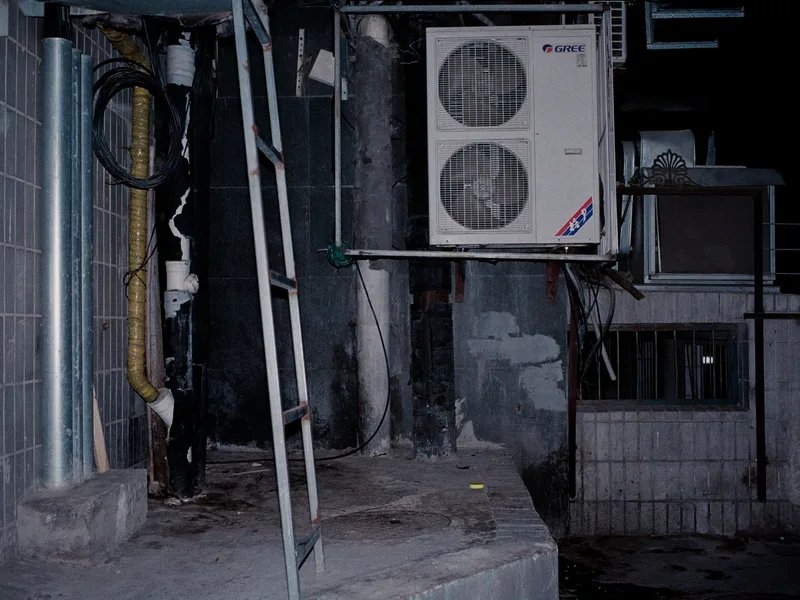
Air conditioning condensate
Air conditioning drains in new houses may empty into undefined areas due to incomplete infrastructure; monitoring points are relocated as final drainage connections are completed.
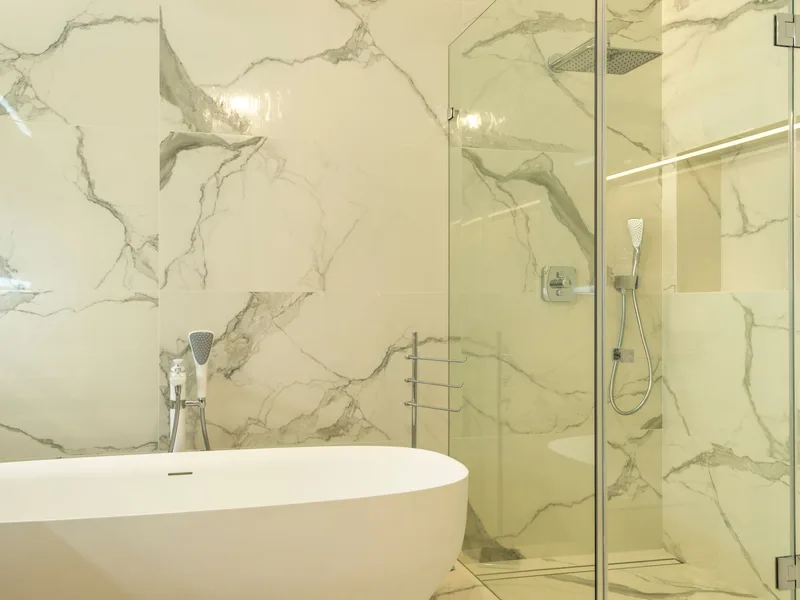
Floor drains
Floor drains in new homes may be exposed or incompletely finished, and open excavations around them provide direct rodent pathways that expose the building severely.
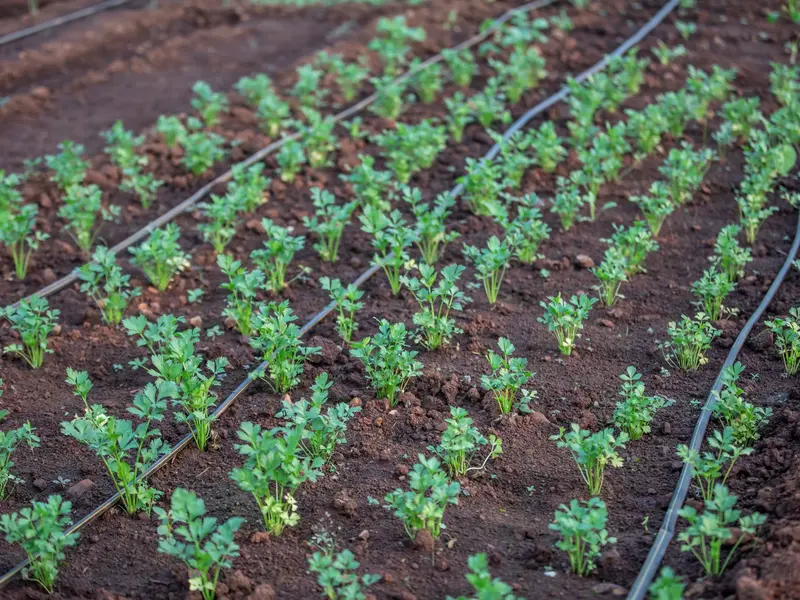
Irrigation against the wall
Irrigation against the wall does not exist in new homes yet, but temporary leaks from excavations and standing water may create localised dampness that draws insects.
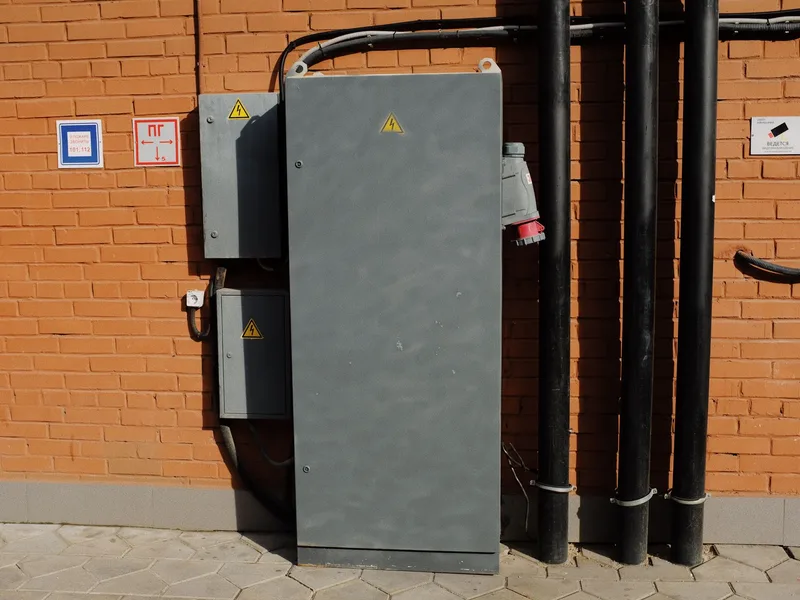
The monitoring points
Monitoring points in Al Kawthar are placed provisionally and may be relocated as infrastructure and surrounding roads are completed around each property.
How we work
-
1
The baseline survey
We walk the outside boundary and then the inside: gaps under doors, pipe runs, vents, condensate lines, drains, the bin area and the store, and we fix the monitoring points before anything is applied.
-
2
Close the routes
Mesh on the vents, the gap under the door dealt with, the sleeve around a pipe run closed, and water put back into the drain nobody uses. Exclusion saves a spray that would otherwise repeat forever.
-
3
The band and the placed product
A residual band at the base of the wall outside and around door and window openings, with placed product inside joints and closed voids where it is warranted, and no open spray across living surfaces.
-
4
The scheduled visit: read, renew, record
We read the points to see which side is under pressure, renew the band where sun or irrigation has taken it, aim the visit at what the coming season opens up, and write down what was found and what was used.
What the preventive programme includes
-

A survey, then a check every visit
Entry points, moisture sources and storage, recorded before anything is applied and revisited each time.
-

Monitoring points that get read
At the wall and floor junction, under sinks and in the store, checked on every visit rather than only the last one.
-

A renewed exterior band
At the wall base and around the openings, put back wherever sun or irrigation took it between visits.
-

Drains, water lines and waste
The water seal in the drains, the condensate line and the ground around the bins, which are the standing water and food sources.
-

Between the visits
What to keep dry, what to keep closed, and what is worth a call before the next date. Ventilation we tell you before the visit.
-

A scheduled visit and a record of each
An agreed date, what the points held, what was treated, and what changed since last time.
Landmarks of Al Kawthar
Work in Al Kawthar is organised by its recent development between Prince Khalid bin Abdullah Road, the main thoroughfare, and Al Masurah Street with the mosques and shops marking the district's growing commercial core. Visits prioritise the first occupied villas and apartment buildings and the surrounding areas still under construction, because these gaps between new buildings are where insect pressure is highest.
- Prince Khalid bin Abdullah Road
- Al Masurah Street
- Al Mubashirin Mosque
- Uqbah ibn Nafi Mosque
- Lulu Hypermarket
Questions about this district
Did the major drainage project increase insect problems in Al Kawthar?
Yes significantly. Open excavations, exposed pipes and modifications to old drainage created new breeding sites. Pressure on the first occupied homes was severe during works and before the new network was complete.
How often does a new home need preventive treatment until infrastructure is finished?
At least every three weeks as long as works continue around it. Once drainage and roads and the full infrastructure are completed, pressure declines gradually to normal neighbourhood levels.
Are new pipes completely sealed at the joints or do they need special inspection?
New pipes may leave small gaps in connections. Regular inspection and maintenance are necessary, particularly during the first year of operation after installation.
Does a house awaiting its final landscaping still need preventive treatment?
Yes. Even if landscaping is not yet finished, insects from surrounding areas are attracted to water and gaps. Preventive treatment should begin before landscaping is completed so the property is protected from the start.
Are vacant plots around Al Kawthar a permanent source of insect pressure?
Yes. Vacant land concentrates rodents and provides cover. As vacant plots decline and building is completed, pressure on existing homes gradually falls.
Will the drainage project's impact on the preventive programme fade with time?
Yes. As streets are finished, sewerage completed, roads paved and other infrastructure finalised, disruptions end and pressure declines gradually towards levels normal for a mature neighbourhood.
How much does preventive treatment in Al Kawthar cost?
It is set after the inspection, because the price follows the type of infestation, the size of the space, how far it has spread and the number of visits it needs. Send a photo and a description on WhatsApp and we will give you an estimate before we reach Al Kawthar.
Nearby districts we cover
Other services in Al Kawthar
Other services we provide to residents of Al Kawthar.
-
 Residential
Cockroach control
Residential
Cockroach control
-
 Residential
Bed bug control
Residential
Bed bug control
-
 Residential
Termite control
Residential
Termite control
-
 Residential
Rodents and mice
Residential
Rodents and mice
-
 Residential
Mosquito control
Residential
Mosquito control
-
 Residential
Fly control
Residential
Fly control
-
 Residential
Ant control
Residential
Ant control
-
 Residential
Gecko control
Residential
Gecko control
-
 Residential
Scorpion control
Residential
Scorpion control
-
 Residential
Snake control
Residential
Snake control
-
 Residential
Flea control
Residential
Flea control
-
 Residential
Bird and pigeon control
Residential
Bird and pigeon control
-
 Residential
Disinfection
Residential
Disinfection
-
 Commercial
Annual contracts
Commercial
Annual contracts
-
 Commercial
Restaurants and cafes
Commercial
Restaurants and cafes
-
 Commercial
Hotels and apartments
Commercial
Hotels and apartments
-
 Commercial
Warehouses and factories
Commercial
Warehouses and factories
-
 Commercial
Schools and nurseries
Commercial
Schools and nurseries
-
 Commercial
Retail and malls
Commercial
Retail and malls
-
 Commercial
Rest houses and farms
Commercial
Rest houses and farms
-
 Commercial
Fumigation
Commercial
Fumigation
-
 Water tanks
Water tank cleaning
Water tanks
Water tank cleaning
-
 Water tanks
Water tank sterilization
Water tanks
Water tank sterilization
-
 Water tanks
Water tank sealing
Water tanks
Water tank sealing
-
 Water tanks
Tank leak repair
Water tanks
Tank leak repair
Need preventive treatment in Al Kawthar? Tell us what you saw and we will tell you what it needs
We reach Al Kawthar at a time we agree, and you get the full cost before we start.