
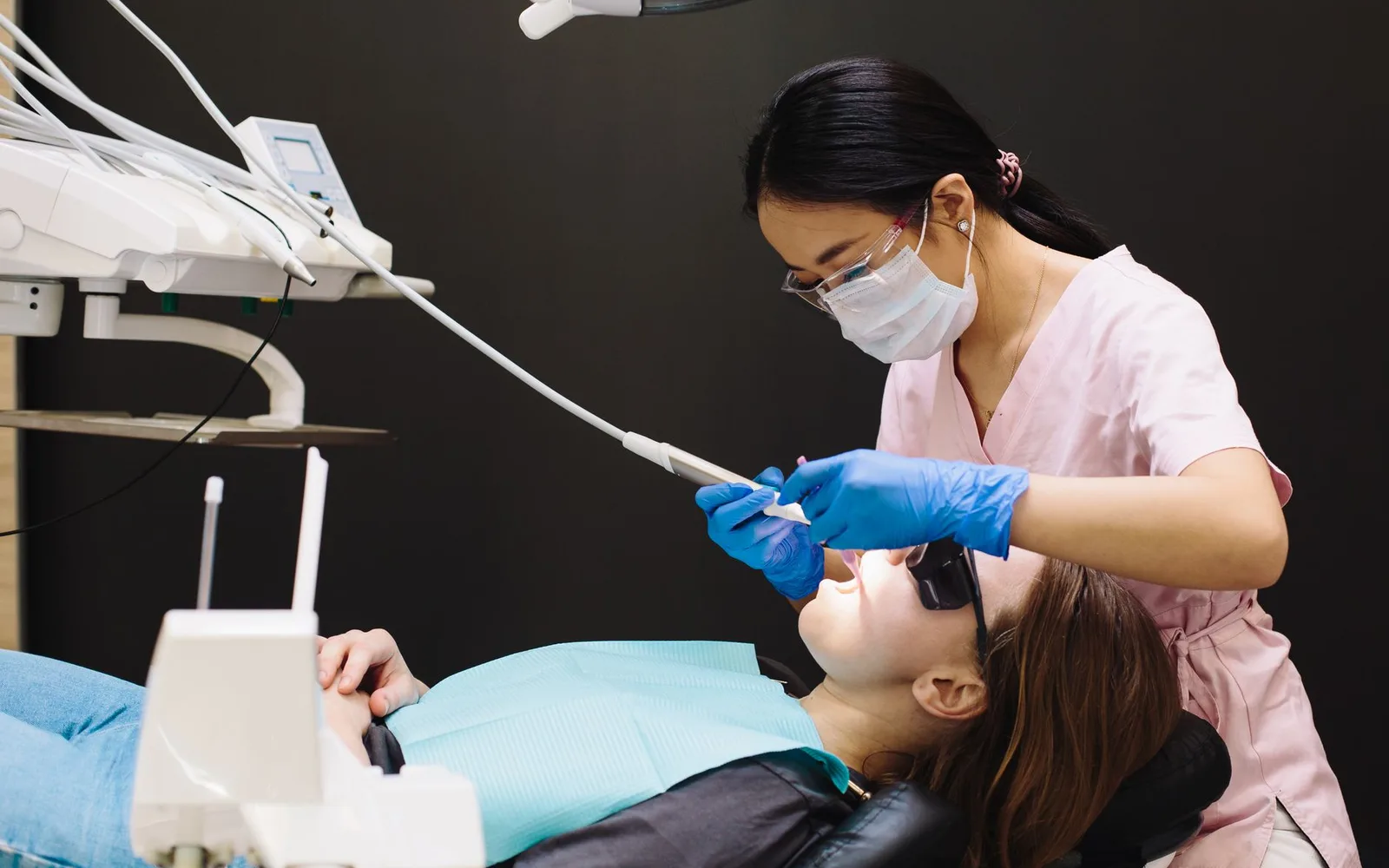
Preventive treatment in Al Nahdah Jeddah
Al Nahdah is a mixed district in northern Jeddah along Hira Street between King Abdulaziz Road and Prince Sultan Road, holding villas and modest flats set among dense shops, restaurants and cafes on the main streets. Nearness to the sea raises humidity all year, and irrigated green spaces around villas and public parks supply water constantly. Commercial density and restaurant food supply insects, whilst sea humidity provides the climate they favour.
-
Targeted, not broadcast
Product goes into cracks and runways, never sprayed across open surfaces.
-
Told before we start
What we will use, where it goes, and what to cover or move before we arrive.
-
A follow-up visit
We return after the first treatment, because what survives it does not show on the day.
-
Homes and businesses
Apartments and villas, and kitchens and stores that need a record of each visit.
Why they keep coming back in Al Nahdah
Sea humidity and salt winds keep timber and render damp for most of the year, and restaurants and cafes on the main arteries supply constant food sources for insects. The method is set out in full on what Preventive treatment involves.
Commercial density and street level eateries
Main spines such as Hira Street are crowded with restaurants, cafes and markets supplying insects and flies with constant food. Homes and villas nearby become the natural refuge insects seek when they look for shelter.
Sea humidity and irrigated green spaces
The sea is close and humidity stays high all year. Gardens and green spaces around villas are watered regularly. This water and planting attracts mosquitoes, insects and cockroaches.
Chalets closed and rest houses along the creek
Chalets and rest houses scattered along Obhur Creek stand empty for long spells, becoming ideal shelters for insects and rodents. When opened again, infestation often has already taken hold.
Landmarks of Al Nahdah
Hira Street and Al Nahdah Park mark the centre of the district. Preventive visits approach via King Abdulaziz Road or Prince Sultan Road, then follow Hira Street through its shops and eateries to the homes, villas and outer wall bases.
- Hira Street
- King Abdulaziz Road
- Prince Sultan Road
- Hira Plaza
- Al Nahdah Park
- Umar ibn Al Khattab Mosque
What a preventive visit reads
The district is densely populated with commercial activity, villas and flats interspersed with markets, cafes and eateries. Nearness to the sea keeps humidity high, and green spaces and seasonal chalets along the creek provide damp settings.
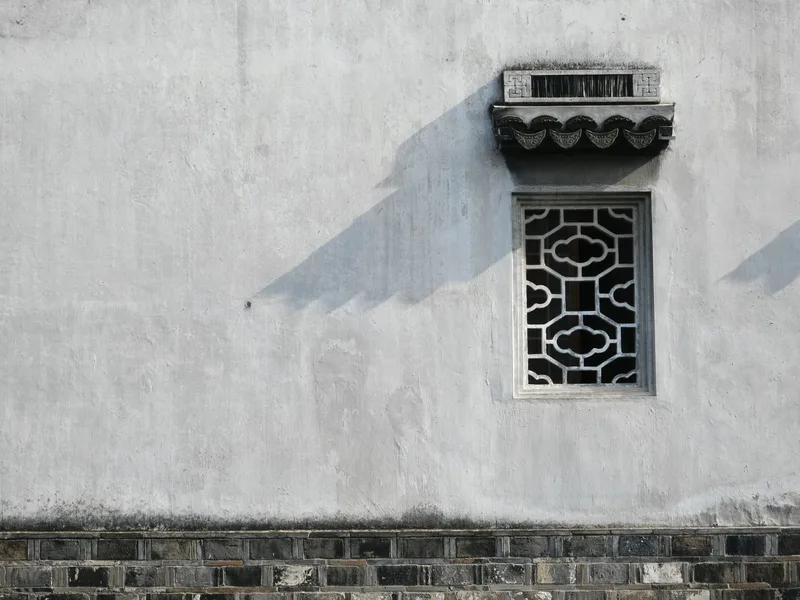
The base of the outside wall
The base of the outside wall at Al Nahdah in a quarter near the sea with high humidity must carry a thick, strong, tall residual band because humidity and salt help insects climb.
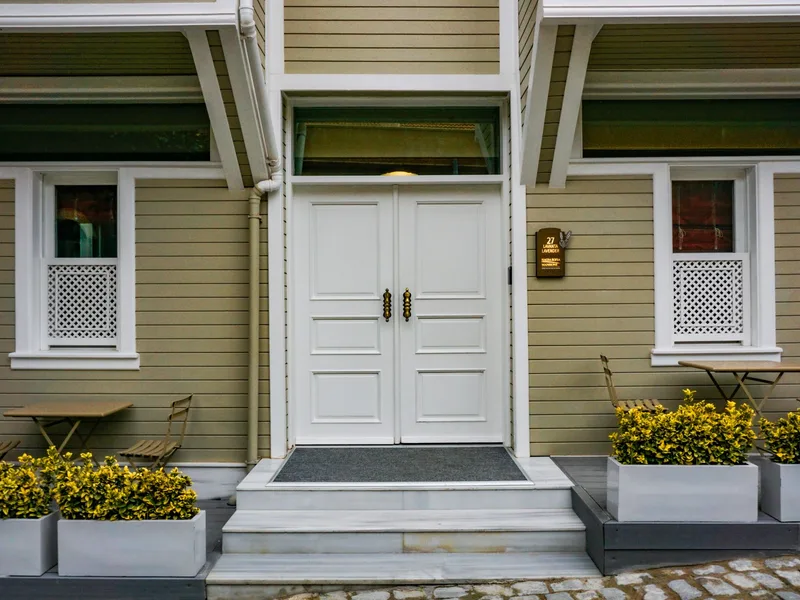
Gaps and openings
Gaps and openings around foundations in a quarter full of restaurants and cafes need close monitoring because insects originate from these food sources.
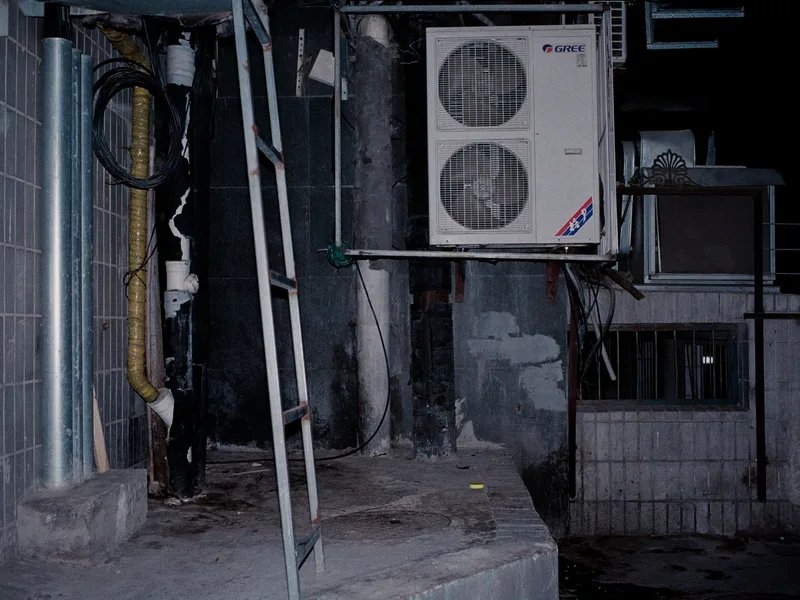
Air conditioning condensate
Air conditioning and refrigerator drains run onto foundations damp from the sea's nearness; water seeps around the base all year round.
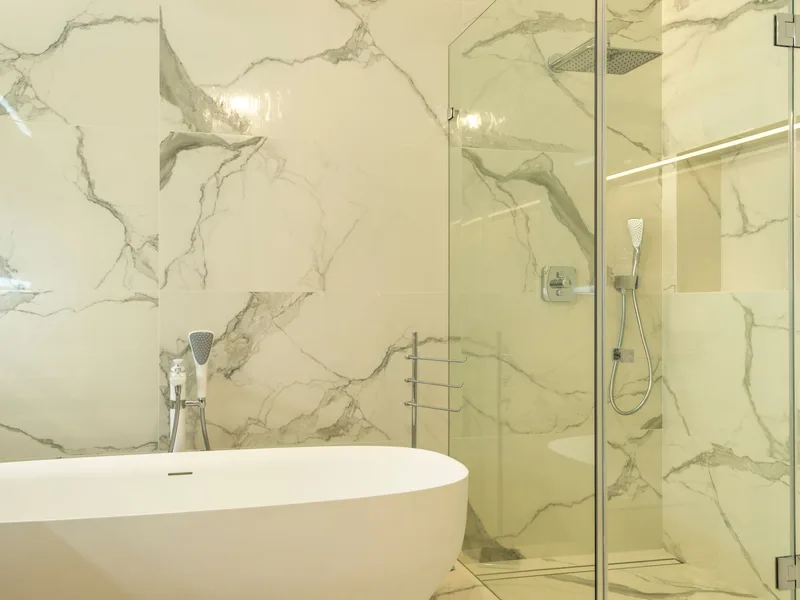
Floor drains
Floor drains in a damp coastal quarter may be damaged by salt and moisture, and water pools around the home.
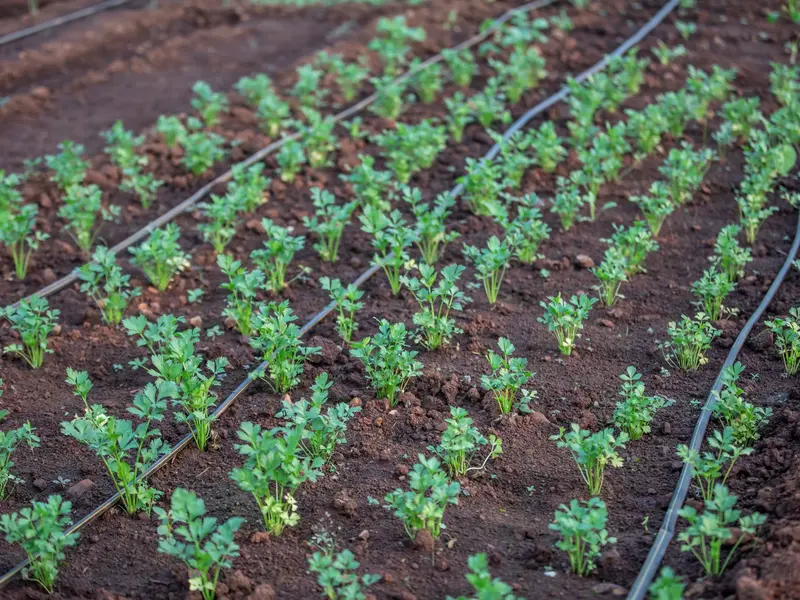
Irrigation against the wall
Continuous watering of gardens and planting supplies standing water for mosquitoes and insects all year, particularly with high sea humidity.
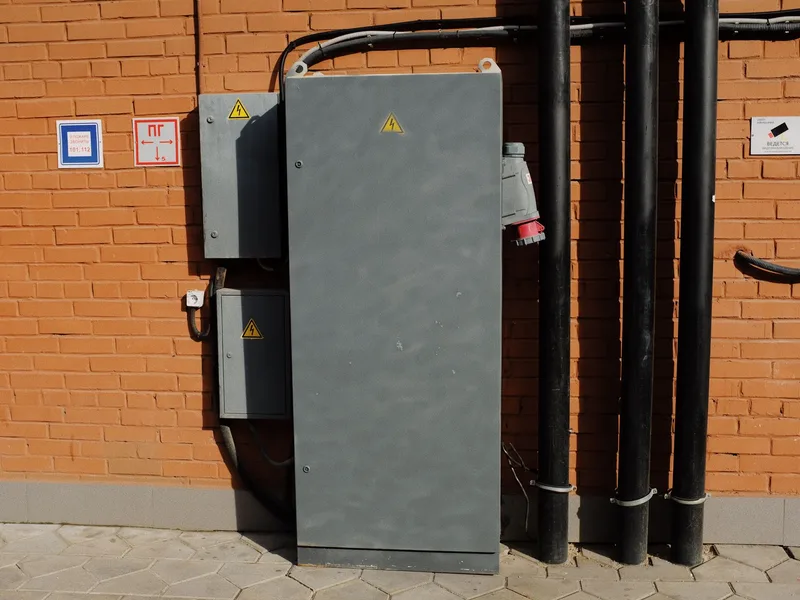
The monitoring points
Monitoring points at Al Nahdah are placed on the open side of the home facing the street, restaurants and gardens, and on the seaward side if the home is near the creek.
How we work
-
1
The baseline survey
We walk the outside boundary and then the inside: gaps under doors, pipe runs, vents, condensate lines, drains, the bin area and the store, and we fix the monitoring points before anything is applied.
-
2
Close the routes
Mesh on the vents, the gap under the door dealt with, the sleeve around a pipe run closed, and water put back into the drain nobody uses. Exclusion saves a spray that would otherwise repeat forever.
-
3
The band and the placed product
A residual band at the base of the wall outside and around door and window openings, with placed product inside joints and closed voids where it is warranted, and no open spray across living surfaces.
-
4
The scheduled visit: read, renew, record
We read the points to see which side is under pressure, renew the band where sun or irrigation has taken it, aim the visit at what the coming season opens up, and write down what was found and what was used.
What the preventive programme includes
-

A survey, then a check every visit
Entry points, moisture sources and storage, recorded before anything is applied and revisited each time.
-

Monitoring points that get read
At the wall and floor junction, under sinks and in the store, checked on every visit rather than only the last one.
-

A renewed exterior band
At the wall base and around the openings, put back wherever sun or irrigation took it between visits.
-

Drains, water lines and waste
The water seal in the drains, the condensate line and the ground around the bins, which are the standing water and food sources.
-

Between the visits
What to keep dry, what to keep closed, and what is worth a call before the next date. Ventilation we tell you before the visit.
-

A scheduled visit and a record of each
An agreed date, what the points held, what was treated, and what changed since last time.
What is different about Obhur Sub-Municipality
Obhur sub-municipality runs along Jeddah's northern shoreline from Al Shati up to Obhur Creek. It mixes large villas and gated compounds with busy commercial spines of restaurants, cafes, markets and hotels. Sea humidity is high for most of the year and salt laden breezes keep timber and render damp, while irrigated gardens and lawns surround the corniche and the villa plots. Standing irrigation water, dense planting and food waste from the hospitality strip suit cockroaches, mosquitoes and ants, and the chalets and rest houses scattered along the creek stand empty for long spells, which lets insects and rodents settle undisturbed.
Questions about this district
The home faces a street with many restaurants and cafes. Does this mean more insects?
Yes. Restaurants and cafes supply insects and flies with constant food. Homes on these busy streets need close monitoring.
Nearness to the sea means high humidity. How does the programme protect against this?
High humidity is constant. The programme applies a strong, tall residual band at the outer wall base and sets monitoring points closely together.
The private garden is watered every day. Does this attract insects?
Yes. Water and planting attract mosquitoes and insects. The external residual protects against insects entering from outside.
The rest house on the creek is closed most of the year. Will it become infested?
Yes. Buildings closed for long periods may become infested. Preventive treatment focuses on the external barrier before closure.
Does salt air affect the external residual band?
Salt air and humidity may weaken the band over time. Every visit checks the condition of the residual.
A nearby resort and hotel. Does this affect the residential neighbourhood?
Resorts and hotels supply insects with food and water. Homes near them need closer monitoring.
How much does preventive treatment in Al Nahdah cost?
It is set after the inspection, because the price follows the type of infestation, the size of the space, how far it has spread and the number of visits it needs. Send a photo and a description on WhatsApp and we will give you an estimate before we reach Al Nahdah.
Nearby districts we cover
Other services in Al Nahdah
Other services we provide to residents of Al Nahdah.
-
 Residential
Cockroach control
Residential
Cockroach control
-
 Residential
Bed bug control
Residential
Bed bug control
-
 Residential
Termite control
Residential
Termite control
-
 Residential
Rodents and mice
Residential
Rodents and mice
-
 Residential
Mosquito control
Residential
Mosquito control
-
 Residential
Fly control
Residential
Fly control
-
 Residential
Ant control
Residential
Ant control
-
 Residential
Gecko control
Residential
Gecko control
-
 Residential
Scorpion control
Residential
Scorpion control
-
 Residential
Snake control
Residential
Snake control
-
 Residential
Flea control
Residential
Flea control
-
 Residential
Bird and pigeon control
Residential
Bird and pigeon control
-
 Residential
Disinfection
Residential
Disinfection
-
 Commercial
Annual contracts
Commercial
Annual contracts
-
 Commercial
Restaurants and cafes
Commercial
Restaurants and cafes
-
 Commercial
Hotels and apartments
Commercial
Hotels and apartments
-
 Commercial
Warehouses and factories
Commercial
Warehouses and factories
-
 Commercial
Schools and nurseries
Commercial
Schools and nurseries
-
 Commercial
Retail and malls
Commercial
Retail and malls
-
 Commercial
Rest houses and farms
Commercial
Rest houses and farms
-
 Commercial
Fumigation
Commercial
Fumigation
-
 Water tanks
Water tank cleaning
Water tanks
Water tank cleaning
-
 Water tanks
Water tank sterilization
Water tanks
Water tank sterilization
-
 Water tanks
Water tank sealing
Water tanks
Water tank sealing
-
 Water tanks
Tank leak repair
Water tanks
Tank leak repair
Need preventive treatment in Al Nahdah? Tell us what you saw and we will tell you what it needs
We reach Al Nahdah at a time we agree, and you get the full cost before we start.