

Preventive treatment in Kudai Makkah
Kudai is a commercial area sitting under apartment towers and hotels, with Jabal Khandamah rising behind. Vast coach and car parks bring intense seasonal pressure during Hajj and Ramadan. A preventive programme here must work through peak traffic chaos and then scale down completely between seasons, following what actually happens in the place.
-
Targeted, not broadcast
Product goes into cracks and runways, never sprayed across open surfaces.
-
Told before we start
What we will use, where it goes, and what to cover or move before we arrive.
-
A follow-up visit
We return after the first treatment, because what survives it does not show on the day.
-
Homes and businesses
Apartments and villas, and kitchens and stores that need a record of each visit.
Why they keep coming back in Kudai
During Hajj tens of thousands pass through the parks daily from different countries, bringing unfamiliar insects in their vehicles and luggage. Between the seasonal peaks the zone sits nearly empty. The method is set out in full on what Preventive treatment involves.
Extreme seasonal pressure spikes and troughs
Pressure here is not constant: during Hajj, Umrah and business seasons it becomes massive with people, goods and vehicles moving through. Between seasons it drops dramatically. The programme adjusts visits by season and by what the monitoring points show, never by a fixed calendar.
Transport from different countries brings foreign insects
Coaches and vehicles arrive from many nations and may carry insects unfamiliar in Saudi Arabia. The offices and stores need protection from species that may be unknown locally and behave differently.
Low ground collects water and attracts scorpions
The site sits low between the hill and the wadi, and water pools after rain. Damp ground attracts mosquitoes, scorpions and rodents. Monitoring points focus on drainage gaps and voids under the buildings.
Landmarks of Kudai
Preventive work at Kudai stores is reached via the Zamzam Water Project road that bounds the south east, and visits follow the seasonal surge that the Kudai Towers and the hotels above deliver to the zone.
- Kudai Car Parks
- Zamzam Water Project
- Kudai Towers
- Kudai Ajyad Tunnel
- Jabal Khandamah
What a preventive visit reads
Low ground south east of the sanctuary on the slopes of Jabal Khandamah, sloping towards a wadi that holds water after rain. Sparsely settled, old ground awaiting development.
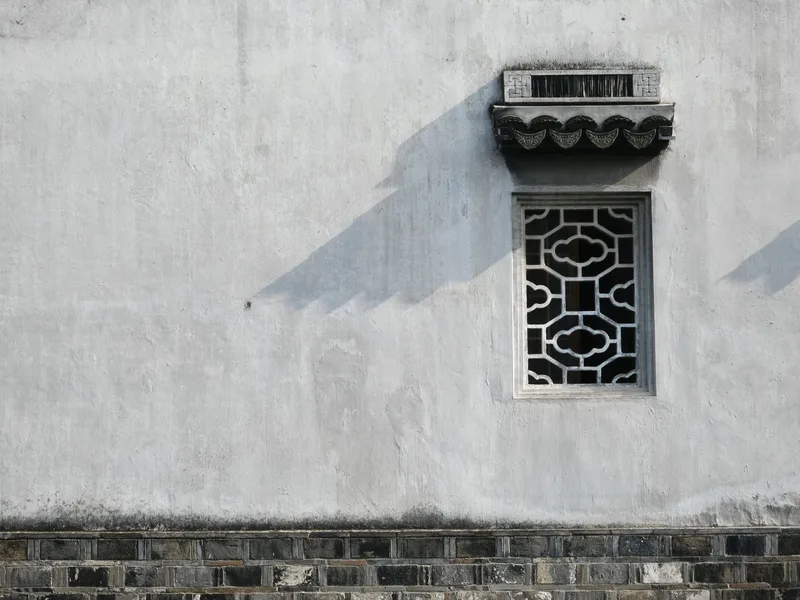
The base of the outside wall
The base of the store's external wall may sit on damp ground, so the residual band must be slightly raised from floor level to avoid waterlogging.
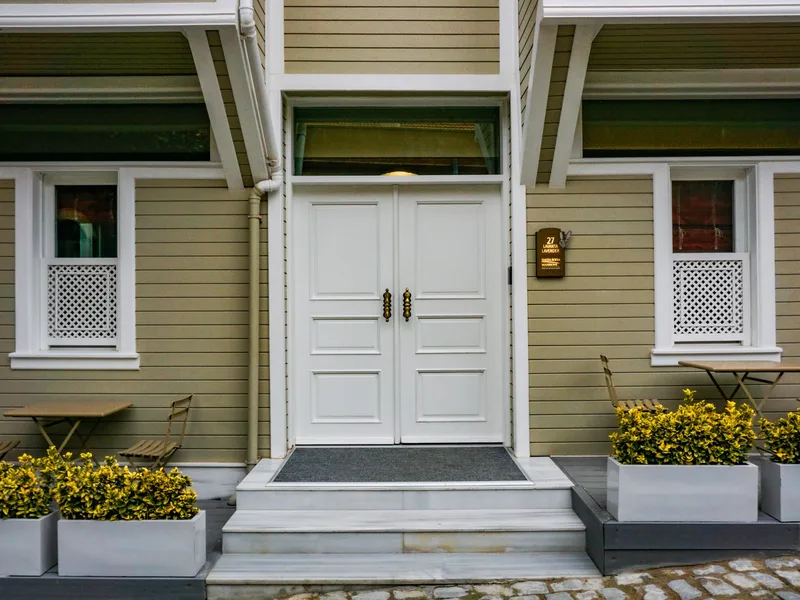
Gaps and openings
Gaps around doors and ramps are large because coaches need easy entry, and the barrier here targets the ground level where crawling insects try to slip in.
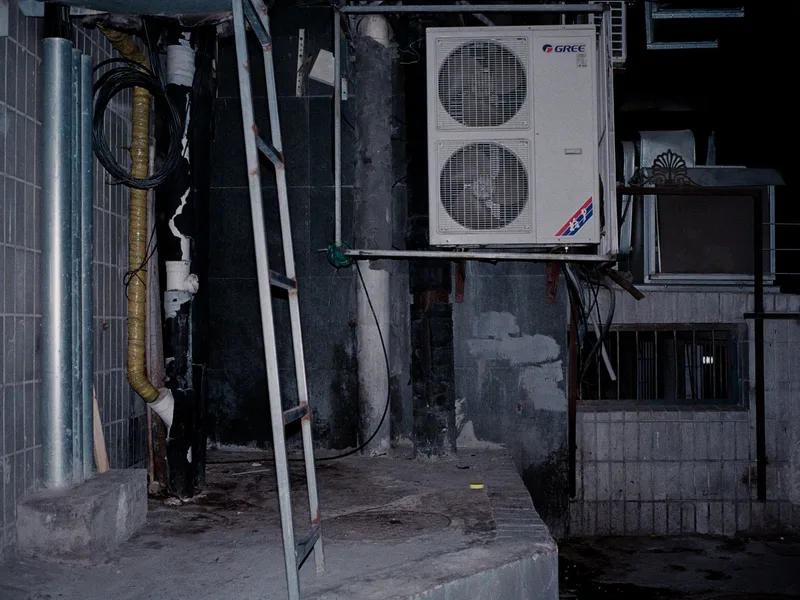
Air conditioning condensate
Air conditioning condensate from offices above may drip onto the low car park floor and pool there, creating insect habitat in the base zone.
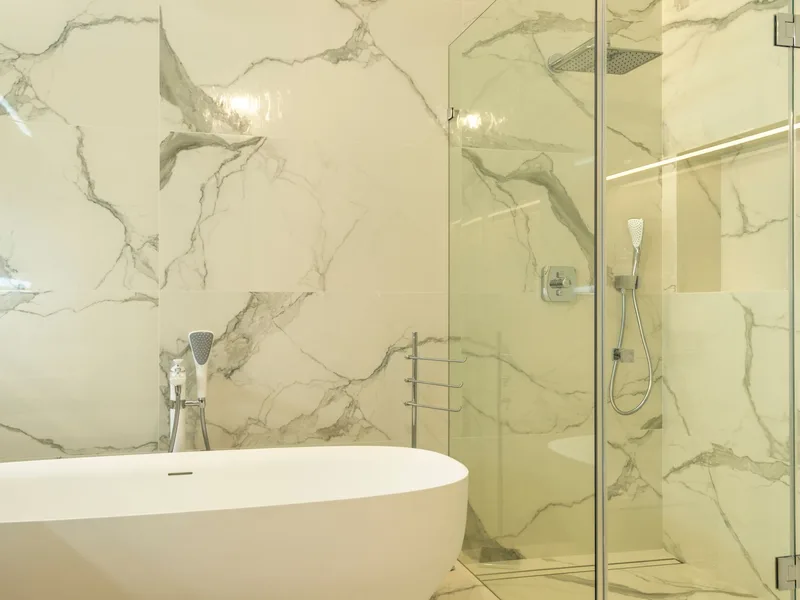
Floor drains
Floor drains in the park are often loose and water collects under the surface. Monitoring points inspect these voids to detect aquatic insects and rodents.
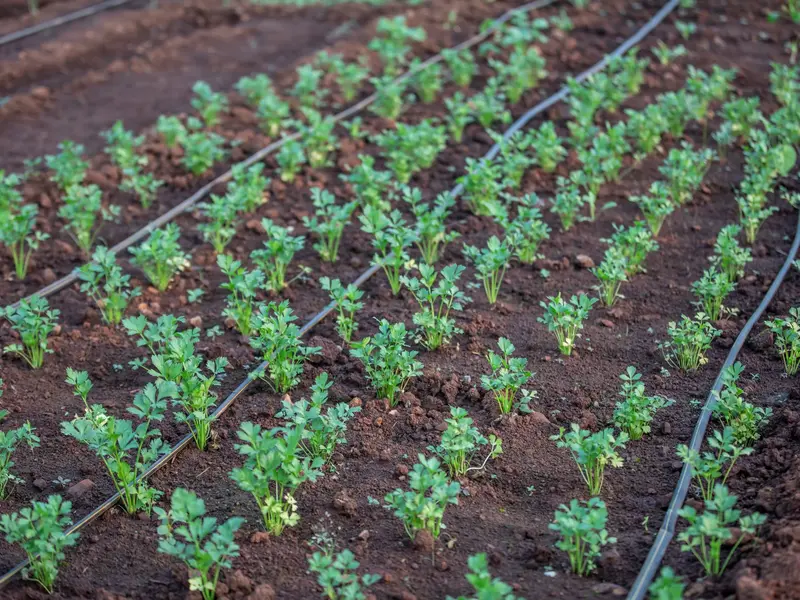
Irrigation against the wall
The park may stand open at times and the floor may be fouled by dust and oil from vehicles. This creates shelter for scorpions and small reptiles under debris.
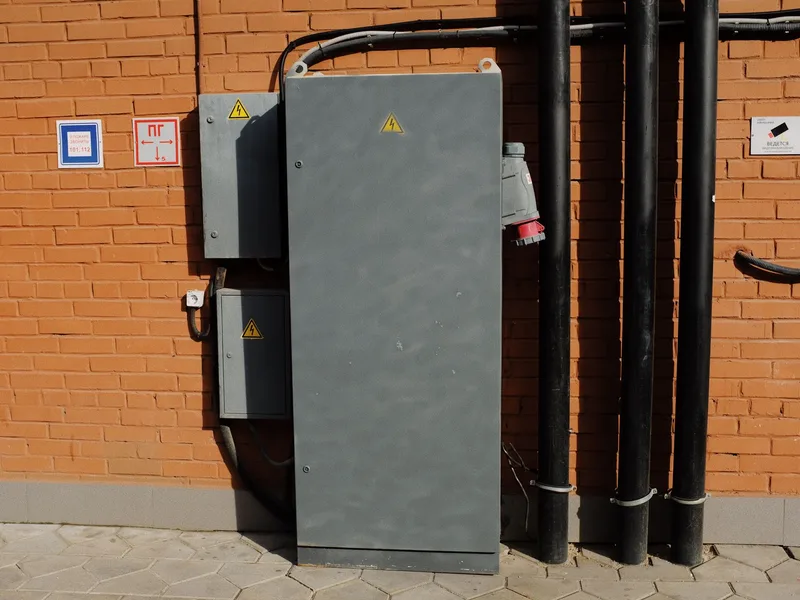
The monitoring points
Monitoring points in voids under foundations and in corners track the seasonal movement of rodents and scorpions after rain and the quiet between surges.
How we work
-
1
The baseline survey
We walk the outside boundary and then the inside: gaps under doors, pipe runs, vents, condensate lines, drains, the bin area and the store, and we fix the monitoring points before anything is applied.
-
2
Close the routes
Mesh on the vents, the gap under the door dealt with, the sleeve around a pipe run closed, and water put back into the drain nobody uses. Exclusion saves a spray that would otherwise repeat forever.
-
3
The band and the placed product
A residual band at the base of the wall outside and around door and window openings, with placed product inside joints and closed voids where it is warranted, and no open spray across living surfaces.
-
4
The scheduled visit: read, renew, record
We read the points to see which side is under pressure, renew the band where sun or irrigation has taken it, aim the visit at what the coming season opens up, and write down what was found and what was used.
What the preventive programme includes
-

A survey, then a check every visit
Entry points, moisture sources and storage, recorded before anything is applied and revisited each time.
-

Monitoring points that get read
At the wall and floor junction, under sinks and in the store, checked on every visit rather than only the last one.
-

A renewed exterior band
At the wall base and around the openings, put back wherever sun or irrigation took it between visits.
-

Drains, water lines and waste
The water seal in the drains, the condensate line and the ground around the bins, which are the standing water and food sources.
-

Between the visits
What to keep dry, what to keep closed, and what is worth a call before the next date. Ventilation we tell you before the visit.
-

A scheduled visit and a record of each
An agreed date, what the points held, what was treated, and what changed since last time.
What is different about Al Misfalah Sub-Municipality
Al Misfalah sub municipality runs downhill from the south of the Grand Mosque through Al Misfalah, Kudai and Al Rawabi to Al Taqwa, Al Hindawiyah, Al Khalidiyah and Al Rusayfah at the third ring road. The northern end is old apartment blocks and pilgrim hotels with restaurants along Ibrahim Al Khalil Street and the huge coach parks at Kudai. The south and west are dense popular districts with countless small shops and unplanned hillside housing, some of it already cleared for redevelopment, giving way to orderly land grant schemes in Al Rusayfah beside the railway station.
Questions about this district
The car park closes for months. Do we really need a preventive programme?
Yes, because the intense seasonal surge leaves dormant populations behind. Insects that entered during peak season shelter in voids and pipes and reactivate. The programme prevents this colonisation between the busy periods.
Coaches come from different Gulf and Asian countries. Does each bring different insects?
Yes, insects vary by climate and country. Coaches from Bangladesh for instance may carry tropical insects unfamiliar here. Monitoring points detect them as soon as vehicles enter the park.
The store opens only in season. Should we start the programme before the rush or during it?
Start it at least two weeks before the coaches and cars arrive. This sets the preventive barrier in voids and pipes before the full seasonal surge hits the park.
After the busy season ends should we stop the programme or continue it?
Continue but scale back. Insects that may have colonised the voids need monitoring, and the points tell you whether dormant populations remain from the season.
Rare rain may fall on the store roof. Does that increase insects?
Yes, the rare rains here collect in low voids and foundations and create damp that attracts insects. The programme focuses on draining these areas and monitoring them.
Jabal Khandamah is behind us. Will rodents from the mountain enter the store?
Rodents from the hill may attempt entry especially in winter. The programme seals voids at the base of walls and foundations and places monitoring traps in likely corners.
How much does preventive treatment in Kudai cost?
It is set after the inspection, because the price follows the type of infestation, the size of the space, how far it has spread and the number of visits it needs. Send a photo and a description on WhatsApp and we will give you an estimate before we reach Kudai.
Nearby districts we cover
Other services in Kudai
Other services we provide to residents of Kudai.
-
 Residential
Cockroach control
-
 Residential
Bed bug control
-
 Residential
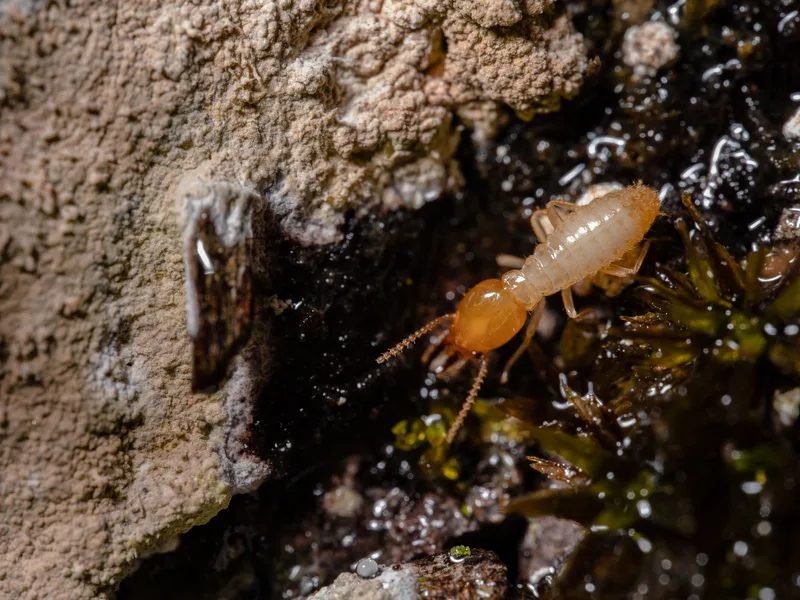
Termite control
-
 Residential
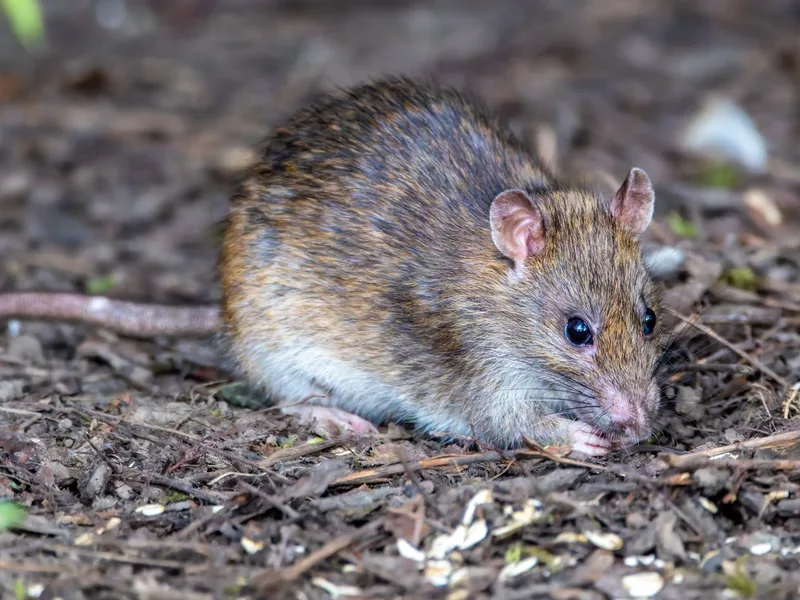
Rodents and mice
Need preventive treatment in Kudai? Tell us what you saw and we will tell you what it needs
We reach Kudai at a time we agree, and you get the full cost before we start.