

Preventive treatment in Al Rawabi Jeddah
Al Rawabi is a mixed district on Old Makkah Road and Bin Laden Road, where shops occupy the ground floors of apartment buildings and residents live stacked above them. This blend of commerce and living space multiplies the food sources and moisture that attract pests, so preventive treatment here guards against infestations climbing from one floor to another through shared walls and common areas.
-
Targeted, not broadcast
Product goes into cracks and runways, never sprayed across open surfaces.
-
Told before we start
What we will use, where it goes, and what to cover or move before we arrive.
-
A follow-up visit
We return after the first treatment, because what survives it does not show on the day.
-
Homes and businesses
Apartments and villas, and kitchens and stores that need a record of each visit.
Why they keep coming back in Al Rawabi
Food shops on the ground floors shed crumbs daily across their floors and corners, drawing cockroaches and ants up the shared stairwell and through the common entrance that all residents use. The method is set out in full on our Preventive treatment service.
Shops and homes stacked vertically, pests moving between floors
An infestation in a ground-floor restaurant can climb into the flats above through gaps around pipes and risers. Preventive treatment must form a barrier at the floor transitions and wrap the shared entrance, so cockroaches and ants meet an obstacle before they reach the stairs.
Sea humidity and ageing drainage networks below ground
Old Makkah Road carries drainage pipes laid decades ago that now hold water in the foundations and basement floors. This damp environment favours termites and silverfish, so monitoring must examine the base of the outside wall and all ventilation openings quarterly.
Neighbourhood parks and waste collection points nearby
Bin Laden Park and small district gardens draw insects from outside into the built area. Treatment focuses on gaps where garden fences meet the wall, rubbish bins and wet spots around the stormwater drains.
Landmarks of Al Rawabi
Work in Al Rawabi follows the roads: we start from Bin Laden Road where the shops are thickest, then down to Old Makkah Road where the older flats and aged drainage meet, which sets the visiting order by the priority of each street.
- Old Makkah Road
- Bin Laden Road
- Bin Laden Park
- Ibn Al Qayyim Mosque
- Al Rawabi Shopping Centre
What a preventive visit reads
The district mixes apartment blocks with neighbourhood parks including Bin Laden Park, and sea-borne humidity drifts in from the port and refinery to the west on the open air.
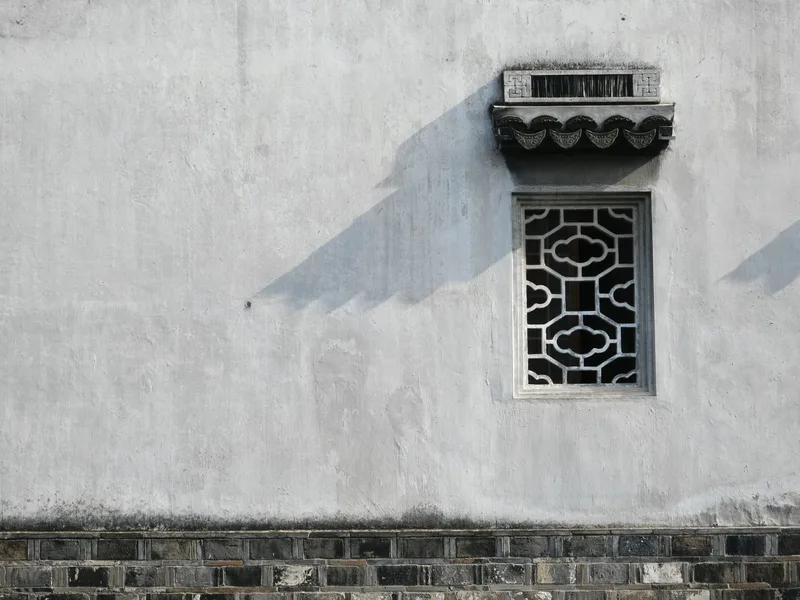
The base of the outside wall
The base of the outside wall here faces sea humidity and rain, so we lay a heavy residual band and apply a waterproof sealant, especially where the floor meets the wall on the street side.
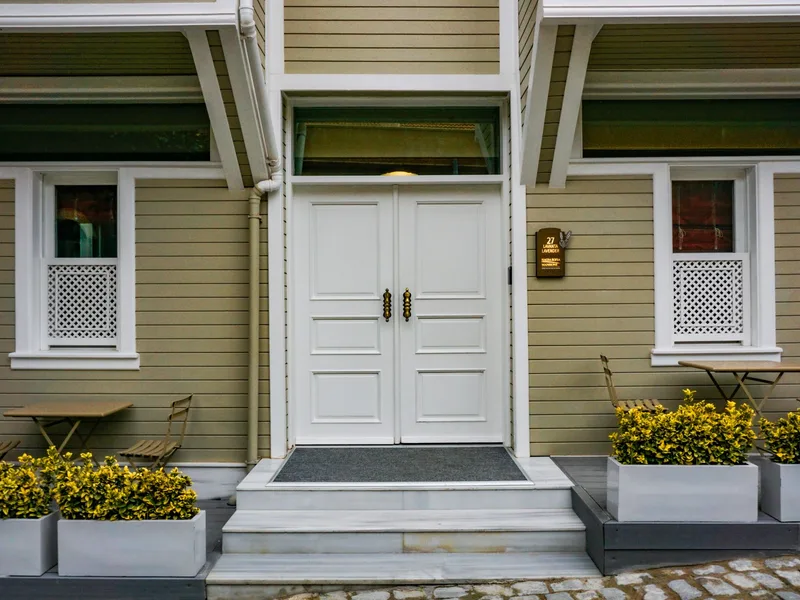
Gaps and openings
Gaps around water and sewage pipes running between floors are the main cockroach highways. We seal them with caulk and place a sticky trap before sealing so we can see if they are active.
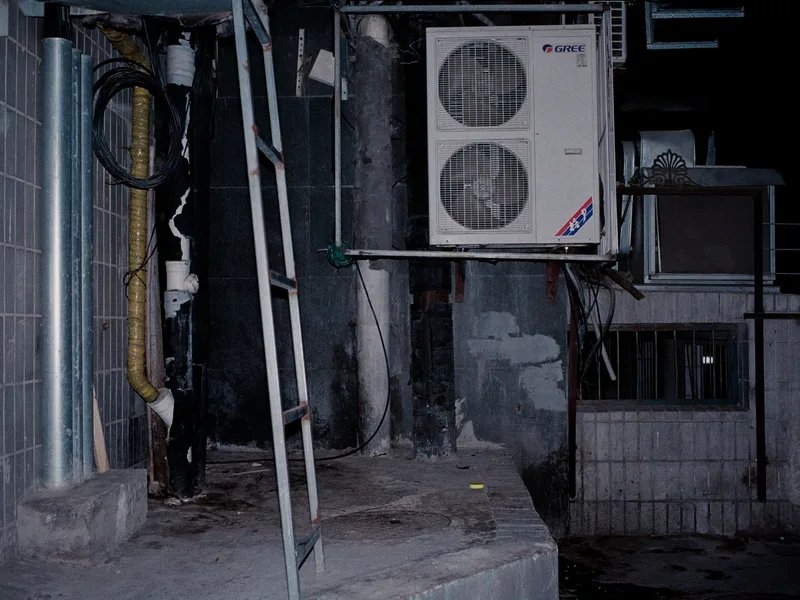
Air conditioning condensate
Air conditioning units in the lower flats drip onto the shared floor, creating a damp spot that attracts ants and silverfish. We monitor this area each visit and may place a trap beside it.
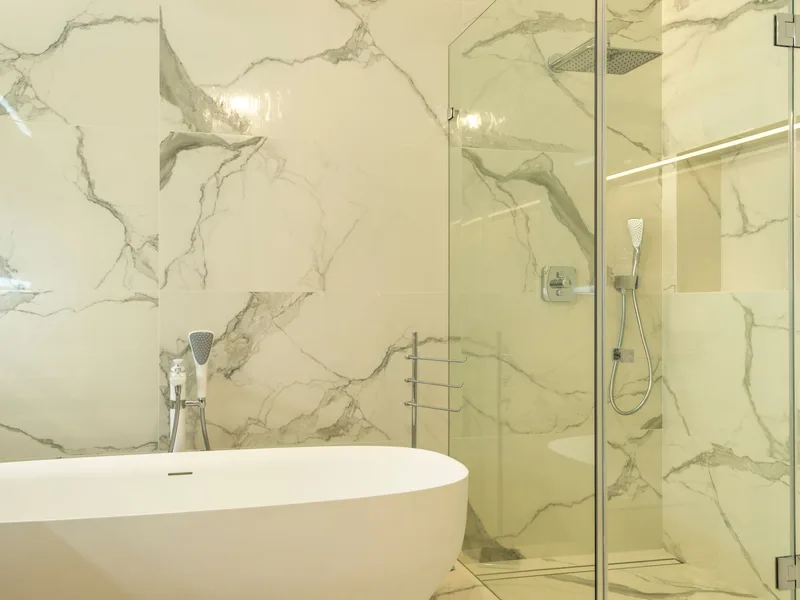
Floor drains
The wet floor in the stairwell comes from ageing pipes, and may hold rainwater and cleaning water. We place a sticky trap at the base of each flight to read every month.
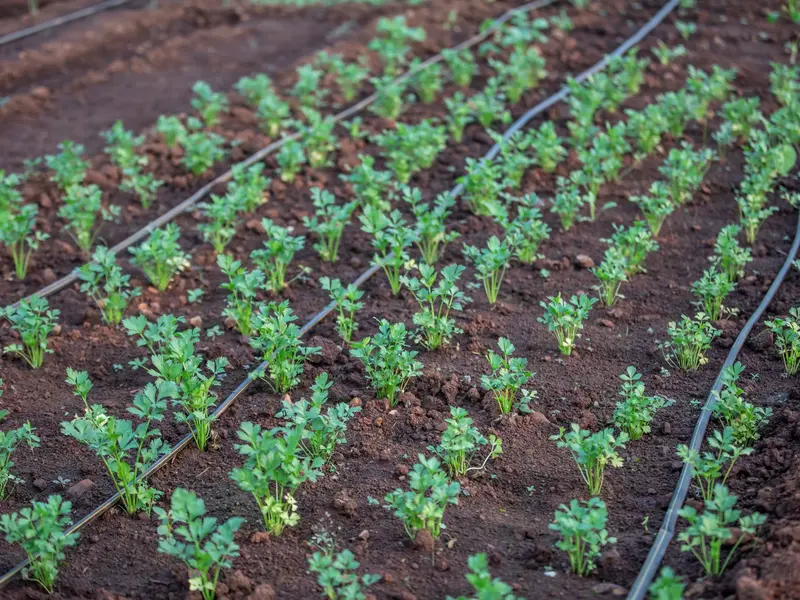
Irrigation against the wall
The watering point near the small garden beside the outer wall may create a saturated zone in the soil. We inspect it each visit and advise on repairing leaks if found.
The monitoring points
Monitoring points sit on the floor at the entrance, in corners, in the kitchen and bathroom, and we read them every visit to detect pests before they multiply.
How we work
-
1
The baseline survey
We walk the outside boundary and then the inside: gaps under doors, pipe runs, vents, condensate lines, drains, the bin area and the store, and we fix the monitoring points before anything is applied.
-
2
Close the routes
Mesh on the vents, the gap under the door dealt with, the sleeve around a pipe run closed, and water put back into the drain nobody uses. Exclusion saves a spray that would otherwise repeat forever.
-
3
The band and the placed product
A residual band at the base of the wall outside and around door and window openings, with placed product inside joints and closed voids where it is warranted, and no open spray across living surfaces.
-
4
The scheduled visit: read, renew, record
We read the points to see which side is under pressure, renew the band where sun or irrigation has taken it, aim the visit at what the coming season opens up, and write down what was found and what was used.
What the preventive programme includes
-

A survey, then a check every visit
Entry points, moisture sources and storage, recorded before anything is applied and revisited each time.
-

Monitoring points that get read
At the wall and floor junction, under sinks and in the store, checked on every visit rather than only the last one.
-

A renewed exterior band
At the wall base and around the openings, put back wherever sun or irrigation took it between visits.
-

Drains, water lines and waste
The water seal in the drains, the condensate line and the ground around the bins, which are the standing water and food sources.
-

Between the visits
What to keep dry, what to keep closed, and what is worth a call before the next date. Ventilation we tell you before the visit.
-

A scheduled visit and a record of each
An agreed date, what the points held, what was treated, and what changed since last time.
What is different about Al Jamiah Sub-Municipality
Al Jamiah sub municipality spans the older south of Jeddah. Planned districts such as Al Fayha, Al Thaghr and Madain Al Fahd sit beside crowded popular quarters like the Nazlahs and Al Quraiyat, and beside cleared or clearing land in Ghulail, Petromin and Al Thaalibah awaiting redevelopment. Apartment buildings stand close together above dense runs of shops and restaurants along Old Makkah Road and Prince Majid Road. Drainage in the popular quarters is ageing, humid air drifts in from the port and refinery side to the west, and the flat low lying ground holds rainwater in narrow streets.
Questions about this district
Does prevention cover the shared areas, or only my flat?
We treat the shared entrance, stairwell and common passages that you live in, and the base of the outside wall. Parks and public areas belong to the municipality. Our focus is the threshold where pests try to enter your building and the ground floor perimeter that sits closest to the soil.
The shop below us fills with cockroaches in summer. How do we stop them spreading upstairs?
We lay a heavy residual band around the base of the outer wall and around doorway thresholds, and position monitoring points inside your flat on the floor and near the kitchen. Every visit we read these points and can see whether ants or cockroaches are trying to get in.
During summer holidays, the shop stays open and doors are wide. Does the schedule change?
Yes. Peak shop traffic with doors constantly opening invites pests in. We increase monitoring to weekly during these seasons and check the outside barrier closely, and we recommend sealing gaps around doors with caulk that hardens tight.
The stairwell floor is always damp. What do we do?
Constant damp in the stairwell comes from old drainage. We place a sticky trap at the base of each flight to monitor insects, and suggest improving ventilation. If pests appear, we treat that spot and around the air vents.
Is the spray safe in the shop below where food sits uncovered?
We use products approved for occupied commercial and residential spaces. We schedule the spray outside shop hours, and apply it only to smooth surfaces as a residual band, well away from food or preparation areas.
Does the programme cover the shared areas like the hallway and stairs?
The programme covers the entrance, enclosed corridors, stairs and spaces under your control. The outdoor passages and streets and public areas of the district need coordination with the municipality and may require a separate treatment.
How much does preventive treatment in Al Rawabi cost?
It is set after the inspection, because the price follows the type of infestation, the size of the space, how far it has spread and the number of visits it needs. Send a photo and a description on WhatsApp and we will give you an estimate before we reach Al Rawabi.
Nearby districts we cover
Other services in Al Rawabi
Other services we provide to residents of Al Rawabi.
-
 Residential
Cockroach control
Residential
Cockroach control
-
 Residential
Bed bug control
Residential
Bed bug control
-
 Residential
Termite control
Residential
Termite control
-
 Residential
Rodents and mice
Residential
Rodents and mice
-
 Residential
Mosquito control
Residential
Mosquito control
-
 Residential
Fly control
Residential
Fly control
-
 Residential
Ant control
Residential
Ant control
-
 Residential
Gecko control
Residential
Gecko control
-
 Residential
Scorpion control
Residential
Scorpion control
-
 Residential
Snake control
Residential
Snake control
-
 Residential
Flea control
Residential
Flea control
-
 Residential
Bird and pigeon control
Residential
Bird and pigeon control
-
 Residential
Disinfection
Residential
Disinfection
-
 Commercial
Annual contracts
Commercial
Annual contracts
-
 Commercial
Restaurants and cafes
Commercial
Restaurants and cafes
-
 Commercial
Hotels and apartments
Commercial
Hotels and apartments
-
 Commercial
Warehouses and factories
Commercial
Warehouses and factories
-
 Commercial
Schools and nurseries
Commercial
Schools and nurseries
-
 Commercial
Retail and malls
Commercial
Retail and malls
-
 Commercial
Rest houses and farms
Commercial
Rest houses and farms
-
 Commercial
Fumigation
Commercial
Fumigation
-
 Water tanks
Water tank cleaning
Water tanks
Water tank cleaning
-
 Water tanks
Water tank sterilization
Water tanks
Water tank sterilization
-
 Water tanks
Water tank sealing
Water tanks
Water tank sealing
-
 Water tanks
Tank leak repair
Water tanks
Tank leak repair
Need preventive treatment in Al Rawabi? Tell us what you saw and we will tell you what it needs
We reach Al Rawabi at a time we agree, and you get the full cost before we start.