

Preventive treatment in Al Taysir Makkah
Al Taysir lies west of the Grand Mosque with apartment blocks and hotel towers for Umrah visitors cheek by jowl, shops and restaurants crowding Al Taysir Street. New guests arrive from distant places and may carry unfamiliar insects in their luggage, and their flows create seasonal pressure that varies month to month. Preventive treatment here tracks the Umrah calendar and intensifies during peak visitor season when pressure rises visibly.
-
Targeted, not broadcast
Product goes into cracks and runways, never sprayed across open surfaces.
-
Told before we start
What we will use, where it goes, and what to cover or move before we arrive.
-
A follow-up visit
We return after the first treatment, because what survives it does not show on the day.
-
Homes and businesses
Apartments and villas, and kitchens and stores that need a record of each visit.
Why they keep coming back in Al Taysir
Guest numbers shift with the Umrah season, so insect pressure rises and falls with the waves of visitors moving through the quarter from one month to the next. The method is set out in full on what Preventive treatment involves.
Seasonal visitor flow and changing insect pressure
The season sets the pressure here more than in any other district. During peak Umrah times, the flow of guests, baggage and catering spreads new insect varieties and amplifies activity levels. Preventive visits cluster during peak season and stretch out during quieter periods according to monitoring point readings.
Restaurants, shops and constant food distribution points
Catering is continuous and eateries and shops scatter everywhere. Crumbs and cooking oils create a rich environment for insects, and irregular cleaning heightens pressure. Monitoring must focus on food preparation zones and kitchen areas where insects congregate for meals.
Internal corridors and floor-level gaps
Tight passageways and voids beneath service runs offer safe shelter for insects to hide and breed. In a busy hotel, daily cleaning may not reach into every gap, so the external residual band and monitoring points read these hidden zones where insects nest between occupied storeys.
Landmarks of Al Taysir
Work concentrates along Al Taysir Street where hotel blocks and shops line both sides, extending from Umm Al Qura Road to the north towards the Grand Mosque boundary, with monitoring points distributed by visitor density and seasonal calendar.
- Al Taysir Street
- Umm Al Qura Road
- King Abdulaziz Hospital
- The Grand Mosque
What a preventive visit reads
A multi storey district with full services, restaurants and small shops concentrated along Al Taysir Street, immediately west of Umm Al Qura Road and overlooking the sacred boundary of the Grand Mosque.
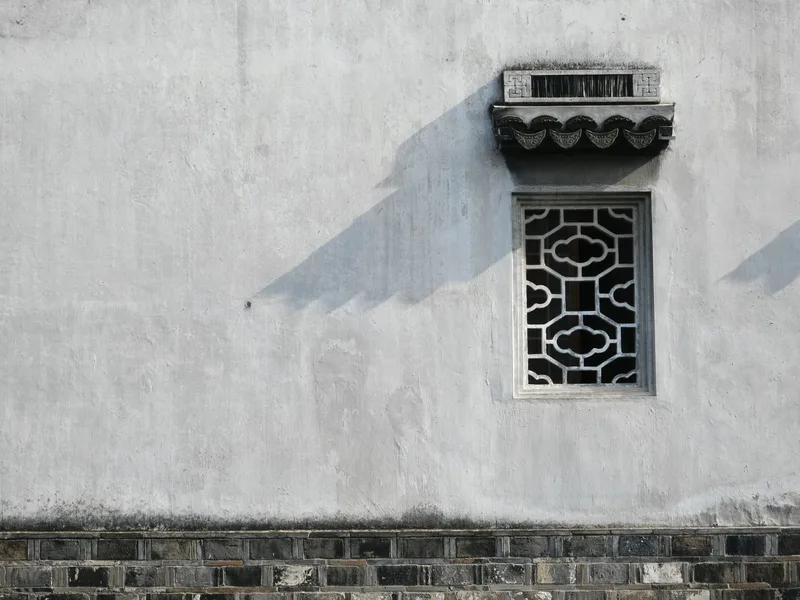
The base of the outside wall
The wall base along Umm Al Qura Road and main streets receives constant traffic pressure, so the external residual band must remain intact and effective throughout the year against steady street-level infestation sources.
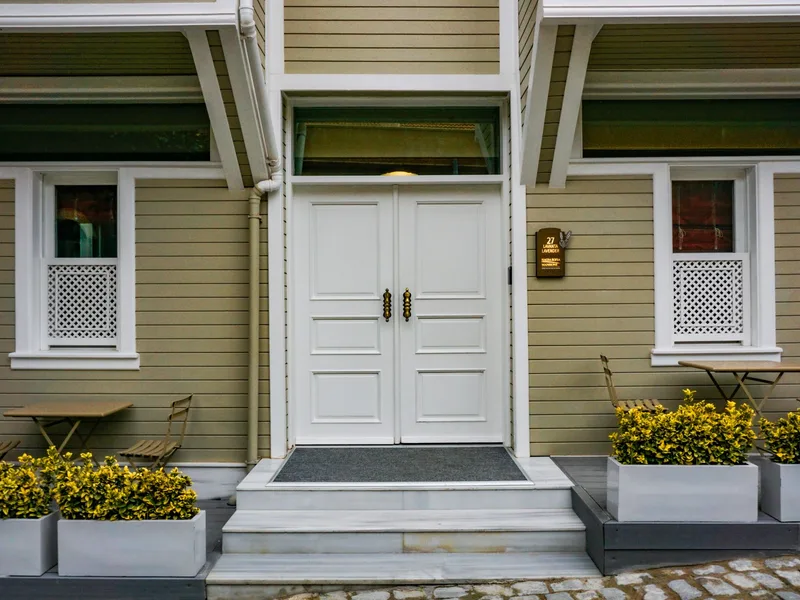
Gaps and openings
Gaps and openings between hotel storeys and repeated residential floors create bridges for insects, requiring regular monitoring as part of the inter-floor strategy.
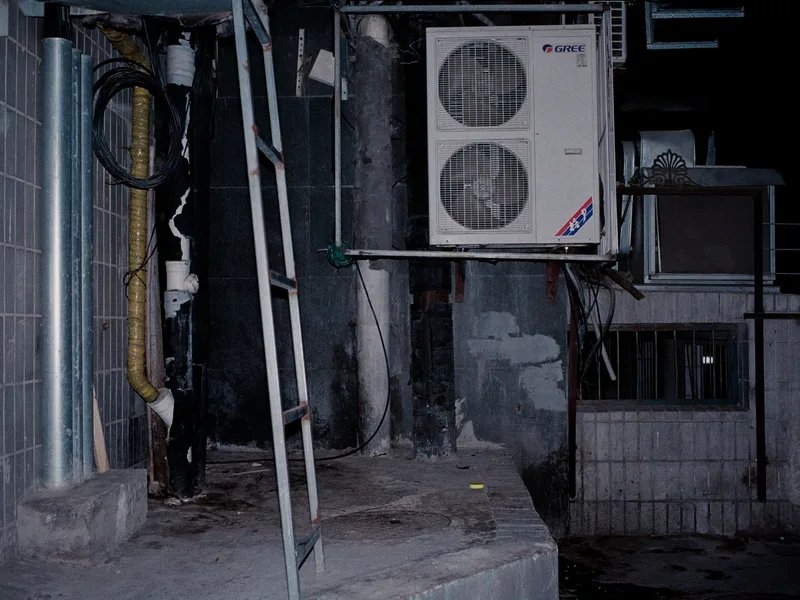
Air conditioning condensate
Air conditioning condensate in a dense hotel district creates constant moisture zones, with monitoring points positioned at every drain point and seepage area where dampness attracts insects.
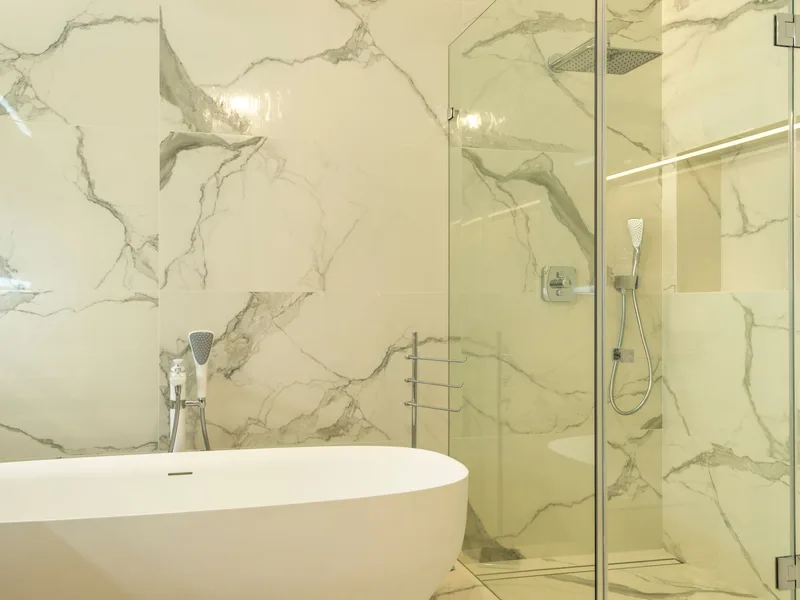
Floor drains
Floor drains in corridors and restaurant areas provide damp shelter for insects, so cleaning and drain maintenance are essential maintenance tasks that support the treatment schedule.
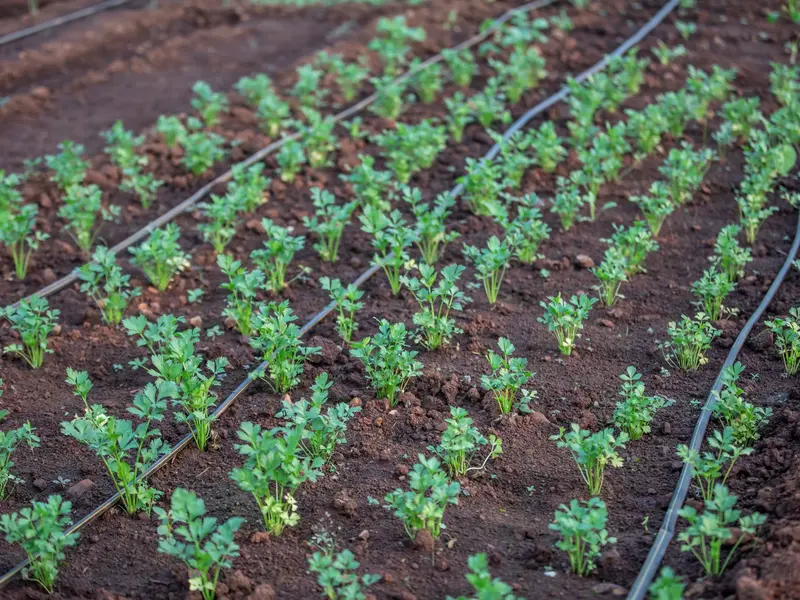
Irrigation against the wall
Irrigation against the exterior wall is limited here, but food scraps and cooking oils from restaurants create damp organic material against the external wall where insects feed and shelter.
The monitoring points
Monitoring points are stationed at entrances, along corridors, around food preparation zones and all drain outlets where insects gather before moving into occupied spaces.
How we work
-
1
The baseline survey
We walk the outside boundary and then the inside: gaps under doors, pipe runs, vents, condensate lines, drains, the bin area and the store, and we fix the monitoring points before anything is applied.
-
2
Close the routes
Mesh on the vents, the gap under the door dealt with, the sleeve around a pipe run closed, and water put back into the drain nobody uses. Exclusion saves a spray that would otherwise repeat forever.
-
3
The band and the placed product
A residual band at the base of the wall outside and around door and window openings, with placed product inside joints and closed voids where it is warranted, and no open spray across living surfaces.
-
4
The scheduled visit: read, renew, record
We read the points to see which side is under pressure, renew the band where sun or irrigation has taken it, aim the visit at what the coming season opens up, and write down what was found and what was used.
What the preventive programme includes
-

A survey, then a check every visit
Entry points, moisture sources and storage, recorded before anything is applied and revisited each time.
-

Monitoring points that get read
At the wall and floor junction, under sinks and in the store, checked on every visit rather than only the last one.
-

A renewed exterior band
At the wall base and around the openings, put back wherever sun or irrigation took it between visits.
-

Drains, water lines and waste
The water seal in the drains, the condensate line and the ground around the bins, which are the standing water and food sources.
-

Between the visits
What to keep dry, what to keep closed, and what is worth a call before the next date. Ventilation we tell you before the visit.
-

A scheduled visit and a record of each
An agreed date, what the points held, what was treated, and what changed since last time.
What is different about Al Ghazza Sub-Municipality
Al Ghazza sub municipality wraps around the north and west of the Grand Mosque, from Al Shamiyah, Al Qararah and Shaib Amir round to Jarwal and Al Taysir. Large tracts were cleared for the northern expansion and the Rua Al Haram scheme, leaving excavated ground and open construction sites beside ageing blocks that now serve as dense seasonal lodgings in Jarwal and Al Taysir. Old flood paths still fall from Jabal Qaiqaan and Jabal Khandamah towards the mosque, and markets and eateries crowd Al Masjid Al Haram Road and Umm Al Qura Road.
Questions about this district
Do new guests arriving bring unfamiliar insect species with them?
Yes, visitors from distant regions may carry insects in luggage or clothing that are new to the area. The programme must stay alert to new varieties and watch for pressure shifts as the guest composition changes through the season.
How do preventive visits differ during Umrah season and outside it?
During peak Umrah times visits cluster closer because pressure is higher and insects find abundant food. Outside season visits stretch out depending on what monitoring points show about activity and conditions.
Does daily housekeeping alone reduce the need for preventive treatment?
Housekeeping is essential but insufficient on its own. Spaces beneath furniture, tight corridors and damp zones may not get cleaned thoroughly every day, so preventive treatment reaches places routine cleaning cannot access.
Do air conditioning and drainage outlets create an additional problem here?
Yes, air conditioning condensate creates permanent moisture and standing water attracts insects seeking damp shelter. Monitoring points are placed at every drain outlet and the residual band protects moisture zones.
Does the preventive programme cover the ground floor restaurants and shops?
Treatment focuses on residential and hotel areas, though ground floor shops and restaurants abutting the blocks may need separate commercial treatment. Coordination with site management clarifies responsibility for the boundary zones.
How often does the team visit during the peak Umrah visitor season?
Visit intervals follow monitoring point readings, not a fixed schedule. During heavy visitor seasons, visits may become weekly or fortnightly depending on insect activity levels recorded at each point.
How much does preventive treatment in Al Taysir cost?
It is set after the inspection, because the price follows the type of infestation, the size of the space, how far it has spread and the number of visits it needs. Send a photo and a description on WhatsApp and we will give you an estimate before we reach Al Taysir.
Nearby districts we cover
Other services in Al Taysir
Other services we provide to residents of Al Taysir.
-
 Residential
Cockroach control
Residential
Cockroach control
-
 Residential
Bed bug control
Residential
Bed bug control
-
 Residential
Termite control
Residential
Termite control
-
 Residential
Rodents and mice
Residential
Rodents and mice
-
 Residential
Mosquito control
Residential
Mosquito control
-
 Residential
Fly control
Residential
Fly control
-
 Residential
Ant control
Residential
Ant control
-
 Residential
Gecko control
Residential
Gecko control
-
 Residential
Scorpion control
Residential
Scorpion control
-
 Residential
Snake control
Residential
Snake control
-
 Residential
Flea control
Residential
Flea control
-
 Residential
Bird and pigeon control
Residential
Bird and pigeon control
-
 Residential
Disinfection
Residential
Disinfection
-
 Commercial
Annual contracts
Commercial
Annual contracts
-
 Commercial
Restaurants and cafes
Commercial
Restaurants and cafes
-
 Commercial
Hotels and apartments
Commercial
Hotels and apartments
-
 Commercial
Warehouses and factories
Commercial
Warehouses and factories
-
 Commercial
Schools and nurseries
Commercial
Schools and nurseries
-
 Commercial
Retail and malls
Commercial
Retail and malls
-
 Commercial
Rest houses and farms
Commercial
Rest houses and farms
-
 Commercial
Fumigation
Commercial
Fumigation
-
 Water tanks
Water tank cleaning
Water tanks
Water tank cleaning
-
 Water tanks
Water tank sterilization
Water tanks
Water tank sterilization
-
 Water tanks
Water tank sealing
Water tanks
Water tank sealing
-
 Water tanks
Tank leak repair
Water tanks
Tank leak repair
Need preventive treatment in Al Taysir? Tell us what you saw and we will tell you what it needs
We reach Al Taysir at a time we agree, and you get the full cost before we start.