

Preventive treatment in Barakah Makkah
Barakah is a recently renamed scheme in the north east of Al Sharai between Thaniyah and Hunayn. It lies on the Makkah to Taif expressway by the hamlets of Al Hamidah and Al Said. Planned plots are on the market with very little building yet, farms surround the bed of Wadi Al Sharai and Jabal Laban stands to the south. The scheme is at its beginning and the ground mixes residential with farming.
-
Targeted, not broadcast
Product goes into cracks and runways, never sprayed across open surfaces.
-
Told before we start
What we will use, where it goes, and what to cover or move before we arrive.
-
A follow-up visit
We return after the first treatment, because what survives it does not show on the day.
-
Homes and businesses
Apartments and villas, and kitchens and stores that need a record of each visit.
Why they keep coming back in Barakah
The location between farm areas and planned ground means mixed insect pressure from agricultural sources and wild ground that shifts with the seasons. The method is set out in full on the full Preventive treatment page.
Location on the expressway means shifting pressure from traffic and dust
Barakah sits directly on the Makkah to Taif expressway, so traffic, dust and insects carried from far away may reach the scheme. The external barrier must resist this dynamic pressure.
Nearby farms provide a strong local seasonal pressure source
The bed of Wadi Al Sharai holds farms and springs that offer a complete habitat for water insects and rodents. New homes may find themselves surrounded by strong food sources from farming.
Sparse building means each home stands alone against pressure
The scheme is still emerging with plots on the market and little building. Each new home must have a strong independent preventive programme.
Landmarks of Barakah
Work in Barakah is organised around the Makkah to Taif expressway, which provides main access and geographical reference, and around Wadi Al Sharai, which marks the scheme boundary. The hamlets of Al Hamidah and Al Said serve as fixed geographical anchors to guide visits and direct the team.
- Makkah to Taif Expressway
- Al Hamidah Hamlet
- Al Said Hamlet
- Wadi Al Sharai
- Jabal Laban
What a preventive visit reads
A scheme on the Taif road between two hamlets, with plots on the market and very sparse building. Wadi Al Sharai passes nearby and farms surround it. The terrain mixes plains and hills.
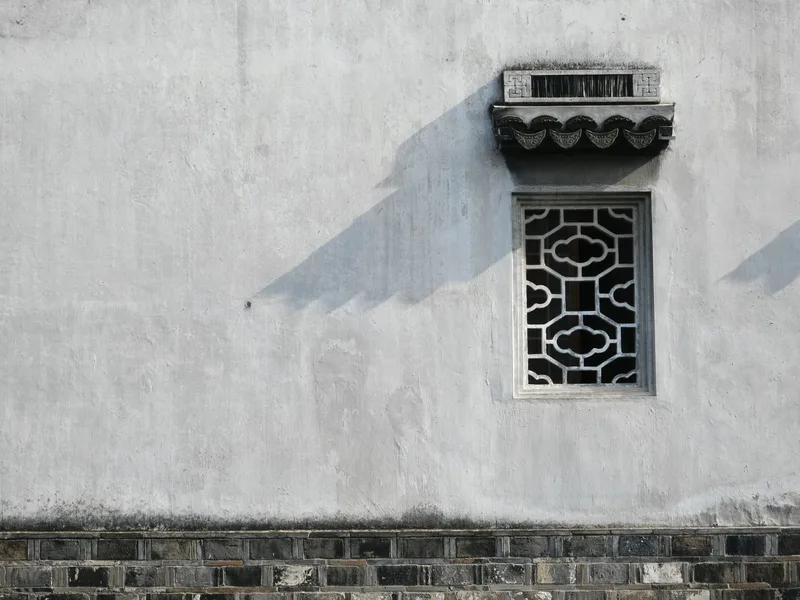
The base of the outside wall
The base of the outside wall on planned ground may stand on different soil depending on location, so we level carefully and lay the band on solid stable ground.
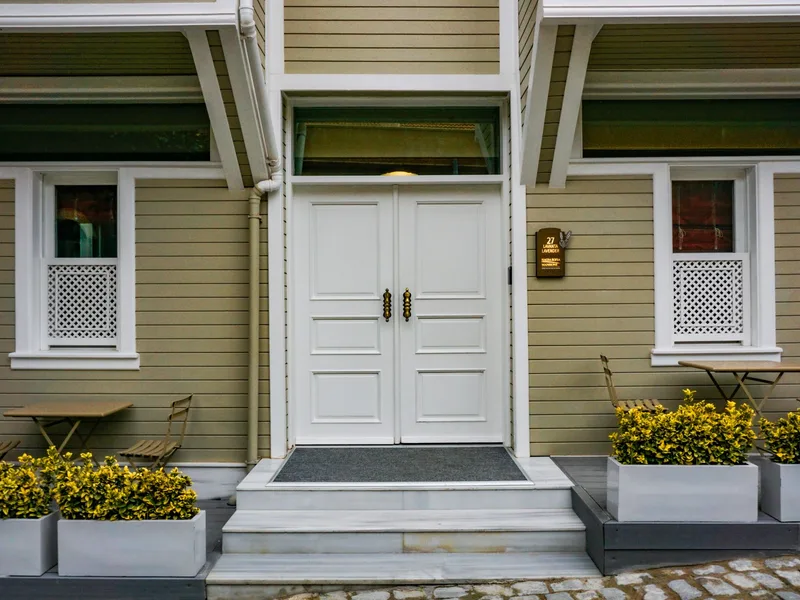
Gaps and openings
Gaps and openings in a new home on an expressway site may be exposed to variable dust and damp, so we inspect closely and seal what can be sealed.
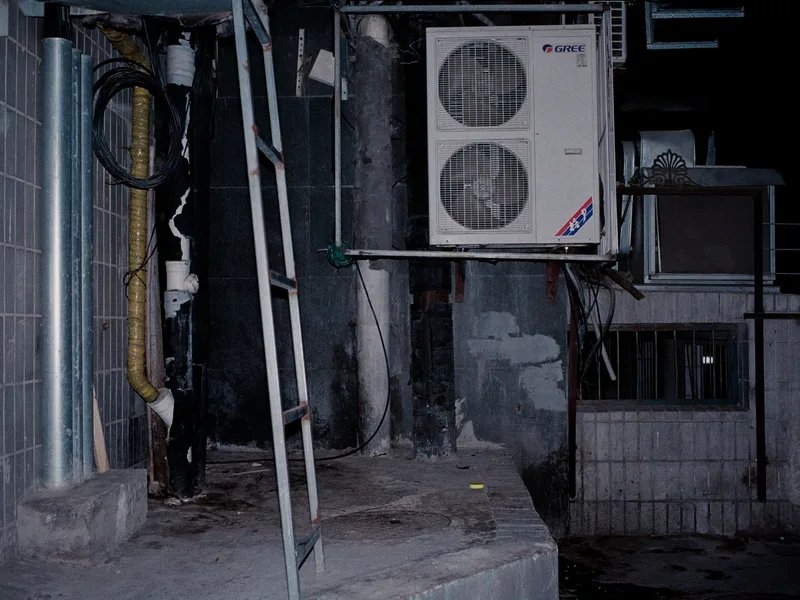
Air conditioning condensate
Air conditioning condensate may be affected by expressway location and variable damp, so we trace where it flows and direct it away from the outer wall.
Floor drains
Floor drains may lie close to the road or to the wadi, so we focus on protecting the wall base from variable damp.
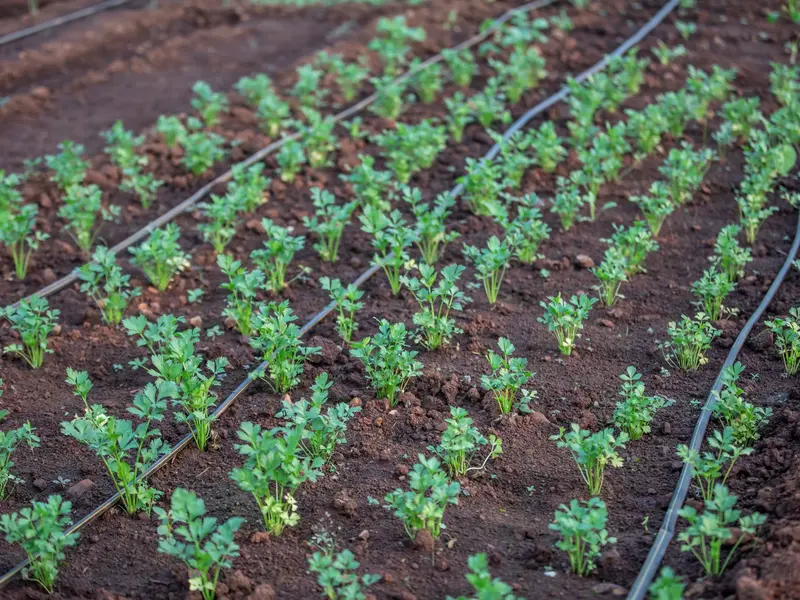
Irrigation against the wall
Irrigation against the wall may be exposed to winds and dust from the expressway, so we monitor damp and external pressure and adjust the barrier accordingly.
The monitoring points
Monitoring points are read closely to record the effect of the expressway, farms, small hamlets and variable seasonal pressures.
How we work
-
1
The baseline survey
We walk the outside boundary and then the inside: gaps under doors, pipe runs, vents, condensate lines, drains, the bin area and the store, and we fix the monitoring points before anything is applied.
-
2
Close the routes
Mesh on the vents, the gap under the door dealt with, the sleeve around a pipe run closed, and water put back into the drain nobody uses. Exclusion saves a spray that would otherwise repeat forever.
-
3
The band and the placed product
A residual band at the base of the wall outside and around door and window openings, with placed product inside joints and closed voids where it is warranted, and no open spray across living surfaces.
-
4
The scheduled visit: read, renew, record
We read the points to see which side is under pressure, renew the band where sun or irrigation has taken it, aim the visit at what the coming season opens up, and write down what was found and what was used.
What the preventive programme includes
-

A survey, then a check every visit
Entry points, moisture sources and storage, recorded before anything is applied and revisited each time.
-

Monitoring points that get read
At the wall and floor junction, under sinks and in the store, checked on every visit rather than only the last one.
-

A renewed exterior band
At the wall base and around the openings, put back wherever sun or irrigation took it between visits.
-

Drains, water lines and waste
The water seal in the drains, the condensate line and the ground around the bins, which are the standing water and food sources.
-

Between the visits
What to keep dry, what to keep closed, and what is worth a call before the next date. Ventilation we tell you before the visit.
-

A scheduled visit and a record of each
An agreed date, what the points held, what was treated, and what changed since last time.
What is different about Al Sharai Sub-Municipality
Al Sharai is the eastern growth front of Makkah along King Faisal Road and the Taif road. Settled quarters sit beside recently renamed schemes where plots are still vacant and buildings are going up, so construction sites, fill and open excavations lie next to occupied homes. Wadi channels such as Wadi Mudarraja, Wadi Al Sharai and Wadi Al Mughammas carry flash floods after rain and dry out to damp silt, while dust blows off the open hills. Roadside shops, restaurants and warehouses line the Taif road, and to the east the area shades into villages, palm farms and springs.
Questions about this district
Does the nearby expressway bring insects from far away to the scheme?
Yes. Fast roads provide pathways for insects and dust. The external barrier must be very strong to resist this constant pressure.
Do nearby farms and springs in the wadi provide permanent mosquito pressure?
Yes. Permanent water and farms provide complete mosquito habitat. Pressure is sharpest during irrigation seasons.
How often do preventive visits come to a scheme between farms and a fast road?
The schedule follows seasonal pressure and readings, not a fixed date. In a location like this, visits may be much more frequent than in schemes remote from pressure.
Do the nearby hamlets of Al Hamidah and Al Said provide food sources for insects?
Small hamlets provide food sources for insects and rodents. Monitoring points record this local pressure.
Does sparse building now mean pressure will fall when the scheme is complete?
Perhaps, but new building may bring more water and food sources. Pressure will change but may not decrease.
Does Jabal Laban to the south provide shelter for hill insects reaching the scheme?
The hill may provide shelter, but distance and the expressway may separate them. Monitoring points read whether the hill exerts any local effect.
How much does preventive treatment in Barakah cost?
It is set after the inspection, because the price follows the type of infestation, the size of the space, how far it has spread and the number of visits it needs. Send a photo and a description on WhatsApp and we will give you an estimate before we reach Barakah.
Other services in Barakah
Other services we provide to residents of Barakah.
-
 Residential
Cockroach control
Residential
Cockroach control
-
 Residential
Bed bug control
Residential
Bed bug control
-
 Residential
Termite control
Residential
Termite control
-
 Residential
Rodents and mice
Residential
Rodents and mice
-
 Residential
Mosquito control
Residential
Mosquito control
-
 Residential
Fly control
Residential
Fly control
-
 Residential
Ant control
Residential
Ant control
-
 Residential
Gecko control
Residential
Gecko control
-
 Residential
Scorpion control
Residential
Scorpion control
-
 Residential
Snake control
Residential
Snake control
-
 Residential
Flea control
Residential
Flea control
-
 Residential
Bird and pigeon control
Residential
Bird and pigeon control
-
 Residential
Disinfection
Residential
Disinfection
-
 Commercial
Annual contracts
Commercial
Annual contracts
-
 Commercial
Restaurants and cafes
Commercial
Restaurants and cafes
-
 Commercial
Hotels and apartments
Commercial
Hotels and apartments
-
 Commercial
Warehouses and factories
Commercial
Warehouses and factories
-
 Commercial
Schools and nurseries
Commercial
Schools and nurseries
-
 Commercial
Retail and malls
Commercial
Retail and malls
-
 Commercial
Rest houses and farms
Commercial
Rest houses and farms
-
 Commercial
Fumigation
Commercial
Fumigation
-
 Water tanks
Water tank cleaning
Water tanks
Water tank cleaning
-
 Water tanks
Water tank sterilization
Water tanks
Water tank sterilization
-
 Water tanks
Water tank sealing
Water tanks
Water tank sealing
-
 Water tanks
Tank leak repair
Water tanks
Tank leak repair
Need preventive treatment in Barakah? Tell us what you saw and we will tell you what it needs
We reach Barakah at a time we agree, and you get the full cost before we start.