

Preventive treatment in Thaniyah Makkah
Thaniyah is rural and remote, sitting on the eastern fringe of Al Sharai east of Uhud, well away from the dense city. Homes are scattered across open hilly ground with Wadi Mudarraja running through it and ravines feeding the wadi from the higher slopes. Pressure here rises and falls with the seasons, following winter rain and the wadi in flood, and the preventive programme adjusts with every monitoring read.
-
Targeted, not broadcast
Product goes into cracks and runways, never sprayed across open surfaces.
-
Told before we start
What we will use, where it goes, and what to cover or move before we arrive.
-
A follow-up visit
We return after the first treatment, because what survives it does not show on the day.
-
Homes and businesses
Apartments and villas, and kitchens and stores that need a record of each visit.
Why they keep coming back in Thaniyah
Rain falls rarely but when it comes the wadi floods and moisture rises sharply in nearby homes. Insects multiply noticeably within two weeks of rain, then decline again as the ground dries. The method is set out in full on how we approach Preventive treatment.
Seasonal pressure from the wadi and the hills
Wadi Mudarraja and the ravines around Thaniyah carry insects and rodents down from the higher slopes. Pressure stays low most of the year but after heavy rain it rises rapidly. The programme reads the monitoring points to know whether the pressure has actually arrived or if the dry season is holding.
Scattered homes with open ground around each
Every home sits alone with open land on all sides and possibly vacant plots nearby. Pressure from neighbours is absent because there are no neighbours close by. The outside pressure is lower than a dense district but there is no protection from the surrounding land either.
Dampness from the wadi and standing water
Homes are close to the wadi and moisture climbs rapidly after heavy rain, with water pooling in low ground nearby. The outside residual band protects against water-loving insects that thrive after wadi floods and then disappear as the ground dries again.
The character of Thaniyah
Rural area: farms, open ground and scattered homes
Rural life means a home surrounded by open nature, not a dense neighbourhood. Insects arrive directly from the hills and wadi, not from neighbouring homes. The programme focuses on cutting the pathways that lead from the surrounding landscape into the house itself.
What a preventive visit reads
Open hilly ground north of the Makkah to Taif expressway, with Wadi Mudarraja flowing between the homes and ravines feeding into it. After rain the ground stays damp for weeks because water drains slowly across the slopes.
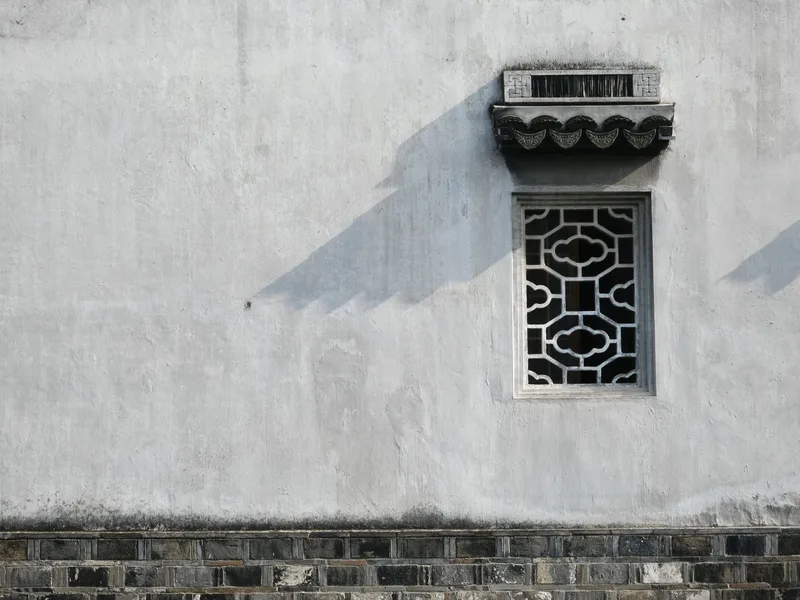
The base of the outside wall
The base of the outside wall is close to open ground and moisture wicks up from the surrounding earth. The residual band must extend deep to block the insect pathways rising from the damp soil around the foundation.

Gaps and openings
Openings are few in a newly built home but the open land around it creates many entry routes. Monitoring points are spread around every outside wall where ground meets concrete.
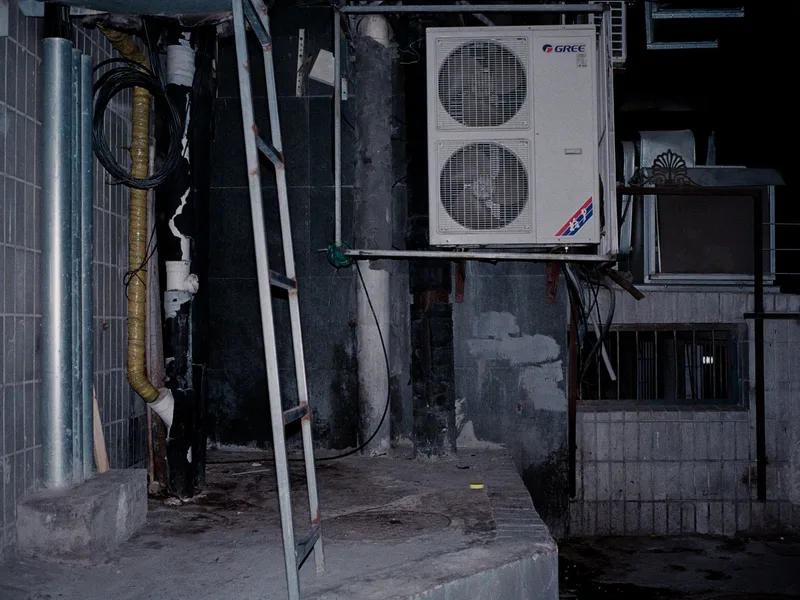
Air conditioning condensate
Air conditioning condensate drains onto the outside ground and pools easily after rain. The drainage must move water away from the foundation base, not allow it to accumulate near the wall.
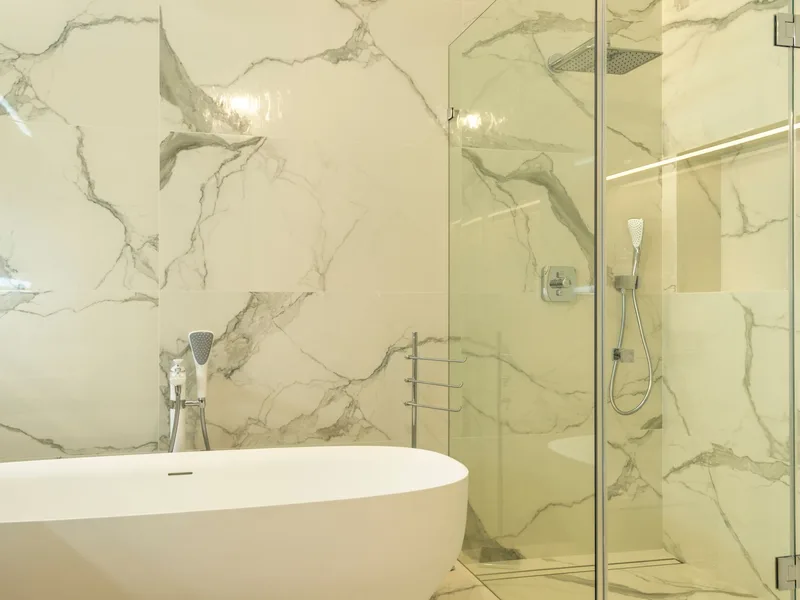
Floor drains
Indoor floor drains are few in this area but ground water drains slowly after rain. Moisture beneath the home may linger for weeks and water-loving insects are drawn to it strongly.
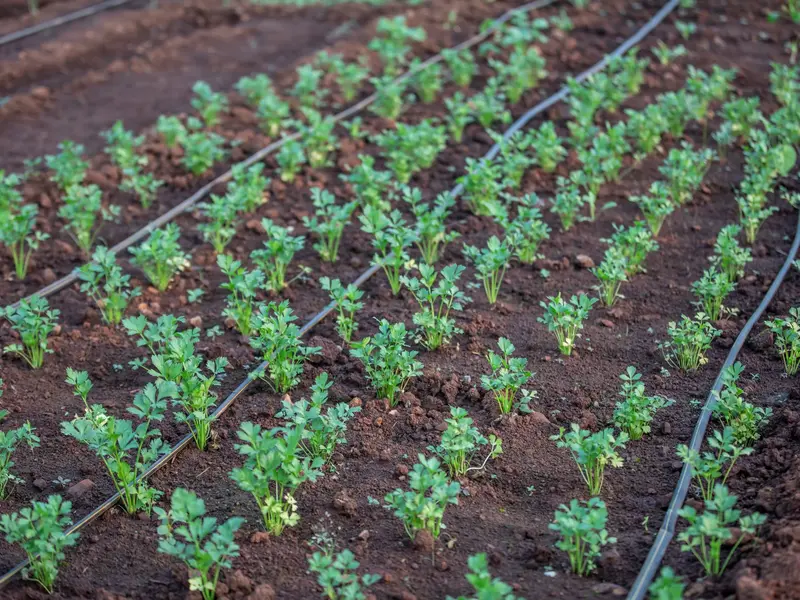
Irrigation against the wall
Irrigation against the wall is rare in Thaniyah but some homes have small gardens. Water from irrigation must be directed away from the outside wall, never allowed to pool or run towards the foundation.
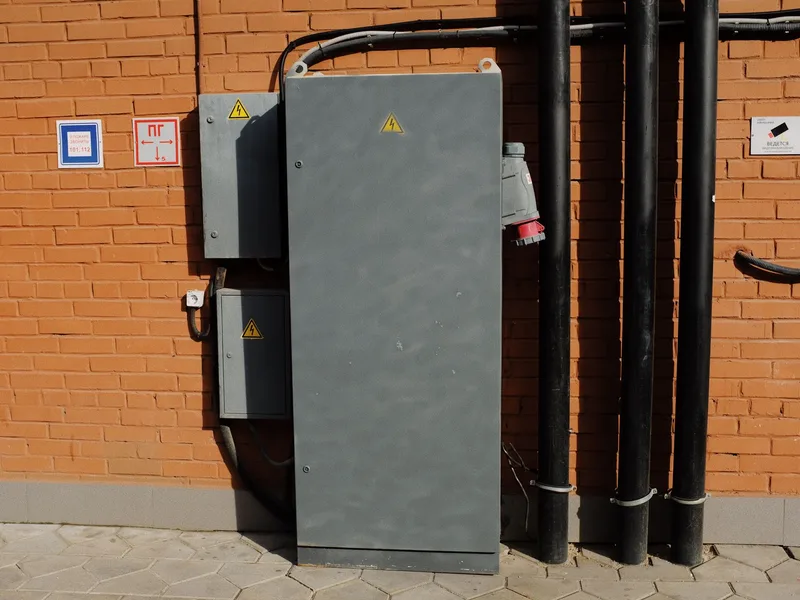
The monitoring points
Monitoring points are placed on the outer foundations and corners of the house and inside on the main rooms. Each point records activity and the visits follow what the points show, not a fixed schedule.
How we work
-
1
The baseline survey
We walk the outside boundary and then the inside: gaps under doors, pipe runs, vents, condensate lines, drains, the bin area and the store, and we fix the monitoring points before anything is applied.
-
2
Close the routes
Mesh on the vents, the gap under the door dealt with, the sleeve around a pipe run closed, and water put back into the drain nobody uses. Exclusion saves a spray that would otherwise repeat forever.
-
3
The band and the placed product
A residual band at the base of the wall outside and around door and window openings, with placed product inside joints and closed voids where it is warranted, and no open spray across living surfaces.
-
4
The scheduled visit: read, renew, record
We read the points to see which side is under pressure, renew the band where sun or irrigation has taken it, aim the visit at what the coming season opens up, and write down what was found and what was used.
What the preventive programme includes
-

A survey, then a check every visit
Entry points, moisture sources and storage, recorded before anything is applied and revisited each time.
-

Monitoring points that get read
At the wall and floor junction, under sinks and in the store, checked on every visit rather than only the last one.
-

A renewed exterior band
At the wall base and around the openings, put back wherever sun or irrigation took it between visits.
-

Drains, water lines and waste
The water seal in the drains, the condensate line and the ground around the bins, which are the standing water and food sources.
-

Between the visits
What to keep dry, what to keep closed, and what is worth a call before the next date. Ventilation we tell you before the visit.
-

A scheduled visit and a record of each
An agreed date, what the points held, what was treated, and what changed since last time.
Landmarks of Thaniyah
Thaniyah lies north of the Makkah to Taif Expressway between Uhud and Al Hatim, with Wadi Mudarraja flowing nearby. Visits arrive from the expressway and focus on protecting the home from insects that enter from the wadi and the ravines that feed it.
- Makkah to Taif Expressway
- Wadi Mudarraja
- Abid Al Qurashi Hamlet
Questions about this district
My home is close to Wadi Mudarraja which floods every winter. Does that increase the pressure?
Yes, greatly. The wadi carries insects and rodents down from the higher slopes and every flood brings new activity. The programme reads the monitoring points after heavy rain to determine whether an extra preventive visit is needed immediately.
The ground around my home is open and there are no near neighbours. Does that lower the pressure?
Yes, pressure is lower than in dense districts. But open land around your home means every insect enters directly from nature rather than from neighbouring homes. You share the pressure with no one else.
The ravines behind my home run with water in winter. Do they bring insects to the house?
Yes. The ravines carry insects and rodents down from the upper slopes and water accelerates them towards nearby homes. The monitoring points detect any spike in activity in the weeks after flooding.
The house is new and building is finished but the land around it is still bare. Can we start the programme now?
Yes, start now. Bare land around the home raises pressure slightly but the outside band and the internal monitoring points protect the house from day one. Finishing the landscaping later will not change the programme.
Abid Al Qurashi hamlet is near us. Will the residents and animals there increase pressure on my home?
Small hamlets nearby may raise pressure slightly from foot traffic and grazing animals but the effect is minor. The programme reads the monitoring points and responds to what it actually detects, not to proximity alone.
In summer the humidity is very low and insects are rare. Do I really need the programme in summer?
Yes. Summer is dry and pressure is lowest then but winter and spring bring rain and flooding. The programme increases visits in the damp months and reduces them in the dry season, following what the monitoring points show.
How much does preventive treatment in Thaniyah cost?
It is set after the inspection, because the price follows the type of infestation, the size of the space, how far it has spread and the number of visits it needs. Send a photo and a description on WhatsApp and we will give you an estimate before we reach Thaniyah.
Other services in Thaniyah
Other services we provide to residents of Thaniyah.
-
 Residential
Cockroach control
-
 Residential
Bed bug control
-
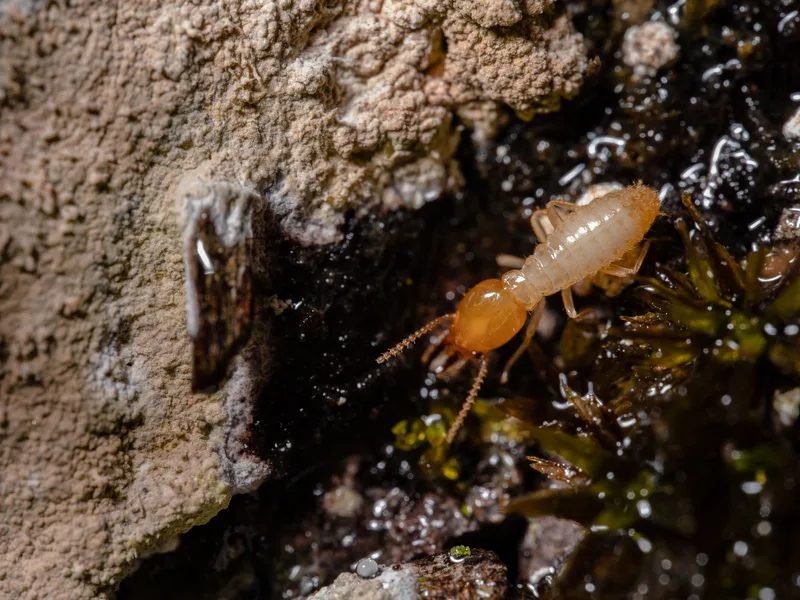 Residential
Termite control
-
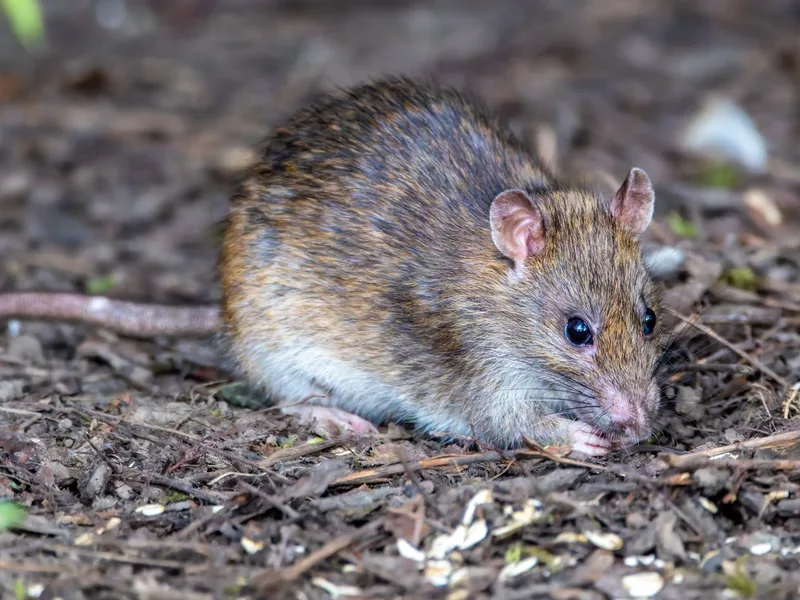 Residential
Rodents and mice
Need preventive treatment in Thaniyah? Tell us what you saw and we will tell you what it needs
We reach Thaniyah at a time we agree, and you get the full cost before we start.