
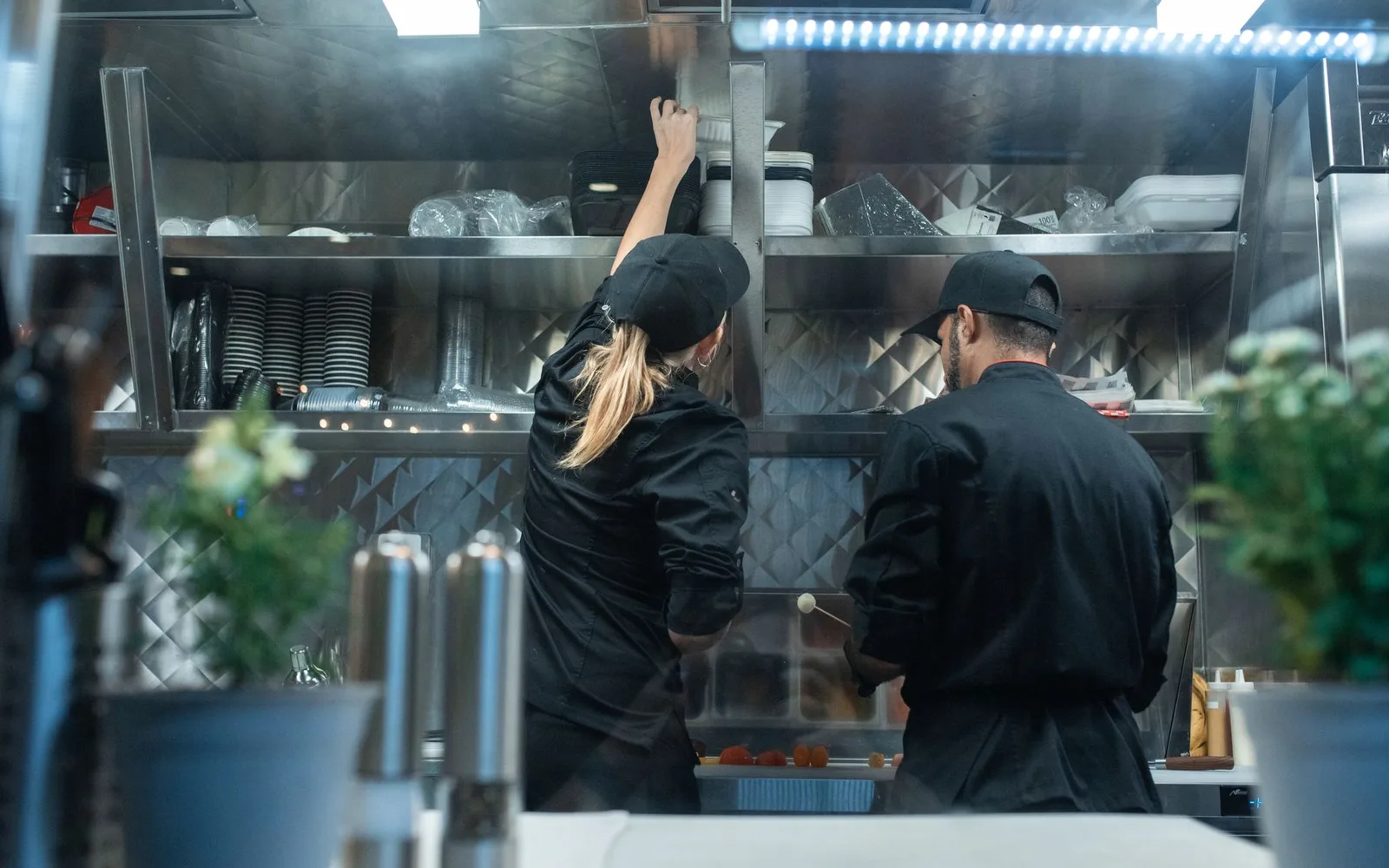
Restaurants and cafes in Al Rawdah Makkah
Al Rawdah sits between Jabal Abu Qubais and King Fahd Road, a cluster of hotels and seasonal pilgrim housing that grows denser with each year as old family houses give way to tall apartment blocks. Multiple restaurants and kitchens sit stacked in the same building, and seasonal pilgrim influxes create intense pressure on storage, waste handling and food flow. Standard monthly programmes cannot track this volume or respond to the sudden spikes that come when a hotel fills within days.
-
Targeted, not broadcast
Product goes into cracks and runways, never sprayed across open surfaces.
-
Told before we start
What we will use, where it goes, and what to cover or move before we arrive.
-
A follow-up visit
We return after the first treatment, because what survives it does not show on the day.
-
Homes and businesses
Apartments and villas, and kitchens and stores that need a record of each visit.
Why they keep coming back in Al Rawdah
Restaurants in Al Rawdah report sudden cockroach and fly explosions at the start of each season, before the regular programme has time to respond, and severe infestations appear rapidly in the concentrated environment. The method is set out in full on the full Restaurants and cafes page.
Seasonal accommodation turns over guests and waste in days
Hotels and apartment blocks fill with thousands of pilgrims in days and empty just as fast. Food and waste arrive in bulk and accumulate faster than normal waste systems handle. A fixed monthly programme cannot track this seasonal pressure. Intensive pre-season treatment and increased monitoring during occupation peaks are essential.
Modern tall buildings stack restaurants across many floors
New apartment buildings pack restaurants and cafes across multiple levels, and the shared services of lifts, corridors and stairs connect infestations vertically. Treating one restaurant achieves nothing if the shared circulation routes and the restaurants above and below are infested. Treatment must reach the whole building, not just one tenant.
Sacred location imposes cleaning rigour but seasonal chaos overrides it
The proximity to the Grand Mosque demands visible cleanliness, but the seasonal pressure and rapid food turnover create gaps in storage security and prep discipline. Chemical treatment must reinforce manual hygiene and interrupt insect breeding cycles that would otherwise spin up during the rush.
Al Rawdah on the map
Al Rawdah sits about 1 km from Al Maabdah and about 1.5 km from Al Jumayzah.
Open in Google MapsThe places that decide the programme
The location is minutes from the Grand Mosque itself, which means guest and food movement is rapid and dense. Seasonal peaks compress months of normal supply and demand into weeks, creating exceptional strain on every receiving, storage and refuse system in the building.
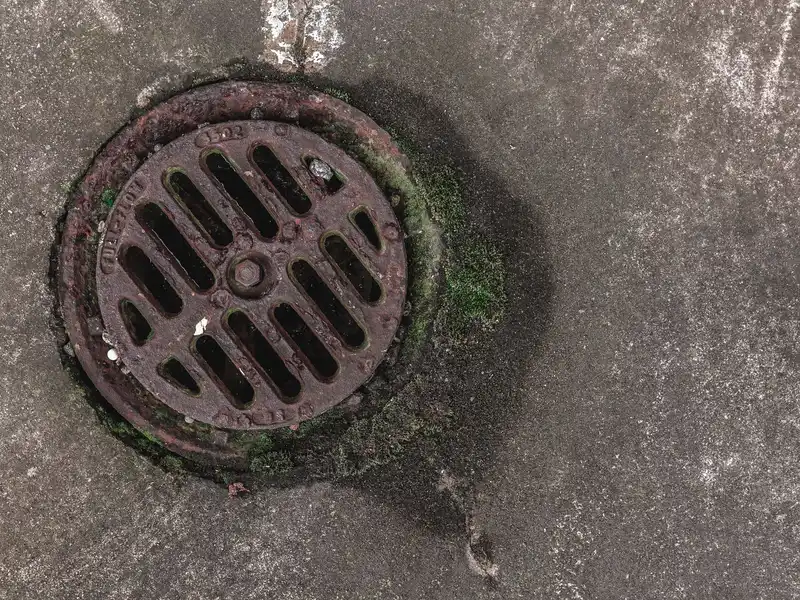
Gullies and the grease trap
Gullies in modern buildings handle large volumes and require frequent unblocking because grease and organic matter accumulate rapidly under heavy kitchen load. Monthly clearing is essential during occupied periods.
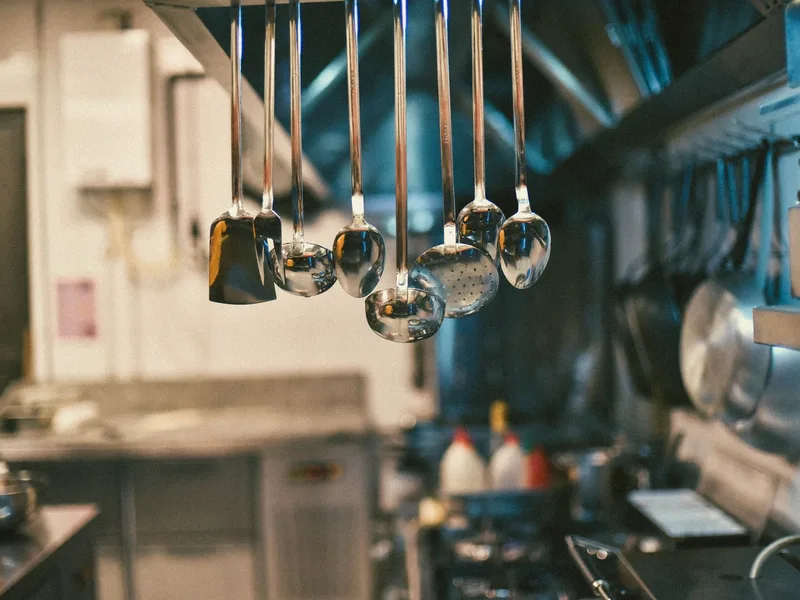
The cooking line and plinths
Multi floor cooking operations share exhaust ducts and vents, and insects travel between kitchens through these shafts. Treatment of vent openings and the gaps around risers is essential.
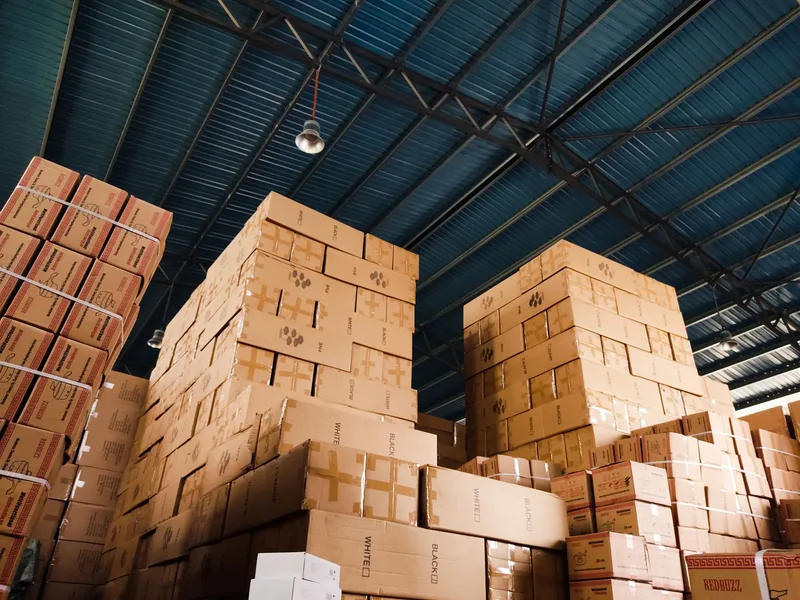
Cardboard at goods inwards
Cardboard at goods inwards arrives in huge batches during peak seasons and is stacked quickly without inspection. A rapid check of each delivery and isolation of any suspect boxes prevents infested stock entering the kitchen.
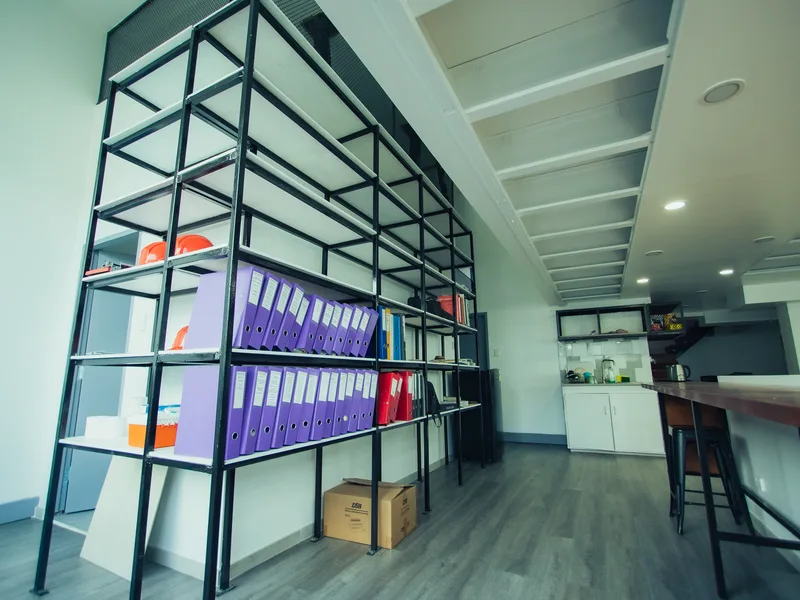
Dry store shelving
Dry storage shelves fill and empty rapidly under seasonal demand, and insects use this churn to hide and lay eggs. Strict rotation discipline and weekly inspection of the shelves themselves cuts this refuge.
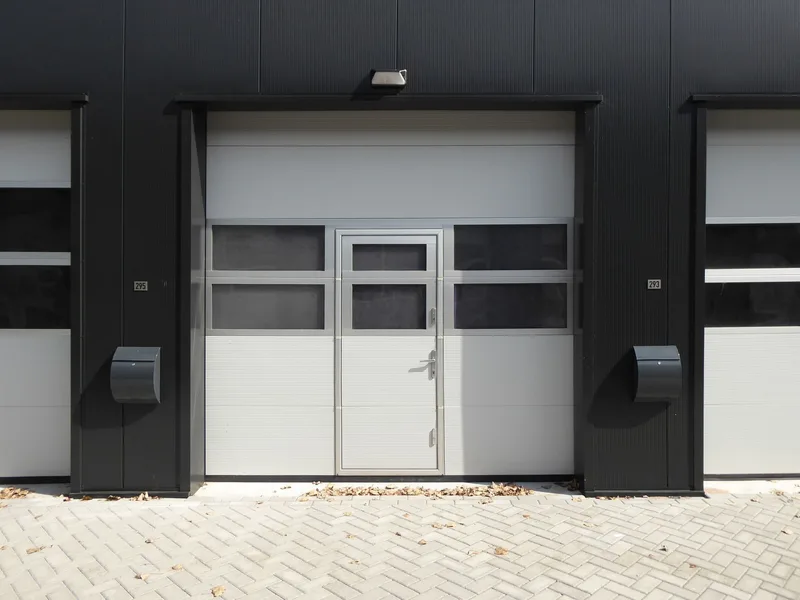
The back service door
The back service door in modern blocks opens onto shared corridors, lifts and stairwells, and frequent waste removal creates repeated insect attraction points. Automatic closure and daily inspection are essential.
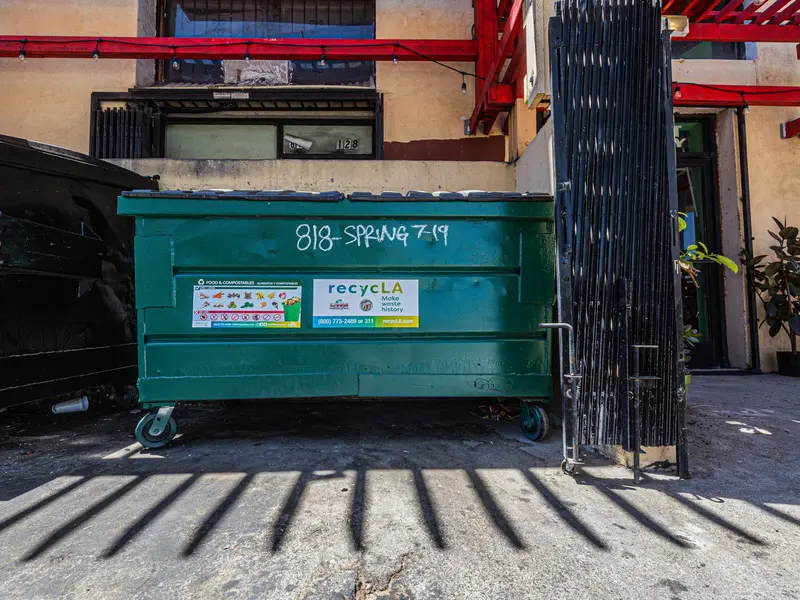
The bin area
The bin area is centralised in modern buildings and handles enormous waste volumes. Daily pooling water and spillage create ideal conditions. Daily emptying, tight covers and humidity control are critical.
How we work
-
1
Survey and site plan
We follow the food route from delivery to waste, establish which species are present and where the moisture is, and mark the station positions on a plan of the kitchen and the store.
-
2
Install numbered monitoring points
Sealed, numbered stations in fixed positions, read in the same order every visit so the file shows a trend rather than an impression.
-
3
Treatment outside service hours
Gel bait into joints and voids, foam into the gullies and the grease trap, and nothing applied to preparation surfaces, with equipment covered and surfaces wiped down before service resumes.
-
4
Scheduled visits and the site file
Every visit reads the stations and records what was found, the corrective action needed, who owns it and by when, and the file stays on site to be shown at an inspection.
What a restaurant programme includes
-

Opening survey and site plan
Species, entry points and moisture sources, with a plan showing where every station sits.
-

Sealed, numbered stations
Bait held inside closed stations in food areas, never open product near preparation or storage.
-

Gully and grease trap treatment
Foam that contacts the pipe wall where small flies breed, which is the step most contracts skip.
-

Targeted application after closing
Into joints, voids and the store perimeter, at a time with no exposed food and no team in the kitchen.
-

Reopening instructions for the team
What to cover before, what to wipe after, and what not to wash so the treatment is not undone.
-

A visit report and a running log
Every station read, corrective actions with an owner and a date, and a continuous file to show at an inspection.
What is different about Al Maabdah Sub-Municipality
Al Maabdah sub municipality climbs from Al Abtah and Al Jumayzah beside the Al Mualla cemetery up through Al Khansa and Rai Adhakhir to Al Adl, Jabal Al Nour, Wadi Jaleel and Qurtubah on the outer ring roads. It mixes hotels and pilgrim housing near the Grand Mosque with old popular houses on hillside passes, new housing schemes on valley floors that carry flash floods after rain, and industrial plots, workshops and warehouses along Al Hajj Street in Qurtubah. Street widening and expropriation leave partly demolished frontages in Al Khansa.
Questions about this district
Hajj season starts soon. Is a standard monthly programme sufficient coverage?
No. A monthly schedule cannot keep pace with seasonal volume. We conduct intensive pre-season treatment and a full inspection, then increase frequency and monitoring throughout the season to match the elevated pressure.
The hotel is full of guests. Must we close the kitchen during treatment?
Treatment is carried out outside service hours and guest areas, overnight and during closed periods. The hotel and restaurants remain open, and the products are formulated as safe for occupied spaces.
Multiple restaurants in the same building create problems for each other, correct?
Correct. Shared corridors, lifts and plant access connect every unit vertically. A comprehensive programme covering all restaurants and shared zones is more effective than individual contracts that leave the connecting areas untreated.
We receive vast quantities of goods daily. How do we stop infested supplies?
Inspection at goods inwards is essential. We train your receiving staff to spot signs of infestation and isolate suspect boxes immediately. This stops insects entering the kitchen before unpacking.
Are corridors and shared areas covered by your programme?
Yes. Shared circulation, lifts, stairwells and voids between floors are treated because they are the highways for vertical spread. A complete programme must include all common areas.
When the season ends, do we scale back treatment or continue at the same level?
Post season we return to standard maintenance frequency, but we conduct a thorough final inspection to clear any hidden infestations before the quiet months, when problems can multiply unnoticed.
How much does restaurants and cafes in Al Rawdah cost?
It is set after the inspection, because the price follows the type of infestation, the size of the space, how far it has spread and the number of visits it needs. Send a photo and a description on WhatsApp and we will give you an estimate before we reach Al Rawdah.
Nearby districts we cover
Other services in Al Rawdah
Other services we provide to residents of Al Rawdah.
-
 Residential
Cockroach control
Residential
Cockroach control
-
 Residential
Bed bug control
Residential
Bed bug control
-
 Residential
Termite control
Residential
Termite control
-
 Residential
Rodents and mice
Residential
Rodents and mice
-
 Residential
Mosquito control
Residential
Mosquito control
-
 Residential
Fly control
Residential
Fly control
-
 Residential
Ant control
Residential
Ant control
-
 Residential
Gecko control
Residential
Gecko control
-
 Residential
Scorpion control
Residential
Scorpion control
-
 Residential
Snake control
Residential
Snake control
-
 Residential
Flea control
Residential
Flea control
-
 Residential
Bird and pigeon control
Residential
Bird and pigeon control
-
 Residential
Preventive treatment
Residential
Preventive treatment
-
 Residential
Disinfection
Residential
Disinfection
-
 Commercial
Annual contracts
Commercial
Annual contracts
-
 Commercial
Hotels and apartments
Commercial
Hotels and apartments
-
 Commercial
Warehouses and factories
Commercial
Warehouses and factories
-
 Commercial
Schools and nurseries
Commercial
Schools and nurseries
-
 Commercial
Retail and malls
Commercial
Retail and malls
-
 Commercial
Rest houses and farms
Commercial
Rest houses and farms
-
 Commercial
Fumigation
Commercial
Fumigation
-
 Water tanks
Water tank cleaning
Water tanks
Water tank cleaning
-
 Water tanks
Water tank sterilization
Water tanks
Water tank sterilization
-
 Water tanks
Water tank sealing
Water tanks
Water tank sealing
-
 Water tanks
Tank leak repair
Water tanks
Tank leak repair
Need restaurants and cafes in Al Rawdah? Tell us what you saw and we will tell you what it needs
We reach Al Rawdah at a time we agree, and you get the full cost before we start.