

Retail and malls in Al Maabdah Makkah
Al Maabdah is an established neighbourhood of Makkah, spreading across Wadi Ibrahim as high-rise apartment blocks that house commercial units on their ground floors and lower levels. Shops here sit inside shared building entrances, narrow corridors and stacked residential floors above. This fundamentally changes how we locate the source and secure each unit's boundaries against movement from the flats overhead and neighbouring shops.
-
Targeted, not broadcast
Product goes into cracks and runways, never sprayed across open surfaces.
-
Told before we start
What we will use, where it goes, and what to cover or move before we arrive.
-
A follow-up visit
We return after the first treatment, because what survives it does not show on the day.
-
Homes and businesses
Apartments and villas, and kitchens and stores that need a record of each visit.
Why they keep coming back in Al Maabdah
Shared building corridors and unified entrance halls trap humidity and limit airflow, making it simple for insects to move sideways between adjacent shops within the same building block. The method is set out in full on how we approach Retail and malls.
Shared stairwell and narrow corridor access
Shops in Al Maabdah do not open directly to the street; entry is through a shared stairwell and narrow corridor past other units. Treatment does not begin at the shop door but at stairwell entry points. Every flat above contributes direct pressure on your door seal, and every resident change introduces new risk.
Continuous water seepage from floors above
Flats and hotels stacked over shops in apartment blocks mean water constantly descends through ceilings and shared walls. Cardboard in stockrooms damps within days, rear walls stay wet year round, and this wet environment suits insects whatever the season or weather pattern outside.
Shops adjoined with minimal separation between them
Your unit is divided from neighbouring shops by thin walls or lightweight partitions, and shared back corridors under the stairwell connect everything. If the adjacent unit has never been treated, insects move sideways into you within weeks. You need either dedicated storage or a physical barrier between you and them.
Al Maabdah on the map
Al Maabdah sits about 1 km from Al Rawdah and about 1.5 km from Al Jumayzah.
Open in Google MapsWhat decides the treatment in a shop
Residential apartment towers and hotels are densely distributed across Al Maabdah, meaning each shop is surrounded by constant foot traffic, multiple residential dwellers, and water ingress from stories above it.
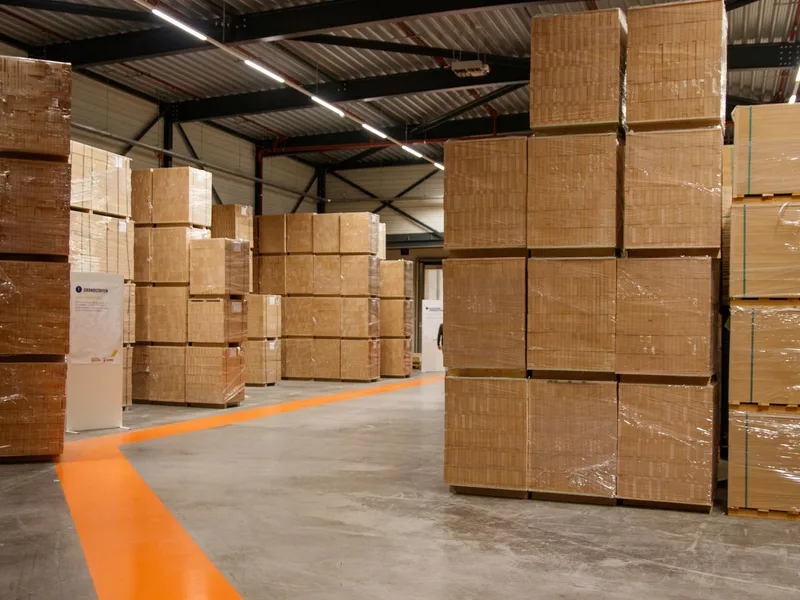
Cardboard in the stockroom
Cardboard under the stairwell dampens rapidly from seepage above and ground moisture below, creating ideal insect habitat and rapid reproduction, so we treat all stacked cardboard before storage and monitor it with placed traps.
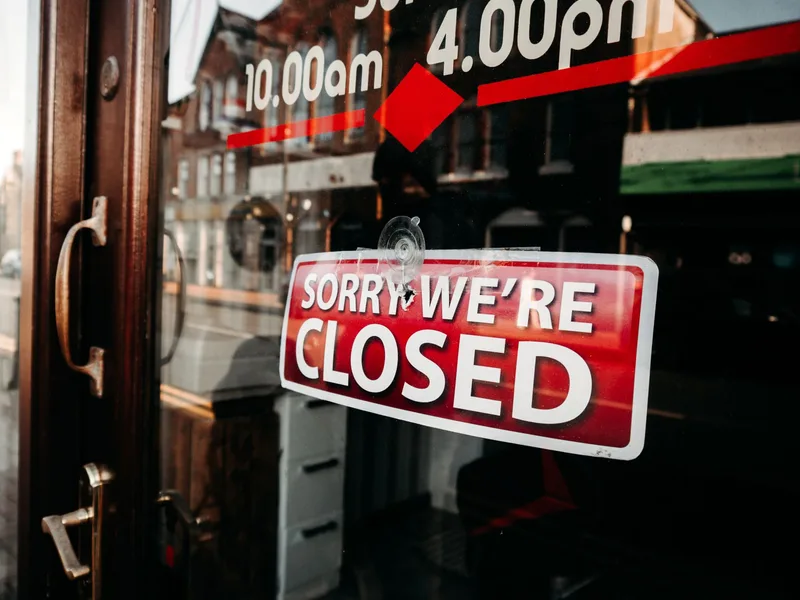
The frontage and the sliding door
The main door opens into the shared stairwell; foot traffic is constant and uncontrolled, so we harden the frame, sill and all gaps around it to intercept insects before they reach the sales floor.

What the shop sells
Shops in Al Maabdah may stock clothing, home goods or footwear; damp affects their preservation and longevity, so we prioritise space drying and moisture control above spray treatment of display racks.
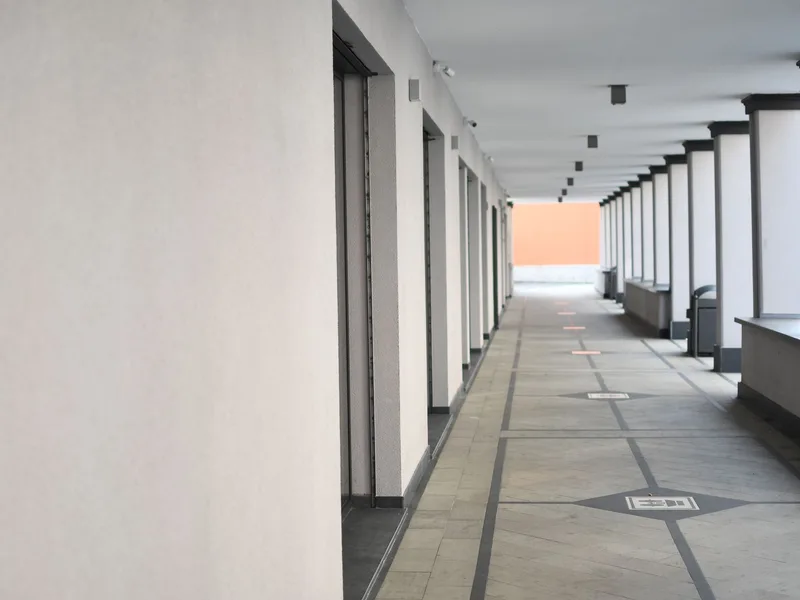
The shared back corridor
The shared back corridor houses stockrooms from other units and waste accumulates there, pulling insects from every shop, so we focus hard on your rear door boundary and coordinate with management on daily corridor clearing.
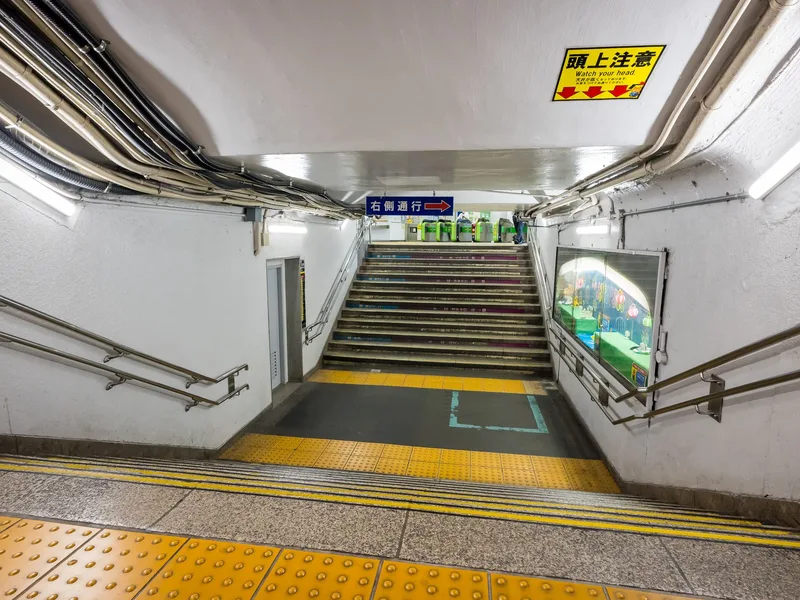
The ceiling void and the services
The suspended ceiling and services overhead allow water from the flat above to pool in concealed voids, creating damp pockets ideal for insect colonies, so we treat these voids thoroughly and place traps for regular monitoring.

Waste and board behind the shop
Waste and cardboard behind the shop in shared corridors may originate from other units as well, drawing insects from everywhere, so we harden your rear door and its seals and request daily corridor cleaning from building management.
How we work
-
1
An out-of-hours walk
We walk the floor, the stockroom, the fitting area, the back corridor and the waste route, and record what the shop sells, the delivery cycle and the boundary points with the neighbouring units before anything is applied.
-
2
Treat the stockroom and the goods route
Placed bait into racking uprights, junctions and cracks, dust into the dry voids, and nothing on merchandise or display faces.
-
3
Close the boundary of the unit
A sweep under the stockroom door, mesh on the vents and sealing at the service penetrations on the party wall, because exclusion does more to stop a return than repeating the spray.
-
4
Numbered points and a report each visit
Fixed positions on one route, read every visit and logged even when the reading is nil, with a report of what was found, what was treated and what the building needs closed, plus a copy for centre management when they ask for it.
What retail pest control includes
-

An out-of-hours inspection
A walk covering the floor, the stockroom, the back corridor and the delivery route, ending with the pest list this particular shop actually carries.
-

Bait and points on the goods route
In the stockroom, behind racking and along the goods-in route, out of any customer's reach and away from anything on sale.
-

Targeted crack and crevice work
On junctions, racking feet and the unit perimeter, never on stock, display surfaces or the open sales floor.
-

Drains and the waste area
The floor gullies in the back corridor, the ground around the containers and where the board is collected, because that is the source that renews daily.
-

Getting the shop back to trading
What gets covered before we start, what is wiped afterwards, and the ventilation time we set with you on the call, because it changes with the product and the space.
-

A follow-up visit and a written record
A set date after the first treatment, and a record carrying the date of each visit, the readings, and what was applied and where.
Landmarks of Al Maabdah
Al Maabdah spreads along Al Maabdah Street and Al Masjid Al Haram Road, very close to the Holy Capital Municipality headquarters and King Faisal Hospital. Treatment of your shop begins from your position within the building block on this street, then follows how that location and the daily movement patterns shape the insect pressure you face.
- Al Maabdah Street
- Al Masjid Al Haram Road
- Holy Capital Municipality
- King Faisal Hospital
- Al Saqqaf Palace
Questions about this district
The stockroom sits under the second-floor stairwell. Damp is severe?
Storage beneath shared stairs receives seepage from above and from ground leaks below. We first locate the pipe leak or weeping joint. Then we treat base corners, floor cracks, stacked cardboard and wall voids using methods that dry the space and block insect entry from all possible points.
My shop door opens beside the flat entrance upstairs. How do we seal boundaries?
A shared building entrance means insects move down the stair and into your shop with every door opening. We place numbered traps at your threshold, treat the frame and sill inside and out, and note to building management that the stairwell itself needs attention.
The flat above hosts transient visitors who change weekly. Does that raise pest pressure?
Tourist and hotel flats above shops mean constant turnover and inconsistent maintenance. Each new guest may arrive with insects in luggage. We increase trap reading frequency on the stairs and around your door and stockroom during high-turnover seasons.
This is a clothing shop. Damp marks are appearing on the stock. What is the fix?
Stock sensitivity to moisture means treatment focuses first on space drying, not spraying racks. We treat floor, walls and ceiling voids, then recommend ventilation fans in stockrooms. We focus on moisture-loving insects: silverfish, woodlice and termites rather than flying pests.
The shop closes two days per week. Stale humid air builds up. Do we increase visits?
Irregular closure traps stagnant air and pooled moisture inside damp walls. An unventilated closed shop is ideal habitat. We deepen treatment of corners, ceiling voids and plumbing, then leave trap stations for weekly reading rather than monthly cycles.
The shared back corridor fills with waste bags from every unit daily. Can we control it?
Building management is responsible for shared corridors first, but we focus on your boundary. We treat your rear door, seal cracks around it and corner gaps where debris settles. We request daily corridor clearing and drainage from management; otherwise this is a continuous fight, not a resolved problem.
How much does retail and malls in Al Maabdah cost?
It is set after the inspection, because the price follows the type of infestation, the size of the space, how far it has spread and the number of visits it needs. Send a photo and a description on WhatsApp and we will give you an estimate before we reach Al Maabdah.
Nearby districts we cover
Other services in Al Maabdah
Other services we provide to residents of Al Maabdah.
-
 Residential
Cockroach control
Residential
Cockroach control
-
 Residential
Bed bug control
Residential
Bed bug control
-
 Residential
Termite control
Residential
Termite control
-
 Residential
Rodents and mice
Residential
Rodents and mice
-
 Residential
Mosquito control
Residential
Mosquito control
-
 Residential
Fly control
Residential
Fly control
-
 Residential
Ant control
Residential
Ant control
-
 Residential
Gecko control
Residential
Gecko control
-
 Residential
Scorpion control
Residential
Scorpion control
-
 Residential
Snake control
Residential
Snake control
-
 Residential
Flea control
Residential
Flea control
-
 Residential
Bird and pigeon control
Residential
Bird and pigeon control
-
 Residential
Preventive treatment
Residential
Preventive treatment
-
 Residential
Disinfection
Residential
Disinfection
-
 Commercial
Annual contracts
Commercial
Annual contracts
-
 Commercial
Restaurants and cafes
Commercial
Restaurants and cafes
-
 Commercial
Hotels and apartments
Commercial
Hotels and apartments
-
 Commercial
Warehouses and factories
Commercial
Warehouses and factories
-
 Commercial
Schools and nurseries
Commercial
Schools and nurseries
-
 Commercial
Rest houses and farms
Commercial
Rest houses and farms
-
 Commercial
Fumigation
Commercial
Fumigation
-
 Water tanks
Water tank cleaning
Water tanks
Water tank cleaning
-
 Water tanks
Water tank sterilization
Water tanks
Water tank sterilization
-
 Water tanks
Water tank sealing
Water tanks
Water tank sealing
-
 Water tanks
Tank leak repair
Water tanks
Tank leak repair
Need retail and malls in Al Maabdah? Tell us what you saw and we will tell you what it needs
We reach Al Maabdah at a time we agree, and you get the full cost before we start.