

Retail and malls in Al Rawdah Makkah
Al Rawdah clusters hotels and pilgrim residences between King Fahd Road and the Al Faisaliyah tunnel, behind Jabal Abu Qubais and seconds from the Grand Mosque. Older houses are steadily replaced by tall seasonal blocks. Shops here serve pilgrims and tourists in massive seasonal waves. Demolition, street widening and heavy traffic on King Fahd Road, mixed with constant population turnover in the accommodation above, make this a wholly different retail problem.
-
Targeted, not broadcast
Product goes into cracks and runways, never sprayed across open surfaces.
-
Told before we start
What we will use, where it goes, and what to cover or move before we arrive.
-
A follow-up visit
We return after the first treatment, because what survives it does not show on the day.
-
Homes and businesses
Apartments and villas, and kitchens and stores that need a record of each visit.
Why they keep coming back in Al Rawdah
Insects arrive constantly with pilgrims, tourists and imported stock from the ports. The rapid population turnover means insects adapt to a new human population every week, so treatments need to reset quickly. The method is set out in full on our Retail and malls service.
Seasonal housing brings fresh insects with every guest turnover
The hotel and pilgrim housing above see complete occupant changeover weekly or monthly. Each new wave of guests may carry insects. The shop below lives under continuous re-infestation pressure with each tourist season or pilgrimage wave. What worked in one month fails in the next because the source population changed.
Heavy traffic on the main road brings constant contamination
King Fahd Road carries heavy truck and bus traffic. Tourist buses park nearby. Dust, dirt and food waste from vehicles drift onto the frontage and threshold constantly. Waste accumulates on the door and window ledges daily, feeding insects and blocking airflow.
Mixed old and new building stock creates unmanaged gaps
Old houses stand next to new towers. Demolition and street widening leave partial structures and irregular passages. Insects from demolished buildings move easily into the shop. Mixed old and new foundations create multiple and irregular entry routes.
Al Rawdah on the map
Al Rawdah sits about 1 km from Al Maabdah and about 1.5 km from Al Jumayzah.
Open in Google MapsWhat decides the treatment in a shop
Shops sit along King Fahd Road and near the Al Faisaliyah tunnel surrounded by tall hotels and seasonal housing blocks. Some neighbouring buildings stand partially demolished for street widening. The main road carries heavy truck and bus traffic, and the ground floor stays wet and exposed.
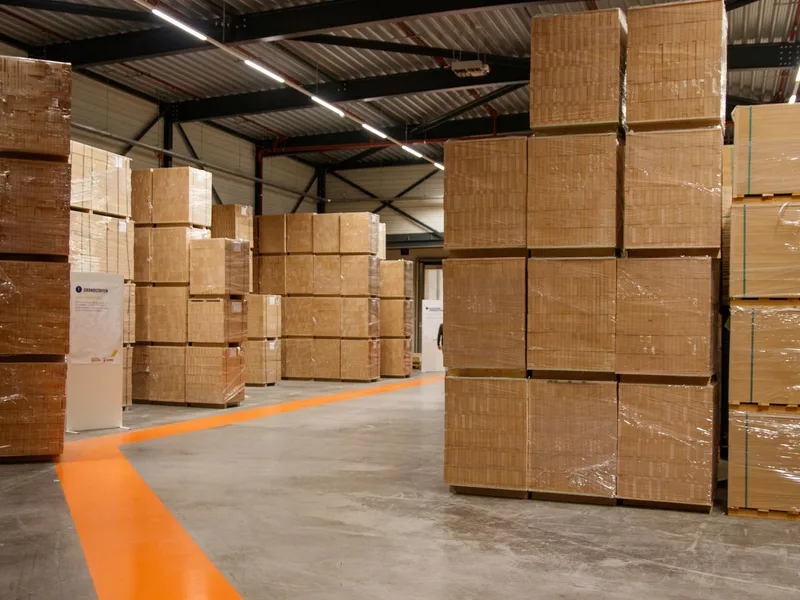
Cardboard in the stockroom
Cardboard from seasonal stock piles in the stockroom and corners, and imported goods may carry insects from the port or central warehouse in their packaging.
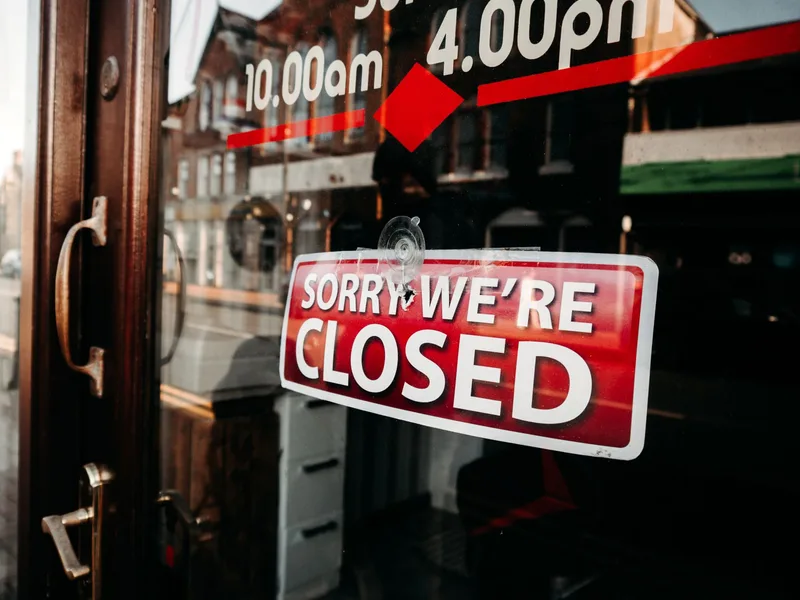
The frontage and the sliding door
The door facing the main road is exposed to continuous vehicle traffic, dust and debris, and a weak threshold lets water, mud and insects enter freely.

What the shop sells
Shops selling gifts, textiles and seasonal goods attract insects from heavy visitor footfall and food scraps that accumulate faster than in quieter locations.
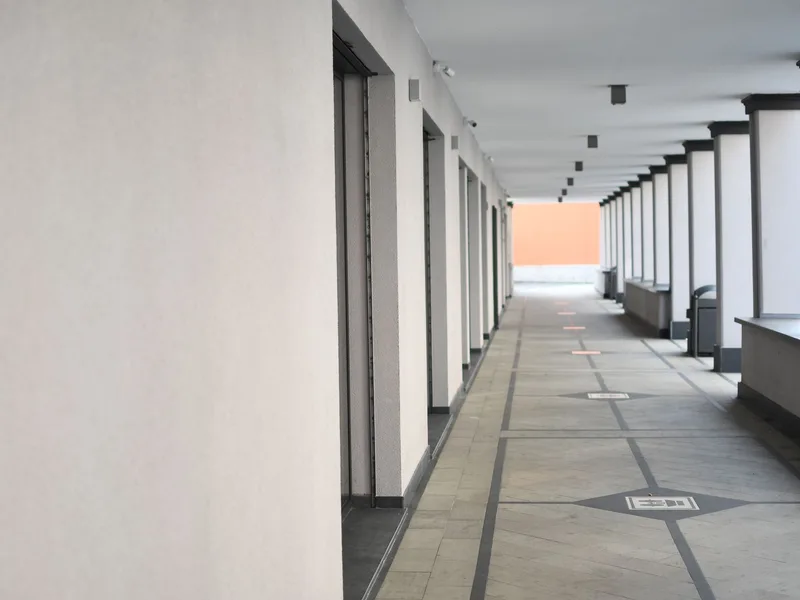
The shared back corridor
The back corridor may be shared with a partly demolished neighbouring building or one under repair, and may contain rubble and standing water from demolition.
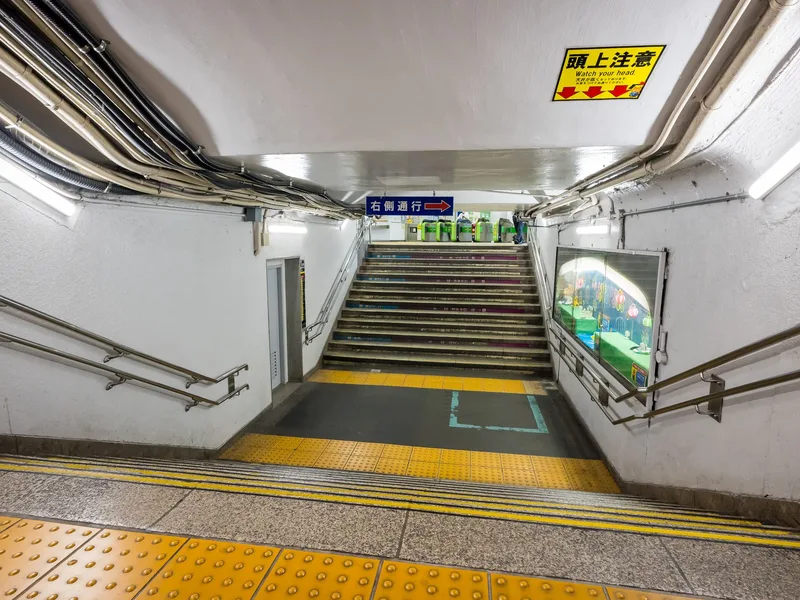
The ceiling void and the services
The ceiling may be damaged from nearby demolition and building works, and cracks and openings allow insects from the hotel above and adjoining structures.
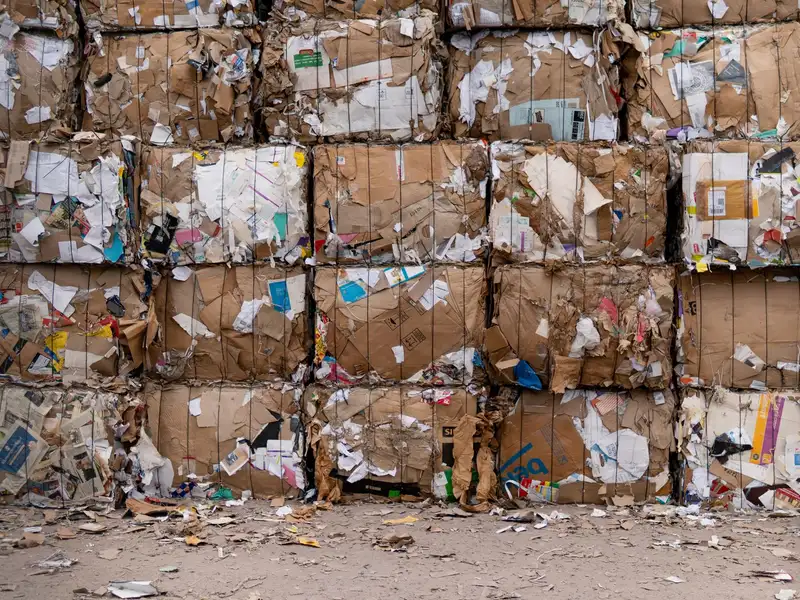
Waste and board behind the shop
Waste and board behind the shop accumulates rapidly from heavy daily traffic, and the back door may be close to an active demolition or construction site.
How we work
-
1
An out-of-hours walk
We walk the floor, the stockroom, the fitting area, the back corridor and the waste route, and record what the shop sells, the delivery cycle and the boundary points with the neighbouring units before anything is applied.
-
2
Treat the stockroom and the goods route
Placed bait into racking uprights, junctions and cracks, dust into the dry voids, and nothing on merchandise or display faces.
-
3
Close the boundary of the unit
A sweep under the stockroom door, mesh on the vents and sealing at the service penetrations on the party wall, because exclusion does more to stop a return than repeating the spray.
-
4
Numbered points and a report each visit
Fixed positions on one route, read every visit and logged even when the reading is nil, with a report of what was found, what was treated and what the building needs closed, plus a copy for centre management when they ask for it.
What retail pest control includes
-

An out-of-hours inspection
A walk covering the floor, the stockroom, the back corridor and the delivery route, ending with the pest list this particular shop actually carries.
-

Bait and points on the goods route
In the stockroom, behind racking and along the goods-in route, out of any customer's reach and away from anything on sale.
-

Targeted crack and crevice work
On junctions, racking feet and the unit perimeter, never on stock, display surfaces or the open sales floor.
-

Drains and the waste area
The floor gullies in the back corridor, the ground around the containers and where the board is collected, because that is the source that renews daily.
-

Getting the shop back to trading
What gets covered before we start, what is wiped afterwards, and the ventilation time we set with you on the call, because it changes with the product and the space.
-

A follow-up visit and a written record
A set date after the first treatment, and a record carrying the date of each visit, the readings, and what was applied and where.
What is different about Al Maabdah Sub-Municipality
Al Maabdah sub municipality climbs from Al Abtah and Al Jumayzah beside the Al Mualla cemetery up through Al Khansa and Rai Adhakhir to Al Adl, Jabal Al Nour, Wadi Jaleel and Qurtubah on the outer ring roads. It mixes hotels and pilgrim housing near the Grand Mosque with old popular houses on hillside passes, new housing schemes on valley floors that carry flash floods after rain, and industrial plots, workshops and warehouses along Al Hajj Street in Qurtubah. Street widening and expropriation leave partly demolished frontages in Al Khansa.
Questions about this district
The hotel above changes guests every week. Should we coordinate with them or focus only on our shop?
Focus on your shop. The hotel has its own management, but re-infestation will come from it. We seal your ceiling, seal penetrations and the stockroom. We do not control the hotel.
The road is choked with buses and trucks and dust clouds. How do we defend the door?
The door and threshold are critical. We raise the threshold, seal gaps around the frame, and use dry bedding instead of water. Daily cleaning of the door and frontage from dust is essential.
The building next door is partially demolished for road widening. Does that affect our shop?
Yes. Partially demolished buildings shelter insects and rodents. We focus on the shared wall and seal every opening in the wall facing the ruined building.
Water and mud flood the shop with every rainstorm. What is the fix?
The weak threshold is the problem. We raise the floor slightly or install a water barrier at the door. We inspect the drainage and pipes under the floor.
Imported stock from the ports may carry insects. How do we screen goods as they arrive?
Inspect stock before entry and discard the outer carton in the street. We focus on treating the stockroom and isolating it from the sales floor.
Noise, movement and crowds mean insects are not afraid of people, right?
Yes. Insects in crowded conditions are less fearful. This demands more intense monitoring and rapid response. General spraying may fail because foot traffic is constant.
How much does retail and malls in Al Rawdah cost?
It is set after the inspection, because the price follows the type of infestation, the size of the space, how far it has spread and the number of visits it needs. Send a photo and a description on WhatsApp and we will give you an estimate before we reach Al Rawdah.
Nearby districts we cover
Other services in Al Rawdah
Other services we provide to residents of Al Rawdah.
-
 Residential
Cockroach control
Residential
Cockroach control
-
 Residential
Bed bug control
Residential
Bed bug control
-
 Residential
Termite control
Residential
Termite control
-
 Residential
Rodents and mice
Residential
Rodents and mice
-
 Residential
Mosquito control
Residential
Mosquito control
-
 Residential
Fly control
Residential
Fly control
-
 Residential
Ant control
Residential
Ant control
-
 Residential
Gecko control
Residential
Gecko control
-
 Residential
Scorpion control
Residential
Scorpion control
-
 Residential
Snake control
Residential
Snake control
-
 Residential
Flea control
Residential
Flea control
-
 Residential
Bird and pigeon control
Residential
Bird and pigeon control
-
 Residential
Preventive treatment
Residential
Preventive treatment
-
 Residential
Disinfection
Residential
Disinfection
-
 Commercial
Annual contracts
Commercial
Annual contracts
-
 Commercial
Restaurants and cafes
Commercial
Restaurants and cafes
-
 Commercial
Hotels and apartments
Commercial
Hotels and apartments
-
 Commercial
Warehouses and factories
Commercial
Warehouses and factories
-
 Commercial
Schools and nurseries
Commercial
Schools and nurseries
-
 Commercial
Rest houses and farms
Commercial
Rest houses and farms
-
 Commercial
Fumigation
Commercial
Fumigation
-
 Water tanks
Water tank cleaning
Water tanks
Water tank cleaning
-
 Water tanks
Water tank sterilization
Water tanks
Water tank sterilization
-
 Water tanks
Water tank sealing
Water tanks
Water tank sealing
-
 Water tanks
Tank leak repair
Water tanks
Tank leak repair
Need retail and malls in Al Rawdah? Tell us what you saw and we will tell you what it needs
We reach Al Rawdah at a time we agree, and you get the full cost before we start.