

Retail and malls in South Obhur Jeddah
South Obhur is a coastal strip on Obhur Creek with villas, resorts, chalets, rest houses and seasonal hotels. Shops here serve tourists and the migrant seasonal residents. Year-round high humidity and salt-laden air keep timber and render perpetually damp. Standing irrigation water feeds mosquitoes and ants continuously. This is a fundamentally different battle than inland retail.
-
Targeted, not broadcast
Product goes into cracks and runways, never sprayed across open surfaces.
-
Told before we start
What we will use, where it goes, and what to cover or move before we arrive.
-
A follow-up visit
We return after the first treatment, because what survives it does not show on the day.
-
Homes and businesses
Apartments and villas, and kitchens and stores that need a record of each visit.
Why they keep coming back in South Obhur
Sea moisture, salt wind and daily watering mean insects stay active all year. Mosquitoes and ants are drawn to standing water and sewage overflow more than food. Cockroaches breed faster in humid air and never enter seasonal dormancy. The method is set out in full on what Retail and malls involves.
Coastal humidity keeps insects active all year, never dormant
Salt air and high moisture create an ideal environment for insects year-round. Cockroaches do not enter the seasonal slowdown they show inland. Mosquitoes and ants breed rapidly around the gardens, standing water and sewage lines. Treatment is continuous work because the conditions never improve.
Irrigated gardens and lawns are feeding and breeding grounds
The corniche and villa plots hold dense gardens and lawns watered daily. This continuous moisture and rich vegetation makes the shop part of a broad insect ecosystem, not an isolated unit. Every puddle, every lawn and every plant bed within fifty metres feeds the insects targeting the shop.
Closed chalets and rest houses breed insects between seasons
When seasonal chalets and resort units stand empty for weeks or months, insects and rodents settle freely. When the units reopen, insects spread into adjoining shops, passages and restaurants. A closed building beside a shop is a time bomb.
Landmarks of South Obhur
Shops along South Obhur Corniche and King Abdulaziz Road are scattered among villas and resorts. We locate each shop using the corniche and the creek as reference points because the units are spread across long distances with few clear street numbers.
- Obhur Creek
- South Obhur Corniche
- King Abdulaziz Road
- Madinah Road
- Hibat Al Rahman Mosque
What decides the treatment in a shop
Shops are scattered along South Obhur Corniche, King Abdulaziz Road and Madinah Road. Humidity is very high. Buildings, new and old alike, hold localised damp zones. Nearby gardens and lawns are irrigated daily and support a year-round insect population.
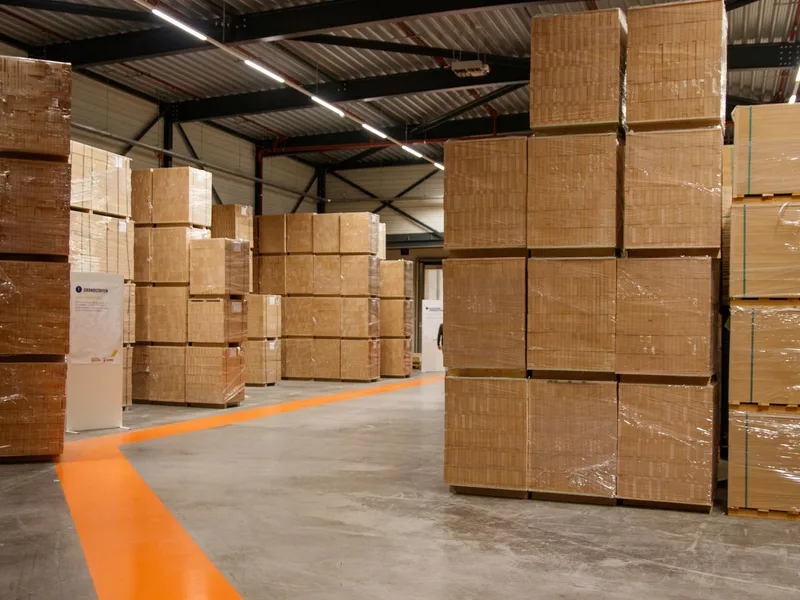
Cardboard in the stockroom
Cardboard in the stockroom absorbs sea moisture directly, and the damp zone around the boxes provides an ideal breeding ground for cockroaches and moisture-loving insects.
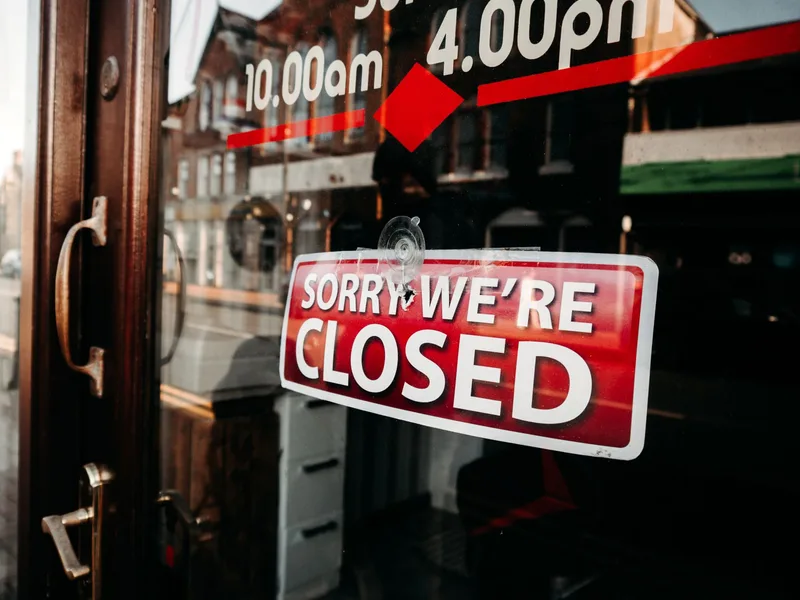
The frontage and the sliding door
The door and threshold are exposed to constant humidity and salt spray, and erosion cracks offer a direct path for insects from outside and the waterlogged passage.

What the shop sells
Shops selling food, beverages and seasonal goods attract mosquitoes, flies and ants more than cockroaches in a coastal setting because standing water is their primary driver.
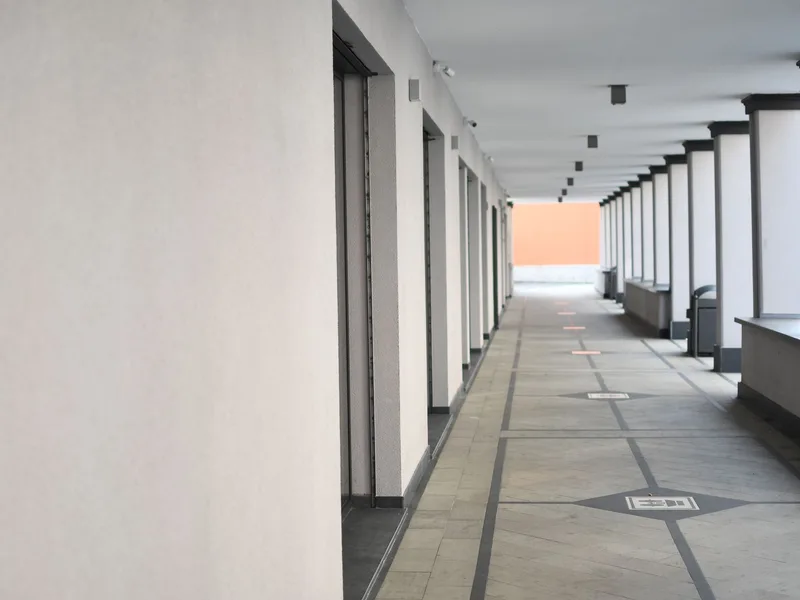
The shared back corridor
The shared back corridor is always wet from sewage, moisture and water dripping from air conditioning units, providing an ideal breeding zone for aquatic insects and midges.
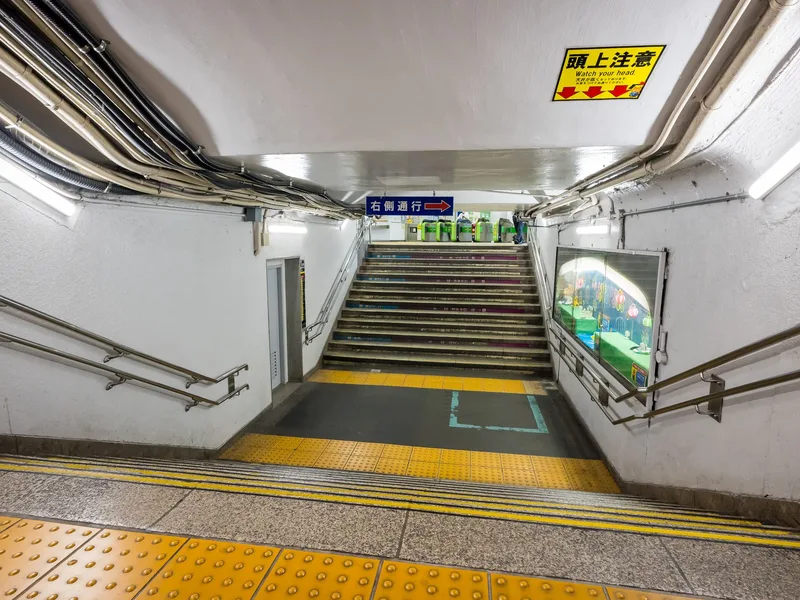
The ceiling void and the services
The suspended ceiling collects salt moisture, marine spray and silt, and wet insulation causes mould growth and insect nesting inside the ceiling void.
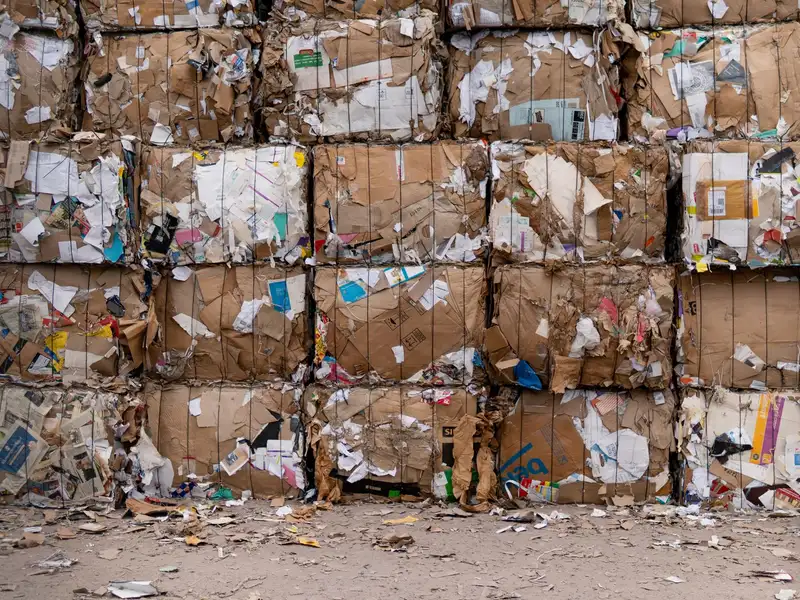
Waste and board behind the shop
Waste and board behind the shop absorb moisture rapidly and standing water attracts mosquitoes and ants. Wet cardboard breaks down quickly and leaves voids where insects shelter.
How we work
-
1
An out-of-hours walk
We walk the floor, the stockroom, the fitting area, the back corridor and the waste route, and record what the shop sells, the delivery cycle and the boundary points with the neighbouring units before anything is applied.
-
2
Treat the stockroom and the goods route
Placed bait into racking uprights, junctions and cracks, dust into the dry voids, and nothing on merchandise or display faces.
-
3
Close the boundary of the unit
A sweep under the stockroom door, mesh on the vents and sealing at the service penetrations on the party wall, because exclusion does more to stop a return than repeating the spray.
-
4
Numbered points and a report each visit
Fixed positions on one route, read every visit and logged even when the reading is nil, with a report of what was found, what was treated and what the building needs closed, plus a copy for centre management when they ask for it.
What retail pest control includes
-

An out-of-hours inspection
A walk covering the floor, the stockroom, the back corridor and the delivery route, ending with the pest list this particular shop actually carries.
-

Bait and points on the goods route
In the stockroom, behind racking and along the goods-in route, out of any customer's reach and away from anything on sale.
-

Targeted crack and crevice work
On junctions, racking feet and the unit perimeter, never on stock, display surfaces or the open sales floor.
-

Drains and the waste area
The floor gullies in the back corridor, the ground around the containers and where the board is collected, because that is the source that renews daily.
-

Getting the shop back to trading
What gets covered before we start, what is wiped afterwards, and the ventilation time we set with you on the call, because it changes with the product and the space.
-

A follow-up visit and a written record
A set date after the first treatment, and a record carrying the date of each visit, the readings, and what was applied and where.
What is different about Obhur Sub-Municipality
Obhur sub-municipality runs along Jeddah's northern shoreline from Al Shati up to Obhur Creek. It mixes large villas and gated compounds with busy commercial spines of restaurants, cafes, markets and hotels. Sea humidity is high for most of the year and salt laden breezes keep timber and render damp, while irrigated gardens and lawns surround the corniche and the villa plots. Standing irrigation water, dense planting and food waste from the hospitality strip suit cockroaches, mosquitoes and ants, and the chalets and rest houses scattered along the creek stand empty for long spells, which lets insects and rodents settle undisturbed.
Questions about this district
Humidity is high in summer and winter alike. Is one treatment enough?
No. Year-round moisture demands continuous work. We focus on ventilation and drying first, then treatment. Regular monitoring is more important than a single strong application.
Gardens, trees and lawns surround the shop. Should we treat the outdoor area?
The grounds are managed separately by the resort or villa owner. We focus on protecting your shop from insects coming out of the garden, not on treating the garden itself.
A chalet next door stands empty most of the time and insects pour out. What do we do?
Empty chalets are a continuous insect source. We seal your door, windows and vents. We also coordinate with the resort management to treat closed units on a regular schedule.
The shop sits beside a restaurant and a cafe and humidity is very high. Are we outmatched?
Restaurants are a major source of insects and moisture. We focus on isolating your shop and sealing the shared wall. Insects from the restaurant enter from below and behind before they reach the wall.
The shared back corridor is wet and waterlogged all the time. Can we control it?
The passage holds sewage pipes and drains. Water and moisture there are permanent. Control is your back door, threshold and the seals around the pipes, not the passage itself.
Salt and wind are eating the paint and walls. Does that open doors for insects?
Yes. Eroded walls and cracks from salt corrosion offer easy entry. We inspect exterior walls, mortar joints and corners closely and treat every fissure.
How much does retail and malls in South Obhur cost?
It is set after the inspection, because the price follows the type of infestation, the size of the space, how far it has spread and the number of visits it needs. Send a photo and a description on WhatsApp and we will give you an estimate before we reach South Obhur.
Nearby districts we cover
Other services in South Obhur
Other services we provide to residents of South Obhur.
-
 Residential
Cockroach control
Residential
Cockroach control
-
 Residential
Bed bug control
Residential
Bed bug control
-
 Residential
Termite control
Residential
Termite control
-
 Residential
Rodents and mice
Residential
Rodents and mice
-
 Residential
Mosquito control
Residential
Mosquito control
-
 Residential
Fly control
Residential
Fly control
-
 Residential
Ant control
Residential
Ant control
-
 Residential
Gecko control
Residential
Gecko control
-
 Residential
Scorpion control
Residential
Scorpion control
-
 Residential
Snake control
Residential
Snake control
-
 Residential
Flea control
Residential
Flea control
-
 Residential
Bird and pigeon control
Residential
Bird and pigeon control
-
 Residential
Preventive treatment
Residential
Preventive treatment
-
 Residential
Disinfection
Residential
Disinfection
-
 Commercial
Annual contracts
Commercial
Annual contracts
-
 Commercial
Restaurants and cafes
Commercial
Restaurants and cafes
-
 Commercial
Hotels and apartments
Commercial
Hotels and apartments
-
 Commercial
Warehouses and factories
Commercial
Warehouses and factories
-
 Commercial
Schools and nurseries
Commercial
Schools and nurseries
-
 Commercial
Rest houses and farms
Commercial
Rest houses and farms
-
 Commercial
Fumigation
Commercial
Fumigation
-
 Water tanks
Water tank cleaning
Water tanks
Water tank cleaning
-
 Water tanks
Water tank sterilization
Water tanks
Water tank sterilization
-
 Water tanks
Water tank sealing
Water tanks
Water tank sealing
-
 Water tanks
Tank leak repair
Water tanks
Tank leak repair
Need retail and malls in South Obhur? Tell us what you saw and we will tell you what it needs
We reach South Obhur at a time we agree, and you get the full cost before we start.