

Retail and malls in West Al Baghdadiyah Jeddah
West Al Baghdadiyah sits on the Arbaeen Lagoon frontage, where salt air and high humidity are permanently woven into the atmosphere. Shops here face a different insect profile: cockroaches, mosquitoes and flying ants thrive here. Salt eats through metal and wood, so gaps in doors and walls widen every year, inviting insects in.
-
Targeted, not broadcast
Product goes into cracks and runways, never sprayed across open surfaces.
-
Told before we start
What we will use, where it goes, and what to cover or move before we arrive.
-
A follow-up visit
We return after the first treatment, because what survives it does not show on the day.
-
Homes and businesses
Apartments and villas, and kitchens and stores that need a record of each visit.
Why they keep coming back in West Al Baghdadiyah
Sea salt corrodes metal and timber rapidly. Windows, doors and conduits lose their seal far faster than anywhere inland, leaving fresh gaps for insects to explore every season. The method is set out in full on Retail and malls in detail.
Coastal humidity and an ideal breeding ground
Salt-laden damp air penetrates walls and footings. Interior humidity stays elevated even on dry days. This environment provides water to insects without them having to search for it. Cockroaches and flying ants thrive in humidity; their life cycle accelerates with moisture. Treatment has to manage this moisture or it will undo itself.
Salt corrosion of metal and timber
Windows, doors and metal conduits rust and lose their seal quickly. Wood swells in humidity then shrinks, leaving widening gaps behind. These gaps offer insects easy entry, and every year or two the seals need rechecking and repair. Constant resealing is part of the maintenance cost.
Stagnant water behind buildings and near the lagoon
Shops in West Al Baghdadiyah sit near the Arbaeen Lagoon. Water pooling behind the building or in front yards stays damp for weeks because salt slows evaporation. This aquatic environment is an ideal breeding ground for mosquitoes and aquatic insects.
The character of West Al Baghdadiyah
Coastal area: high humidity and salt air through the year
Coastal means insects are not visitors but permanent residents. The air, humidity and salt moisture cannot be stopped, but ventilation, drying and sealing can be managed. Treatment here is not eradication but management: reducing numbers to a tolerable level, not eliminating them entirely.
What decides the treatment in a shop
Shops occupy older mid-century buildings with foundations close to damp ground and stagnant coastal water. Seepage through ageing walls keeps the interior permanently damp, regardless of the season.
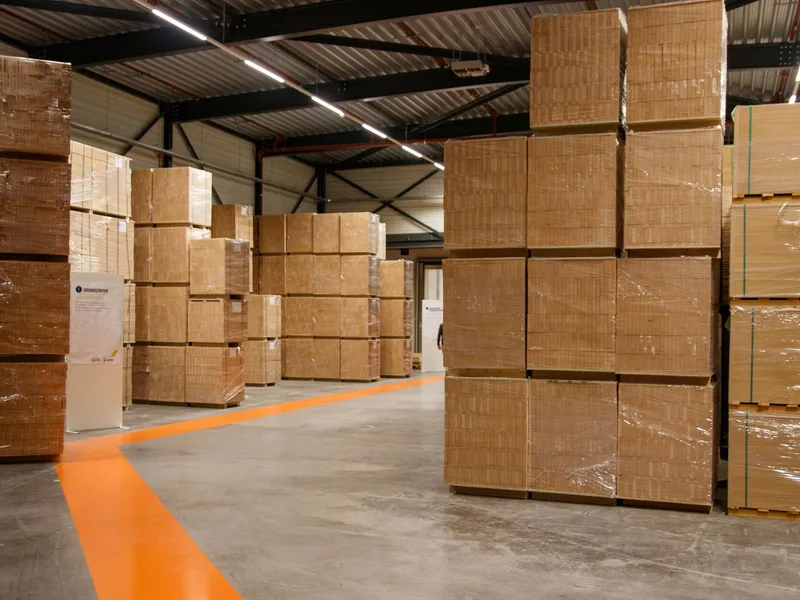
Cardboard in the stockroom
Cardboard stock absorbs salt moisture from the air rapidly, swells and becomes difficult to store efficiently. Insects use damp cardboard as shelter within the humidity they favour.
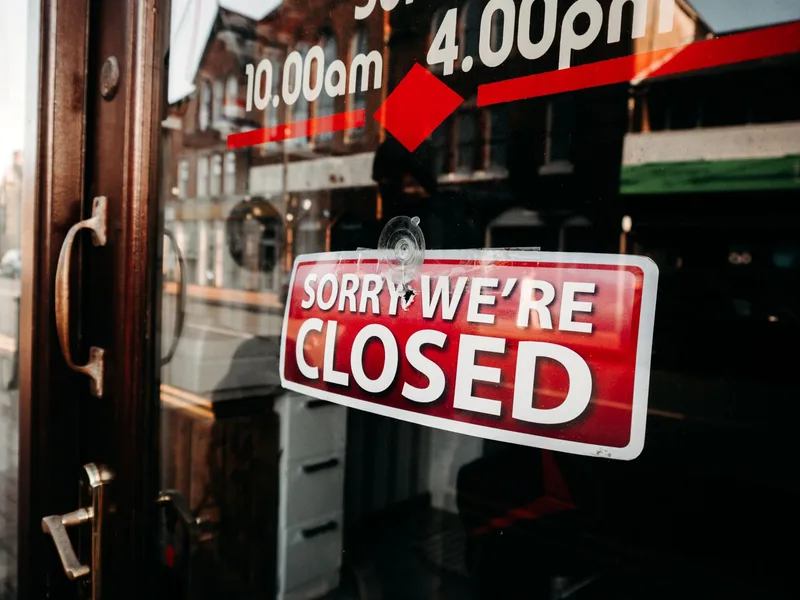
The frontage and the sliding door
The frontage and sliding door in West Al Baghdadiyah rust from salt exposure, and seals weaken quickly. Salt water runs down the door from rain and wind, leaving gaps around the frame as an open passage for insects.

What the shop sells
What the shop sells may matter less than the humidity itself. Even a clothing or electronics shop will attract insects for the moisture and water, not the merchandise.
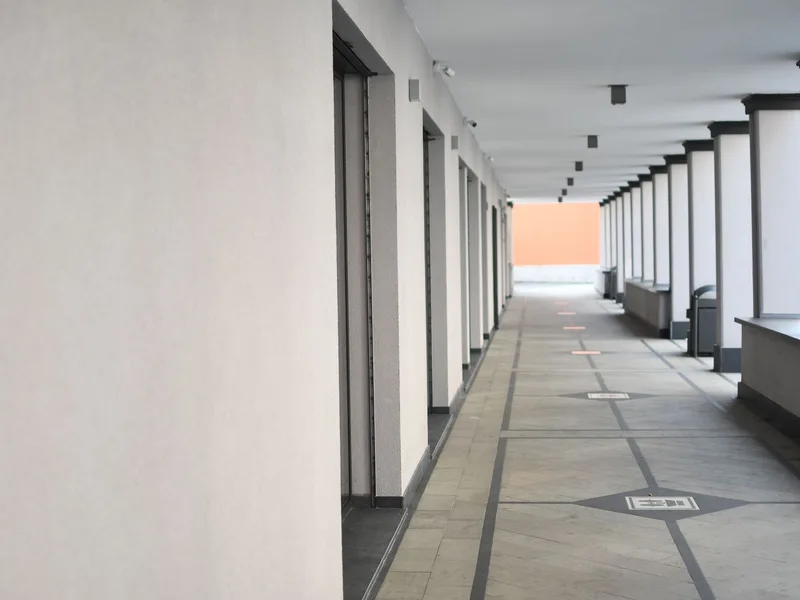
The shared back corridor
The shared back corridor in West Al Baghdadiyah can become a shallow pool in the rainy season, and pooled water offers a small breeding lake for mosquitoes. Responsibility for drainage is unclear.
The ceiling void and the services
The false ceiling likely stays damp from seepage and condensation, and mould grows there rapidly. The void becomes a swamp unsuitable for insects to shelter but perfect for micro-organisms they feed on.

Waste and board behind the shop
Cardboard and waste accumulate rapidly in the damp environment and stagnant water. Rapid decomposition and fungal growth attract insects and other pest species.
How we work
-
1
An out-of-hours walk
We walk the floor, the stockroom, the fitting area, the back corridor and the waste route, and record what the shop sells, the delivery cycle and the boundary points with the neighbouring units before anything is applied.
-
2
Treat the stockroom and the goods route
Placed bait into racking uprights, junctions and cracks, dust into the dry voids, and nothing on merchandise or display faces.
-
3
Close the boundary of the unit
A sweep under the stockroom door, mesh on the vents and sealing at the service penetrations on the party wall, because exclusion does more to stop a return than repeating the spray.
-
4
Numbered points and a report each visit
Fixed positions on one route, read every visit and logged even when the reading is nil, with a report of what was found, what was treated and what the building needs closed, plus a copy for centre management when they ask for it.
What retail pest control includes
-

An out-of-hours inspection
A walk covering the floor, the stockroom, the back corridor and the delivery route, ending with the pest list this particular shop actually carries.
-

Bait and points on the goods route
In the stockroom, behind racking and along the goods-in route, out of any customer's reach and away from anything on sale.
-

Targeted crack and crevice work
On junctions, racking feet and the unit perimeter, never on stock, display surfaces or the open sales floor.
-

Drains and the waste area
The floor gullies in the back corridor, the ground around the containers and where the board is collected, because that is the source that renews daily.
-

Getting the shop back to trading
What gets covered before we start, what is wiped afterwards, and the ventilation time we set with you on the call, because it changes with the product and the space.
-

A follow-up visit and a written record
A set date after the first treatment, and a record carrying the date of each visit, the readings, and what was applied and where.
Landmarks of West Al Baghdadiyah
Shops in West Al Baghdadiyah spread near Al Hamra Corniche and the Arbaeen Lagoon, a short distance from Madinah Road and Port Bridge Road. Coastal geography sets priorities: drying and ventilation first, then sealing against salt and moisture.
- Arbaeen Lagoon
- Al Hamra Corniche
- Madinah Road
- Port Bridge Road
- Al Juffali Mosque
Questions about this district
Does high coastal humidity increase insects compared to inland districts?
Yes, significantly. Cockroaches, mosquitoes and flying ants breed faster in humidity. Salty moisture in the air travels into the shop through gaps, creating an ideal environment for them. Treatment needs stronger focus on ventilation and drying.
Does salt corrosion of metal and wood open new gaps for insects?
Yes. Rust in windows, doors and metal corners weakens the seal. Wood swells and shrinks with humidity swings, creating gaps as it does. Treatment includes periodic inspection to reseal these points and slow the deterioration.
Does permanent dampness keep insects in the shop year round or do they move with seasons?
Year round. Stable humidity provides water and shelter permanently. There is no seasonal respite. Pressure peaks in hot humid summers, but the problem does not disappear in winter.
The Arbaeen Lagoon sits beside the shop. Is it a direct source of mosquitoes and insects?
Yes. The lagoon and stagnant water provide permanent breeding for mosquitoes and aquatic insects. Distance away reduces direct pressure slightly, but wind carries adult insects from the water to your shop at night.
The shop floor is old and water pools in the corners. Does this increase insects?
Yes. Old floors may slope unevenly, water pools and does not drain. This leaves permanent dampness under the shop. Cockroaches and insects shelter in moisture beneath old floors, and rising dampness from below cannot be stopped without treating the foundation.
Are coastal-area pesticides formulated differently from inland products?
The products are the same, but application differs. In West Al Baghdadiyah, focus shifts to drying, ventilation and sealing gaps. Moisture reduces the effectiveness of some products, so more frequent treatment becomes necessary.
How much does retail and malls in West Al Baghdadiyah cost?
It is set after the inspection, because the price follows the type of infestation, the size of the space, how far it has spread and the number of visits it needs. Send a photo and a description on WhatsApp and we will give you an estimate before we reach West Al Baghdadiyah.
Nearby districts we cover
Other services in West Al Baghdadiyah
Other services we provide to residents of West Al Baghdadiyah.
-
 Commercial
Annual contracts
-
 Commercial
Restaurants and cafes
-
 Commercial
Hotels and apartments
-
 Commercial
Warehouses and factories
Need retail and malls in West Al Baghdadiyah? Tell us what you saw and we will tell you what it needs
We reach West Al Baghdadiyah at a time we agree, and you get the full cost before we start.