
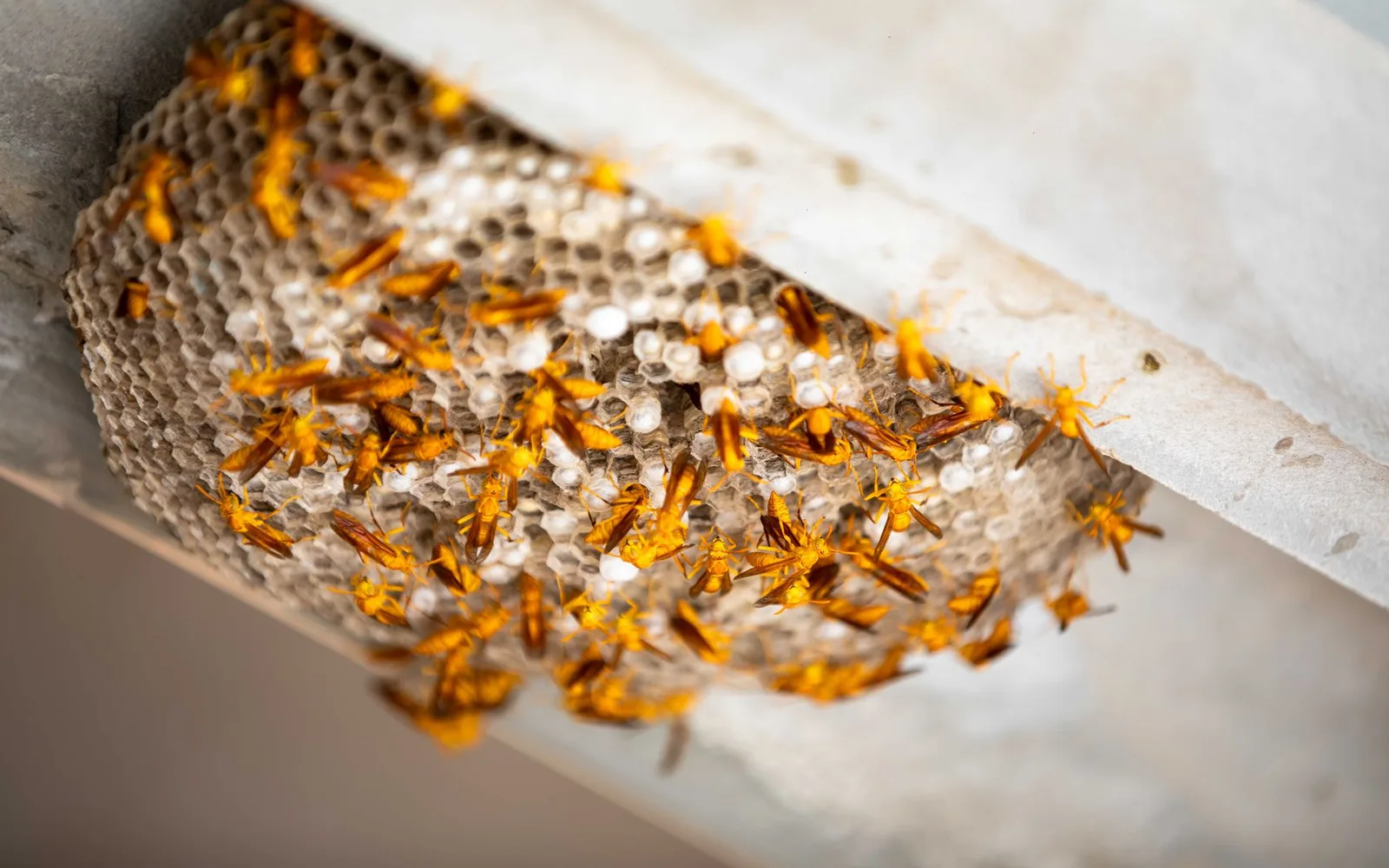
Schools and nurseries in Al Hajlah Makkah
Al Hajlah is a narrow quarter south west of the Grand Mosque squeezed between two hills on Ibrahim Al Khalil Street. Once the firewood market, it is now a wall of pilgrim hotels and rented apartment buildings climbing towards the mosque courtyards, with schools here enclosed by seasonally busy hotels constantly welcoming new guests.
-
Targeted, not broadcast
Product goes into cracks and runways, never sprayed across open surfaces.
-
Told before we start
What we will use, where it goes, and what to cover or move before we arrive.
-
A follow-up visit
We return after the first treatment, because what survives it does not show on the day.
-
Homes and businesses
Apartments and villas, and kitchens and stores that need a record of each visit.
Why they keep coming back in Al Hajlah
Schools in Al Hajlah report insects entering from neighbouring hotels during Hajj and Umrah seasons especially, with ants, flies and cockroaches moving in with the heavy foot traffic and food brought by guests. The method is set out in full on how we approach Schools and nurseries.
Dense budget hotels and seasonal guest flow
Budget hotels surrounding the school welcome thousands of pilgrims and itinerants seasonally, and insects move with the heavy traffic and food carried in by guests, making pressure on the school extremely intense.
Hills, narrow topography and trapped humid air
The quarter is pinched between two hills and humid air does not move easily, so moisture and heat are trapped in the narrow street, lengthening insect lifecycles.
Ancient buildings with gaps and constant seepage
The buildings are very old and the hotels are refurbished but packed together. Gaps between structures and weak foundations provide pathways for insects to move from hotels into the school.
Al Hajlah on the map
Al Hajlah sits about 0.5 km from Ajyad and about 1.5 km from Al Mansour.
Open in Google MapsWhat sets the shape of a school programme
A hillside quarter directly south of the Grand Mosque on a steep ascending street, with old apartment blocks tightly packed and budget hotels for pilgrims and itinerants everywhere, making seasonal migration of insects continuous and diverse.
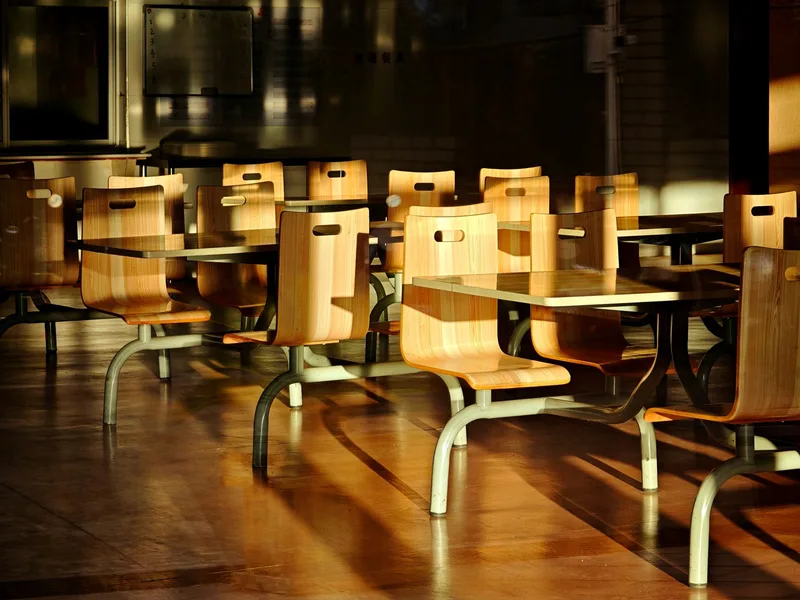
The canteen and the food store
The canteen in this old quarter usually sits in a very cramped, damp room, and food is stored next to ageing water pipes that leak constantly into the space.
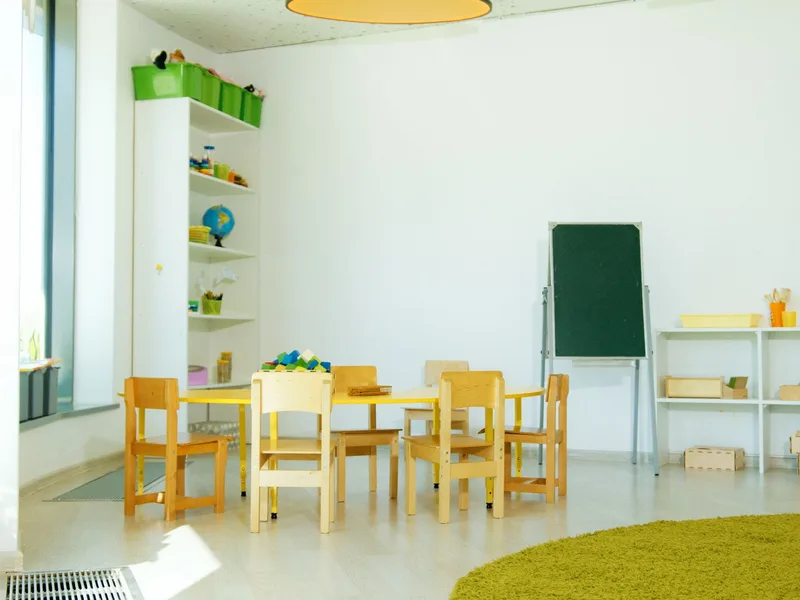
Floor level in a nursery
Nursery floors in ancient buildings stay constantly damp, and cracks in the floor provide shelter for crawling insects and woodworm.
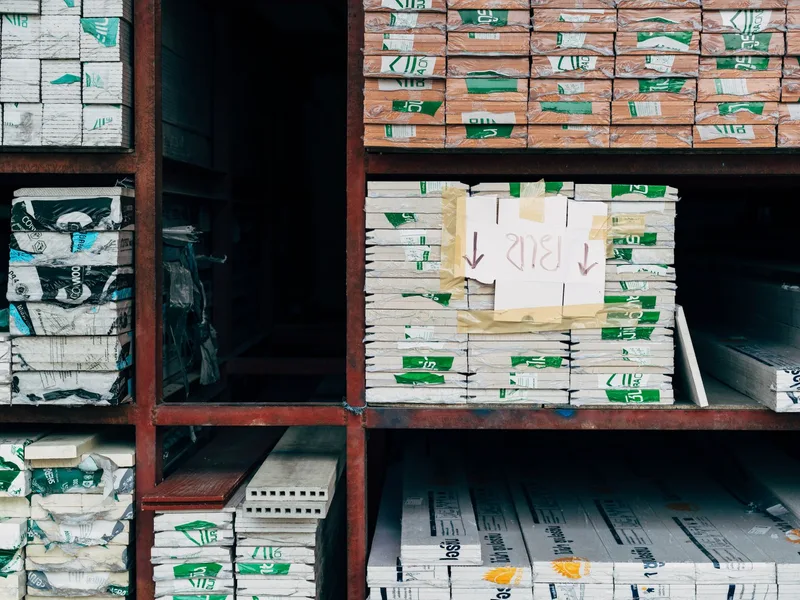
The paper and cardboard store
The paper and cardboard store in old buildings like these is exposed to high moisture, and cockroaches and woodworm colonise stacked boxes unless treated regularly.
Standing water in the yard
The yard is very small and may be shadowed all day by the surrounding hills, moisture is permanent and ventilation is very poor.

The gap under the service door
The service door gap is usually large and poorly sealed, and insects from the hotel and street enter very easily through this opening.
The wall line, irrigation and planting
Boundary walls and planting are minimal in this narrow hillside quarter, but hotels and facing buildings provide permanent shelter for insects on all sides.
How we work
-
1
Survey the building and zone it
We walk from the service gate through the canteen, the stores, the classrooms, the washrooms and the yard, record the entry routes, the moisture and the species pressure, and grade every area by who occupies it and for how long.
-
2
Schedule it against the calendar
Work that needs an empty building, closing entry points, treating the drains and the perimeter, goes into the long breaks. Station reads and spot treatment happen after the students leave or at the weekend. We agree in advance who opens the building and which rooms are cleared and covered.
-
3
Targeted treatment, out of reach
Gel bait inside joints and cracks, dust into the dry voids, enclosed stations fixed where a child cannot reach them, and targeted spray on junctions and service areas, never on open surfaces or play flooring.
-
4
Follow up and record it
We come back on the date the life cycle sets, such as a visit timed to a cockroach hatch, re-read the points, treat whatever is still active, and hand over a report with the dates, the positions and what the building itself needs closed.
What a school and nursery programme includes
-

Building survey and zone plan
A walk that fixes the entry routes, the food areas and the child areas, and a plan with the monitoring positions numbered before anything is installed.
-

Enclosed bait and stations
Stations fixed in positions a child cannot get to, and gel bait inside joints and cracks rather than on any surface.
-

Treatment outside teaching hours
After the students leave, at the weekend or in a break, on junctions and service areas, with the surfaces wiped down before anyone comes back.
-

Drains, waste and standing water
Kitchen and washroom gullies, the ground around the containers, the yard drains and the air conditioning trays, on every visit.
-

Room preparation and aftercare
Which rooms are cleared and which surfaces are covered before we arrive, what is wiped down before the students come back, and the ventilation time we set for each case on the call.
-

Scheduled visits and a report each time
Dates agreed across the term, and a report carrying the dates, the positions, the findings and the state of every corrective action.
Landmarks of Al Hajlah
The school in Al Hajlah sits on Ibrahim Al Khalil Street climbing towards the Grand Mosque, and access depends on coordinating with hotel traffic and pilgrim movement. Jabal Omar and the Al Shubaikah walls mark the district's other boundaries where the school sits.
- Ibrahim Al Khalil Street
- The Grand Mosque
- Jabal Omar
- Al Shubaikah Cemetery
- Al Hijrah Street
Questions about this district
Is treatment safe in hotels packed with foreign pilgrims and Hajj visitors every season?
Yes. We use internationally approved products safe for occupied hotels. Deep school treatment happens during breaks, and lightweight treatments during term time in quiet areas.
Should the hotels be treated as well to stop insects entering the school?
Yes, but it depends on hotel management agreement. If they consent, coordinating hotel and school treatment reduces infestation significantly.
Does Hajj and Umrah season dramatically increase insect density in the school?
Yes, substantially. During Hajj and Umrah we increase treatments to weekly instead of monthly to maintain control through peak guest flow.
Do insects enter through gaps between the school and neighbouring hotels?
Yes. Wall gaps and weak foundations provide direct pathways. We focus on sealing large gaps and maintain continuous defensive perimeter treatment.
Does humid air trapped in the narrow street encourage insect breeding?
Yes. Trapped moist air between the hills extends insect lifecycles and keeps breeding continuous throughout the year.
Do we need a report showing the problem comes from the hotels, not the school itself?
Yes. We provide a report identifying entry points from neighbouring hotels and buildings, which helps you if a parent questions the situation or an inspector visits.
How much does schools and nurseries in Al Hajlah cost?
It is set after the inspection, because the price follows the type of infestation, the size of the space, how far it has spread and the number of visits it needs. Send a photo and a description on WhatsApp and we will give you an estimate before we reach Al Hajlah.
Nearby districts we cover
Other services in Al Hajlah
Other services we provide to residents of Al Hajlah.
-
 Residential
Cockroach control
Residential
Cockroach control
-
 Residential
Bed bug control
Residential
Bed bug control
-
 Residential
Termite control
Residential
Termite control
-
 Residential
Rodents and mice
Residential
Rodents and mice
-
 Residential
Mosquito control
Residential
Mosquito control
-
 Residential
Fly control
Residential
Fly control
-
 Residential
Ant control
Residential
Ant control
-
 Residential
Gecko control
Residential
Gecko control
-
 Residential
Scorpion control
Residential
Scorpion control
-
 Residential
Snake control
Residential
Snake control
-
 Residential
Flea control
Residential
Flea control
-
 Residential
Bird and pigeon control
Residential
Bird and pigeon control
-
 Residential
Preventive treatment
Residential
Preventive treatment
-
 Residential
Disinfection
Residential
Disinfection
-
 Commercial
Annual contracts
Commercial
Annual contracts
-
 Commercial
Restaurants and cafes
Commercial
Restaurants and cafes
-
 Commercial
Hotels and apartments
Commercial
Hotels and apartments
-
 Commercial
Warehouses and factories
Commercial
Warehouses and factories
-
 Commercial
Retail and malls
Commercial
Retail and malls
-
 Commercial
Rest houses and farms
Commercial
Rest houses and farms
-
 Commercial
Fumigation
Commercial
Fumigation
-
 Water tanks
Water tank cleaning
Water tanks
Water tank cleaning
-
 Water tanks
Water tank sterilization
Water tanks
Water tank sterilization
-
 Water tanks
Water tank sealing
Water tanks
Water tank sealing
-
 Water tanks
Tank leak repair
Water tanks
Tank leak repair
Need schools and nurseries in Al Hajlah? Tell us what you saw and we will tell you what it needs
We reach Al Hajlah at a time we agree, and you get the full cost before we start.