
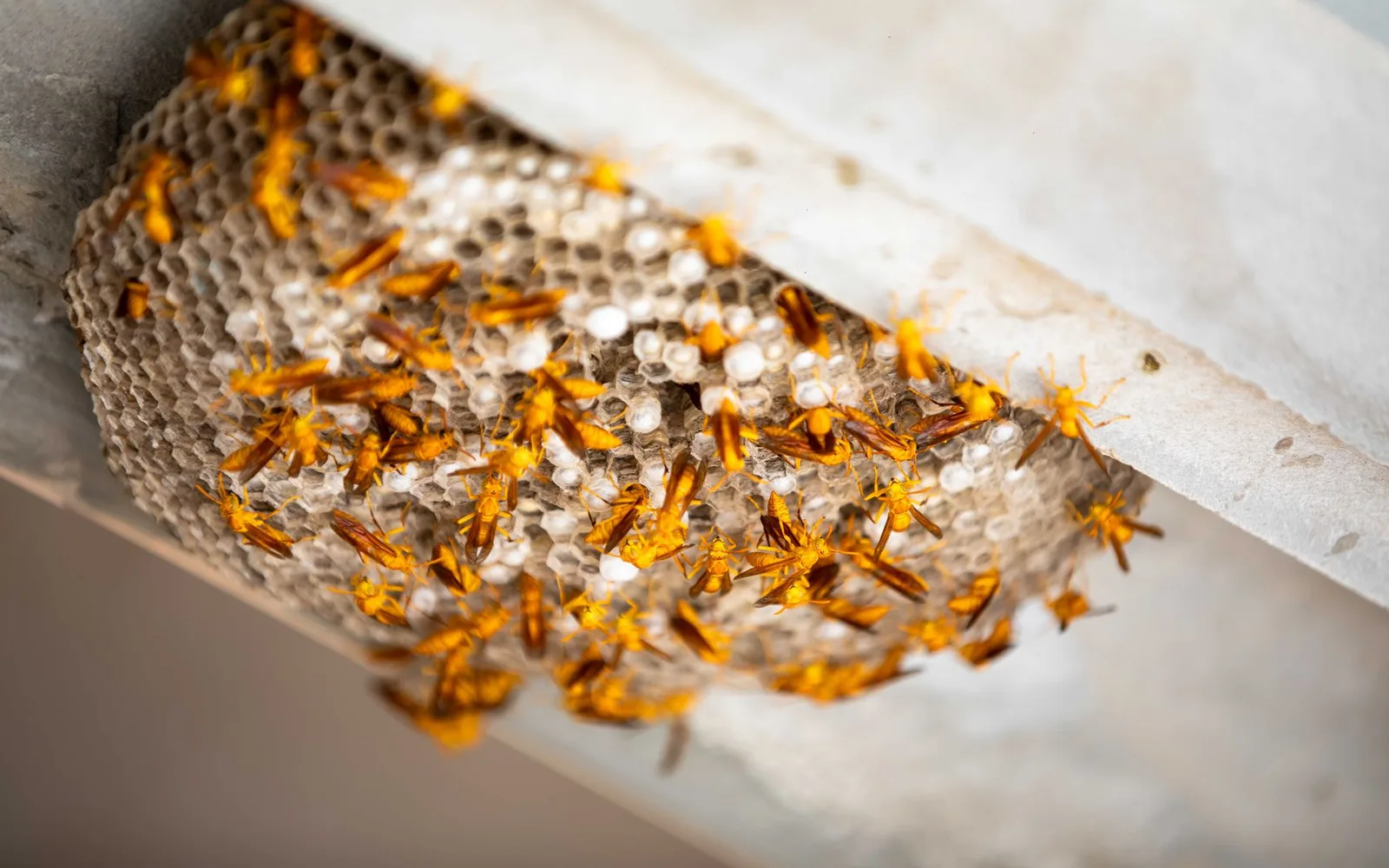
Schools and nurseries in Ajyad Makkah
Ajyad sits pressed against the pilgrims' lodgings on the slopes south of the Grand Mosque, where old apartment blocks and hotels stand shoulder to shoulder. The narrow lanes, ageing drains and damp masonry of this older district create conditions favourable to insects, and schools here need a programme designed for closely-packed buildings and seeping foundations.
-
Targeted, not broadcast
Product goes into cracks and runways, never sprayed across open surfaces.
-
Told before we start
What we will use, where it goes, and what to cover or move before we arrive.
-
A follow-up visit
We return after the first treatment, because what survives it does not show on the day.
-
Homes and businesses
Apartments and villas, and kitchens and stores that need a record of each visit.
Why they keep coming back in Ajyad
Upper-floor classrooms receive direct sunlight, but shared corridors and basement stores stay damp and airless even in the dry season, creating steady refuge for insects. The method is set out in full on our Schools and nurseries service.
Closely-packed buildings with shared entrances
Buildings pressed together and shared entry halls between flats allow insects to move between the school and neighbouring residential units. Treatment needs coordination with building management to seal foundation gaps, shared passageways and internal cavities that run between units.
Aged drainage and constant dampness
Old pipework and sewage lines leak regularly here. Water collects around foundations, keeping lower classrooms and food stores damp and vulnerable. The seasonal moisture from the hillside slopes worsens the problem, making conditions ideal for cockroaches and ants throughout the year.
Narrow lanes and round-the-clock activity
The old quarters near the school have narrow, winding streets where maintenance access is limited at peak times. Kitchens and restaurants in neighbouring buildings operate day and night during peak seasons, drawing insects powerfully towards any food source in the school.
Ajyad on the map
Ajyad sits about 0.5 km from Al Hajlah and about 2 km from Al Mansour.
Open in Google MapsWhat sets the shape of a school programme
The hillside setting between Jabal Khandamah and Ajyad Street exposes the old masonry to moisture from ancient flood paths and aged drainage lines throughout the year.
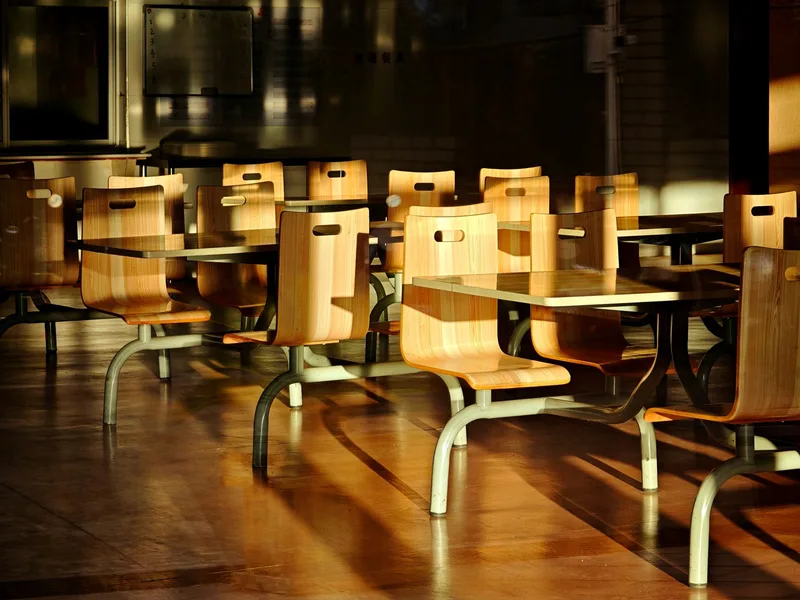
The canteen and the food store
The canteen here is small with the kitchen in the lower floor where dampness is high and drainage is old, so we focus treatment on sewage pipes and foundation gaps.
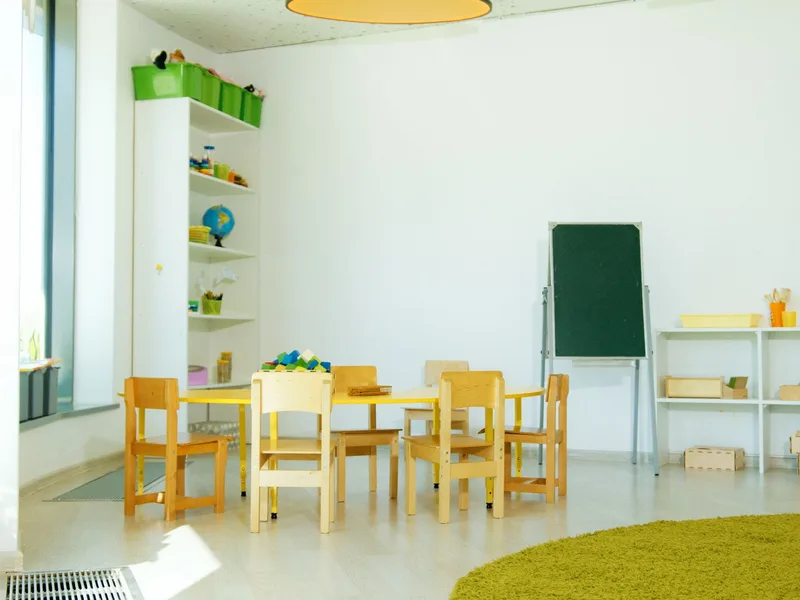
Floor level in a nursery
In Ajyad nurseries, classroom floors are often cold marble that conducts moisture upward from the foundation. We emphasise ventilation and drying protocols.
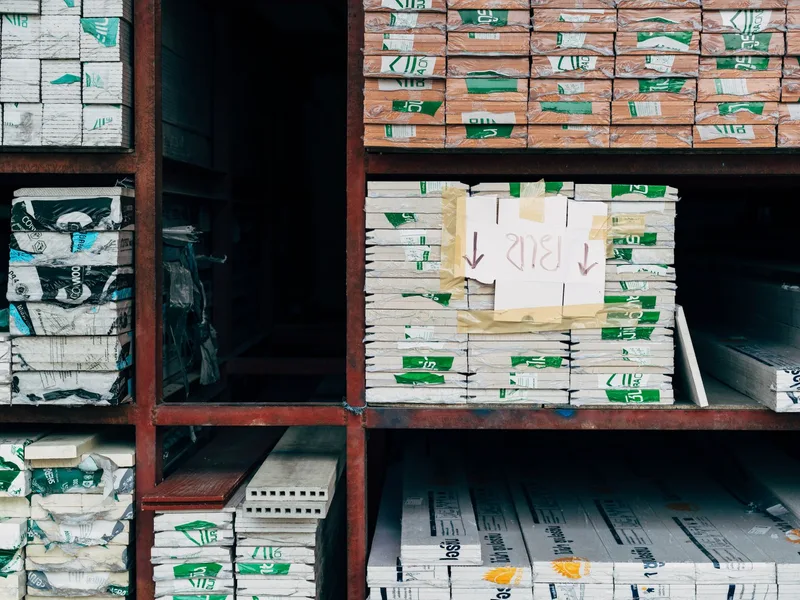
The paper and cardboard store
The paper and cardboard store typically sits in a dark corner below ground level, an ideal environment for cockroaches. We treat it on a strict regular schedule.
Standing water in the yard
The yard is paved with gravel and has shrubs watered daily. Stagnant water pools between the stones in winter and spring, attracting insects persistently.

The gap under the service door
The service door gap in Ajyad is often large because floors are uneven and doors sit high. We focus on sealing side gaps and recommending door threshold adjustment.
The wall line, irrigation and planting
The boundary wall is very old with plants growing from it and irrigation reaching it from the yard. We treat the soil around the wall line and recommend removal of excess growth.
How we work
-
1
Survey the building and zone it
We walk from the service gate through the canteen, the stores, the classrooms, the washrooms and the yard, record the entry routes, the moisture and the species pressure, and grade every area by who occupies it and for how long.
-
2
Schedule it against the calendar
Work that needs an empty building, closing entry points, treating the drains and the perimeter, goes into the long breaks. Station reads and spot treatment happen after the students leave or at the weekend. We agree in advance who opens the building and which rooms are cleared and covered.
-
3
Targeted treatment, out of reach
Gel bait inside joints and cracks, dust into the dry voids, enclosed stations fixed where a child cannot reach them, and targeted spray on junctions and service areas, never on open surfaces or play flooring.
-
4
Follow up and record it
We come back on the date the life cycle sets, such as a visit timed to a cockroach hatch, re-read the points, treat whatever is still active, and hand over a report with the dates, the positions and what the building itself needs closed.
What a school and nursery programme includes
-

Building survey and zone plan
A walk that fixes the entry routes, the food areas and the child areas, and a plan with the monitoring positions numbered before anything is installed.
-

Enclosed bait and stations
Stations fixed in positions a child cannot get to, and gel bait inside joints and cracks rather than on any surface.
-

Treatment outside teaching hours
After the students leave, at the weekend or in a break, on junctions and service areas, with the surfaces wiped down before anyone comes back.
-

Drains, waste and standing water
Kitchen and washroom gullies, the ground around the containers, the yard drains and the air conditioning trays, on every visit.
-

Room preparation and aftercare
Which rooms are cleared and which surfaces are covered before we arrive, what is wiped down before the students come back, and the ventilation time we set for each case on the call.
-

Scheduled visits and a report each time
Dates agreed across the term, and a report carrying the dates, the positions, the findings and the state of every corrective action.
What is different about Ajyad Sub-Municipality
Ajyad sub municipality takes in the districts that press against the Grand Mosque from the south and west: Ajyad, Al Hajlah, Al Shubaikah, Al Tandabawi and Al Mansour. Hotels and rented apartment blocks for Umrah visitors stack up along Ajyad Street and Ibrahim Al Khalil Street, with kitchens and restaurants running aday and night in season. Behind them, Al Shubaikah and Al Tandabawi keep narrow old lanes on hillside ground where buildings and drains are ageing, and demolition and construction sites are a constant presence around Jabal Omar and the central zone.
Questions about this district
Does the hillside moisture mean insects return faster here?
Yes. The constant dampness and aged drainage create fertile conditions, so insects return quickly without regular monitoring. Our programme factors this in and increases seasonal visits during high-humidity months.
The food store sits directly under a classroom. How do we avoid odour?
We treat the classrooms and stores at different times. We use child-safe products and allow safe ventilation periods between treatment and re-entry to all spaces.
The yard collects water from regular irrigation. Does it need special treatment?
Yes. Standing water attracts mosquitoes and aquatic insects. We treat the yard and recommend improvements to the irrigation and drainage layout to prevent pooling.
How do we manage damp walls in the classroom corridors?
We apply safe surface treatments after checking ventilation. The root issue is the drainage. We recommend internal pipe maintenance to stop seepage at source.
Restaurants next to the school draw insects. Does this affect our programme?
It does significantly. We focus on protecting the school perimeter, sealing external gaps and doors, and increase monitoring of the yard and entry points.
Does the programme cover high surfaces and wall cavities?
Yes. We inspect ceilings, gaps between floors, ventilation openings and all hidden spaces. In Ajyad, where buildings are closely packed, these cavities are critical pathways for insect movement between units.
How much does schools and nurseries in Ajyad cost?
It is set after the inspection, because the price follows the type of infestation, the size of the space, how far it has spread and the number of visits it needs. Send a photo and a description on WhatsApp and we will give you an estimate before we reach Ajyad.
Nearby districts we cover
Other services in Ajyad
Other services we provide to residents of Ajyad.
-
 Residential
Cockroach control
Residential
Cockroach control
-
 Residential
Bed bug control
Residential
Bed bug control
-
 Residential
Termite control
Residential
Termite control
-
 Residential
Rodents and mice
Residential
Rodents and mice
-
 Residential
Mosquito control
Residential
Mosquito control
-
 Residential
Fly control
Residential
Fly control
-
 Residential
Ant control
Residential
Ant control
-
 Residential
Gecko control
Residential
Gecko control
-
 Residential
Scorpion control
Residential
Scorpion control
-
 Residential
Snake control
Residential
Snake control
-
 Residential
Flea control
Residential
Flea control
-
 Residential
Bird and pigeon control
Residential
Bird and pigeon control
-
 Residential
Preventive treatment
Residential
Preventive treatment
-
 Residential
Disinfection
Residential
Disinfection
-
 Commercial
Annual contracts
Commercial
Annual contracts
-
 Commercial
Restaurants and cafes
Commercial
Restaurants and cafes
-
 Commercial
Hotels and apartments
Commercial
Hotels and apartments
-
 Commercial
Warehouses and factories
Commercial
Warehouses and factories
-
 Commercial
Retail and malls
Commercial
Retail and malls
-
 Commercial
Rest houses and farms
Commercial
Rest houses and farms
-
 Commercial
Fumigation
Commercial
Fumigation
-
 Water tanks
Water tank cleaning
Water tanks
Water tank cleaning
-
 Water tanks
Water tank sterilization
Water tanks
Water tank sterilization
-
 Water tanks
Water tank sealing
Water tanks
Water tank sealing
-
 Water tanks
Tank leak repair
Water tanks
Tank leak repair
Need schools and nurseries in Ajyad? Tell us what you saw and we will tell you what it needs
We reach Ajyad at a time we agree, and you get the full cost before we start.