
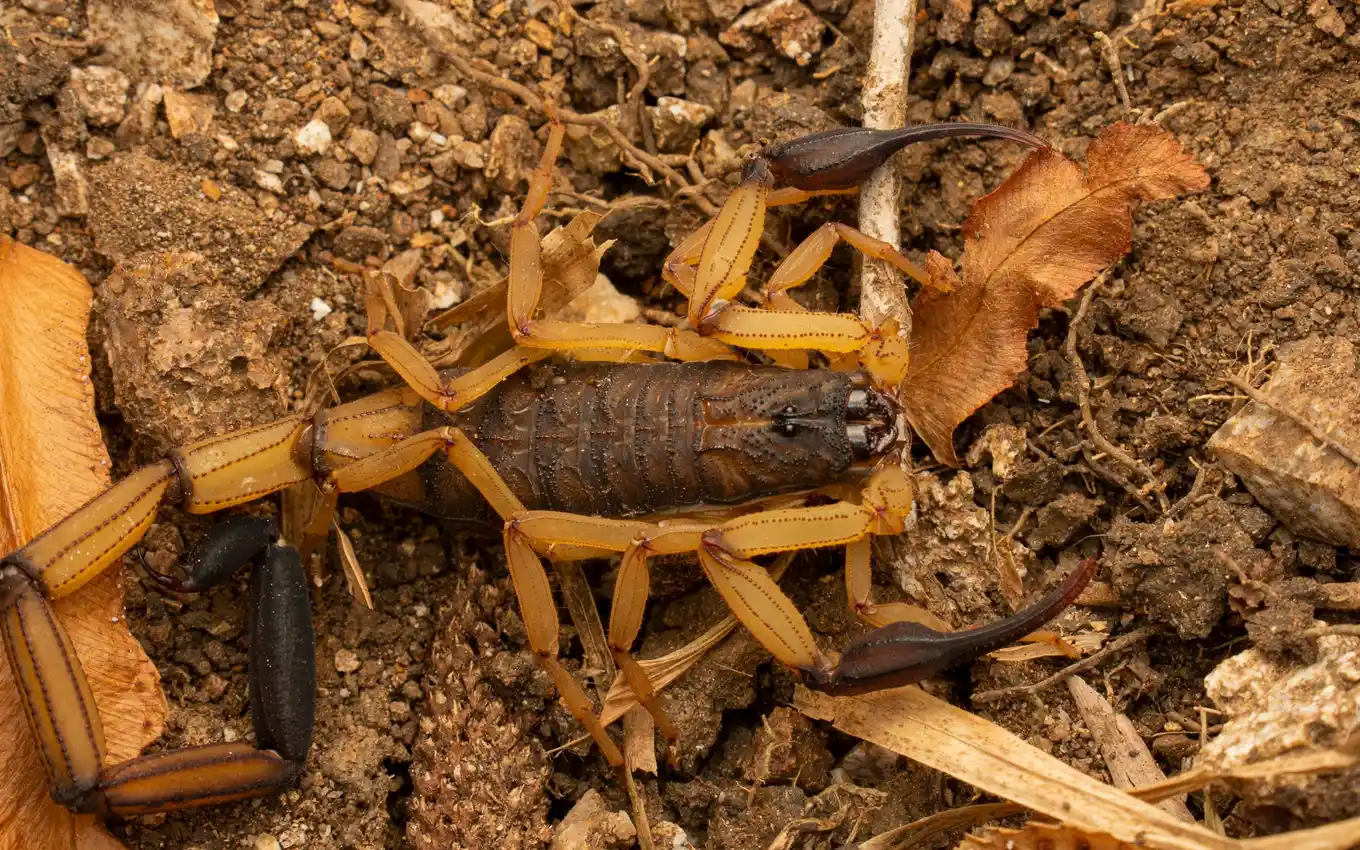
Scorpion control in Al Wahah Jeddah
Al Wahah is a recently planned district east of Haramain Road and north of Palestine Road, a regular layout dominated by modern villas with private gardens. But the district is ringed by active building projects and open excavations, and scorpions migrate from this unsettled land seeking shelter and water within the walled compounds.
-
Targeted, not broadcast
Product goes into cracks and runways, never sprayed across open surfaces.
-
Told before we start
What we will use, where it goes, and what to cover or move before we arrive.
-
A follow-up visit
We return after the first treatment, because what survives it does not show on the day.
-
Homes and businesses
Apartments and villas, and kitchens and stores that need a record of each visit.
Why they keep coming back in Al Wahah
Most scorpions observed around modern villas are migrants from neighbouring excavations and vacant land, not established residents: they are searching for a permanent home. The method is set out in full on our Scorpion control service.
Adjacent building projects are a constant scorpion source
Excavations, machinery and dust from nearby projects disrupt the scorpion's natural life. The scorpion does not tolerate disturbance and noise and migrates seeking a quiet safe place. A walled villa next to active digging is the first choice, especially if it has water and shade.
New walls are tall but gaps beneath the base persist
A modern villa in Al Wahah is built high with a tall wall, but gaps beneath the foundation always exist. When neighbouring land is under continuous construction, dust and moisture from digging change soil levels. The wall may become less secure at its base.
Modern irrigation systems attract scorpions as much as older ones
Modern villas have automated irrigation systems. These keep soil damp regularly and attract insects and rodents. The scorpion migrating from excavations smells water and insects and heads directly to the villa.
The character of Al Wahah
Villa district: private plots, gardens and a boundary wall to every house
A villa in Al Wahah is not isolated from its surroundings: it is a safe irrigated refuge amid unsettled land. The scorpion sees it as shelter, especially during excavation and construction.
What we check outside before we go in
Recently planned villas are surrounded by active construction projects, vacant excavated land and open building sites, and these areas are a continuous source of scorpion pressure on neighbouring villas.
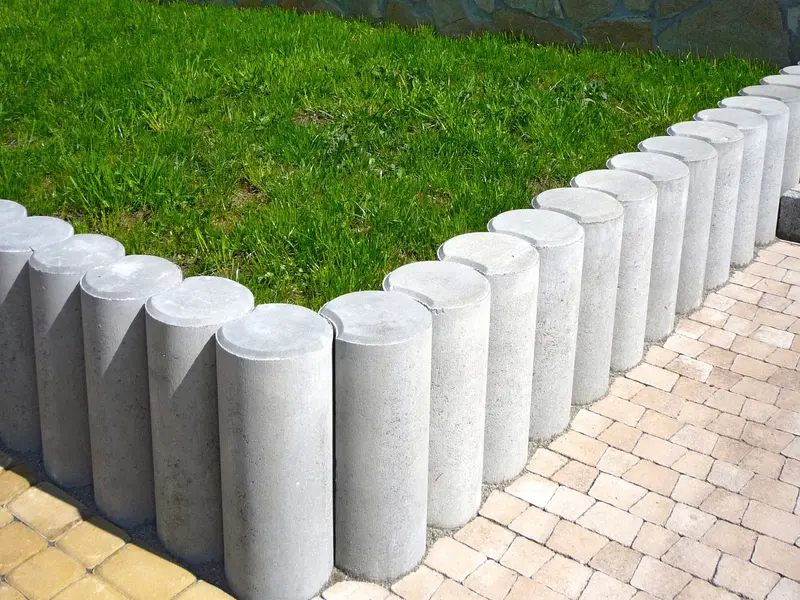
Wall joints and boundary walls
Gaps beneath the wall base are sometimes wider due to soil disturbance from nearby construction excavations.
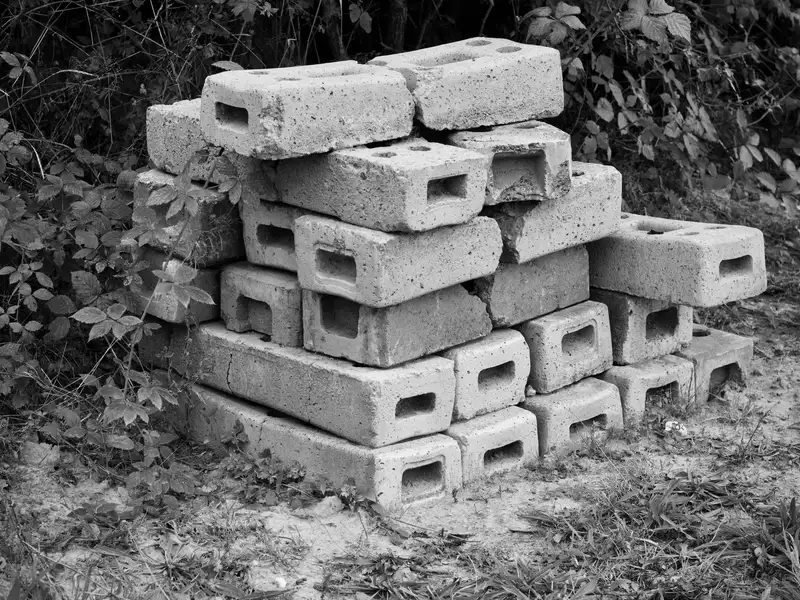
Rubble and stacked block
Building waste from neighbouring projects may reach the villa perimeter and provide temporary shelter for scorpions.
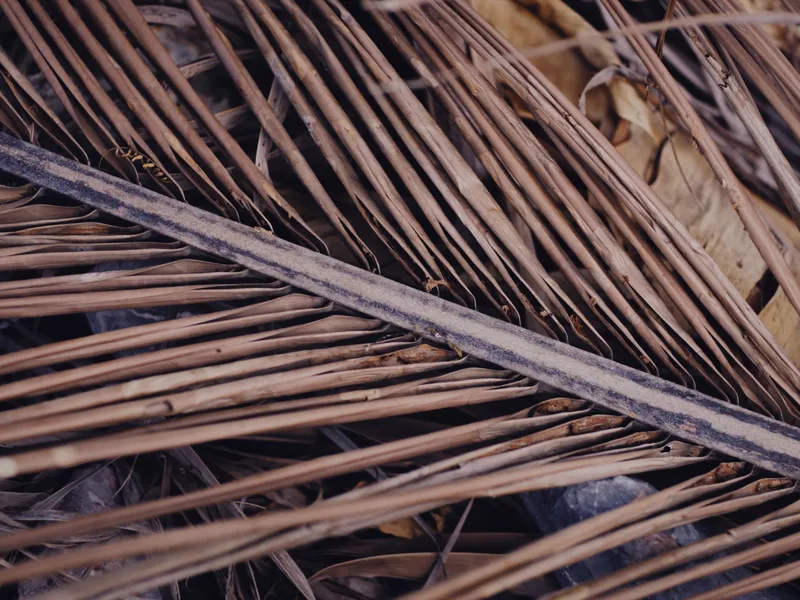
Palm fronds and garden litter
Leaves and branches from the garden accumulate quickly, and the scorpion migrating from excavations will take shelter in them immediately.
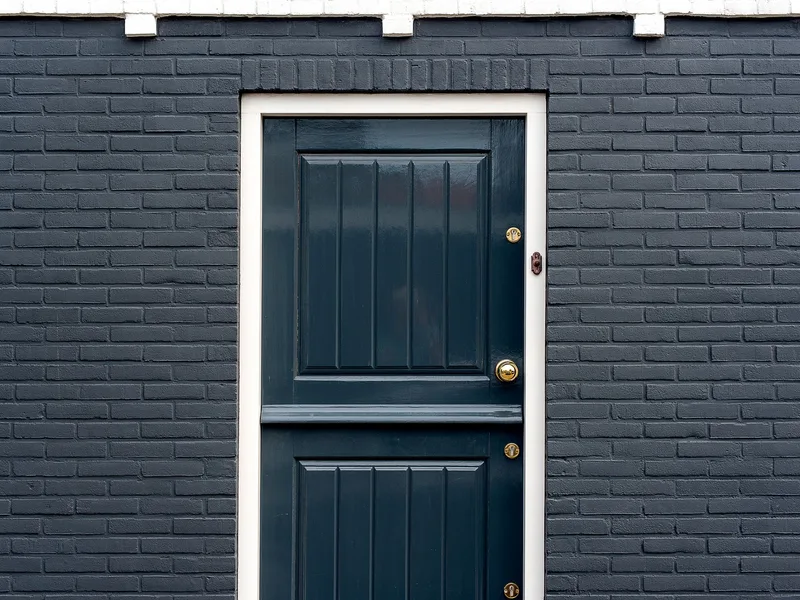
The gap under the door
Door and window gaps in modern villas may be tighter but external pipe openings are always present.
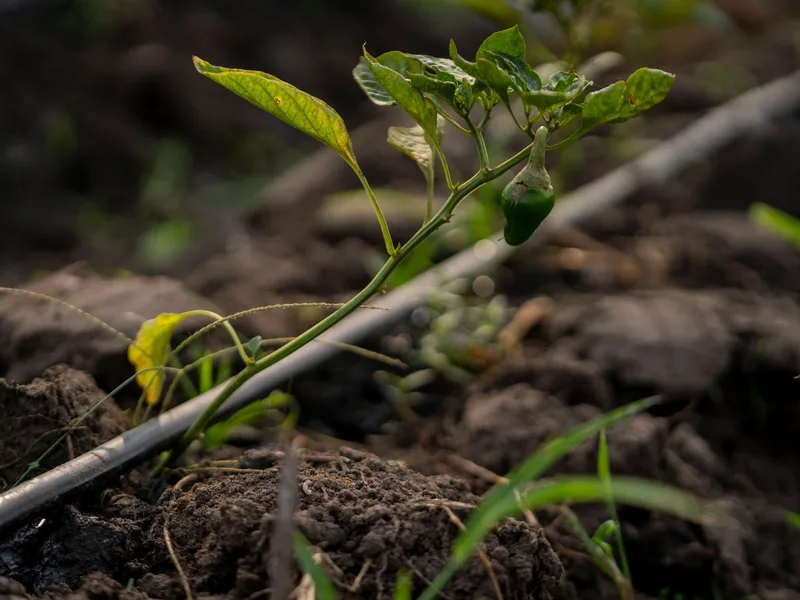
Irrigation and damp soil
Soil irrigated by the modern system stays damp regularly, ideal conditions for a scorpion arriving from the dry excavations.
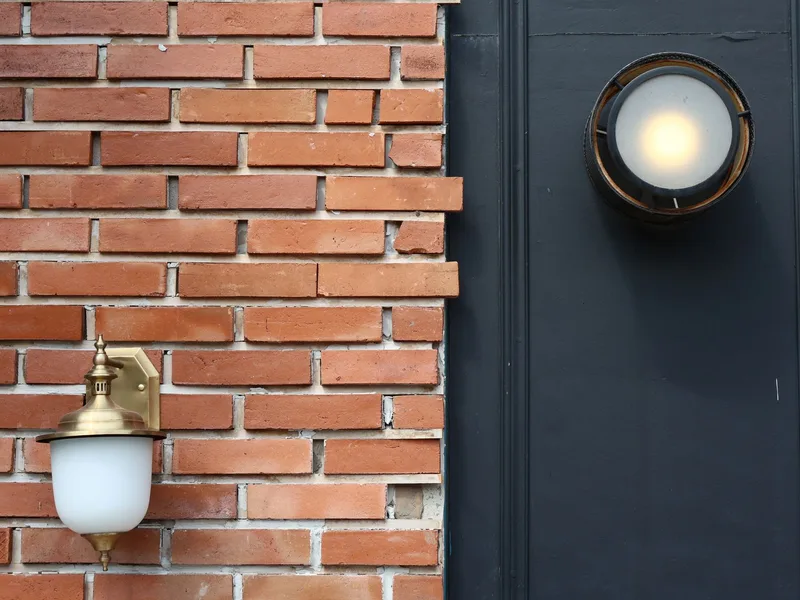
The light by the door
Outdoor lighting on the modern villa may be intense and attracts insects, and the scorpion follows them directly from the surrounding area.
How we work
-
1
Night survey and perimeter inspection
We walk the perimeter after dark with an ultraviolet lamp, which makes a scorpion show up against wall and soil, and we record the harbourage, the ways in and how much prey is present.
-
2
Treat the harbourage and the building edge
Dust into the wall joints and the dry voids, and a targeted band tight against the foundation and around openings, because the material holds longer on a porous surface than on tile.
-
3
Close the ways in and remove the prey
A sweep under the doors, sealing where air-conditioning and drain pipes pass through, mesh over openings, and treatment of the cockroaches and insects it feeds on, so the reason to come in goes with them.
-
4
The follow-up visit
A scorpion can sit in its harbourage for weeks without moving, so the first pass does not always reach it. We come back to refresh the perimeter band and check what has appeared since.
What scorpion control includes
-

A night survey with an ultraviolet lamp
A walk of the perimeter after dark that fixes the harbourage and the entry routes before anything is applied.
-

Targeted perimeter and joint treatment
A band against the foundation, plus wall joints and cracks, never open floors or where children play.
-

Sealing openings and pipe entries
Drain openings, the points where air-conditioning pipes pass through, and mesh on shafts, which are the routes actually used.
-

Treating what it feeds on
Placed bait for cockroaches at entrances and service areas, because cutting the food supply reduces visits more than repeating a spray.
-

Aftercare instructions
What to lift out of the yard, where to move the outside light, and the ventilation time for your situation, which we give you on site.
-

A scheduled follow-up
A set date after the first treatment, a refreshed perimeter band and a check of anything new around it.
What is different about Umm Al Salam Sub-Municipality
The Umm Al Salam sub municipality covers the east and south east of Jeddah along the Old Makkah Road and the Haramain Road. It pairs recently planned districts such as Al Wahah, Al Nakhil and Al Shuruq with popular districts that grew outside formal planning, including Al Harazat, Al Mahamid and Umm Al Salam. The older areas have ageing drainage, unpaved streets and vacant plots where building waste collects, conditions that suit rodents, cockroaches and ants. The newer areas are ringed by half built subdivisions and open excavations.
Questions about this district
Are the adjacent building projects the main driver of scorpion presence?
Yes, significantly. Excavations and construction disturb scorpions and make them migrate seeking a safe refuge. New walled villas next to active digging are the ideal shelter. If construction stops the pressure will ease, but as long as it continues scorpions will continue to migrate.
Should the villa be treated before moving in if surrounded by building work?
Yes, especially if neighbouring land is under active construction. Pre-occupancy treatment protects against scorpions migrating from excavations. After moving in, regular treatment every three months at minimum while excavations continue.
Is one treatment enough in Al Wahah?
No. One treatment may stop what is present but the pressure from excavations is continuous. Regular treatment every three to four months is preferred while neighbouring land is active.
What if the adjacent building project finishes?
Pressure will gradually ease. The excavations, dust and disturbance are what make scorpions migrate. When construction ends and the land settles, scorpions that find no refuge will return to their natural habitat.
Is a modern garden with only grass less risky than one with dense planting?
Grass alone is slightly less risky but not by much. The scorpion seeks water and moisture, and grass requires watering. If it is laid thick it also provides shelter. A better choice is an organised garden with limited planting.
Must all wall gaps be sealed or is chemical treatment alone enough?
Both together are stronger. Chemical treatment kills what enters, but sealing prevents entry from the start. In Al Wahah where digging pressure is high, mechanical sealing of gaps is essential.
How much does scorpion control in Al Wahah cost?
It is set after the inspection, because the price follows the type of infestation, the size of the space, how far it has spread and the number of visits it needs. Send a photo and a description on WhatsApp and we will give you an estimate before we reach Al Wahah.
Nearby districts we cover
Other services in Al Wahah
Other services we provide to residents of Al Wahah.
-
 Residential
Cockroach control
Residential
Cockroach control
-
 Residential
Bed bug control
Residential
Bed bug control
-
 Residential
Termite control
Residential
Termite control
-
 Residential
Rodents and mice
Residential
Rodents and mice
-
 Residential
Mosquito control
Residential
Mosquito control
-
 Residential
Fly control
Residential
Fly control
-
 Residential
Ant control
Residential
Ant control
-
 Residential
Gecko control
Residential
Gecko control
-
 Residential
Snake control
Residential
Snake control
-
 Residential
Flea control
Residential
Flea control
-
 Residential
Bird and pigeon control
Residential
Bird and pigeon control
-
 Residential
Preventive treatment
Residential
Preventive treatment
-
 Residential
Disinfection
Residential
Disinfection
-
 Commercial
Annual contracts
Commercial
Annual contracts
-
 Commercial
Restaurants and cafes
Commercial
Restaurants and cafes
-
 Commercial
Hotels and apartments
Commercial
Hotels and apartments
-
 Commercial
Warehouses and factories
Commercial
Warehouses and factories
-
 Commercial
Schools and nurseries
Commercial
Schools and nurseries
-
 Commercial
Retail and malls
Commercial
Retail and malls
-
 Commercial
Rest houses and farms
Commercial
Rest houses and farms
-
 Commercial
Fumigation
Commercial
Fumigation
-
 Water tanks
Water tank cleaning
Water tanks
Water tank cleaning
-
 Water tanks
Water tank sterilization
Water tanks
Water tank sterilization
-
 Water tanks
Water tank sealing
Water tanks
Water tank sealing
-
 Water tanks
Tank leak repair
Water tanks
Tank leak repair
Need scorpion control in Al Wahah? Tell us what you saw and we will tell you what it needs
We reach Al Wahah at a time we agree, and you get the full cost before we start.