
Snake control in Hunayn Makkah
Hunayn is the north eastern tip of Al Sharai where Wadi Hunayn meets the Taif road, known today as Al Sharai Al Ulya. The village of Sharai Al Nakhl sits here and the historic Hunayn aqueduct arch stands by the wadi bridge. Running springs have watered palm orchards for centuries. Snakes here are naturally established because running water, dense palms and hilly terrain provide complete habitat, and the old or new house becomes an inevitable refuge for them.
-
Targeted, not broadcast
Product goes into cracks and runways, never sprayed across open surfaces.
-
Told before we start
What we will use, where it goes, and what to cover or move before we arrive.
-
A follow-up visit
We return after the first treatment, because what survives it does not show on the day.
-
Homes and businesses
Apartments and villas, and kitchens and stores that need a record of each visit.
Why they keep coming back in Hunayn
Snakes here are a permanent settlement in the wadi and springs, and their numbers peak during heat and drought seasons. The method is set out in full on how we approach Snake control.
Ain Hunayn and the continuous running water
Ain Hunayn and its historic aqueduct arch provide running water year round. Warm flowing water and dense palms around the spring provide ideal habitat for snakes and rodents. Any house close to the spring sits at high risk.
Sharai Al Nakhl village and traditional building
The old village was built by traditional methods and its walls are weak and damp. Historic houses offer no modern insulation and gaps are numerous. Snakes enter easily from shallow foundations and cracked walls.
Jabal Masud and the hilly terrain
Jabal Masud to the north provides complete natural habitat for snakes and rodents. Snakes descend from the hill toward the wadi and village. Houses situated on the hillside or near it are at greatest risk.
The character of Hunayn
Rural area: farms, open ground and scattered homes
In a rural area beside a natural spring and heritage building, snakes are not invasive: they are naturally established. Sealing the house and foundation is the only effective defence, rather than attempting to drive snakes from their natural habitat.
What the site tells us before we start
A hilly rural area where Wadi Hunayn meets the Taif road, with an old village, dense palm orchards, natural springs and scattered building.
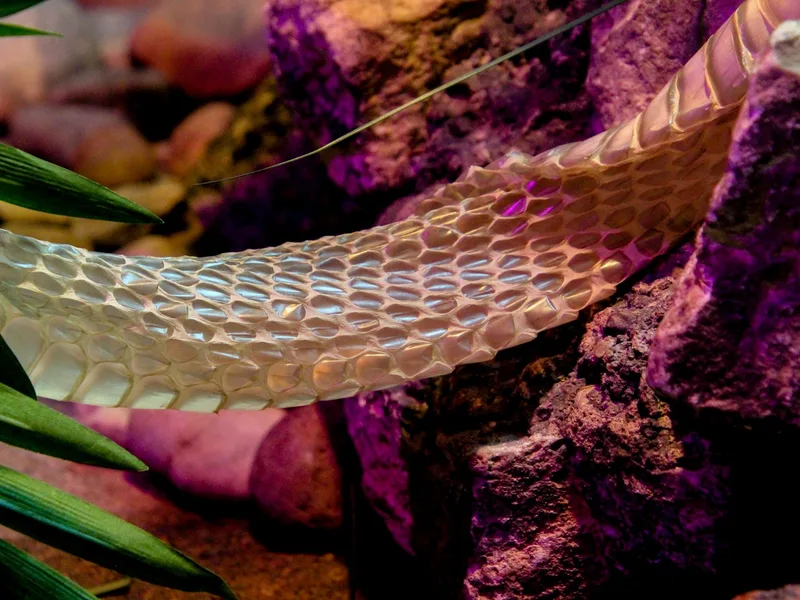
A shed skin
Shed skin appears frequently around Ain Hunayn and the palm orchards where snakes shelter.
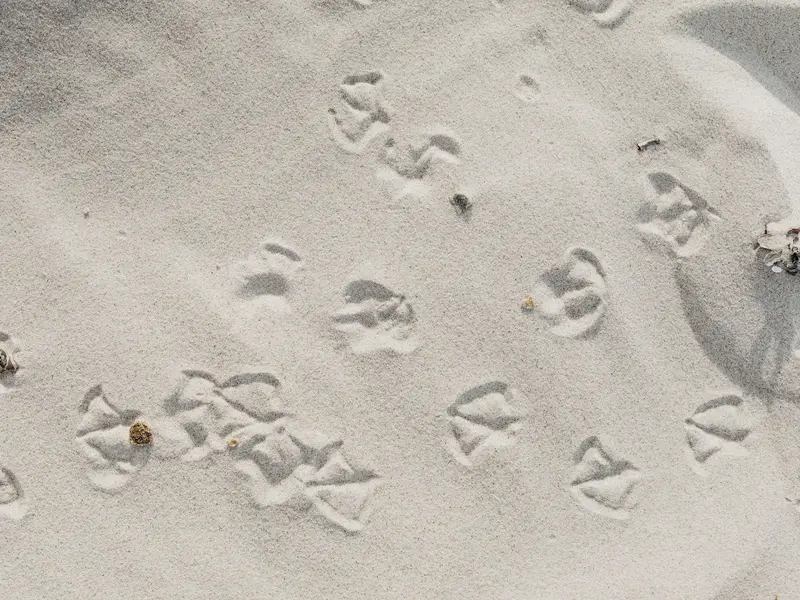
The track in the sand
Crawl marks are clear in damp soil around the wadi, the spring and the floors of old houses.
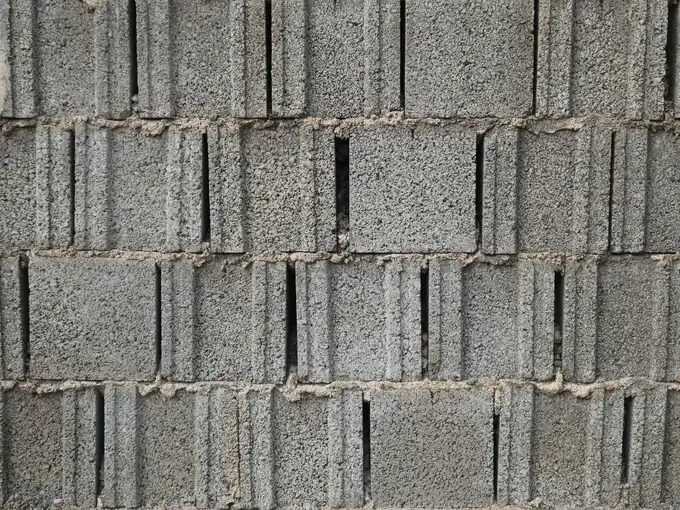
Block and rubble piles
Piles of stone and fill from old excavations and heritage building provide natural shelters.
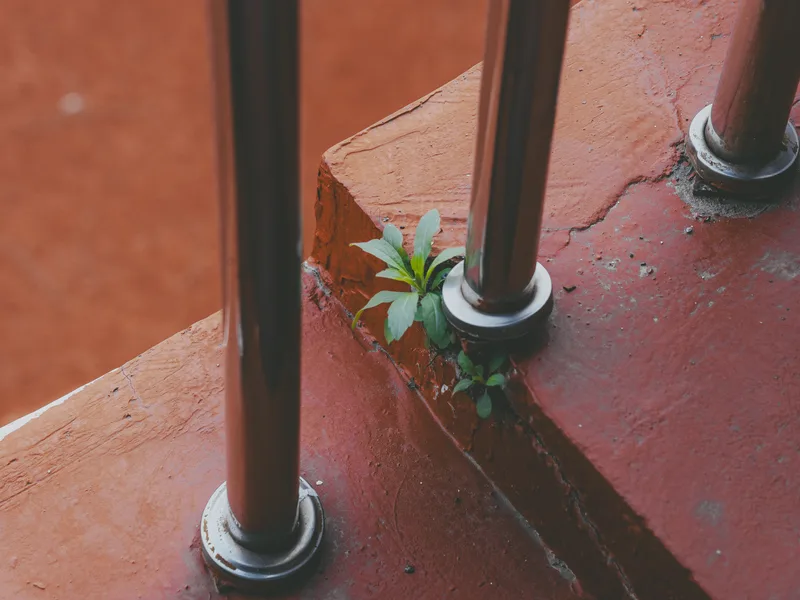
The gap under the gate
Gaps beneath old foundations in the village are very large and damp soil makes entry straightforward.
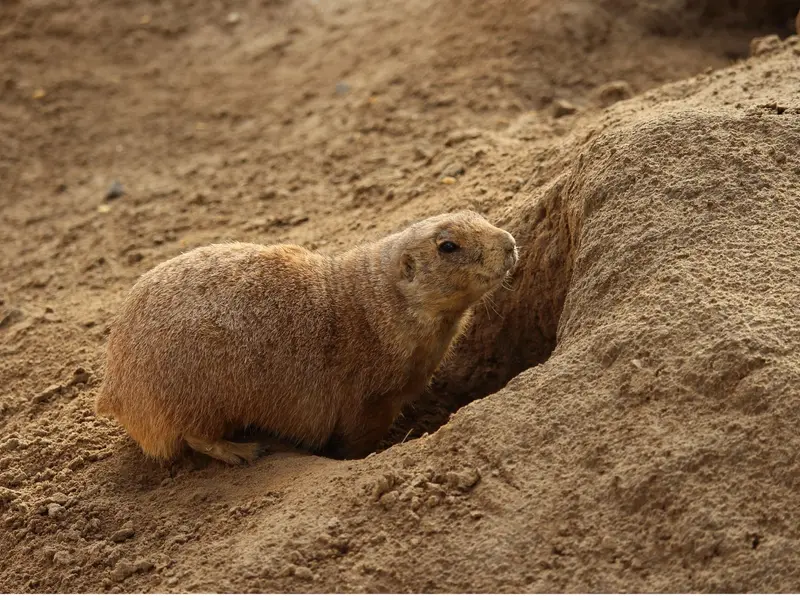
Rodent burrows
Rodent burrows around the spring and palms provide continuous food sources that draw snakes.
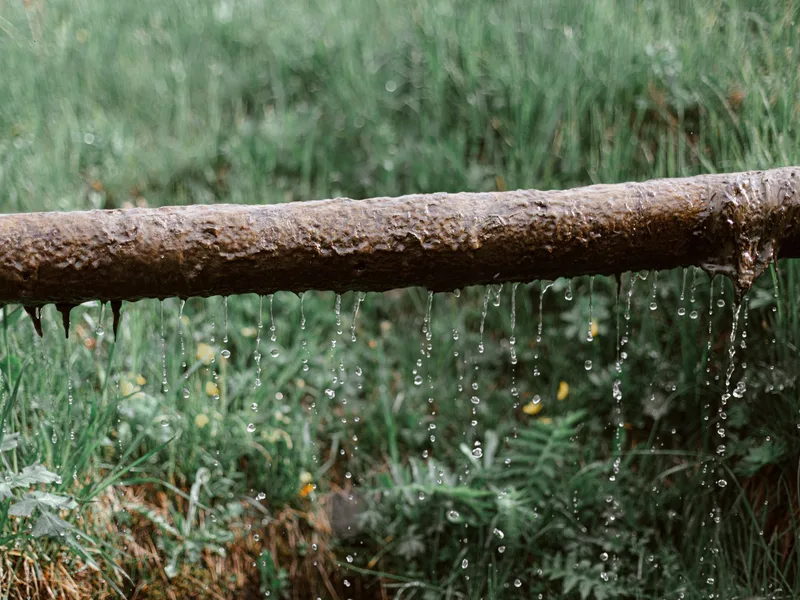
A leaking irrigation line
Natural and exposed water pipes and channels provide damp pathways for snakes to move continually.
How we work
-
1
Inspect and locate
We work the perimeter, the garden and the service rooms with a torch and a mirror, reading the tracks, the skins and the burrows to establish whether it is still on site and where it came in.
-
2
Safe removal
It comes out on a hook and tongs into a closed container and is released away from buildings where that is possible, with no chasing it around a room.
-
3
Close the routes, take away the shelter
A strip under the gate, sleeves around pipe entries, tight covers on the floor drains, and the blocks and palm fronds moved off the wall line.
-
4
Cut the food, then come back
We treat the rodents and the geckos on the perimeter, then return once that activity has settled to check the sealed points and look for any fresh track.
What snake control includes
-

A recorded site inspection
Perimeter, garden, service rooms and pipe entries, with tracks and skins recorded before anything is applied.
-

Drains and entries closed
Tight covers on floor drains, sleeves around waste and air conditioning pipe runs, and the weep holes in the boundary wall closed.
-

Rodent work around the building
Closed bait stations on the rodent runs, because cutting the prey is what makes the site stop suiting them.
-

Perimeter treatment down the food chain
Insects on lit walls hold the geckos, and geckos feed some species, so we treat the chain from the bottom up.
-

A perimeter housekeeping list
What to move off the wall line, how low to cut the ground cover, where the lighting sits, and what to do if you see another one.
-

A scheduled follow-up
A set date to check the sealed points, the rodent stations and any new track in the sand.
What is different about Al Sharai Sub-Municipality
Al Sharai is the eastern growth front of Makkah along King Faisal Road and the Taif road. Settled quarters sit beside recently renamed schemes where plots are still vacant and buildings are going up, so construction sites, fill and open excavations lie next to occupied homes. Wadi channels such as Wadi Mudarraja, Wadi Al Sharai and Wadi Al Mughammas carry flash floods after rain and dry out to damp silt, while dust blows off the open hills. Roadside shops, restaurants and warehouses line the Taif road, and to the east the area shades into villages, palm farms and springs.
Questions about this district
A house in rural Hunayn village and a snake enters it. How exactly does it get in?
The snake digs underneath the foundation on the wadi side or enters through cracks in old walls. The damp soil around the foundation is easy to excavate. The old village naturally harbours snakes.
Is Ain Hunayn and the running water the main cause of the snakes?
Yes, strongly. The spring provides ideal habitat. A house beside the spring or on the water course is at high risk. Warm flowing water attracts wildlife.
Are the old heritage walls in the village the main reason for the snakes?
Yes. Old walls have cracks, damp patches and structural weakness. Snakes find easy passage. If you live in a heritage house sealing the foundation becomes essential.
Does distance from Jabal Masud protect the house from snakes?
No. Jabal Masud provides natural snake habitat. Even a house slightly inland may be at risk if it sits close to the wadi.
Does the school and clinic in the village reduce the snakes?
No. The school and clinic may face the same problems. Relatively newer building may reduce the issue slightly but does not eliminate it.
Does the historic Hunayn aqueduct indicate a particularly dangerous location for snakes?
The aqueduct is a significant heritage site but it does not indicate higher risk. The risk is the water itself and the palms. Any house beside the wadi sits at risk regardless of archaeology.
How much does snake control in Hunayn cost?
It is set after the inspection, because the price follows the type of infestation, the size of the space, how far it has spread and the number of visits it needs. Send a photo and a description on WhatsApp and we will give you an estimate before we reach Hunayn.
Other services in Hunayn
Other services we provide to residents of Hunayn.
-
 Residential
Cockroach control
Residential
Cockroach control
-
 Residential
Bed bug control
Residential
Bed bug control
-
 Residential
Termite control
Residential
Termite control
-
 Residential
Rodents and mice
Residential
Rodents and mice
-
 Residential
Mosquito control
Residential
Mosquito control
-
 Residential
Fly control
Residential
Fly control
-
 Residential
Ant control
Residential
Ant control
-
 Residential
Gecko control
Residential
Gecko control
-
 Residential
Scorpion control
Residential
Scorpion control
-
 Residential
Flea control
Residential
Flea control
-
 Residential
Bird and pigeon control
Residential
Bird and pigeon control
-
 Residential
Preventive treatment
Residential
Preventive treatment
-
 Residential
Disinfection
Residential
Disinfection
-
 Commercial
Annual contracts
Commercial
Annual contracts
-
 Commercial
Restaurants and cafes
Commercial
Restaurants and cafes
-
 Commercial
Hotels and apartments
Commercial
Hotels and apartments
-
 Commercial
Warehouses and factories
Commercial
Warehouses and factories
-
 Commercial
Schools and nurseries
Commercial
Schools and nurseries
-
 Commercial
Retail and malls
Commercial
Retail and malls
-
 Commercial
Rest houses and farms
Commercial
Rest houses and farms
-
 Commercial
Fumigation
Commercial
Fumigation
-
 Water tanks
Water tank cleaning
Water tanks
Water tank cleaning
-
 Water tanks
Water tank sterilization
Water tanks
Water tank sterilization
-
 Water tanks
Water tank sealing
Water tanks
Water tank sealing
-
 Water tanks
Tank leak repair
Water tanks
Tank leak repair
Need snake control in Hunayn? Tell us what you saw and we will tell you what it needs
We reach Hunayn at a time we agree, and you get the full cost before we start.