
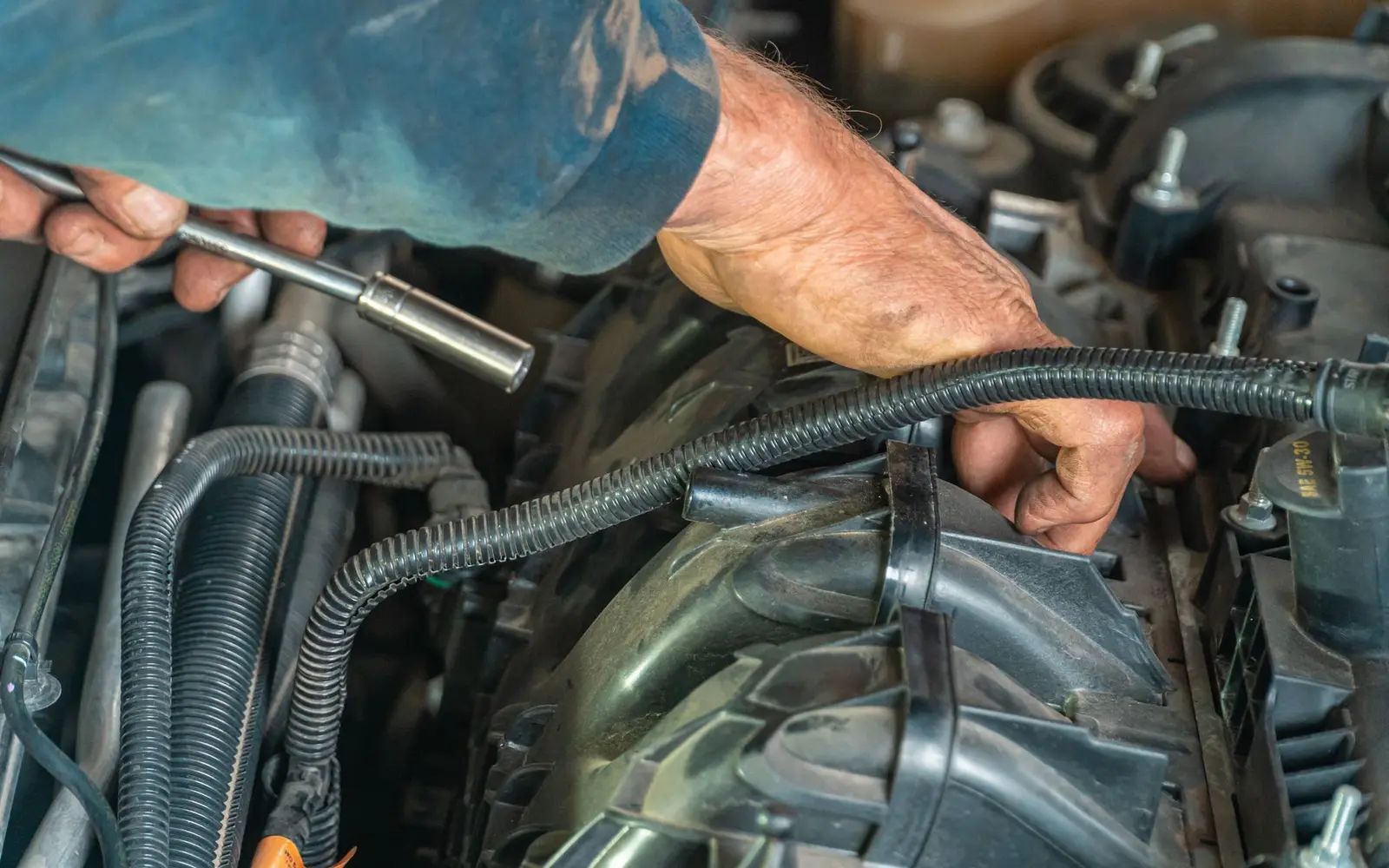
Tank leak repair in Al Bayban Makkah
Al Bayban is an ancient Makkan quarter on a hill north of the Grand Mosque between Al Diyafah and Al Hajun. Tanks here are very old and some are built into stone walls. The famous Qasr Kuwair crowns the slope with towers of stone and lime and wooden rawashin windows. Leaks here are not simple; they come from ancient structures weakened by moisture and salt over centuries.
-
Potable-rated materials
Linings and disinfectants cleared for drinking water tanks, not general-purpose products.
-
You get the downtime first
How many hours the tank is out of service, told before we start rather than after we finish.
-
A first-draw flush
We run the first draw off after refilling, and the tank is not handed back until the water runs clear.
-
Ground and roof tanks
Villas, apartment blocks and premises that need a written record of each visit.
Why the job is different in Al Bayban
Houses were built a century or more ago from stone, lime and clay brick. Tanks are either built into walls or placed on roofs with old materials. Stone and salt have weakened the building structure. The method is set out in full on what Tank leak repair involves.
Stone and lime tanks built into walls
Old tanks in Al Bayban are made from stone and lime mortar, fully integrated into the house walls. Leaks come from stone cracks and loose mortar weakened by salt and old moisture.
Wooden rawashin and chimneys create water pathways
Traditional wooden rawashin and old chimneys offer irregular water drainage. Water seeps around windows and openings in the stone walls.
Heritage roofs and cavities under stone
Roofs are made of plaster and thin stone, with cavities beneath allowing hidden leaks. Water may seep from a roof tank into the walls without showing.
Al Bayban on the map
Al Bayban sits about 0.5 km from Al Hajun and about 1 km from Al Diyafah.
Open in Google MapsWhere the water leaves decides how it is repaired
An ancient Makkan quarter on a hill north of the Grand Mosque between Al Diyafah and Al Hajun, an urban heritage site from the early twentieth century, with old houses climbing the slope and the stone Qasr Kuwair palace at the summit.
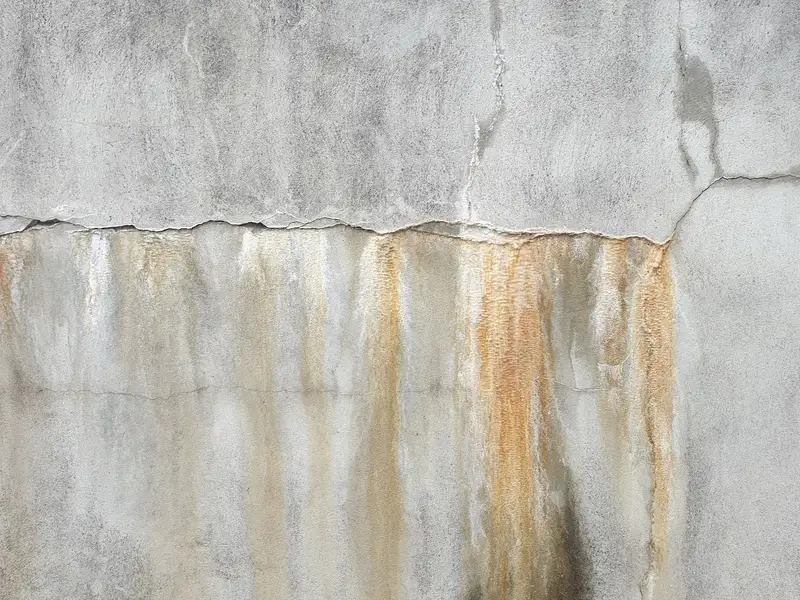
Damp and salt on the outside wall
Stone inspection: look for cracks in the stone wall around the tank and breakdown of old clay mortar.
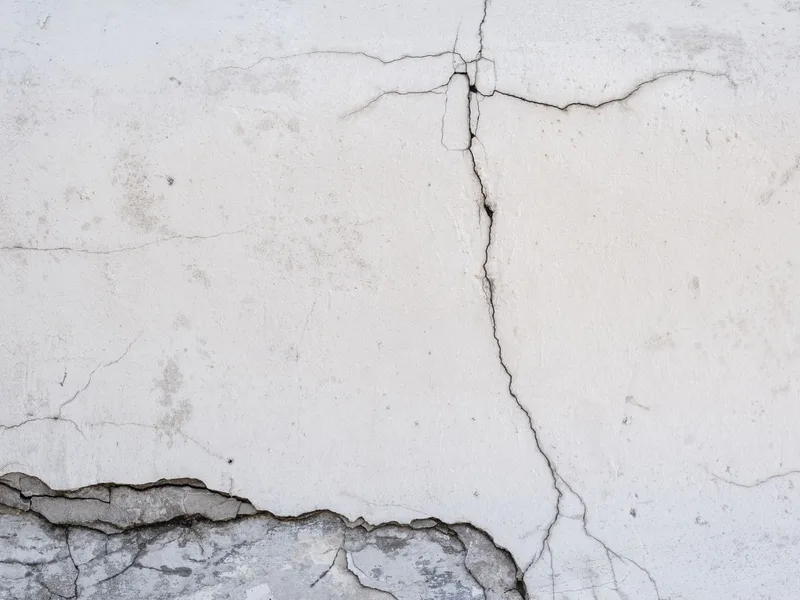
The kind of crack
Salt and moisture inspection: detect salt crystals on surfaces and deep moisture weakening the stone from within.

The wall to floor junction
Rawashin and chimney inspection: water may seep around these openings and old irregular gutters.
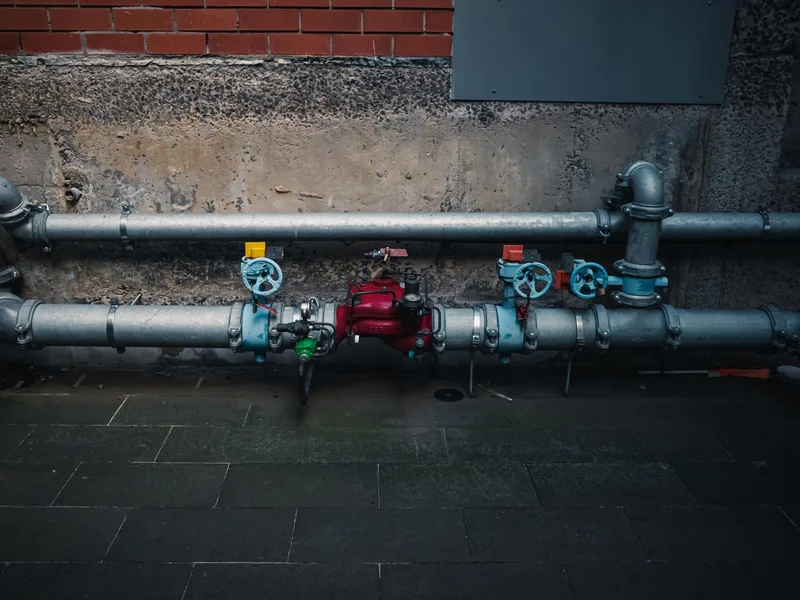
Pipe entries
Mortar inspection: old clay mortar between stones may have broken down from moisture, salt and heat.
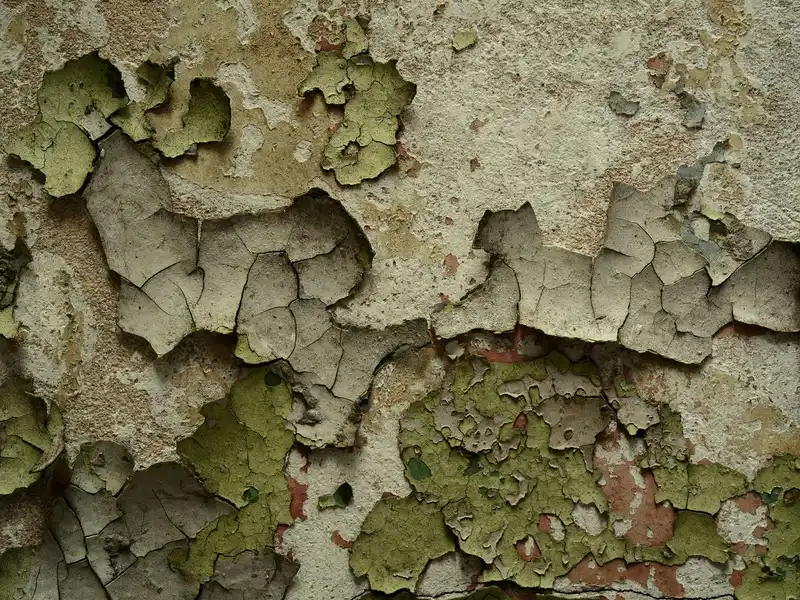
The condition of the old lining
Internal lining inspection: the stone itself may be porous and weak, with water seeping from inside the walls.
What the tank is made of
Roof and drainage inspection: heritage roofs and old gutters in Al Bayban may not drain water properly, increasing moisture around the tank.
How we work
-
1
Inspect and locate the leak
We close the float valve and the outlet, mark the water level and watch it fall, then check the fittings and the wall beside it. That separates a tank leak from a pipe leak or a float valve that never shuts.
-
2
Drain, clean and dry
We empty the tank, lift the sediment off the base, wash back to sound concrete and let the surface dry. No repair holds on a damp or dusty face.
-
3
Repair the cracks and the entries
We cut the crack open, fill it with a non-shrink mortar, inject anything still weeping and rebuild around the pipe sleeve. A joint that moves takes a flexible detail, not a rigid one.
-
4
Refill, test, then sterilise
We refill, read the level again to confirm the drop has stopped, then sterilise before the water is used, because the tank has been open with tools and hands inside it.
What tank leak repair includes
-

A marked level test
A reading before and after with everything shut, which establishes that the loss is the tank and not the plumbing.
-

Draining and sediment removal
Water and silt out of the base, so the floor and the walls can be seen as they really are.
-

Pressure wash and dry back
The weak layer and the dust come off, because a repair only holds on sound concrete.
-
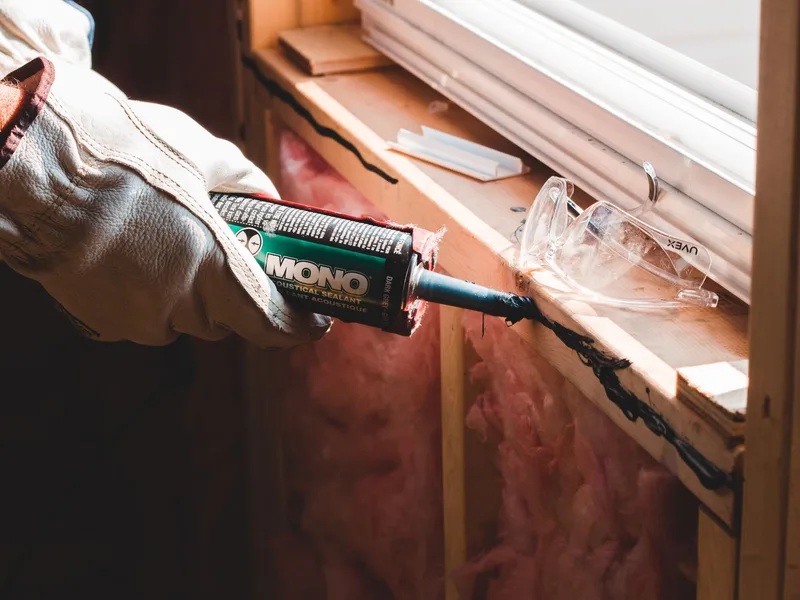
Cracks opened and filled
The crack is cut open and filled with a non-shrink mortar, and anything still weeping under water pressure is injected.
-

Refill and a recorded test
We refill, read the level again and write the reading down, so the result is not a matter of opinion.
-

Sterilised and back in service
A wash and a sterilisation once the material has cured, and guidance on running the first fill off before the water is used.
The character of Al Bayban
Historic district: close-set buildings, narrow lanes and ageing services
A historic quarter means tanks and buildings are all very old stone and lime. Heritage materials have been weakened by moisture and salt over centuries. Treatment requires respecting the historical character and using compatible materials, not simple replacement.
Questions about this district
Are old stone tanks in Al Bayban repaired or replaced?
Repaired first. We search for cracks and loose mortar and restore them. Replacement only if the stone is so weak that even new mortar cannot hold.
Why does salt destroy old tanks in heritage quarters?
Salt seeps from old soil and stone. It reacts with lime and mortar, breaking them down. It worsens in the dry summer.
How do we detect a leak in a tank built into a stone wall?
We monitor water level by closing valves. If water drains from the tank, we inspect the stone around it for cracks or deep moisture.
Is modern mortar enough or must we line the tank inside too?
Modern mortar stops external cracks leaking. But if the stone itself is porous and weak, internal lining is also needed.
Do old tanks in Qasr Kuwair need special care?
Yes. The building is a heritage site and original materials must be respected. We use compatible materials where possible.
Does rebuilding the roof drainage system fix tank leaks?
It may help. Poor drainage adds water around the tank. But repair of the tank itself is essential.
How much does tank leak repair in Al Bayban cost?
It is set after the inspection, because the price follows the type of infestation, the size of the space, how far it has spread and the number of visits it needs. Send a photo and a description on WhatsApp and we will give you an estimate before we reach Al Bayban.
Nearby districts we cover
Other services in Al Bayban
Other services we provide to residents of Al Bayban.
-
 Water tanks
Water tank cleaning
-
 Water tanks
Water tank sterilization
-
 Water tanks
Water tank sealing
-
 Residential
Cockroach control
Need tank leak repair in Al Bayban? Tell us what you saw and we will tell you what it needs
We reach Al Bayban at a time we agree, and you get the full cost before we start.