
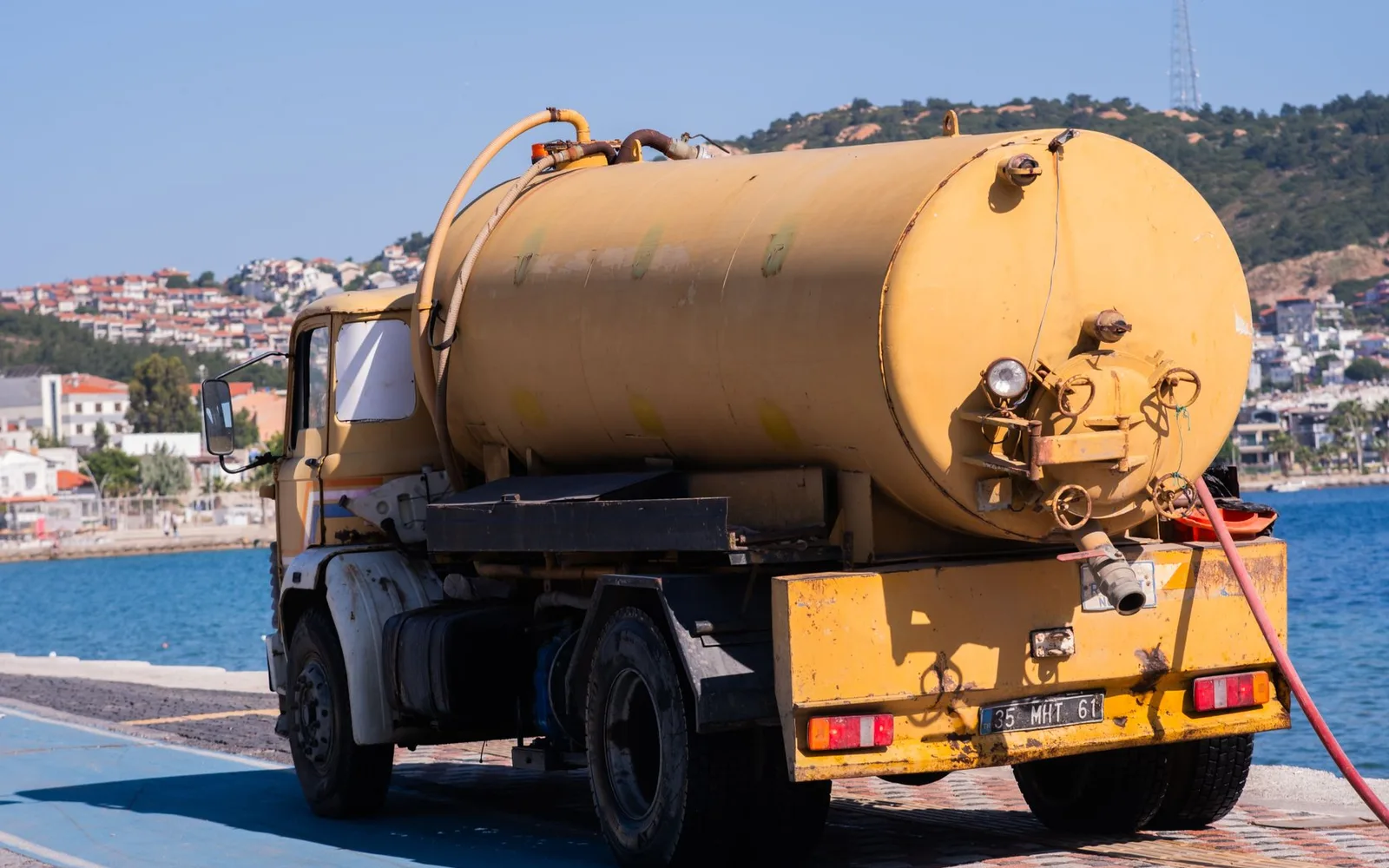
Water tank sealing in Al Bayban Makkah
Al Bayban is an ancient quarter perched on a hill north of the Grand Mosque, between Al Diyafah and Al Hajun off the old Madinah road. It holds Qasr Kuwair, built of local stone and lime in the early twentieth century with five storeys, and older houses climbing the slope. Tanks here sit at varying heights and face exposure to wind and moisture from the neighbouring wadi.
-
Potable-rated materials
Linings and disinfectants cleared for drinking water tanks, not general-purpose products.
-
You get the downtime first
How many hours the tank is out of service, told before we start rather than after we finish.
-
A first-draw flush
We run the first draw off after refilling, and the tank is not handed back until the water runs clear.
-
Ground and roof tanks
Villas, apartment blocks and premises that need a written record of each visit.
Why the job is different in Al Bayban
Houses and buildings were constructed of local stone and lime a hundred years ago or more, and tanks now suffer leaks because of weak mortar and weathered stone. The method is set out in full on our Water tank sealing service.
Tanks on historic stone houses
Qasr Kuwair and old houses are built of local stone and very weak lime mortar. Tanks placed on the roofs of these buildings leak through stone walls and eroded mortar joints.
Elevation, wind and wadi moisture exposure
Al Bayban sits on high ground and tanks face strong wind and moisture from the neighbouring wadi. Moisture penetrates stone and mortar, and wind causes vibration and cracking.
Primitive and historic tank materials
Old tanks in Al Bayban may be made of primitive cement or very weak concrete. Resealing these tanks requires care not to damage the historic building structure.
Landmarks of Al Bayban
Al Bayban is bounded by Hajun Street below and the Grand Mosque to the south, with Qasr Kuwair as the quarter's main landmark. Tank treatment accounts for the building's position on the slope and proximity to historic sites.
- Qasr Kuwair
- Hajun Street
- Madinah Road
- Hussain Arab Street
- Abdullah Arif Road
What we read before any material is opened
A historic quarter on a hill north of the Grand Mosque, between Al Diyafah and Al Hajun on the old Madinah road. It contains Qasr Kuwair, a five-storey stone palace, and old houses climbing the slope.
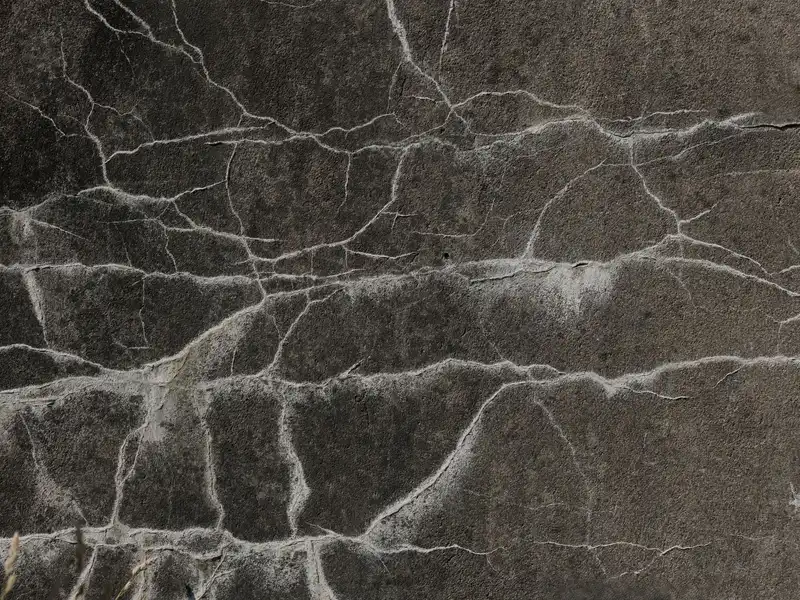
Cracking in the wall
External surface inspection reveals stone crumbling and mortar decay around the tank, the stone itself weakened and flaking from moisture.
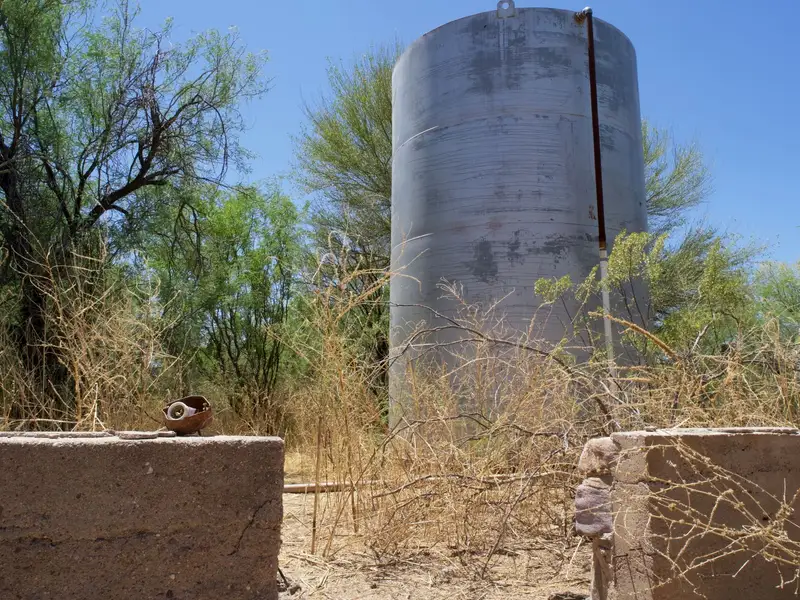
The floor to wall joint
Stone and mortar joint inspection shows gaps and weakness in joints, water running through them.
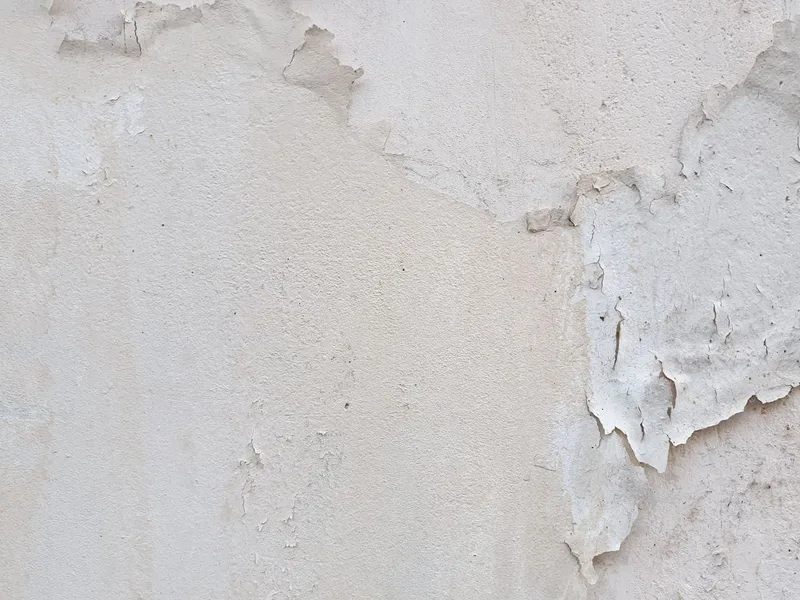
The condition of the old lining
Pipe and entry inspection finds old pipes penetrating weak stone without sealed joints.
Sediment and scale
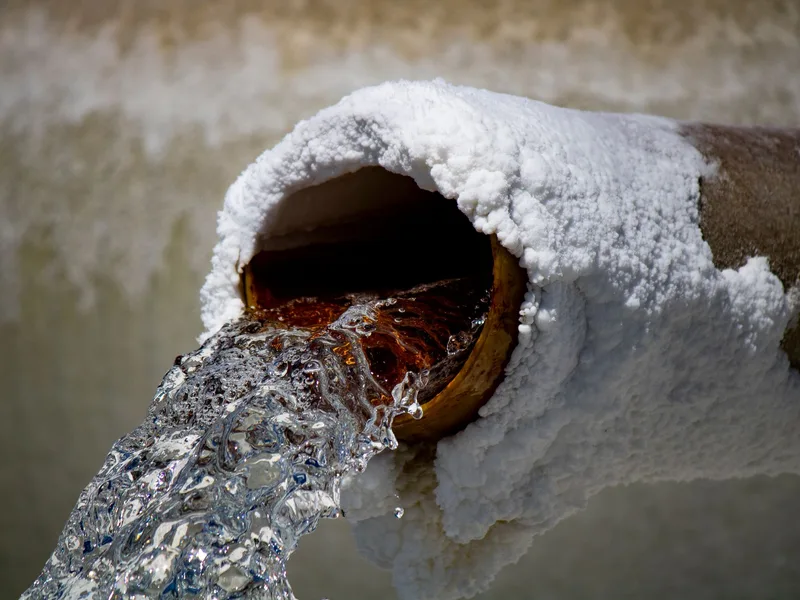
Internal inspection after emptying reveals heavy deposits of silt, fungi and bacteria accumulated over decades.
The pipe entries
Floor and corner inspection finds erosion of base stone, crumbled mortar and dangerous voids.
The hatch and the vent
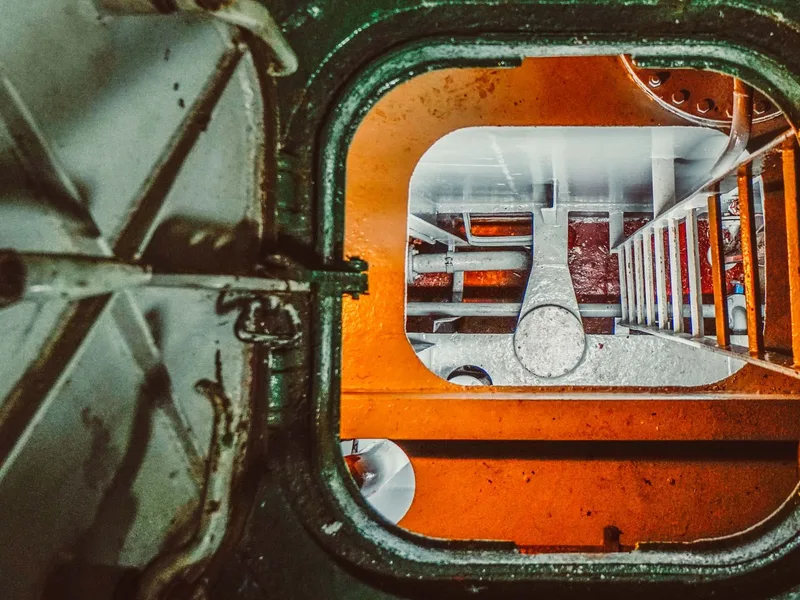
Final sterilisation is essential because old tanks may hold historic contaminants.
How we work
-
1
Inspect with the tank empty
We drain it and read the surface dry: whether the water leaves through a crack, a joint or a pipe collar, and what the outer face of the wall and the ceiling below are telling us. A level test with the valves closed separates a leaking tank from leaking pipework.
-
2
Clean and prepare the substrate
Sediment out, a high pressure wash, the loose old lining and the weak surface layer of the concrete taken back, then dried. The material grips sound substrate and nothing else.
-
3
Make the cracks and joints good
Cracks are chased out and filled with a repair mortar, a cove is formed where the floor meets the wall, and every pipe collar is treated on its own.
-
4
Lining, fill test, sterilisation
Successive coats, each run across the one beneath it, on the face the water touches. Then a full cure, a fill with the level watched, and sterilisation with the first fill run to waste before the tank returns to use.
What water tank sealing includes
-

Finding where the water leaves
Carried out drained and dry: cracks, joints, pipe collars and the outer face of the wall.
-

Draining and sediment removal
The last of the water and the settled layer on the floor come out, because a lining does not stick over sediment.
-

Cracks and joints made good
The crack opened and filled, a cove formed at the floor to wall junction, and each pipe entry worked separately.
-

Lining coats on the water face
More than one coat, each crossing the one below, in material made for drinking water tanks rather than roof waterproofing.
-

Curing, fill test and sterilisation
The material is left to cure, the tank is filled and the level watched, then sterilised and the first fill run to waste. How long the cure takes follows the material and the weather, and we tell you before the date so you can plan around the supply.
-

A follow-up level check
We come back once it is in service to read the level and check the outer face, because any remaining loss shows up then rather than on the day of the work.
What is different about Al Utaybiyah Sub-Municipality
Al Utaybiyah sub municipality covers the old districts north of the Grand Mosque: the hillside quarters of Al Hajun, Al Utaybiyah and Al Bayban, Al Zahir and Al Shuhada at the northern entrance, and the newer Al Zahra, Al Diyafah and An Nuzhah westward. Its building stock is among the oldest in Makkah, stone houses on the hills, packed apartment blocks and sewers decades old, threaded with crowded markets like the Utaybiyah souq and furnished flats that fill in the pilgrim seasons. Wadi Al Zahir and Wadi Al Tanim carry storm water through it, and industrial workshops line Hajj Street.
Questions about this district
Do tanks in old stone houses need a different sealing method?
Yes, the stone and mortar are very weak and sensitive to chemical treatments. We use gentle sealing that preserves the old stone structure.
Why does wind and wadi moisture accelerate leaks?
Wind causes continuous vibration and moisture penetrates weak stone and eroded mortar. Together they speed tank deterioration.
Can we preserve Qasr Kuwair and the historic houses while repairing tanks?
Yes, we use modern sealing materials but apply them carefully to the historic structure. The aim is to preserve historic value.
What is the added cost of sealing in Al Bayban because of the historic building nature?
Historic structures require more manual work and greater care. Specialist materials and additional inspections increase cost.
Can historic tanks cause health issues during repair?
Yes, old tanks may hold layers of silt and fungus. Complete cleaning and sterilisation is required before use.
Do we need historic permits for tank repairs in Al Bayban?
If the building is heritage-protected, we may need to consult specialist authorities. We ensure repairs do not damage historic value.
How much does water tank sealing in Al Bayban cost?
It is set after the inspection, because the price follows the type of infestation, the size of the space, how far it has spread and the number of visits it needs. Send a photo and a description on WhatsApp and we will give you an estimate before we reach Al Bayban.
Nearby districts we cover
Other services in Al Bayban
Other services we provide to residents of Al Bayban.
-
 Water tanks
Water tank cleaning
-
 Water tanks
Water tank sterilization
-
 Water tanks
Tank leak repair
-
 Residential
Cockroach control
Need water tank sealing in Al Bayban? Tell us what you saw and we will tell you what it needs
We reach Al Bayban at a time we agree, and you get the full cost before we start.