
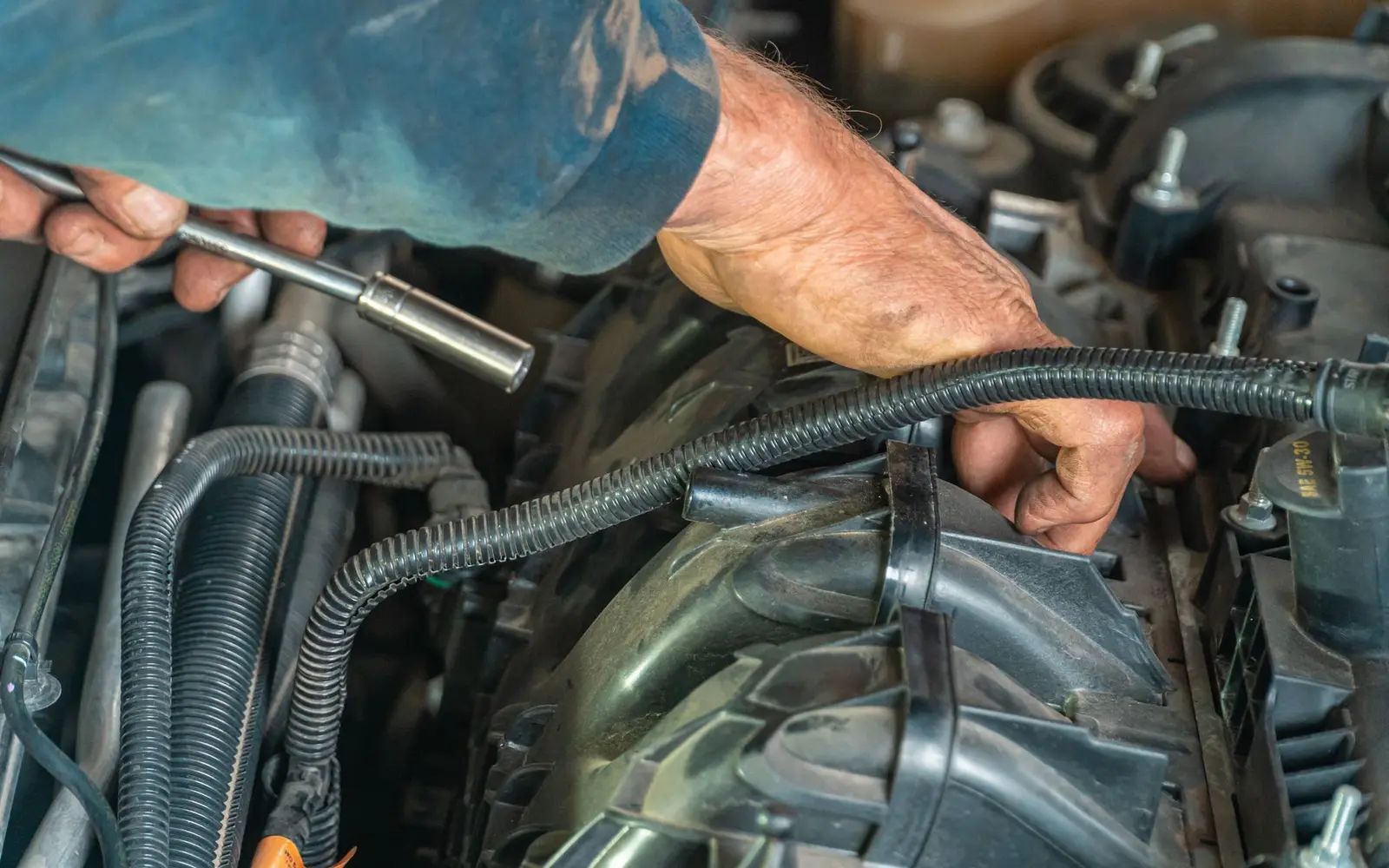
Tank leak repair in Al Kaakiyah Makkah
Al Kaakiyah is a dense residential quarter south of Makkah on the Al Layth road, with mostly old and new apartment blocks. Tanks here leak because of pressure from high population density and intensive use. Proximity to Souq Al Halaqa means high humidity from livestock, birds and fresh produce, which accelerates metal corrosion and concrete damage.
-
Potable-rated materials
Linings and disinfectants cleared for drinking water tanks, not general-purpose products.
-
You get the downtime first
How many hours the tank is out of service, told before we start rather than after we finish.
-
A first-draw flush
We run the first draw off after refilling, and the tank is not handed back until the water runs clear.
-
Ground and roof tanks
Villas, apartment blocks and premises that need a written record of each visit.
Why the job is different in Al Kaakiyah
The quarter is densely packed and tanks on roofs and ground floors are old, with humidity and salt from nearby Souq Al Halaqa causing very rapid corrosion. The method is set out in full on our Tank leak repair service.
Metal tanks under intense pressure and high humidity
Metal tanks in apartment blocks bear pressure from many floors and intensive continuous use. Humidity from nearby Souq Al Halaqa carries salt, and damp air speeds metal corrosion dramatically.
Entry points and bases weakened by salt and moisture
Old tanks have welded or damaged entry points. Salt carried by air from the market deposits on metal and causes deep rust and holes in the base and pipes.
Intensive use and heavy water demand stress the tanks
Dense buildings use water continuously and tanks fill and empty quickly. Repeated pressure and drainage cycles cause cracks and weak points in metal.
Landmarks of Al Kaakiyah
Access to Al Kaakiyah runs via Al Layth Road from the north and internal streets, with Souq Al Halaqa as an eastern landmark and Al Shawqiyah to the west and Al Ukayshiyah to the south.
- Al Layth Road
- Third Ring Road
- Souq Al Halaqa
- Central Vegetable Market
- Dates Market
- Jabal Al Sard
Where the water leaves decides how it is repaired
A residential quarter in southern Makkah on Al Layth Road, densely built with apartment housing, named after Abdullah Kaaki who founded the original scheme. Al Shawqiyah lies to the west, Al Ukayshiyah to the south and east, and Souq Al Halaqa sits within it.
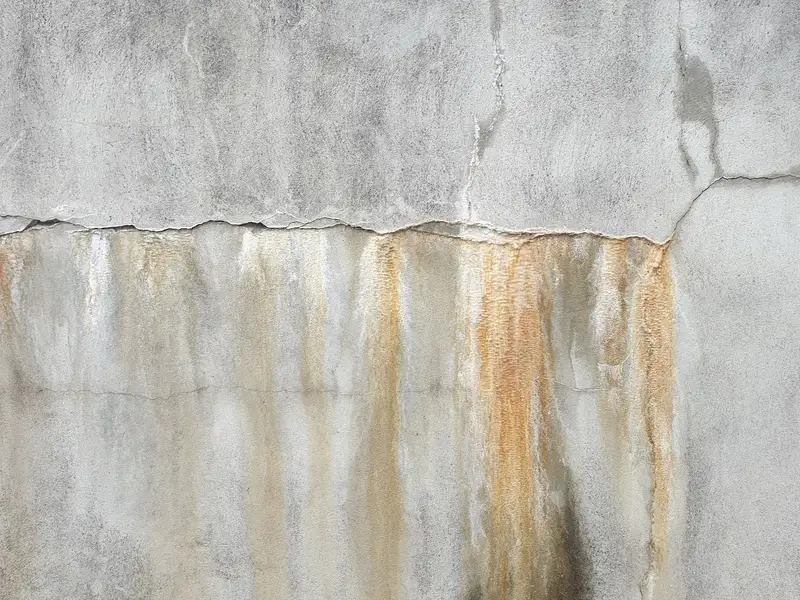
Damp and salt on the outside wall
Measuring level drop tells us if the leak is from steady rust or from varying pressure cycles.
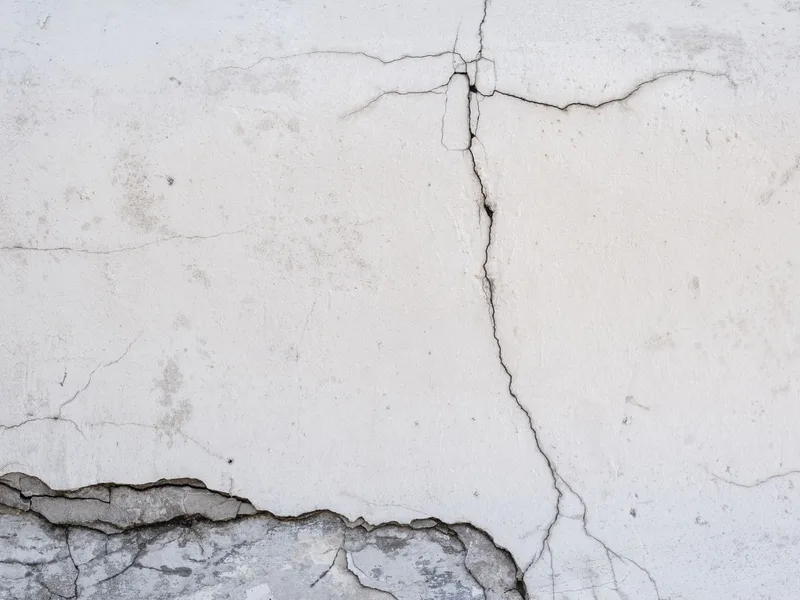
The kind of crack
Inspecting rust, holes and cracks shows how much the tank is affected by salt and humidity from the nearby market.
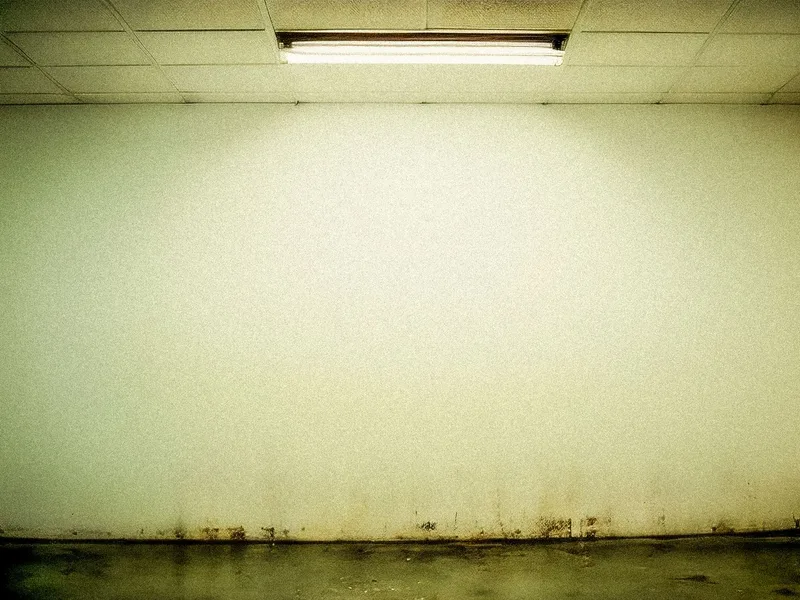
The wall to floor junction
Draining, drying the tank and removing rust allows precise repair before fresh lining is applied.
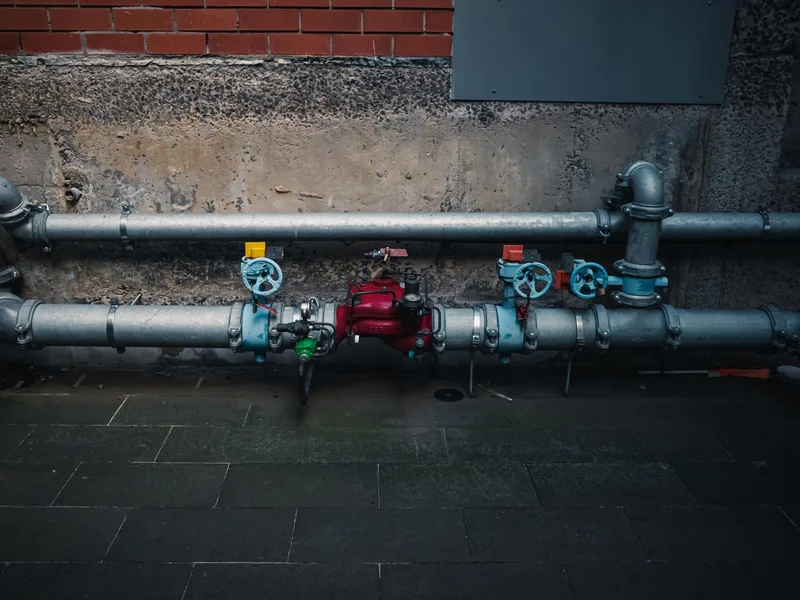
Pipe entries
High humidity and salt from the market cause very rapid metal rust in the base, walls and pipes.
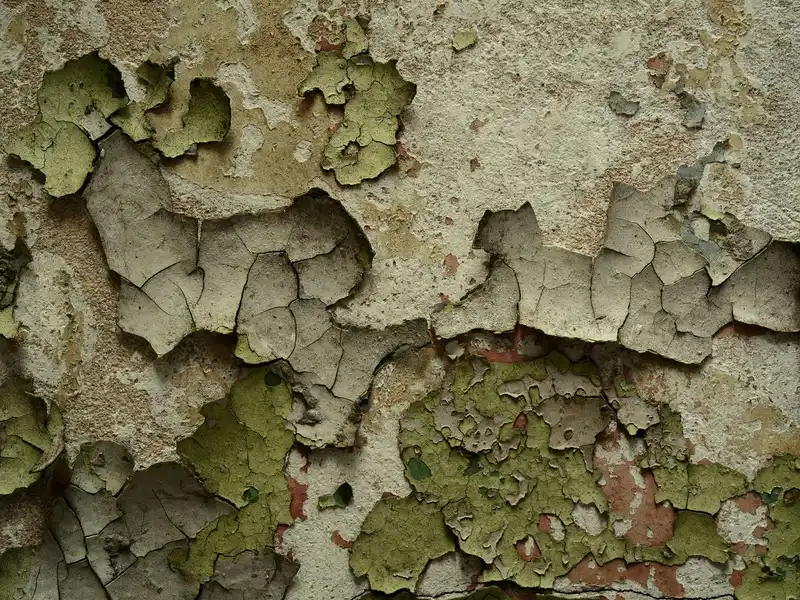
The condition of the old lining
Holes and cracks start on the exterior where salt concentrates, then spread inward.
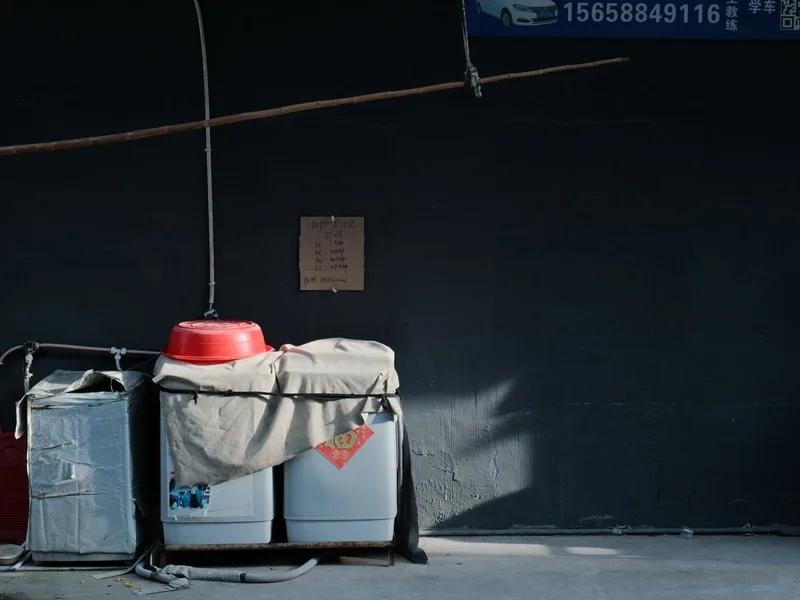
What the tank is made of
Leaks worsen quickly because rust expands and small holes become large within weeks.
How we work
-
1
Inspect and locate the leak
We close the float valve and the outlet, mark the water level and watch it fall, then check the fittings and the wall beside it. That separates a tank leak from a pipe leak or a float valve that never shuts.
-
2
Drain, clean and dry
We empty the tank, lift the sediment off the base, wash back to sound concrete and let the surface dry. No repair holds on a damp or dusty face.
-
3
Repair the cracks and the entries
We cut the crack open, fill it with a non-shrink mortar, inject anything still weeping and rebuild around the pipe sleeve. A joint that moves takes a flexible detail, not a rigid one.
-
4
Refill, test, then sterilise
We refill, read the level again to confirm the drop has stopped, then sterilise before the water is used, because the tank has been open with tools and hands inside it.
What tank leak repair includes
-

A marked level test
A reading before and after with everything shut, which establishes that the loss is the tank and not the plumbing.
-

Draining and sediment removal
Water and silt out of the base, so the floor and the walls can be seen as they really are.
-

Pressure wash and dry back
The weak layer and the dust come off, because a repair only holds on sound concrete.
-
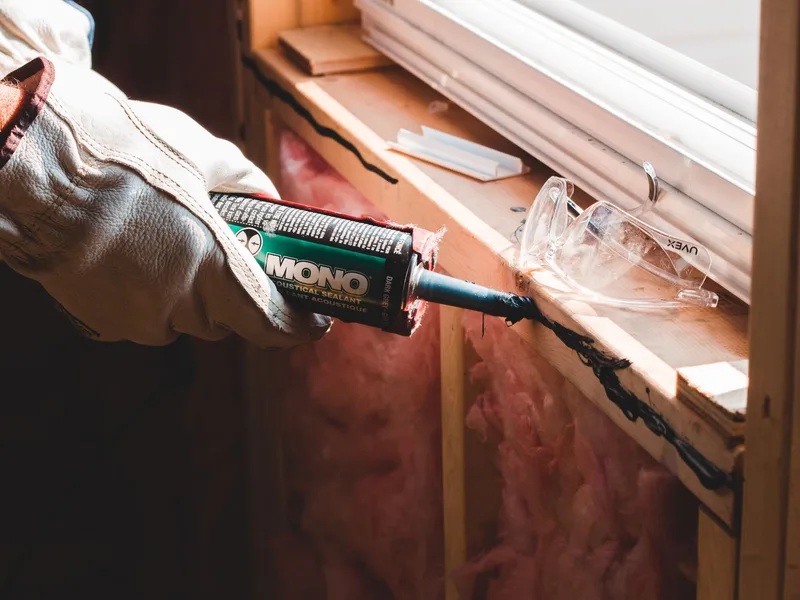
Cracks opened and filled
The crack is cut open and filled with a non-shrink mortar, and anything still weeping under water pressure is injected.
-

Refill and a recorded test
We refill, read the level again and write the reading down, so the result is not a matter of opinion.
-

Sterilised and back in service
A wash and a sterilisation once the material has cured, and guidance on running the first fill off before the water is used.
What is different about Al Shawqiyah Sub-Municipality
Al Shawqiyah sub municipality runs south from the Third Ring Road to the city's edge on the Al Layth road and the Jeddah expressway. Planned districts such as Al Shawqiyah, Al Malik Fahd and Bathaa Quraish have wide streets, villas and apartment blocks, while schemes in Wali Al Ahd are being built out and informal housing in Al Ukayshiyah and Al Zuhur is being cleared. The vegetable market and livestock auction at Souq Al Halaqa, open construction sites, the rocky slopes of Jabal Thawr and sewers still being laid through the southern fringe offer exposed food, shelter and moisture.
Questions about this district
Does humidity from the market cause the rapid leaks?
Yes. Salt and damp air from Souq Al Halaqa speed metal corrosion dramatically. Metal tanks here leak faster than in other quarters.
How do we tell if the leak is from rust or from pressure?
We close the float and outlet and watch the level. Rust causes steady slow leaks and pressure causes leaks that worsen with use.
Is tank replacement better than repair and lining here?
If rust is deep and holes are multiple, replacement is best. If rust is surface and cracks are few, repair and lining solves it.
What protects a tank from market salt and corrosion?
Lining offers strong rust protection but if rust exists before lining it must be removed. Concrete tanks resist salt better than metal.
Are concrete tanks better than metal ones in this quarter?
Yes. Concrete resists salt and moisture better. But weak concrete may crack from pressure and heat.
How often must we reline tanks in this humid saline environment?
Modern lining lasts many years but in a highly saline area we may need inspection every two years. Old metal tanks may need fresh lining every five years.
How much does tank leak repair in Al Kaakiyah cost?
It is set after the inspection, because the price follows the type of infestation, the size of the space, how far it has spread and the number of visits it needs. Send a photo and a description on WhatsApp and we will give you an estimate before we reach Al Kaakiyah.
Nearby districts we cover
Other services in Al Kaakiyah
Other services we provide to residents of Al Kaakiyah.
-
 Water tanks
Water tank cleaning
-
 Water tanks
Water tank sterilization
-
 Water tanks
Water tank sealing
-
 Residential
Cockroach control
Need tank leak repair in Al Kaakiyah? Tell us what you saw and we will tell you what it needs
We reach Al Kaakiyah at a time we agree, and you get the full cost before we start.