
Tank leak repair in Al Ukayshiyah Makkah
Al Ukayshiyah is a mixed quarter in southern Makkah with apartment blocks, informal housing and varied tank types. Construction works are ongoing and new water and sewerage lines increase the risk of leaks. Old tanks and the pipes beneath them are exposed to cracks and high pressure from the new distribution network.
-
Potable-rated materials
Linings and disinfectants cleared for drinking water tanks, not general-purpose products.
-
You get the downtime first
How many hours the tank is out of service, told before we start rather than after we finish.
-
A first-draw flush
We run the first draw off after refilling, and the tank is not handed back until the water runs clear.
-
Ground and roof tanks
Villas, apartment blocks and premises that need a written record of each visit.
Why the job is different in Al Ukayshiyah
The mix of old and new buildings means tanks vary widely in age, quality and placement, and ongoing construction work strains the water infrastructure. The method is set out in full on how we approach Tank leak repair.
Tanks in old informal buildings
Many buildings here have tanks placed haphazardly on roofs or in shallow foundations. Cracks start from ground movement, moisture and salt in the soil.
New and old water pipes run side by side
New work has laid pipes alongside existing ones. Pressure differences and material mismatches cause leaks at joints and valve connections.
Rain season and open excavation worsen leaks
During rainy periods, water seeps from tanks and buried pipes. Open trenches provide additional leak paths and soil subsidence presses on buried tanks.
The character of Al Ukayshiyah
Mixed district: shops at street level with homes above them
The quarter is mixed between old and new buildings with highly varied tanks in size, quality and placement. Informal buildings install tanks without prior planning, while modern buildings have better tanks but surrounded by construction that affects them. Repair work must account for informal building structures, old pipes and new pressure simultaneously.
Where the water leaves decides how it is repaired
A mixed quarter in south Makkah between Al Layth Road and Ibrahim Al Khalil Road, adjoining Souq Al Halaqa. It contains informal and modern buildings, with active paving and sewerage works, a pilgrim bus terminal, and land earmarked for an industrial estate.
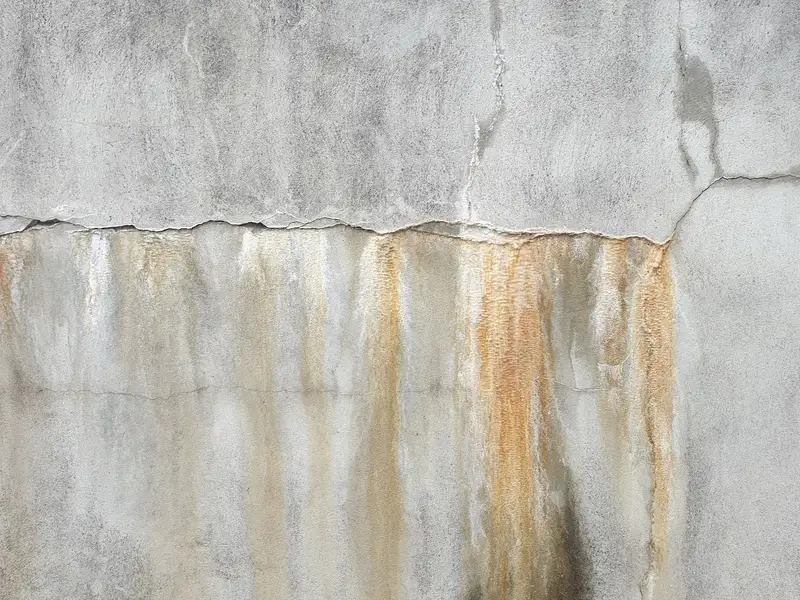
Damp and salt on the outside wall
Cracks in tank walls from ground movement and high pressure from the new network cause slow continuous leaks.
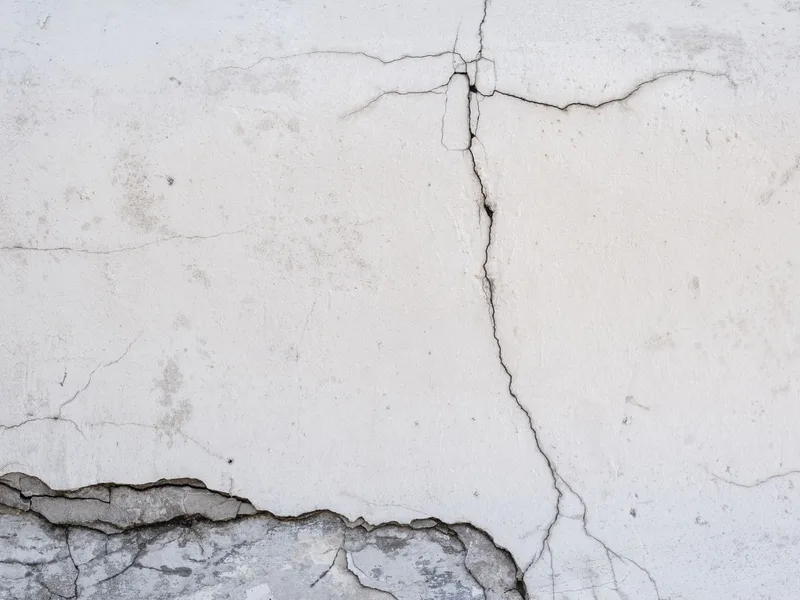
The kind of crack
Leaks at the internal and external pipe entry points because connections are weak and new and old pipes do not match.
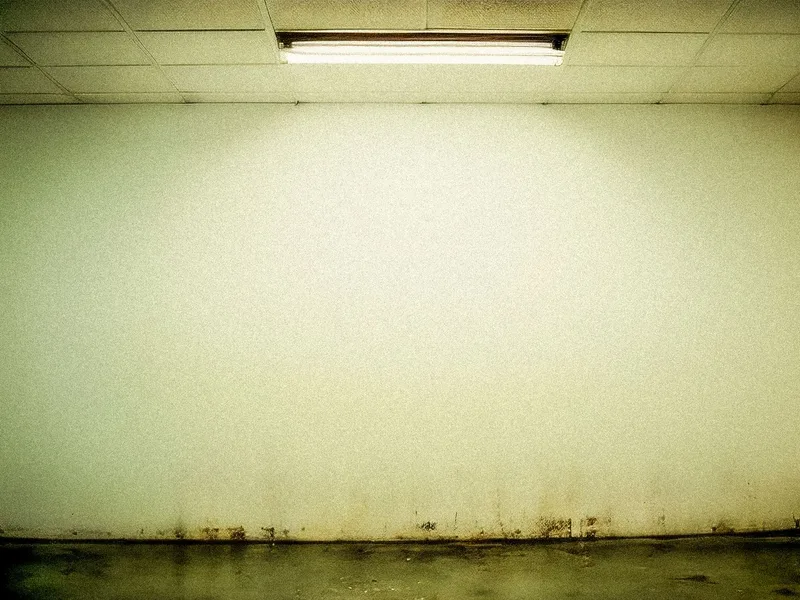
The wall to floor junction
Uneven pressure from the public network stresses weak tanks and causes leaks at weak points.
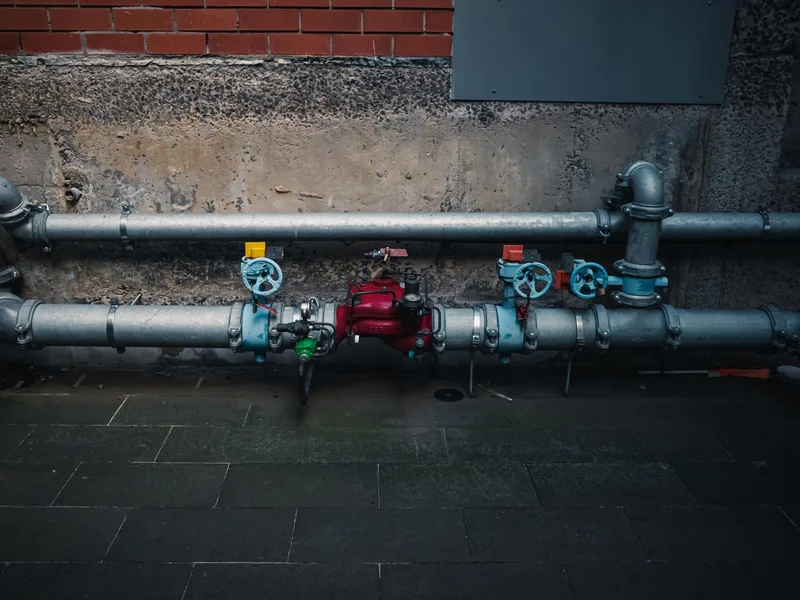
Pipe entries
High moisture and soil salt penetrate shallow buried tanks near ground level.
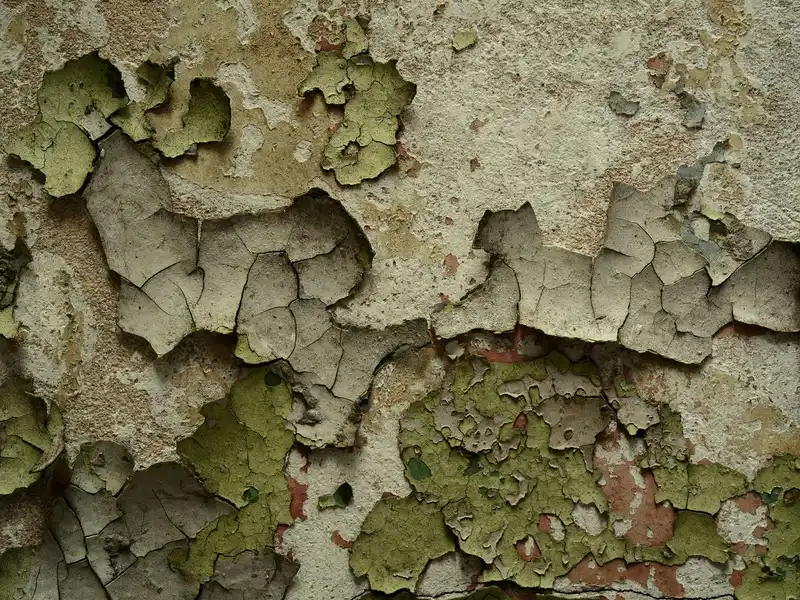
The condition of the old lining
Buried tanks in shallow foundations shift with excavation and construction work around them.
What the tank is made of
The overflow valve and weak shut-offs show excess pressure on the tank during new pump hours.
How we work
-
1
Inspect and locate the leak
We close the float valve and the outlet, mark the water level and watch it fall, then check the fittings and the wall beside it. That separates a tank leak from a pipe leak or a float valve that never shuts.
-
2
Drain, clean and dry
We empty the tank, lift the sediment off the base, wash back to sound concrete and let the surface dry. No repair holds on a damp or dusty face.
-
3
Repair the cracks and the entries
We cut the crack open, fill it with a non-shrink mortar, inject anything still weeping and rebuild around the pipe sleeve. A joint that moves takes a flexible detail, not a rigid one.
-
4
Refill, test, then sterilise
We refill, read the level again to confirm the drop has stopped, then sterilise before the water is used, because the tank has been open with tools and hands inside it.
What tank leak repair includes
-

A marked level test
A reading before and after with everything shut, which establishes that the loss is the tank and not the plumbing.
-

Draining and sediment removal
Water and silt out of the base, so the floor and the walls can be seen as they really are.
-

Pressure wash and dry back
The weak layer and the dust come off, because a repair only holds on sound concrete.
-

Cracks opened and filled
The crack is cut open and filled with a non-shrink mortar, and anything still weeping under water pressure is injected.
-

Refill and a recorded test
We refill, read the level again and write the reading down, so the result is not a matter of opinion.
-

Sterilised and back in service
A wash and a sterilisation once the material has cured, and guidance on running the first fill off before the water is used.
What is different about Al Shawqiyah Sub-Municipality
Al Shawqiyah sub municipality runs south from the Third Ring Road to the city's edge on the Al Layth road and the Jeddah expressway. Planned districts such as Al Shawqiyah, Al Malik Fahd and Bathaa Quraish have wide streets, villas and apartment blocks, while schemes in Wali Al Ahd are being built out and informal housing in Al Ukayshiyah and Al Zuhur is being cleared. The vegetable market and livestock auction at Souq Al Halaqa, open construction sites, the rocky slopes of Jabal Thawr and sewers still being laid through the southern fringe offer exposed food, shelter and moisture.
Questions about this district
How do we know the leak is in the tank itself and not the pipes?
We close the float valve and outlet and monitor water level fall. If it drops, the leak is in the tank itself or the pipe entry beneath it.
Do new pipes leak more than old ones in this quarter?
New pipes themselves may be sound, but their joints to old pipes are weak. Uneven pressure causes leaks at connections.
Why do leaks worsen after construction work?
Excavation, vibration and ground pressure shift pipes and crack buried tanks.
Is fixing one apartment enough or must the whole tank be inspected?
The whole tank must be inspected and dried. One leak may be visible but the tank may have other cracks.
Does tank lining stop the leak without repairing the cracks?
No. Lining over unrepaired cracks does not last. We repair the crack first, then clean and line the tank.
How long does repairing a buried tank in this quarter typically take?
It depends on tank location and crack severity. A buried tank may need excavation and drainage, taking two days or longer.
How much does tank leak repair in Al Ukayshiyah cost?
It is set after the inspection, because the price follows the type of infestation, the size of the space, how far it has spread and the number of visits it needs. Send a photo and a description on WhatsApp and we will give you an estimate before we reach Al Ukayshiyah.
Nearby districts we cover
Other services in Al Ukayshiyah
Other services we provide to residents of Al Ukayshiyah.
-
 Water tanks
Water tank cleaning
-
 Water tanks
Water tank sterilization
-
 Water tanks
Water tank sealing
-
 Residential
Cockroach control
Need tank leak repair in Al Ukayshiyah? Tell us what you saw and we will tell you what it needs
We reach Al Ukayshiyah at a time we agree, and you get the full cost before we start.