
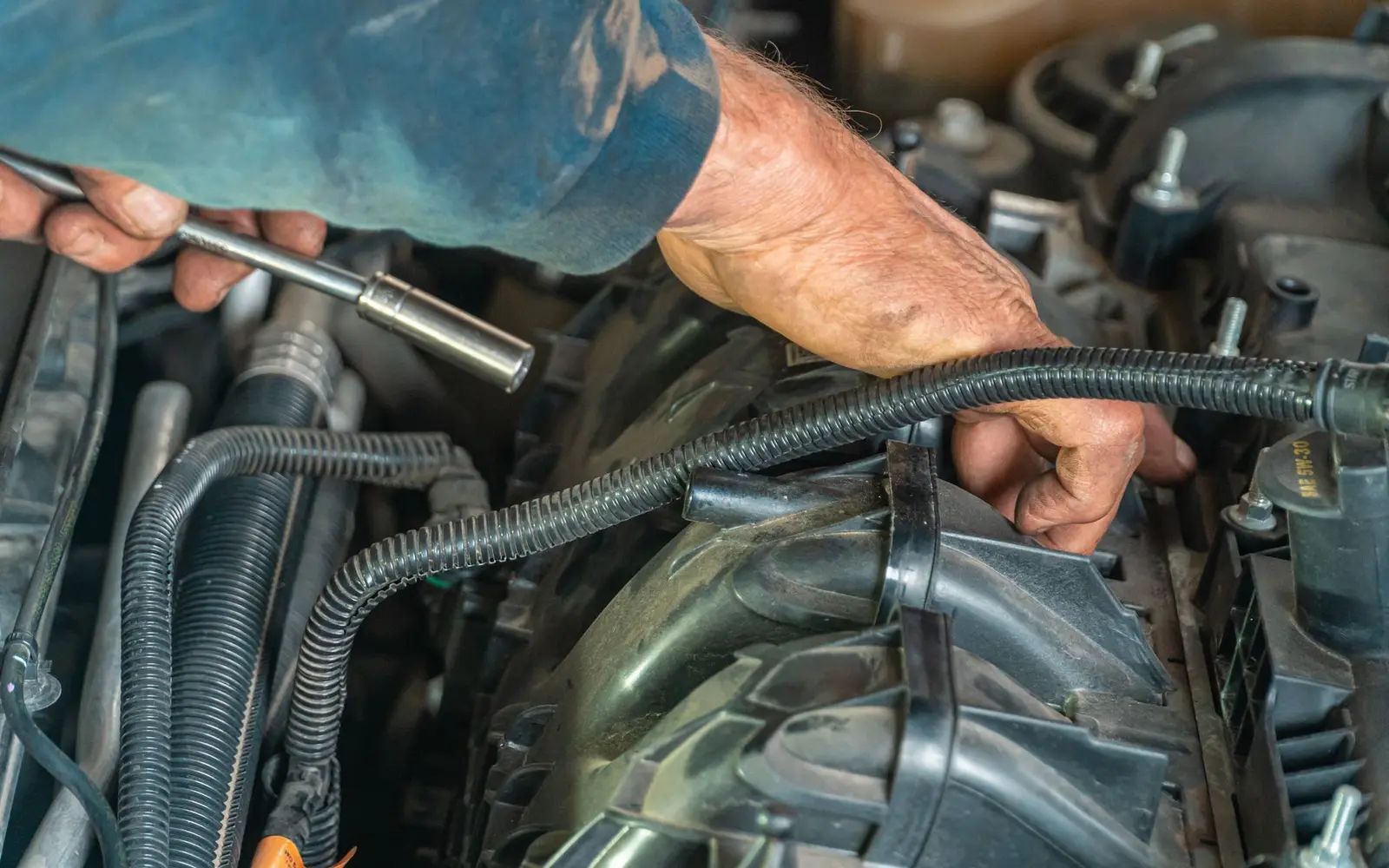
Tank leak repair in Al Shubaikah Makkah
Al Shubaikah is one of Makkah's oldest quarters, with ageing houses and narrow alleys facing the Grand Mosque from the Hazwarah side. The buildings are very old and some tanks may be older than the quarter itself. Concrete tanks here have leaked for years from age, salt and the moisture drifting from the nearby shrine. We close the float valve and outlet, watch the level, then drain and inspect crack sites before sealing.
-
Potable-rated materials
Linings and disinfectants cleared for drinking water tanks, not general-purpose products.
-
You get the downtime first
How many hours the tank is out of service, told before we start rather than after we finish.
-
A first-draw flush
We run the first draw off after refilling, and the tank is not handed back until the water runs clear.
-
Ground and roof tanks
Villas, apartment blocks and premises that need a written record of each visit.
Why the job is different in Al Shubaikah
Most houses were built over a hundred years ago, and the original concrete tanks still sit on rooftops despite their age. The method is set out in full on Tank leak repair in detail.
Concrete tanks decades old
Old concrete tanks in Al Shubaikah were made with primitive methods and weak mortar. Salt in the humid air and moisture drifting from the nearby shrine seep slowly into the concrete, and visible cracks emerge after 30 or 40 years.
Old house foundations slope unevenly
Houses in Al Shubaikah rest on very old foundations, with uneven levels. Tanks sit on slightly tilted roofs, so water pressure is uneven across the tank. This causes cracks at corners and the base.
Moisture from the shrine and tight lanes
Narrow alleys block airflow and moisture concentrates here. The shrine nearby sends high humidity, and tanks face direct contact with this moisture all day and night.
The character of Al Shubaikah
Historic district: close-set buildings, narrow lanes and ageing services
Al Shubaikah is very old, and its tanks reflect the age of the houses themselves. Old concrete, salt, moisture and tilted foundations mean repair must account for the tank likely failing again soon. Lining is necessary even for minor repairs here.
Where the water leaves decides how it is repaired
An ancient quarter among Makkah's oldest, with narrow alleys and old houses beneath Jabal Omar and Jabal Al Sharashif. It sits with Al Hajlah to the east, the historic Al Shubaikah cemetery at its heart and Khalid ibn Al Walid Mosque in Harat Al Bab.
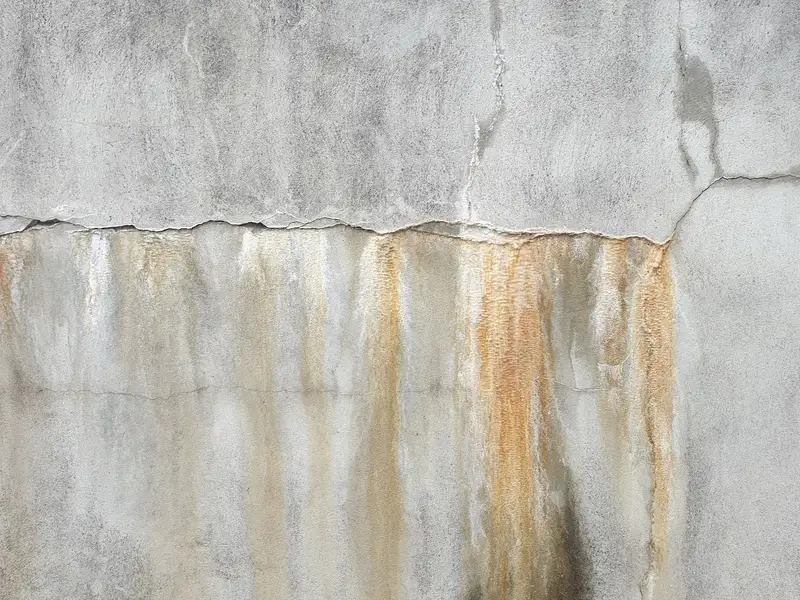
Damp and salt on the outside wall
Horizontal cracks appear in the lower third of the tank where pressure is highest and salt concentrates in the concrete.
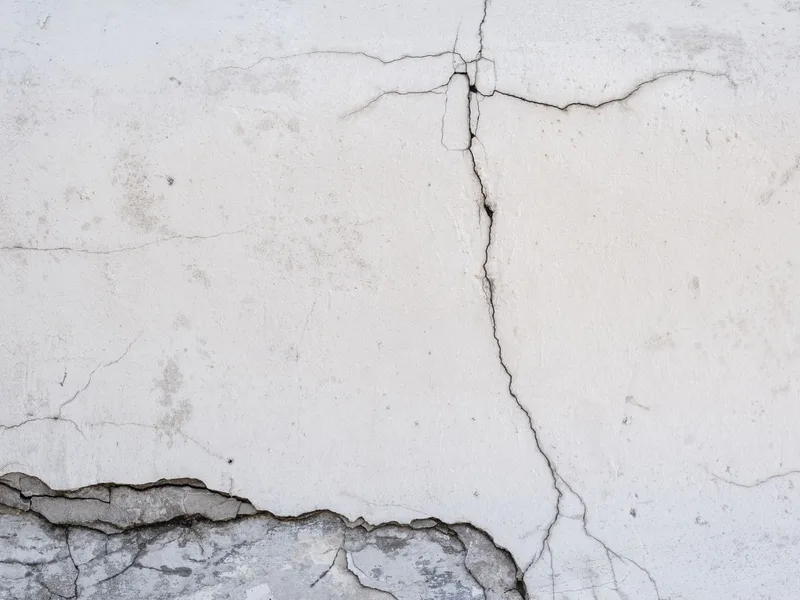
The kind of crack
Pipe entry holes leak because the concrete around pipes cracks from pressure and steel expansion.
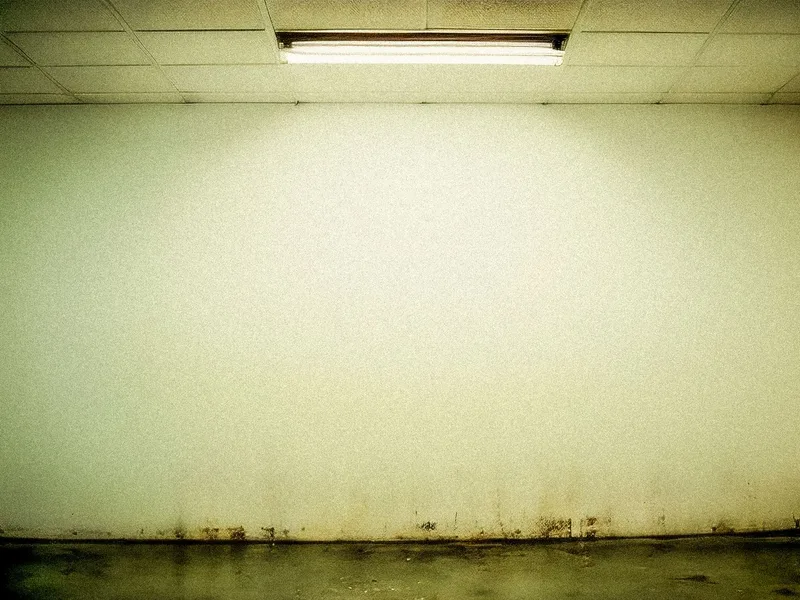
The wall to floor junction
The concrete itself crumbles slowly from salt and moisture, leaving wet stains on the tank exterior.
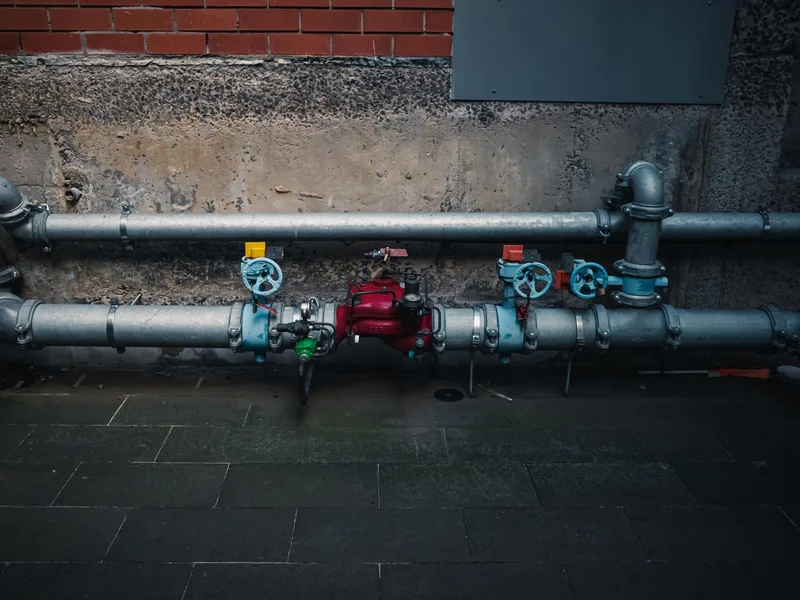
Pipe entries
Humidity is very high from narrow alleys, the nearby shrine and salt-laden air reaching every tank.
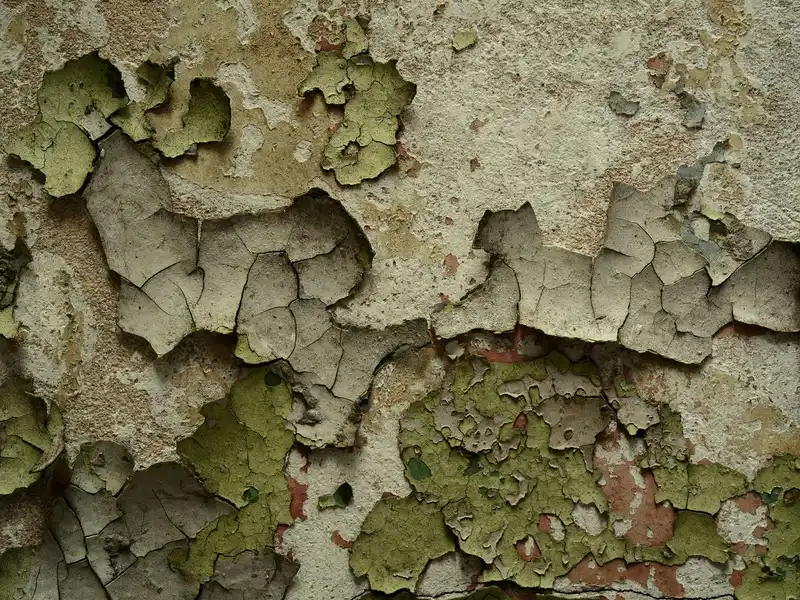
The condition of the old lining
Tanks absorb moisture from the air even when empty, and internal humidity speeds rust and decay.
What the tank is made of
Previously patched tanks leak again near old repairs because the concrete around earlier seals is weak.
How we work
-
1
Inspect and locate the leak
We close the float valve and the outlet, mark the water level and watch it fall, then check the fittings and the wall beside it. That separates a tank leak from a pipe leak or a float valve that never shuts.
-
2
Drain, clean and dry
We empty the tank, lift the sediment off the base, wash back to sound concrete and let the surface dry. No repair holds on a damp or dusty face.
-
3
Repair the cracks and the entries
We cut the crack open, fill it with a non-shrink mortar, inject anything still weeping and rebuild around the pipe sleeve. A joint that moves takes a flexible detail, not a rigid one.
-
4
Refill, test, then sterilise
We refill, read the level again to confirm the drop has stopped, then sterilise before the water is used, because the tank has been open with tools and hands inside it.
What tank leak repair includes
-

A marked level test
A reading before and after with everything shut, which establishes that the loss is the tank and not the plumbing.
-

Draining and sediment removal
Water and silt out of the base, so the floor and the walls can be seen as they really are.
-

Pressure wash and dry back
The weak layer and the dust come off, because a repair only holds on sound concrete.
-

Cracks opened and filled
The crack is cut open and filled with a non-shrink mortar, and anything still weeping under water pressure is injected.
-

Refill and a recorded test
We refill, read the level again and write the reading down, so the result is not a matter of opinion.
-

Sterilised and back in service
A wash and a sterilisation once the material has cured, and guidance on running the first fill off before the water is used.
What is different about Ajyad Sub-Municipality
Ajyad sub municipality takes in the districts that press against the Grand Mosque from the south and west: Ajyad, Al Hajlah, Al Shubaikah, Al Tandabawi and Al Mansour. Hotels and rented apartment blocks for Umrah visitors stack up along Ajyad Street and Ibrahim Al Khalil Street, with kitchens and restaurants running aday and night in season. Behind them, Al Shubaikah and Al Tandabawi keep narrow old lanes on hillside ground where buildings and drains are ageing, and demolition and construction sites are a constant presence around Jabal Omar and the central zone.
Questions about this district
Should a very old tank be replaced instead of repaired?
Not necessarily. If cracks are limited we can seal them and line the tank. But if concrete is salt-degraded replacement may be cheaper.
Does the Al Shubaikah leak come from the tank or old pipes?
We close the float valve and outlet and watch. If it keeps falling the leak is the tank. Old pipes also leak but at different points.
Why does salt destroy Al Shubaikah tanks so fast?
Damp air here carries salt. Salt enters concrete and corrodes the embedded steel. Steel expands and the concrete cracks from inside.
Is tank repair alone enough or must I replace the pipes too?
We may repair the tank but old pipes may leak elsewhere afterward. It is better to inspect pipes and repair what is needed alongside the tank.
Does living in an old house change how the tank is repaired?
Yes. Old foundations and uneven roofs mean the tank may be tilted. We must understand how the tank is fixed before repairing.
How many times should a tank be repaired before replacement?
If cracks return within a year or two the concrete is too weak and replacement is better than repeated repair.
How much does tank leak repair in Al Shubaikah cost?
It is set after the inspection, because the price follows the type of infestation, the size of the space, how far it has spread and the number of visits it needs. Send a photo and a description on WhatsApp and we will give you an estimate before we reach Al Shubaikah.
Nearby districts we cover
Other services in Al Shubaikah
Other services we provide to residents of Al Shubaikah.
-
 Water tanks
Water tank cleaning
-
 Water tanks
Water tank sterilization
-
 Water tanks
Water tank sealing
-
 Residential
Cockroach control
Need tank leak repair in Al Shubaikah? Tell us what you saw and we will tell you what it needs
We reach Al Shubaikah at a time we agree, and you get the full cost before we start.