
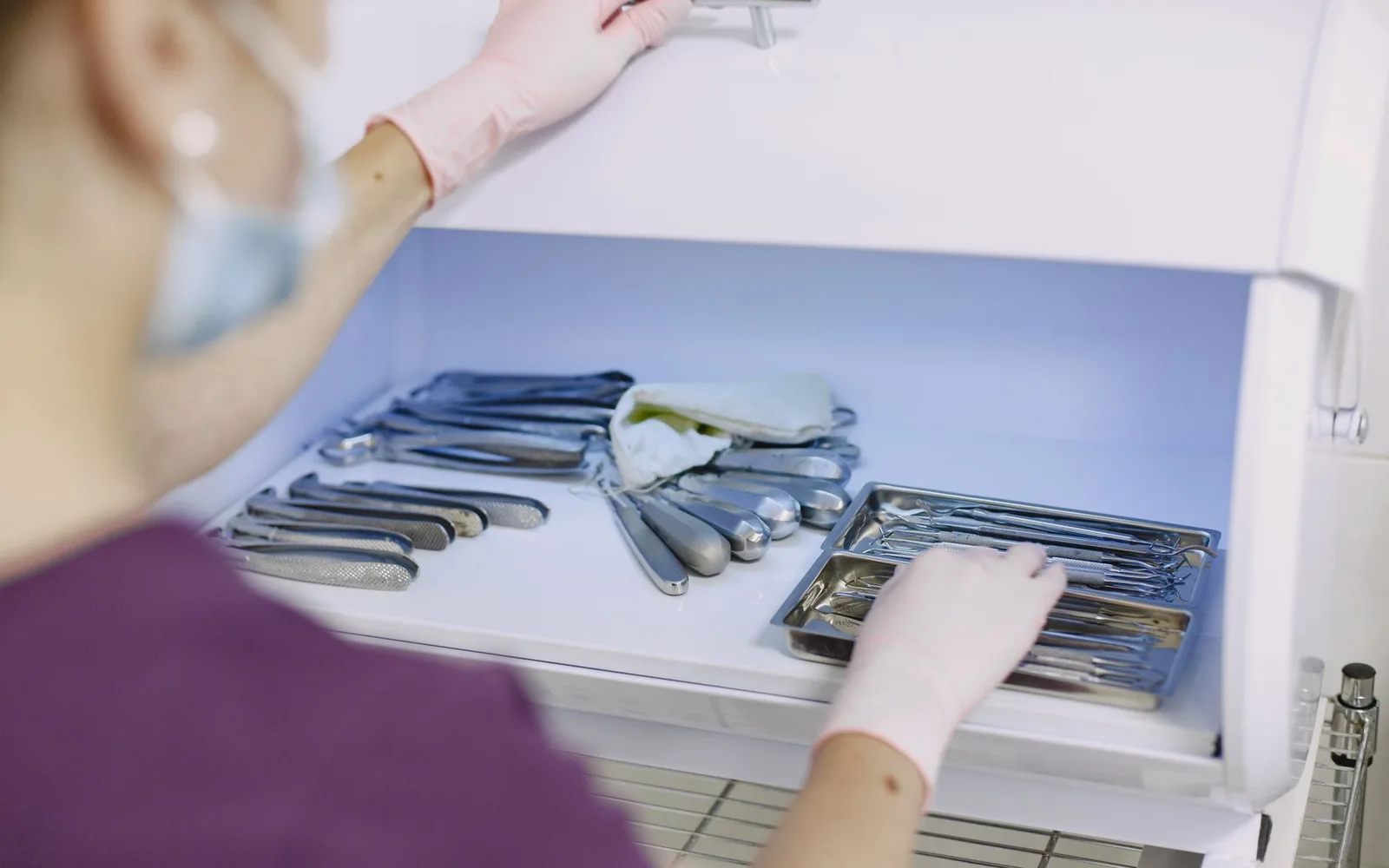
Water tank sterilization in Al Shubaikah Makkah
Al Shubaikah is one of the oldest quarters of Makkah, overlooking the Grand Mosque from the Hazwarah side. Old buildings and apartment blocks stand beneath Jabal Omar and Jabal Al Sharashif, and the tanks here are very ancient with heavy sediment and slime buildup. Tank cleaning requires complete emptying and sludge removal from the floor before sterilization can begin.
-
Potable-rated materials
Linings and disinfectants cleared for drinking water tanks, not general-purpose products.
-
You get the downtime first
How many hours the tank is out of service, told before we start rather than after we finish.
-
A first-draw flush
We run the first draw off after refilling, and the tank is not handed back until the water runs clear.
-
Ground and roof tanks
Villas, apartment blocks and premises that need a written record of each visit.
Why the job is different in Al Shubaikah
Buildings here date back decades or centuries and tanks are fixed to rooftops, walls or basement floors; many have not been cleaned in years. The method is set out in full on how we approach Water tank sterilization.
Tanks mounted on ancient rooftops
Rooftops here are narrow and very high, with large tanks secured using old methods. Access is difficult and the tank itself may need reinforcement before cleaning begins.
Heavy sediment and old mud deposits
Tanks have not been cleaned for long periods, accumulating thick layers of sediment, mud and hard white slime. Lifting these deposits requires powerful pressure equipment and complete emptying.
Hard water and mineral scale from old wells
Water here is highly saline and mineral-heavy, with calcium and minerals depositing rapidly on tank walls. The thick scale layer requires aggressive scraping and high-pressure washing.
The character of Al Shubaikah
Historic district: close-set buildings, narrow lanes and ageing services
Al Shubaikah is a historic quarter, meaning the tanks themselves are very old and may not seal perfectly. Narrow, tall buildings mean tank access is difficult and cleaning requires special care for safety and building preservation.
What we read inside the tank before anything starts
A historic quarter in the heart of Makkah, overlooking the Grand Mosque from the Hazwarah direction, enclosed by Jabal Omar and Jabal Al Sharashif to the south and west, Al Hajlah to the east, the historic Al Shubaikah cemetery at its centre, and the Khalid ibn Al Walid Mosque at Harat Al Bab.
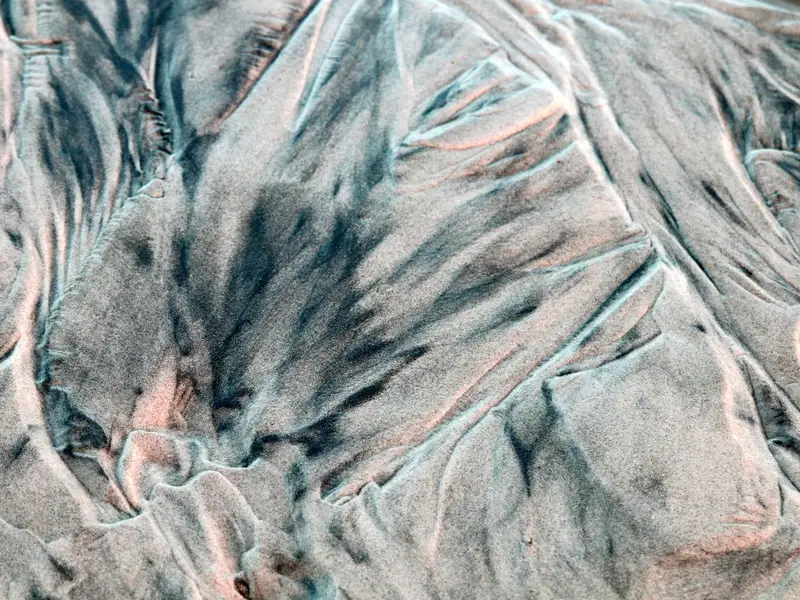
Sediment on the floor
Heavy sediment accumulates on the tank floor forming a solid mud layer of calcium, magnesium and dirt.
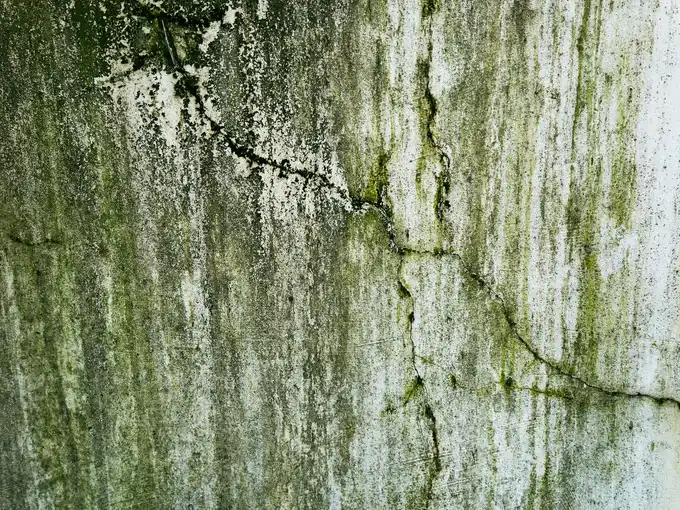
The slime film on the wall
White slime and sticky biofilm coat the walls of old tanks, caused by bacteria, algae and mineral precipitation.
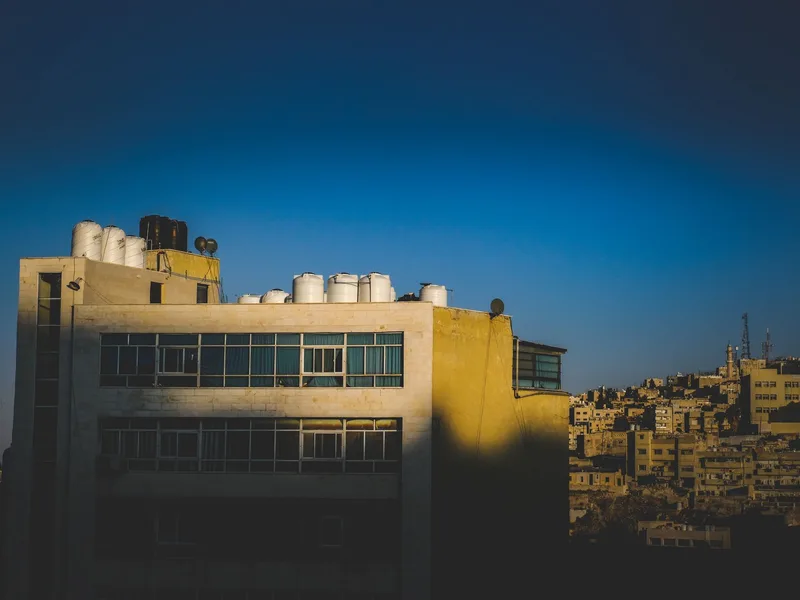
Light and heat
Internal pipelines are partially clogged with sediment, especially in thin lines and corners where flow is slow.
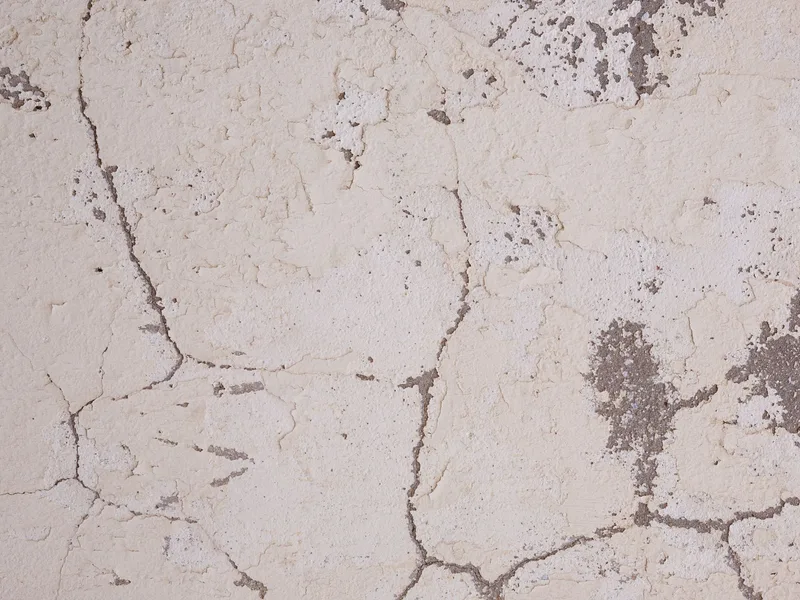
The lining and any cracking
Constant moisture inside the tank sustains bacterial growth, and rooftop heat accelerates scale formation and chemical reactions.
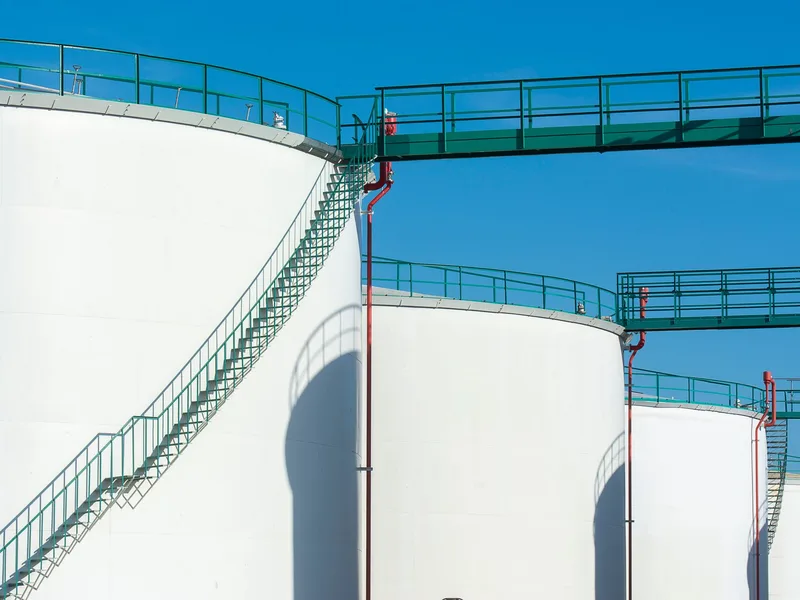
The lid and the openings
The microbial nest lies in the sediment and slime on walls, and small pits may exist on the old tank surface offering refuge.
What shows up at the tap
Fungal and algal growth appears as green or brown discoloration on walls when the tank is exposed to sunlight, a sign of biological contamination.
How we work
-
1
Inspect and record the condition
We open the hatch and work through what the tank is made of and how big it is, how deep the sediment lies, the state of the lining, whether the lid and the overflow seal, and whether there is a crack that has to be repaired before any sterilizing.
-
2
Drain and lift the sediment out
The water goes out, then the silt and sand are lifted off the floor by suction rather than pushed toward the outlet, because pushing them sends them into the house pipework and the heater.
-
3
High pressure wash
Walls, floor, corners and the area around the outlet, until the slime film is completely gone. This is the step that makes the sterilizing after it mean anything.
-
4
Sterilize, rinse, then return to service
The sterilizing agent goes onto the walls, the floor and the underside of the lid and is left for its contact time, then we rinse, refill and run the furthest tap until the whole line is clear.
What water tank sterilization includes
-

A recorded inspection
Material, capacity, sediment depth, the state of the lining, the lid and the overflow, all before any work begins.
-

Draining and sediment removal
The water out, and the silt and sand lifted off the floor instead of being pushed into the outlet and the house pipework.
-

High pressure washing
Walls, corners and around the outlet, until the biofilm that no disinfectant penetrates has gone.
-
Sterilizing the internal surfaces
A sterilizing agent meant for drinking water tanks, applied to the walls, the floor and the underside of the lid, and left for its contact time.
-

Line flush and aftercare
Rinse, refill and a flush from the furthest tap, when the water is usable again, and what to change in the filter afterwards.
-

The next cycle
We agree the right interval for your tank from how it is filled, how much sun it takes and the condition of the lid.
What is different about Ajyad Sub-Municipality
Ajyad sub municipality takes in the districts that press against the Grand Mosque from the south and west: Ajyad, Al Hajlah, Al Shubaikah, Al Tandabawi and Al Mansour. Hotels and rented apartment blocks for Umrah visitors stack up along Ajyad Street and Ibrahim Al Khalil Street, with kitchens and restaurants running aday and night in season. Behind them, Al Shubaikah and Al Tandabawi keep narrow old lanes on hillside ground where buildings and drains are ageing, and demolition and construction sites are a constant presence around Jabal Omar and the central zone.
Questions about this district
Why do tanks in Al Shubaikah get dirtier than other areas?
The water is very hard and tanks are very old with rough inner walls. Sediment deposits faster and slime has accumulated over many years.
Do heavy deposits pose a health risk?
Yes. Sediment, mud and slime create a breeding ground for bacteria and algae. Complete removal improves water quality significantly.
How often should a tank be sterilized in Al Shubaikah?
At least every six months, and some require cleaning every three months if the water is very hard.
Does an old tank need full replacement?
Not necessarily if it is sound. Deep cleaning and regular sterilization can maintain a tank for many more years.
Does high pressure harm an old tank?
No if applied carefully. We use pressure sufficient to lift sediment without damaging the tank walls.
Do white slime deposits signal bacterial infection?
They may. White slime usually results from bacteria and mineral deposits combined, requiring strong sterilization.
How much does water tank sterilization in Al Shubaikah cost?
It is set after the inspection, because the price follows the type of infestation, the size of the space, how far it has spread and the number of visits it needs. Send a photo and a description on WhatsApp and we will give you an estimate before we reach Al Shubaikah.
Nearby districts we cover
Other services in Al Shubaikah
Other services we provide to residents of Al Shubaikah.
-
 Water tanks
Water tank cleaning
-
 Water tanks
Water tank sealing
-
 Water tanks
Tank leak repair
-
 Residential
Cockroach control
Need water tank sterilization in Al Shubaikah? Tell us what you saw and we will tell you what it needs
We reach Al Shubaikah at a time we agree, and you get the full cost before we start.