
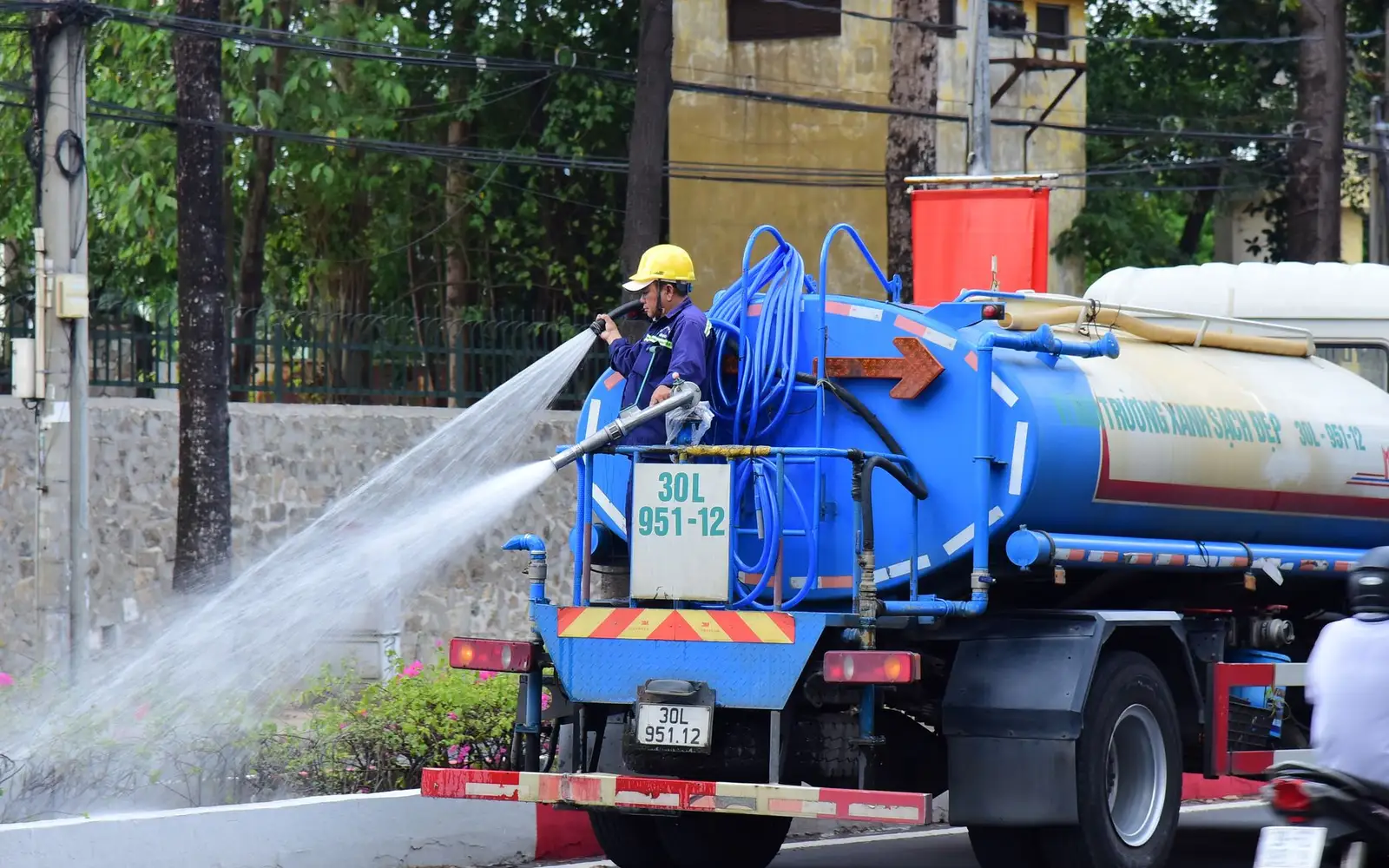
Water tank cleaning in Al Shubaikah Makkah
Al Shubaikah's narrow alleys and tightly packed old buildings beside Jabal Omar present a distinct tank cleaning challenge. The aged pipework causes rapid sediment buildup, and tanks need full drainage followed by thorough scrubbing of walls and floor to remove the thick deposit layer that settles in these slow flowing networks.
-
Potable-rated materials
Linings and disinfectants cleared for drinking water tanks, not general-purpose products.
-
You get the downtime first
How many hours the tank is out of service, told before we start rather than after we finish.
-
A first-draw flush
We run the first draw off after refilling, and the tank is not handed back until the water runs clear.
-
Ground and roof tanks
Villas, apartment blocks and premises that need a written record of each visit.
Why the job is different in Al Shubaikah
Tanks in Al Shubaikah sit on roofs of closely joined houses, reached by narrow external stairs or internal steps, making equipment access and drainage considerably more demanding than in newer districts. The method is set out in full on our Water tank cleaning service.
Heavy mineral deposits in very old tank floors
Hard water and slow flow through the twisted old pipes of Al Shubaikah leave thick layers of calcium and mineral silt at the bottom. This deposit does not dissolve with ordinary washing and requires direct mechanical scraping before disinfection can work, a step not needed in newer areas.
Damp walls and blackened algae in covered pipework
Distribution pipes in Al Shubaikah's old houses run slowly enough for rust and black algae to coat their full length. These pipes must be cleaned before the tank is disinfected, or the water will turn cloudy within hours of the service being complete.
Access and drainage on stacked, adjoining roofs
Tank placement on roofs of tightly joined houses means external stairs are narrow and internal access goes through occupied rooms. Draining, tooling and safety precautions take considerably longer than in any district with accessible rooftop layout.
Al Shubaikah on the map
Al Shubaikah sits about 0.5 km from Al Hajlah and about 1 km from Al Tandabawi.
Open in Google MapsThe condition of the tank decides the method
Al Shubaikah is one of Makkah's oldest quarters overlooking the Grand Mosque from the Hazwarah side, where ageing pipework limits water flow and causes mineral accumulation in tank bottoms.
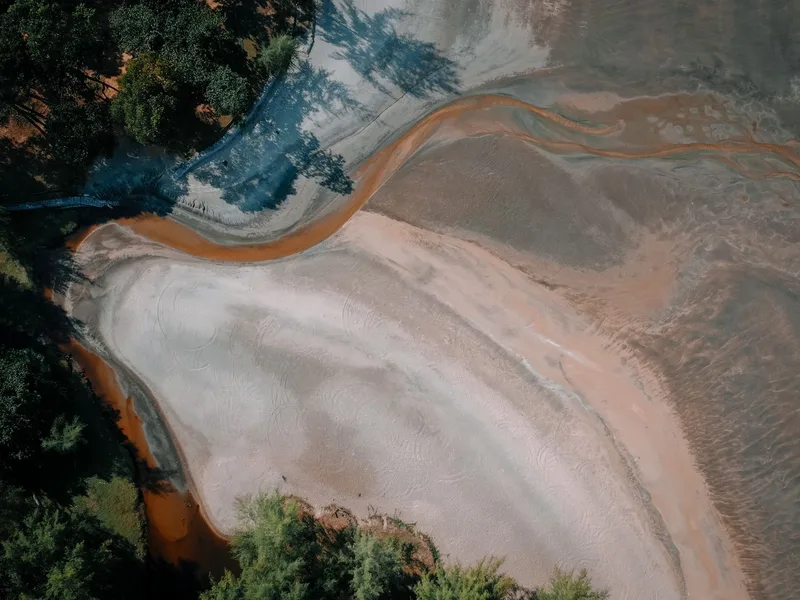
The layer on the floor
The floor layer in Al Shubaikah tanks is very thick and hard because of hard water and slow flow, and it requires strong manual scraping rather than pressure washing alone.
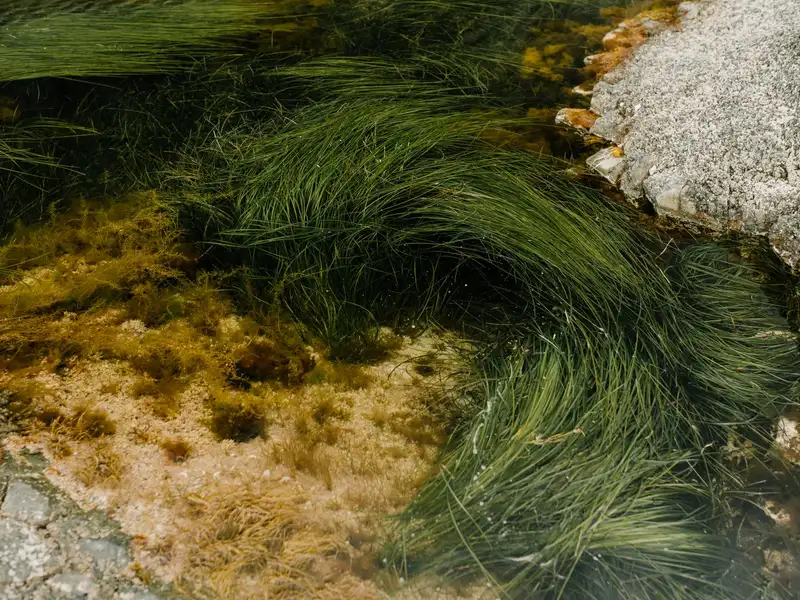
Light and algae
Light does not reach inside tanks in closed old houses here, so algae deposits are black and deep in crevices, disappearing only through mechanical scrubbing followed by disinfection.
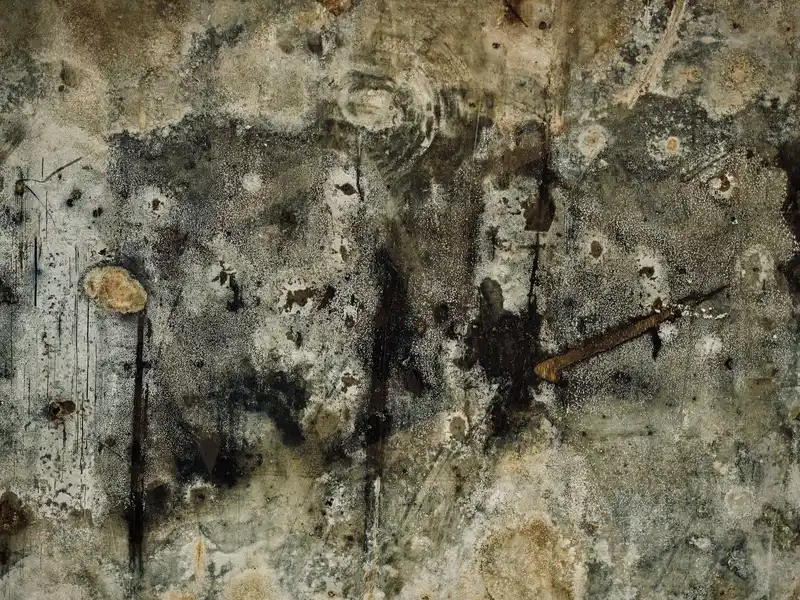
The deposit on the wall
Walls in old Al Shubaikah tanks corrode and leave dark brown rust deposits. Pressure washing alone may widen the cracks that already exist.
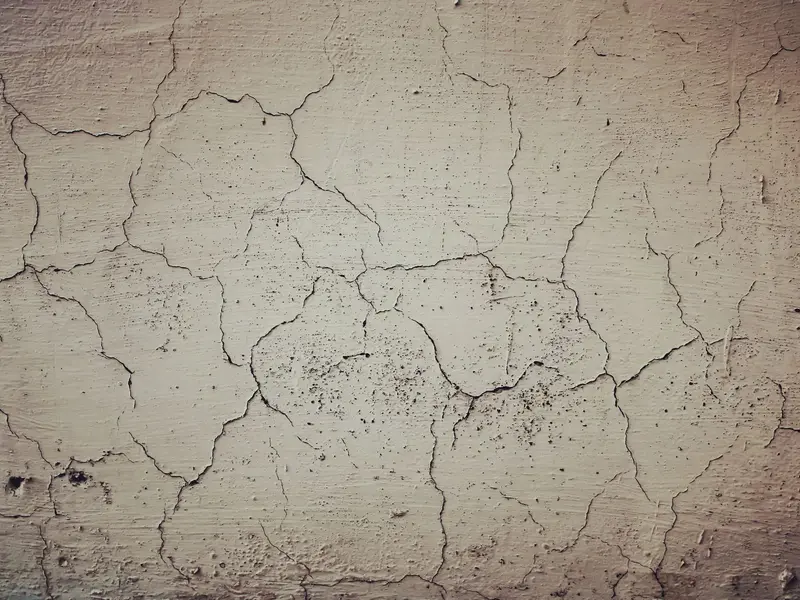
The lining and hairline cracks
Cement lining disintegrates and leaves many hairline cracks that harbour insects and mould. Disinfectant alone does not prevent reinfestation unless every opening is sealed.
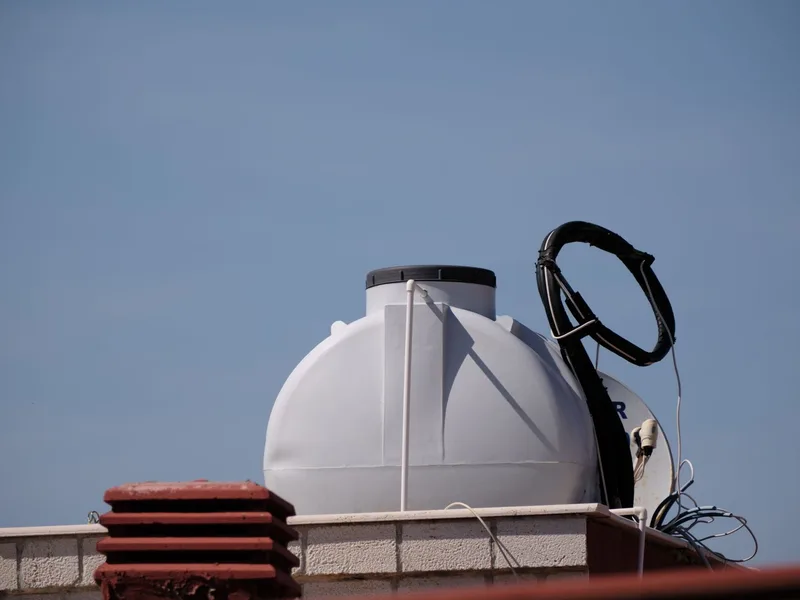
The lid and the access hatch
Old lids in traditional houses do not seal tightly, and access hatches are very narrow and reached only through tight stairs or shared rooms between neighbours.
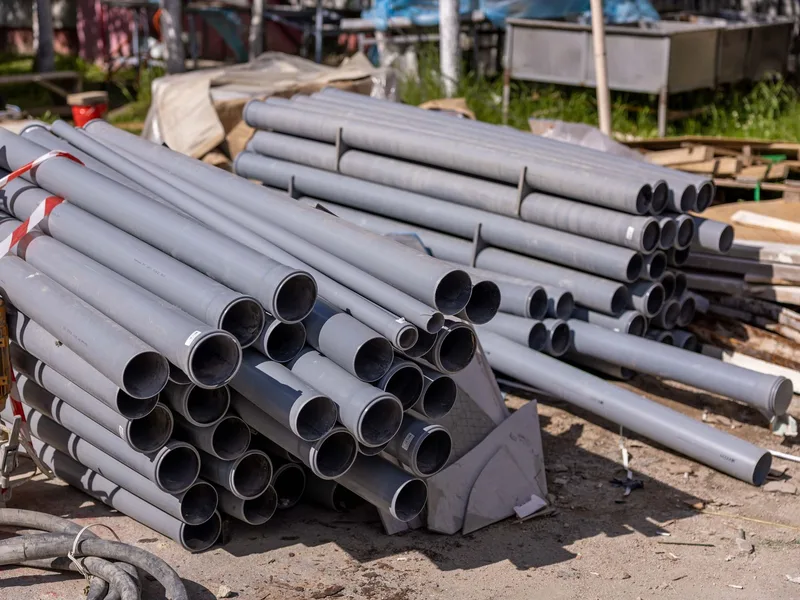
The vent and the overflow pipe
Vent openings may be blocked by mould and silt, and the overflow pipe may be kinked or too low to drain excess water freely.
How we work
-
1
Inspect before the drain
Tank type and material, the condition of the lining, the depth of the sediment, the lid and the vent, and where the drained water will go. We agree the window without supply before anything is opened.
-
2
Drain, then lift the sludge
The water leaves through the outlet, then the layer beneath it is taken out by hand and by suction. That layer is the reason for the visit, not the water that ran out ahead of it.
-
3
High pressure wash
Walls, floor and the joint where they meet, with a brush wherever the film resists, then the wash water is taken out completely so nothing we lifted settles again.
-
4
Disinfect and put back in service
Disinfectant over every internal surface, left for its contact time and then rinsed out, followed by the refill, a first draw off at the taps, and a report on what was inside the tank.
What water tank cleaning includes
-

An inspection before the valve
Tank type, lining condition, depth of sediment, lid and vent, recorded before any water leaves.
-

Full drain and sediment removal
The water through the outlet, and the layer below it by hand and by suction until the floor itself is showing.
-

Pressure washing walls and floor
High pressure across the surfaces and corners, and a brush on anything water alone will not lift.
-

Disinfection after the wash
A disinfectant intended for drinking water tanks, named to you before it is used, left for its contact time and then rinsed out.
-

Refill and the first draw off
We refill, run the taps so the new water moves through the pipework, and tell you when it is ready to use.
-

A report and the next date
What was inside the tank, anything on the lid or the lining that needs repair, and a sensible date for the next clean.
Landmarks of Al Shubaikah
Tanks in Al Shubaikah are reached usually via Ibrahim Al Khalil Street or the narrow lanes between the historic Al Shubaikah Cemetery and Jabal Omar, where tightly built surroundings leave little space for working and drainage.
- The Grand Mosque
- Al Shubaikah Cemetery
- Jabal Omar
- Khalid ibn Al Walid Mosque
- Ibrahim Al Khalil Street
Questions about this district
Our water always tastes strongly metallic and looks discoloured, why?
Old pipes in Al Shubaikah houses corrode internally, and the slow water passage picks up rust throughout. Cleaning the tank alone will not solve this unless the full internal pipework is flushed from bottom to top first.
Is an older tank permanently dirtier than a newer one here?
Yes. Tanks in Al Shubaikah's heritage houses corrode internally and leave marks on the water. If the tank is made of old cement, relining the inner surface may be better than repeated cleaning cycles.
How often does water actually need cleaning in such an old district?
In Al Shubaikah, where pipes are very old and sediment buildup is fast, cleaning every three months works better than the standard intervals. This prevents the thick deposit layer from accumulating on the walls again.
We found tiny insects inside the tank, how do they get in?
Hairline cracks in the old tank walls and gaps around inlet pipes offer entry to small insects. A complete clean followed by sealing every opening with food grade silicone is essential.
Does Hajj season make water quality much worse in Al Shubaikah?
Yes. During Hajj the network pressure drops and flow slows further, so sediment accumulates faster than usual. Cleaning one to two weeks before the season starts ensures clear water throughout.
Water turns cloudy again just days after we had it cleaned, why?
If the main pipes and branches were not flushed before the tank was disinfected, rust already built up inside will fall into the clean tank immediately. The job must include every internal line of the house.
How much does water tank cleaning in Al Shubaikah cost?
It is set after the inspection, because the price follows the type of infestation, the size of the space, how far it has spread and the number of visits it needs. Send a photo and a description on WhatsApp and we will give you an estimate before we reach Al Shubaikah.
Nearby districts we cover
Other services in Al Shubaikah
Other services we provide to residents of Al Shubaikah.
-
 Residential
Cockroach control
Residential
Cockroach control
-
 Residential
Bed bug control
Residential
Bed bug control
-
 Residential
Termite control
Residential
Termite control
-
 Residential
Rodents and mice
Residential
Rodents and mice
-
 Residential
Mosquito control
Residential
Mosquito control
-
 Residential
Fly control
Residential
Fly control
-
 Residential
Ant control
Residential
Ant control
-
 Residential
Gecko control
Residential
Gecko control
-
 Residential
Scorpion control
Residential
Scorpion control
-
 Residential
Snake control
Residential
Snake control
-
 Residential
Flea control
Residential
Flea control
-
 Residential
Bird and pigeon control
Residential
Bird and pigeon control
-
 Residential
Preventive treatment
Residential
Preventive treatment
-
 Residential
Disinfection
Residential
Disinfection
-
 Commercial
Annual contracts
Commercial
Annual contracts
-
 Commercial
Restaurants and cafes
Commercial
Restaurants and cafes
-
 Commercial
Hotels and apartments
Commercial
Hotels and apartments
-
 Commercial
Warehouses and factories
Commercial
Warehouses and factories
-
 Commercial
Schools and nurseries
Commercial
Schools and nurseries
-
 Commercial
Retail and malls
Commercial
Retail and malls
-
 Commercial
Rest houses and farms
Commercial
Rest houses and farms
-
 Commercial
Fumigation
Commercial
Fumigation
-
 Water tanks
Water tank sterilization
Water tanks
Water tank sterilization
-
 Water tanks
Water tank sealing
Water tanks
Water tank sealing
-
 Water tanks
Tank leak repair
Water tanks
Tank leak repair
Need water tank cleaning in Al Shubaikah? Tell us what you saw and we will tell you what it needs
We reach Al Shubaikah at a time we agree, and you get the full cost before we start.