
Tank leak repair in Harat Al Bahr Jeddah
Harat Al Bahr is an ancient coastal quarter built of coral stone, and its tanks are very old and exposed to constant salt and coastal moisture. Leaks are common in buried tanks and metal pipes near the sea, and saltwater accelerates corrosion rapidly.
-
Potable-rated materials
Linings and disinfectants cleared for drinking water tanks, not general-purpose products.
-
You get the downtime first
How many hours the tank is out of service, told before we start rather than after we finish.
-
A first-draw flush
We run the first draw off after refilling, and the tank is not handed back until the water runs clear.
-
Ground and roof tanks
Villas, apartment blocks and premises that need a written record of each visit.
Why the job is different in Harat Al Bahr
The old buildings were constructed more than a century ago and their original tanks are metal, corroded by salt and exceptionally high moisture. The method is set out in full on the full Tank leak repair page.
Old metal tanks and salt corrosion
Tanks here are aged iron or aluminium, and sea salt penetrates the coating and sealant causing small perforations. Leaks appear at the tank base or on the sides.
Copper and metal pipes in old coral walls
Old pipes are buried in coral stone walls, and salt and moisture penetrate them from outside. Corrosion from both sides causes leaks at pipe joints.
Continuous salt moisture and impact on buried foundations
Moisture here is very high because the quarter sits at the water's edge and salt enters from air and soil. Buried tanks and foundations face constant moisture pressure.
The character of Harat Al Bahr
Historic district: close-set buildings, narrow lanes and ageing services
This historic quarter is built of coral stone and contains very old tanks. Treatment must account for ancient buildings, aged metals and sea salt that accelerates corrosion.
Where the water leaves decides how it is repaired
A historic quarter at the south western edge behind Bab Al Bunt, with old coral stone houses close to the harbour and the commercial Qabil Street. The ground lies low at the waterfront edge.
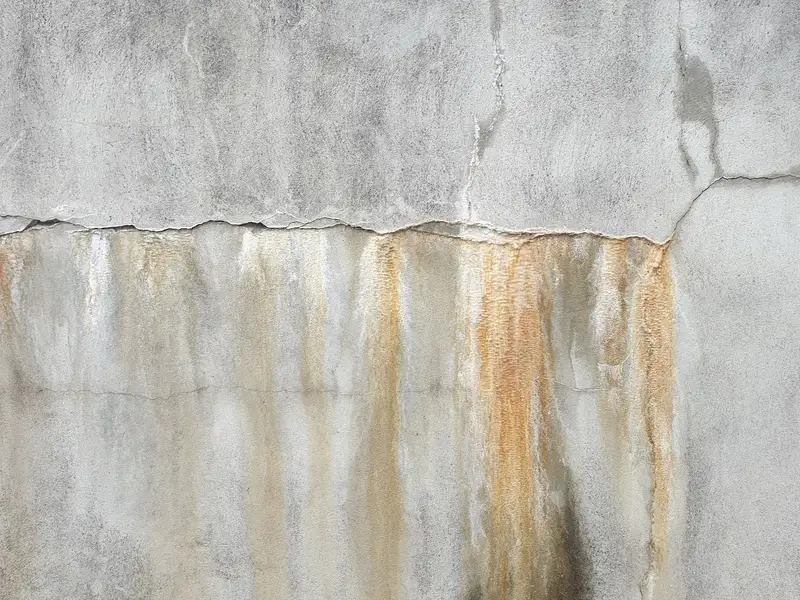
Damp and salt on the outside wall
Water level test: we monitor level drop after closing valves to determine whether loss is from the tank or from external pipes.
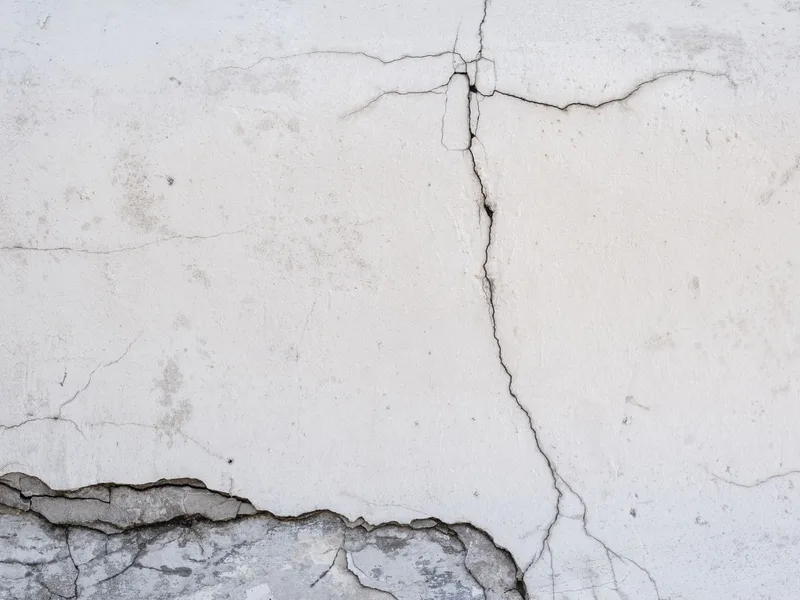
The kind of crack
Metal inspection: we examine the tank interior and exterior for holes, rust and corrosion, especially at the base and pipe joints.
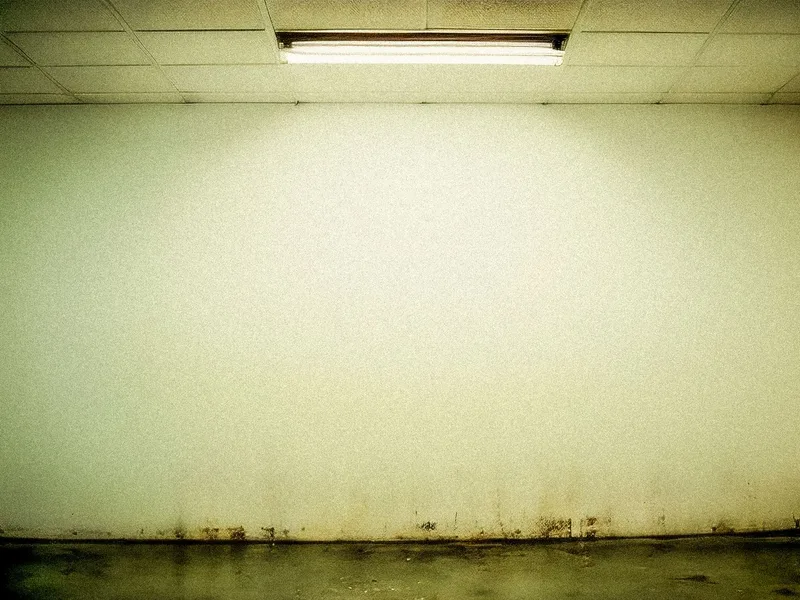
The wall to floor junction
Pipe inspection: we check copper and metal pipes in walls and foundations for signs of salt and moisture corrosion.
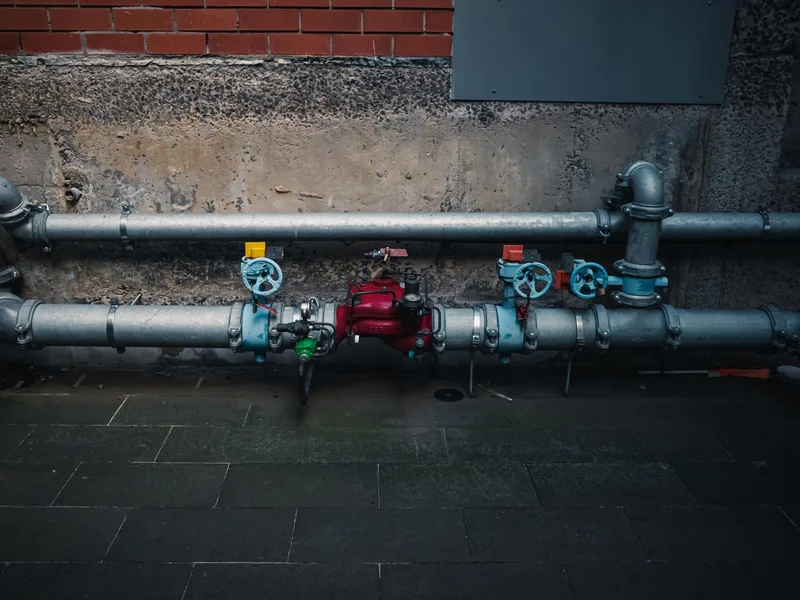
Pipe entries
Sealant inspection: we assess tank coating and internal sealant, noting white salt residue marks on walls.
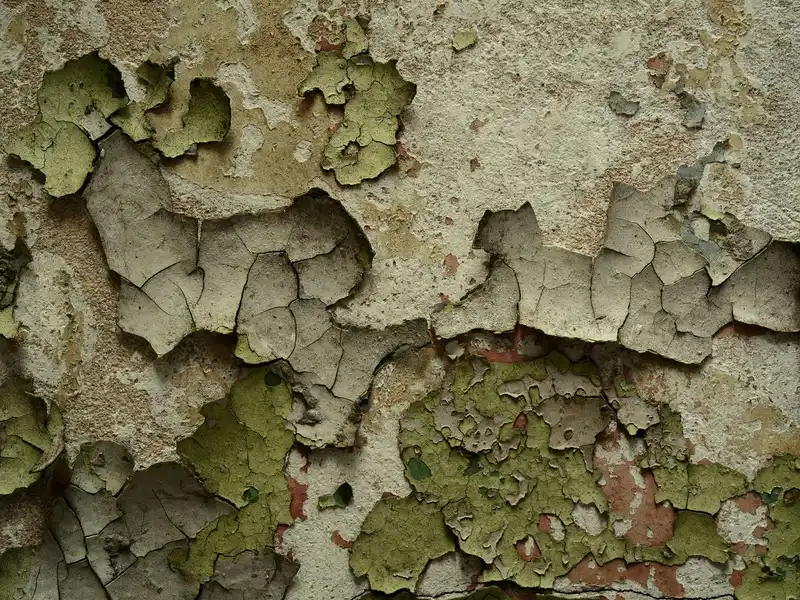
The condition of the old lining
Joint inspection: pipe joints at tank entry and exit are the most common leak points in salt-exposed areas.
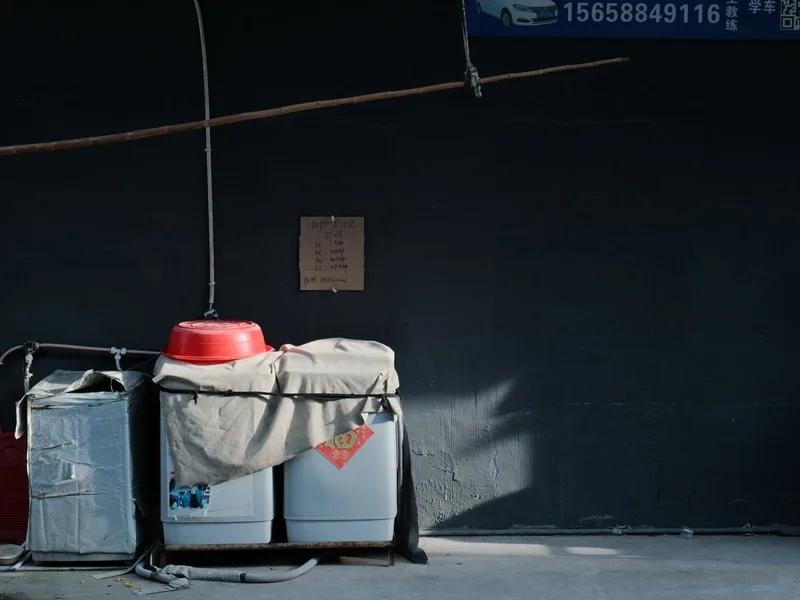
What the tank is made of
Pressure test: we assess the tank's structural integrity by testing for fine cracks that only appear under running water pressure.
How we work
-
1
Inspect and locate the leak
We close the float valve and the outlet, mark the water level and watch it fall, then check the fittings and the wall beside it. That separates a tank leak from a pipe leak or a float valve that never shuts.
-
2
Drain, clean and dry
We empty the tank, lift the sediment off the base, wash back to sound concrete and let the surface dry. No repair holds on a damp or dusty face.
-
3
Repair the cracks and the entries
We cut the crack open, fill it with a non-shrink mortar, inject anything still weeping and rebuild around the pipe sleeve. A joint that moves takes a flexible detail, not a rigid one.
-
4
Refill, test, then sterilise
We refill, read the level again to confirm the drop has stopped, then sterilise before the water is used, because the tank has been open with tools and hands inside it.
What tank leak repair includes
-

A marked level test
A reading before and after with everything shut, which establishes that the loss is the tank and not the plumbing.
-

Draining and sediment removal
Water and silt out of the base, so the floor and the walls can be seen as they really are.
-

Pressure wash and dry back
The weak layer and the dust come off, because a repair only holds on sound concrete.
-
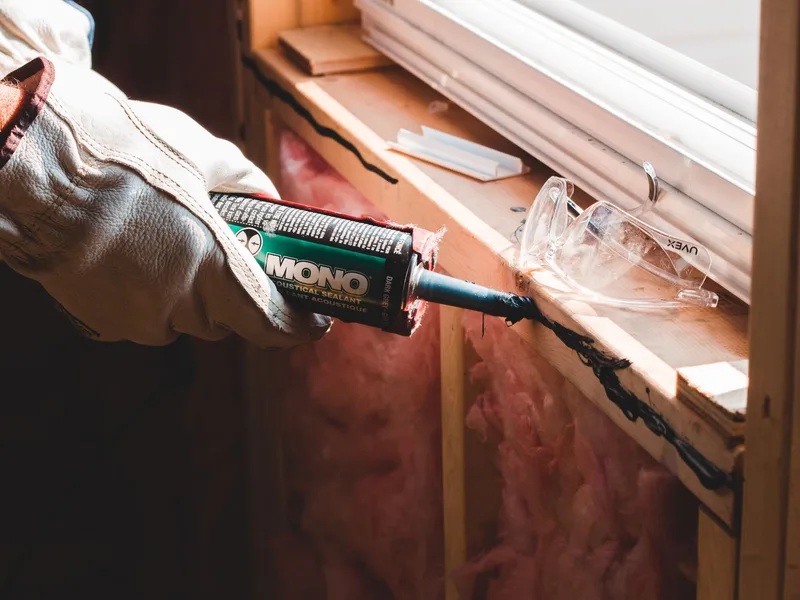
Cracks opened and filled
The crack is cut open and filled with a non-shrink mortar, and anything still weeping under water pressure is injected.
-

Refill and a recorded test
We refill, read the level again and write the reading down, so the result is not a matter of opinion.
-

Sterilised and back in service
A wash and a sterilisation once the material has cured, and guidance on running the first fill off before the water is used.
What is different about Historic Jeddah Municipality
The Historic Jeddah municipality covers the quarters of Al Balad inside the old wall: Al Mazloum, Al Sham, Al Yaman and Al Bahr. The buildings are tall houses of coral limestone and timber rawashin, centuries old, standing shoulder to shoulder on narrow lanes that see little sun, many under restoration or partly vacant. The ground is low and close to the sea and the harbour, humidity stays high through the year, and popular souqs and eateries trade late into the night. Old timber, voids between walls and goods stores create conditions favoured by termites, cockroaches, rodents and wood boring beetles.
Questions about this district
Is the leak from the tank itself or from pipes in the quarter?
We close the float valve and outlet and watch the level. If it falls, the leak is in the tank. If it holds steady, the leak is in the exterior pipes.
Why do old tanks in Harat Al Bahr leak more than elsewhere?
Sea salt and exceptionally high moisture accelerate corrosion. Old metals lose sealant and coating quickly.
Does cleaning the tank stop the leak?
No. Cleaning removes sediment but does not close cracks. The crack or pipe entry must be repaired first, before any lining.
Does salt from the air enter the tank through vents?
Yes, salt enters through drain and vent openings. But water leaks come from cracks in the metal itself.
Is replacing the tank cheaper than repair in Harat Al Bahr?
If the tank is very old and cracks are in multiple places, replacement may be wiser. But if the leak is in one spot, repair is faster.
How often should tanks be inspected in coastal areas like Harat Al Bahr?
Every six months minimum because corrosion is rapid here. We test pressure, level and external metal condition.
How much does tank leak repair in Harat Al Bahr cost?
It is set after the inspection, because the price follows the type of infestation, the size of the space, how far it has spread and the number of visits it needs. Send a photo and a description on WhatsApp and we will give you an estimate before we reach Harat Al Bahr.
Nearby districts we cover
Other services in Harat Al Bahr
Other services we provide to residents of Harat Al Bahr.
-
 Water tanks
Water tank cleaning
-
 Water tanks
Water tank sterilization
-
 Water tanks
Water tank sealing
-
 Residential
Cockroach control
Need tank leak repair in Harat Al Bahr? Tell us what you saw and we will tell you what it needs
We reach Harat Al Bahr at a time we agree, and you get the full cost before we start.