
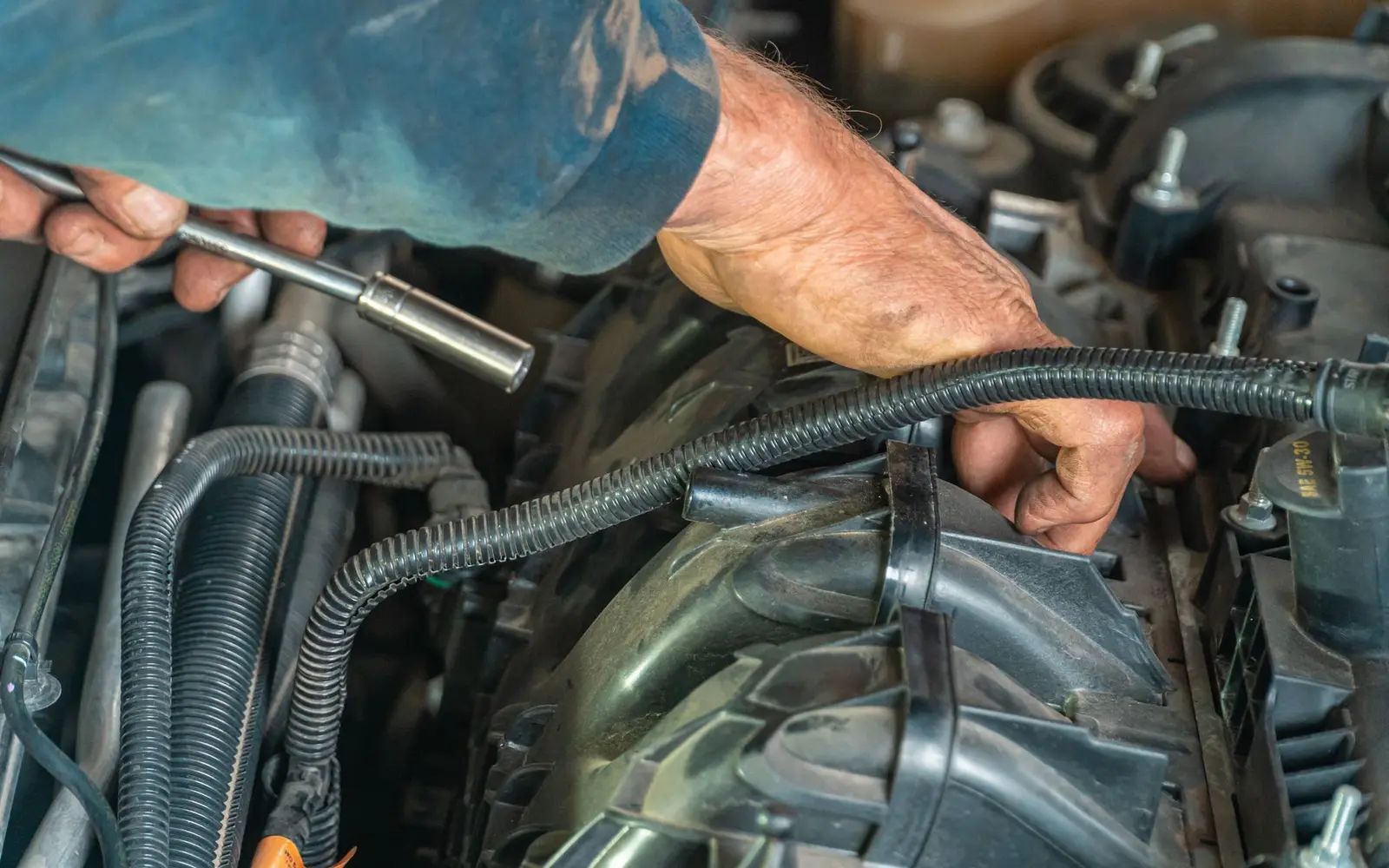
Tank leak repair in Jarwal Makkah
Jarwal is a dense quarter north west of the Grand Mosque where old Makkan family houses have become seasonal hotels and pilgrim hostels. Each small building holds multiple tanks, and every hotel needs larger tanks to receive guests. Leaks are frequent here because tanks are small, old and used at high intensity.
-
Potable-rated materials
Linings and disinfectants cleared for drinking water tanks, not general-purpose products.
-
You get the downtime first
How many hours the tank is out of service, told before we start rather than after we finish.
-
A first-draw flush
We run the first draw off after refilling, and the tank is not handed back until the water runs clear.
-
Ground and roof tanks
Villas, apartment blocks and premises that need a written record of each visit.
Why the job is different in Jarwal
Buildings here are old and small, with proportionally small and very old tanks. Hotels have added extra tanks on roofs or in bathrooms, creating a complex system of interconnected cisterns. The method is set out in full on how we approach Tank leak repair.
Small buried tanks beneath ground floors
Old buildings hold small tanks carved beneath ground floors or under stairs. These tanks are cramped and cracked from weight above. Leaks often occur in lower corners invisible during routine checks.
Extra roof tanks added by hotels
Hotels have installed large tanks on roofs for additional guest water supply. These tanks are exposed to heat, sun and rust. Connecting pipes between roof tank and underground cistern often crack or loosen.
High-intensity use accelerates leaks
Hotels and lodgings use water heavily and continuously. High pressure in pipes causes seeping from small cracks. During peak seasons leaks may suddenly appear or worsen.
Jarwal on the map
Jarwal sits about 0.5 km from Al Taysir and about 1 km from Harat Al Bab Wa Al Shamiyah.
Open in Google MapsWhere the water leaves decides how it is repaired
A dense old residential quarter north west of the Sacred Mosque, below Jabal Qaiqaan and along Al Taysir Street and Umm Al Qura Road. Old Makkan family houses have been converted to hotels and lodgings, and the historic Bir Tuwa well sits surrounded by modern apartment blocks.
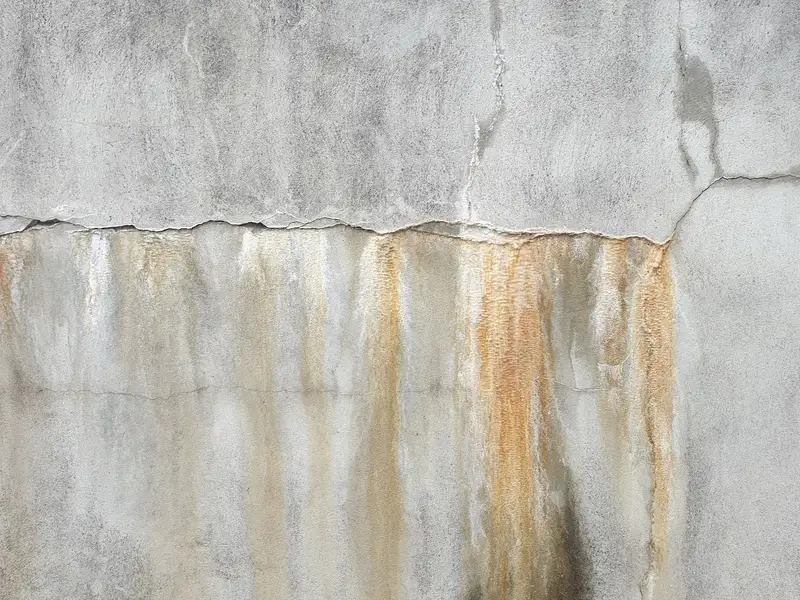
Damp and salt on the outside wall
Cracks in the small tank beneath ground floor show as damp in lower corners or under stairs.
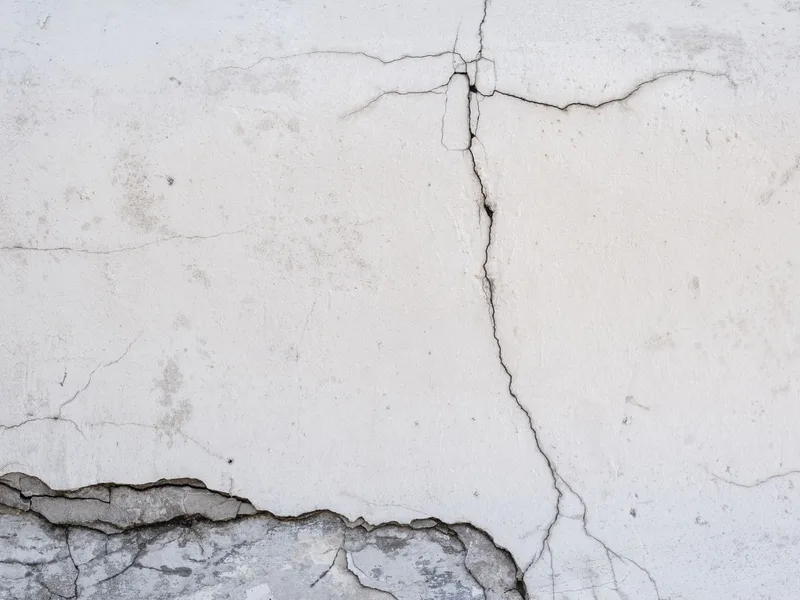
The kind of crack
Leaks from connections between multiple tanks occur at junction points or in cracked copper piping.
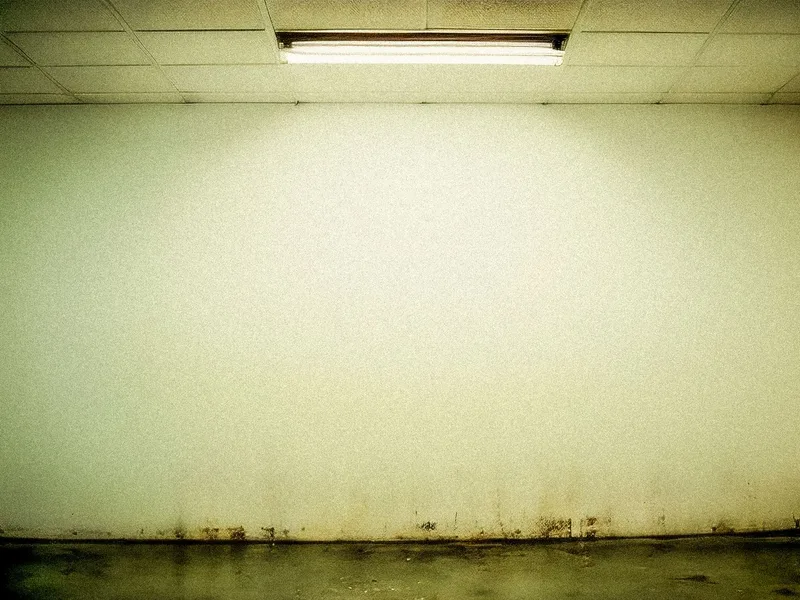
The wall to floor junction
Float valve or outlet leaks in the roof tank show as dripping water on the ceiling below.
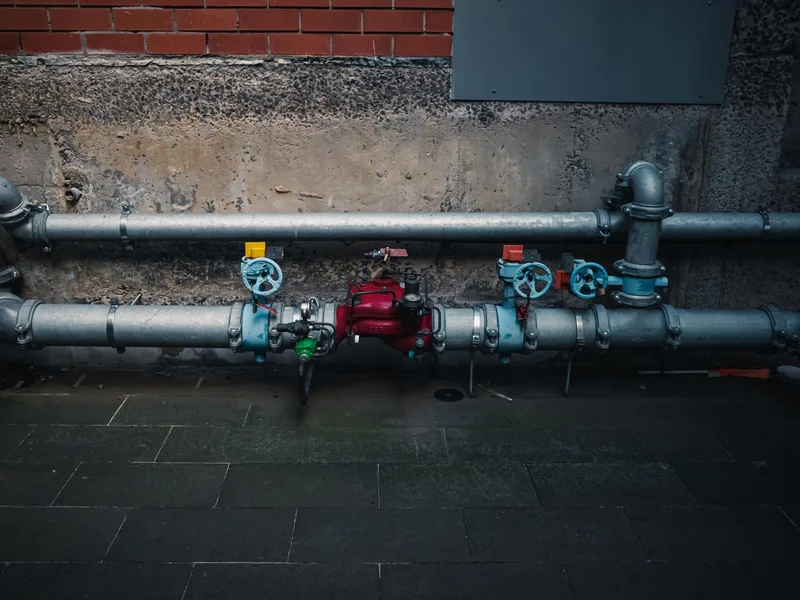
Pipe entries
Damp on exterior walls signals leaks from buried underground tanks or from buried outlet pipes.
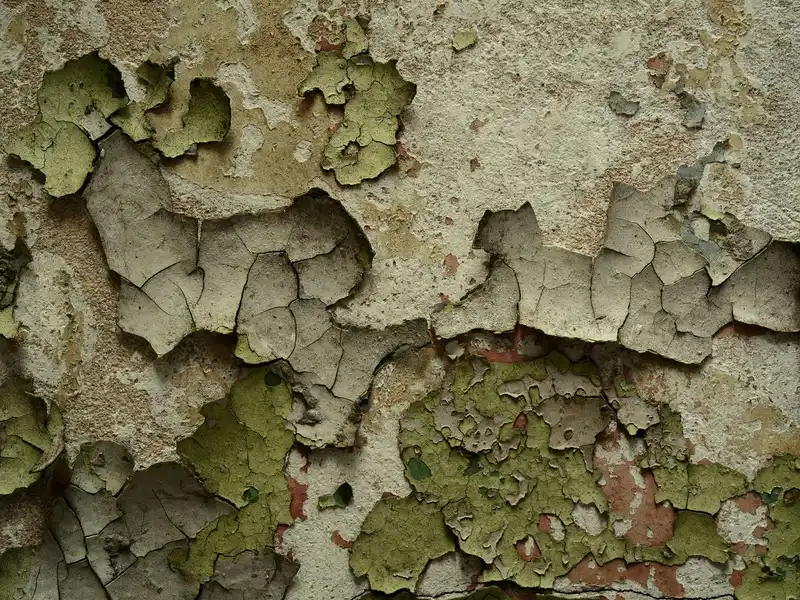
The condition of the old lining
Water level dropping quickly overnight when the hotel is idle indicates continuous seepage.
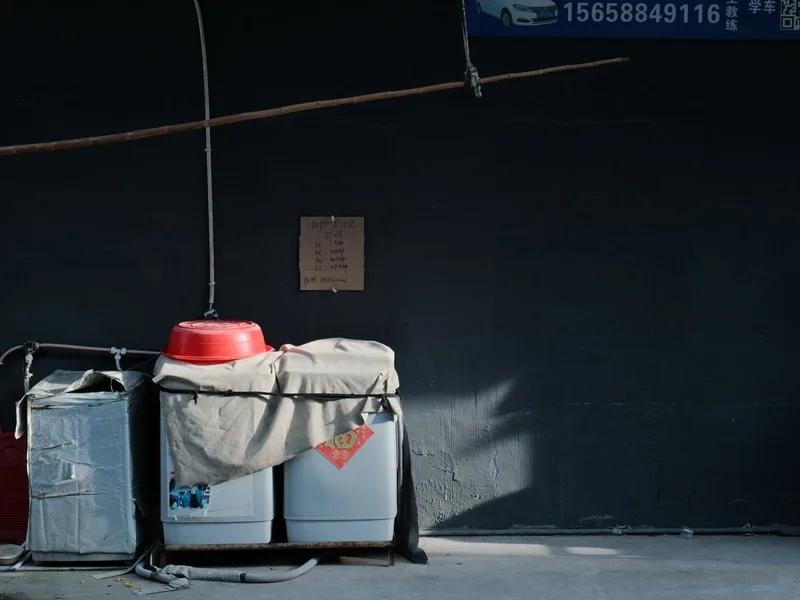
What the tank is made of
Water colour, odour or white salt deposits around the tank indicate old leaks and salt concentration.
How we work
-
1
Inspect and locate the leak
We close the float valve and the outlet, mark the water level and watch it fall, then check the fittings and the wall beside it. That separates a tank leak from a pipe leak or a float valve that never shuts.
-
2
Drain, clean and dry
We empty the tank, lift the sediment off the base, wash back to sound concrete and let the surface dry. No repair holds on a damp or dusty face.
-
3
Repair the cracks and the entries
We cut the crack open, fill it with a non-shrink mortar, inject anything still weeping and rebuild around the pipe sleeve. A joint that moves takes a flexible detail, not a rigid one.
-
4
Refill, test, then sterilise
We refill, read the level again to confirm the drop has stopped, then sterilise before the water is used, because the tank has been open with tools and hands inside it.
What tank leak repair includes
-

A marked level test
A reading before and after with everything shut, which establishes that the loss is the tank and not the plumbing.
-

Draining and sediment removal
Water and silt out of the base, so the floor and the walls can be seen as they really are.
-

Pressure wash and dry back
The weak layer and the dust come off, because a repair only holds on sound concrete.
-

Cracks opened and filled
The crack is cut open and filled with a non-shrink mortar, and anything still weeping under water pressure is injected.
-

Refill and a recorded test
We refill, read the level again and write the reading down, so the result is not a matter of opinion.
-

Sterilised and back in service
A wash and a sterilisation once the material has cured, and guidance on running the first fill off before the water is used.
The character of Jarwal
Apartment district: residential blocks, repeated floors and shared entrances
An old residential quarter converted to hotels means a complex and poorly organised tank system. Original buildings are small with proportionally tiny tanks, and hotels have added extra tanks haphazardly. Repair requires full understanding of the tangled dual and interconnected hydraulic system.
Questions about this district
Why do small tanks leak more than large ones?
Small tanks experience higher pressure from intensive use. Small cracks widen from repeated pressure spikes.
Does a leak beneath the ground floor damage the foundation?
It can. Seeping water saturates soil and foundation; salt in the water may weaken stone and concrete.
If a hotel has multiple tanks, which do we repair first?
We inspect all of them and focus on the main tank first. The leak may be in pipes connecting tanks, not in the tanks themselves.
Can the hotel stay open during tank repair?
It may be difficult if the leak is large. We may need to shut water temporarily or provide temporary storage tanks for the hotel.
How often may we need to repair an old small tank?
Possibly several times. Old tanks may require repeated repairs until replacement becomes economical.
Does high pressure in the pipes cause leaks?
Yes. High pressure causes seeping from small cracks and weak connections. Cramped buildings in Jarwal may need powerful pumps.
How much does tank leak repair in Jarwal cost?
It is set after the inspection, because the price follows the type of infestation, the size of the space, how far it has spread and the number of visits it needs. Send a photo and a description on WhatsApp and we will give you an estimate before we reach Jarwal.
Nearby districts we cover
Other services in Jarwal
Other services we provide to residents of Jarwal.
-
 Water tanks
Water tank cleaning
-
 Water tanks
Water tank sterilization
-
 Water tanks
Water tank sealing
-
 Residential
Cockroach control
Need tank leak repair in Jarwal? Tell us what you saw and we will tell you what it needs
We reach Jarwal at a time we agree, and you get the full cost before we start.