
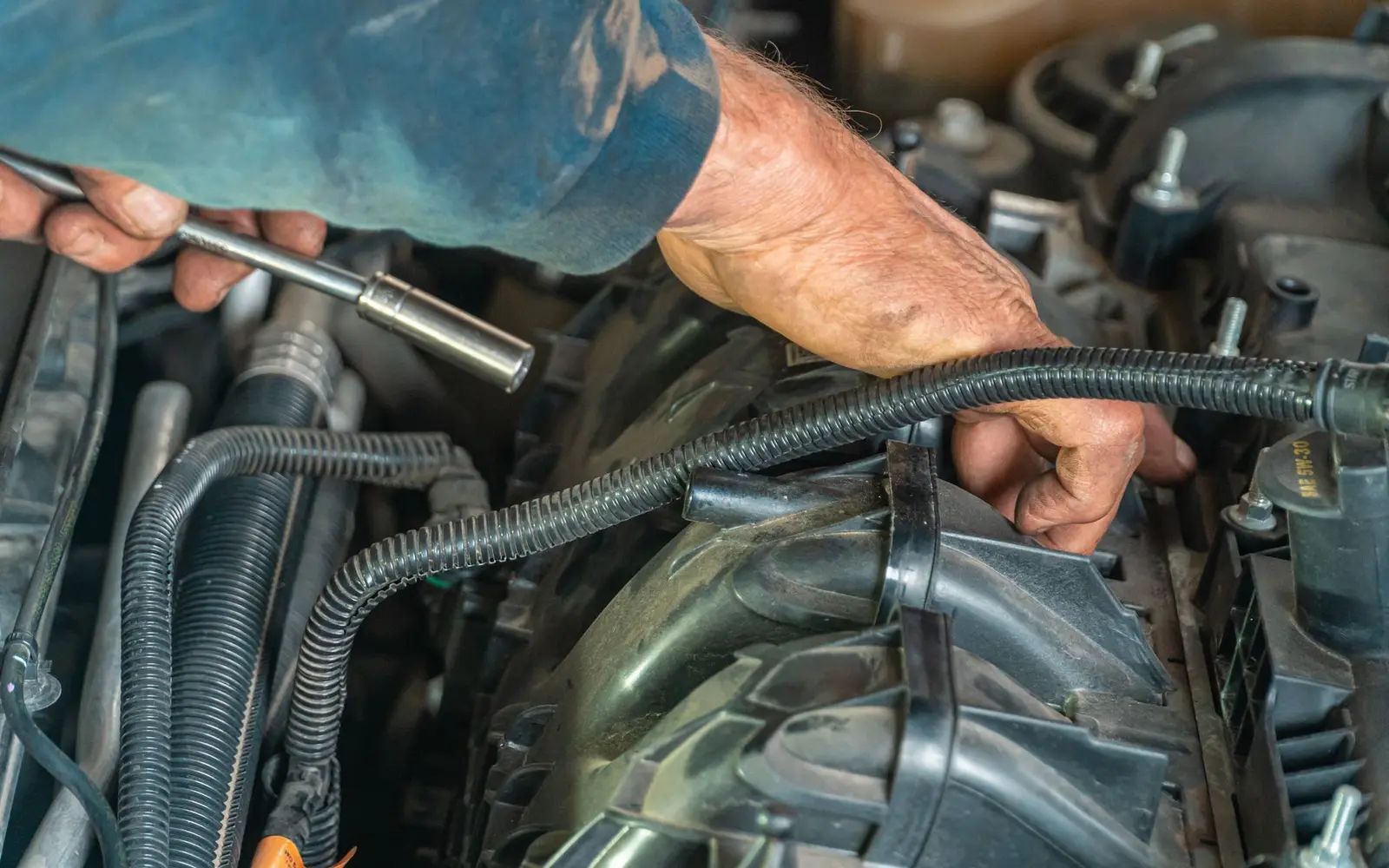
Tank leak repair in Al Haram Makkah
Al Haram surrounds the Grand Mosque and contains massive hotel towers and commercial plazas. Hotels run year-round and tanks sit under constant pressure from heavy daily flow. Leaks here are critical because they disrupt guest and pilgrim services and may seep into walls, damaging expensive finishes and marbling.
-
Potable-rated materials
Linings and disinfectants cleared for drinking water tanks, not general-purpose products.
-
You get the downtime first
How many hours the tank is out of service, told before we start rather than after we finish.
-
A first-draw flush
We run the first draw off after refilling, and the tank is not handed back until the water runs clear.
-
Ground and roof tanks
Villas, apartment blocks and premises that need a written record of each visit.
Why the job is different in Al Haram
Hotel towers are very tall, some old and some new, and pressure on tanks is extremely high due to continuous consumption. The method is set out in full on the full Tank leak repair page.
Soaring hotel towers demand massive high-pressure tanks
Hotels around the Mosque are very tall and need rooftop tanks under high pressure. Water climbs tens of metres daily to thousands of guests. Old metal tanks corrode from inside and outside.
Constant year-round water demand stresses all components
The Haram receives pilgrims and Umrah visitors all year. Continuous heavy consumption creates sustained pressure on pipes and tanks, and cracks appear faster than in residential areas.
Hidden leaks damage costly marble and finishes
Luxury hotels around the Haram have expensive interior decoration and high-value wall finishes. Leaks may penetrate ceilings and walls unnoticed for weeks, causing moisture, cracking and permanent damage to plaster and stone.
Landmarks of Al Haram
Al Haram is defined by clear religious and geographic landmarks that set the service boundary and access routes to hotels surrounding the Grand Mosque.
- The Grand Mosque
- Abraj Al Bait
- Jabal Abu Qubais
- Jabal Qaiqaan
- Jabal Omar
- Makkah Library
Where the water leaves decides how it is repaired
A commercial zone directly encircling the Grand Mosque, bounded by Jabal Abu Qubais and Jabal Qaiqaan on the edges, Abraj Al Bait towers rising from the south, Jabal Omar from the west, and the northern expansion courtyards opening towards Al Shamiyah.
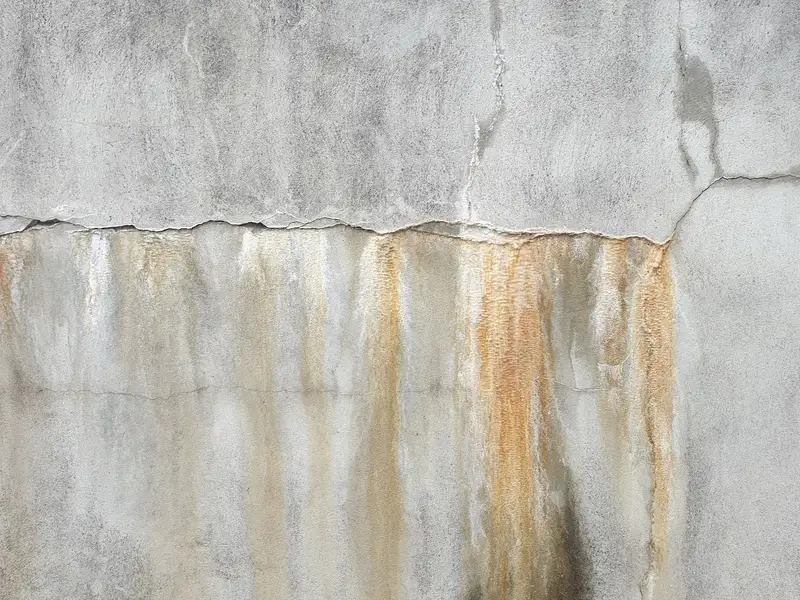
Damp and salt on the outside wall
Old metal tanks may contain rust and holes from internal corrosion due to salt water and mineral content.
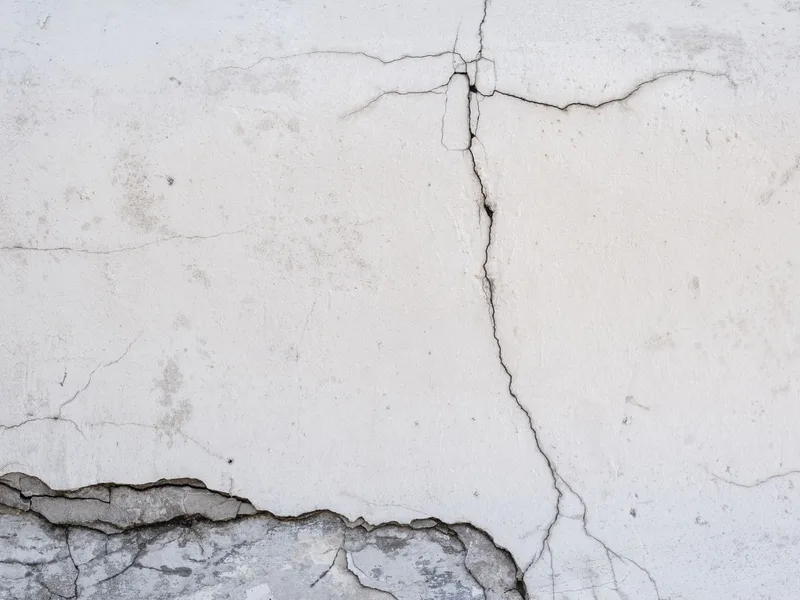
The kind of crack
Pipes and connections attached to high-pressure tanks may crack or separate from daily vibration and movement.
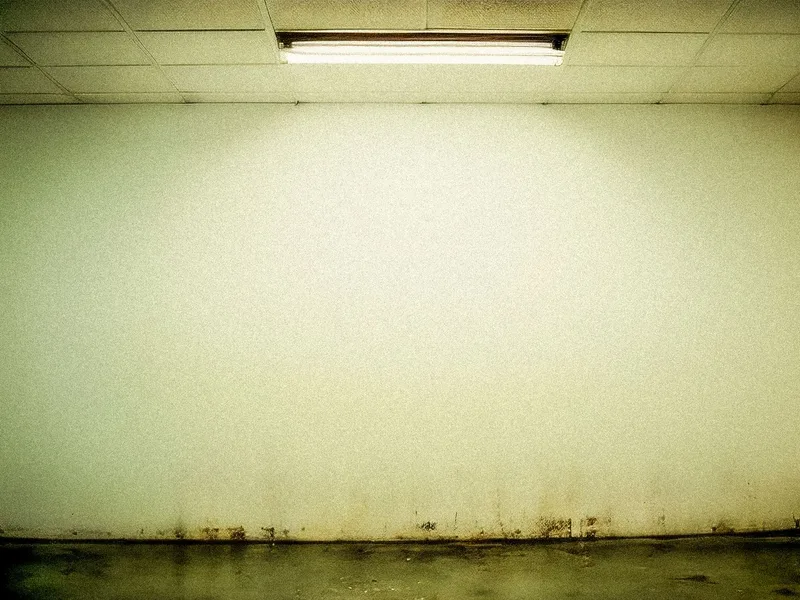
The wall to floor junction
Pressure valves and regulators may fail under sustained pressure and contaminated water carrying mineral deposits and salt.
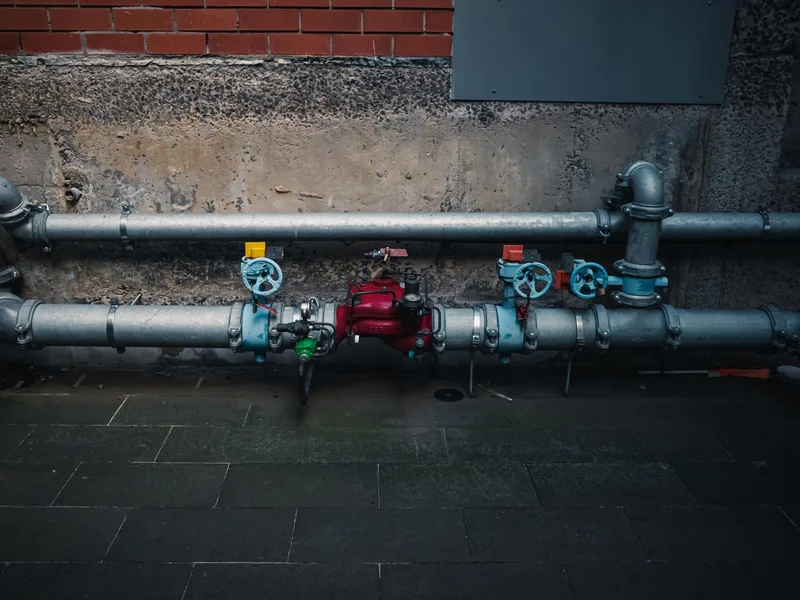
Pipe entries
Moisture is very high around tanks due to intensive consumption and small unnoticed leaks that persist for weeks.
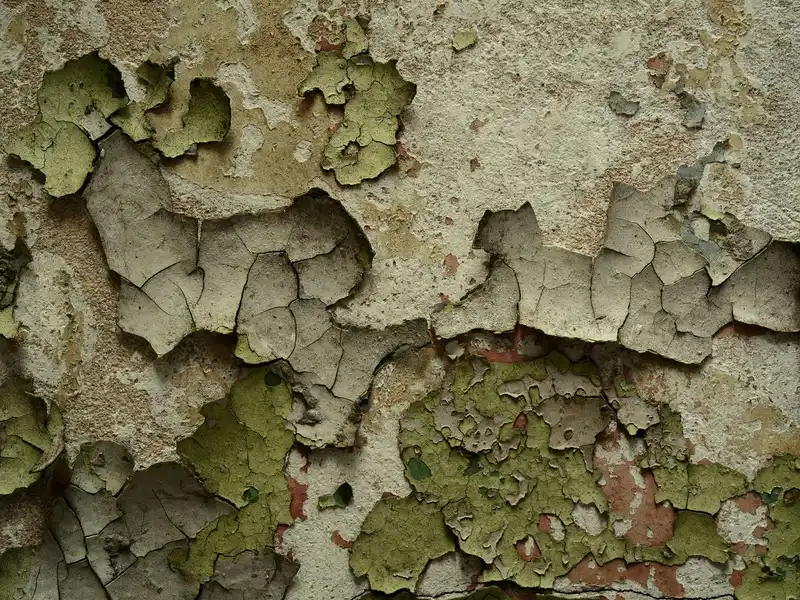
The condition of the old lining
Tanks on hotel roofs face extreme daily temperature swings from hot days to cool nights, causing metal to expand and contract.
What the tank is made of
Leaks often appear first as faint moisture stains in ceilings and nearby walls before visible drips reach the floor.
How we work
-
1
Inspect and locate the leak
We close the float valve and the outlet, mark the water level and watch it fall, then check the fittings and the wall beside it. That separates a tank leak from a pipe leak or a float valve that never shuts.
-
2
Drain, clean and dry
We empty the tank, lift the sediment off the base, wash back to sound concrete and let the surface dry. No repair holds on a damp or dusty face.
-
3
Repair the cracks and the entries
We cut the crack open, fill it with a non-shrink mortar, inject anything still weeping and rebuild around the pipe sleeve. A joint that moves takes a flexible detail, not a rigid one.
-
4
Refill, test, then sterilise
We refill, read the level again to confirm the drop has stopped, then sterilise before the water is used, because the tank has been open with tools and hands inside it.
What tank leak repair includes
-

A marked level test
A reading before and after with everything shut, which establishes that the loss is the tank and not the plumbing.
-

Draining and sediment removal
Water and silt out of the base, so the floor and the walls can be seen as they really are.
-

Pressure wash and dry back
The weak layer and the dust come off, because a repair only holds on sound concrete.
-

Cracks opened and filled
The crack is cut open and filled with a non-shrink mortar, and anything still weeping under water pressure is injected.
-

Refill and a recorded test
We refill, read the level again and write the reading down, so the result is not a matter of opinion.
-

Sterilised and back in service
A wash and a sterilisation once the material has cured, and guidance on running the first fill off before the water is used.
What is different about Al Ghazza Sub-Municipality
Al Ghazza sub municipality wraps around the north and west of the Grand Mosque, from Al Shamiyah, Al Qararah and Shaib Amir round to Jarwal and Al Taysir. Large tracts were cleared for the northern expansion and the Rua Al Haram scheme, leaving excavated ground and open construction sites beside ageing blocks that now serve as dense seasonal lodgings in Jarwal and Al Taysir. Old flood paths still fall from Jabal Qaiqaan and Jabal Khandamah towards the mosque, and markets and eateries crowd Al Masjid Al Haram Road and Umm Al Qura Road.
Questions about this district
Does a leak in the main tank affect the whole hotel?
Yes. A leak in the primary tank cuts water available to many floor numbers and affects both guest rooms and public areas.
Why do hotel tanks leak more than villa tanks?
Pressure in Haram hotels is far higher because water climbs tens of metres to thousands of daily guests. Sustained pressure cracks metal and connections.
Are old metal tanks better than new ones?
No. Old metal tanks corrode inside and outside from salt and moisture. New tanks are stronger but may carry manufacturing defects.
Can the leak be repaired without cutting water to the hotel?
Quick temporary fixes exist. But full repair may require shutting the tank down for several hours.
How many tanks might one hotel tower have?
There may be a primary tank and secondary tanks on intermediate roofs. A tower may need three or four tanks depending on height.
Does a leak pose a risk to guests and the building itself?
Leaks cause moisture and structural cracking. If near electrical wiring, the leak may be a hazard.
How much does tank leak repair in Al Haram cost?
It is set after the inspection, because the price follows the type of infestation, the size of the space, how far it has spread and the number of visits it needs. Send a photo and a description on WhatsApp and we will give you an estimate before we reach Al Haram.
Nearby districts we cover
Other services in Al Haram
Other services we provide to residents of Al Haram.
-
 Water tanks
Water tank cleaning
-
 Water tanks
Water tank sterilization
-
 Water tanks
Water tank sealing
-
 Residential
Cockroach control
Need tank leak repair in Al Haram? Tell us what you saw and we will tell you what it needs
We reach Al Haram at a time we agree, and you get the full cost before we start.