
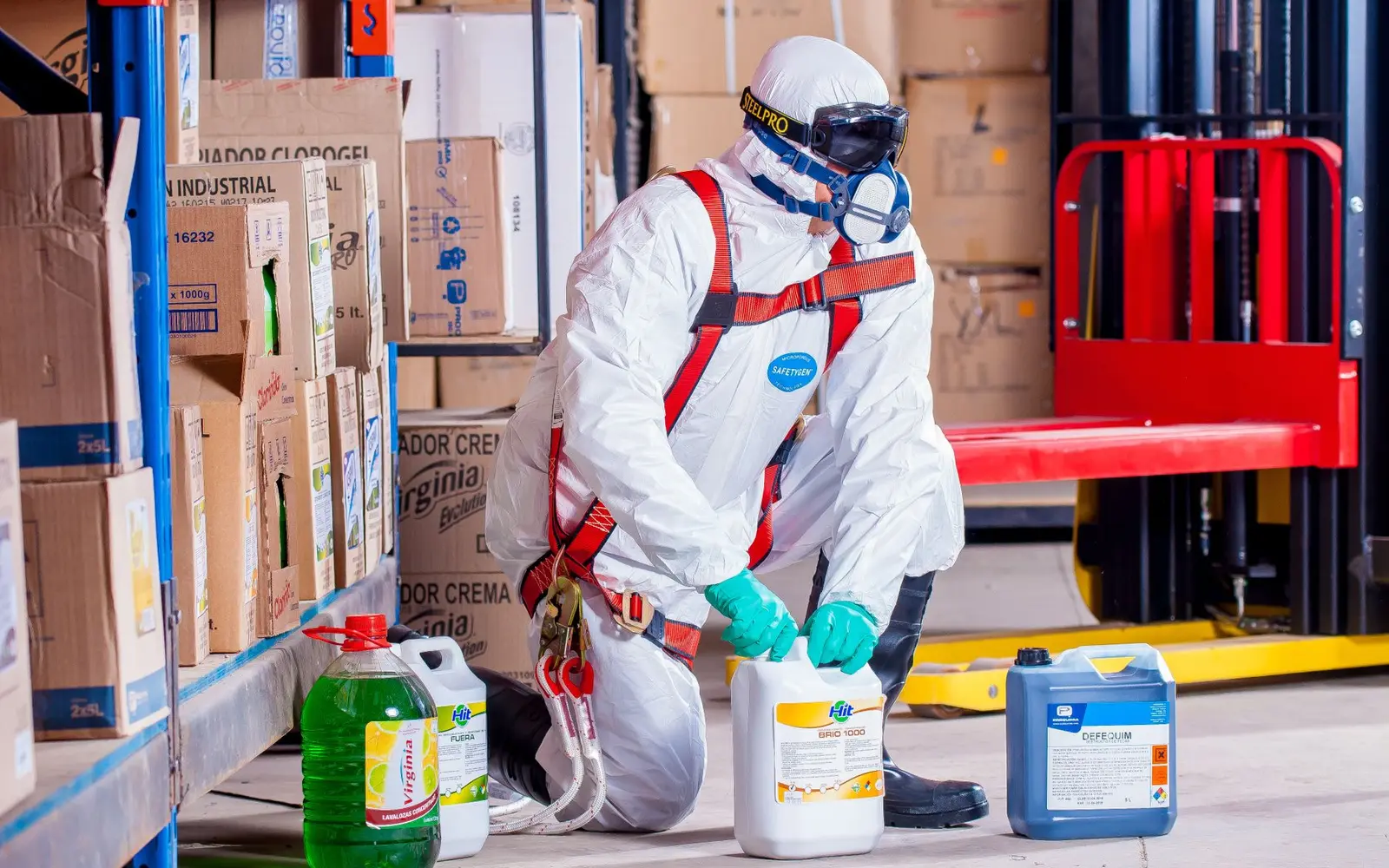
Warehouses and factories in Ajyad Makkah
Ajyad presses against the southern face of the Grand Mosque, with hotel towers and dense Umrah lodgings stacked along Ajyad Street and Ibrahim Al Khalil Street. Warehouses here sit in the shadow of constant footfall and seasonal peaks, and the wall-to-wall apartment blocks mean that utility pipelines and foundations are shared, so pest entry from adjacent units happens fast.
-
Targeted, not broadcast
Product goes into cracks and runways, never sprayed across open surfaces.
-
Told before we start
What we will use, where it goes, and what to cover or move before we arrive.
-
A follow-up visit
We return after the first treatment, because what survives it does not show on the day.
-
Homes and businesses
Apartments and villas, and kitchens and stores that need a record of each visit.
Why they keep coming back in Ajyad
Seasonal hotel closures in Ajyad force insects out of the flats above a warehouse and into the storage floor below, a pattern that repeats three or four times each year with the calendar of Umrah and Hajj. The method is set out in full on how we approach Warehouses and factories.
Seasonal surges from stacked hotels and flats above
Umrah and Hajj seasons pack Ajyad's residential blocks with temporary guests, while warehouses sit directly beneath or alongside them. When occupancy drops, insects that colonised the hotel migrate down through shared pipes and wall cavities to the storage space below, restarting infestation at ground level.
Wall-to-wall construction and mixed neighbours
Ajyad buildings stand shoulder to shoulder: hotel, warehouse, residential block, mosque, each one joined to the next. Treating the warehouse alone does not stop reinfestation from its surroundings, especially where a hotel above carries a far higher pest load than the store beneath.
Aged pipework and seasonal water stress
Drainage in Ajyad is old and falls away from the towers above, and water collects under the racking when rains come. Insects travel drainage lines to move between floors, and the damp accelerates their breeding cycle.
Ajyad on the map
Ajyad sits about 0.5 km from Al Hajlah and about 2 km from Al Mansour.
Open in Google MapsWhat the first walk through the building reads
Ajyad sits on hillside ground that falls away from the mosque toward Jabal Khandamah, with older construction and ageing drainage networks in the historic lanes behind the main street spine.
The shutter line
The goods-in door at Ajyad opens straight onto a crowded main street, and insects enter with deliveries and staff. This entry point carries the most active pressure, so monitoring density is highest here.
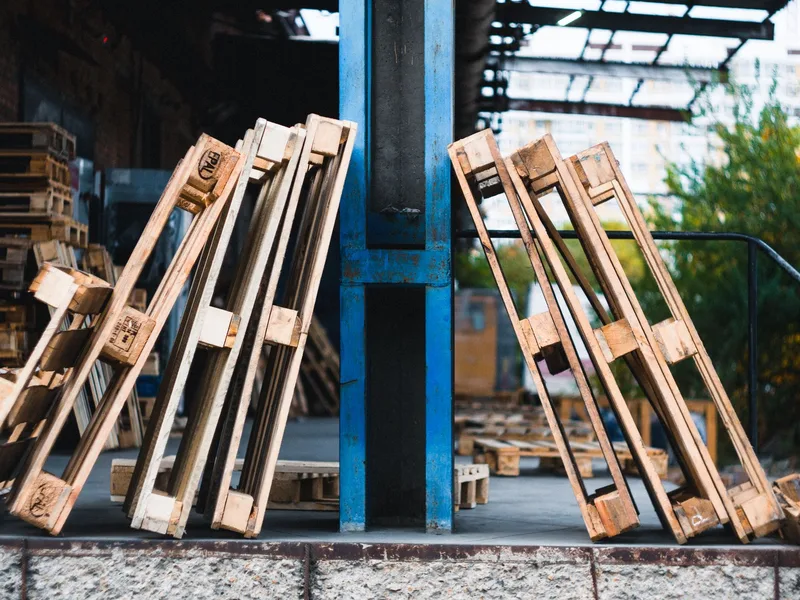
What comes in on the pallet
Pallets arriving at Ajyad come from the hotels and stores that ring it, and may carry insects from the residential blocks above. Every incoming batch is inspected before entry to the main storage zone.
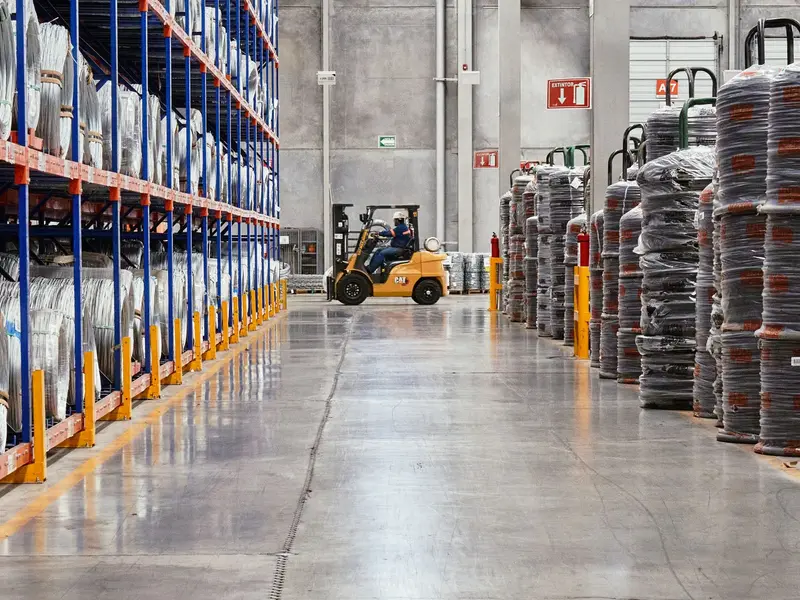
The strip along the wall
The wall strip in Ajyad is old, damp and cracked, and insects shelter behind racking that sits flush against it. Trap lines run the full length of the wall to intercept pest movement along it.
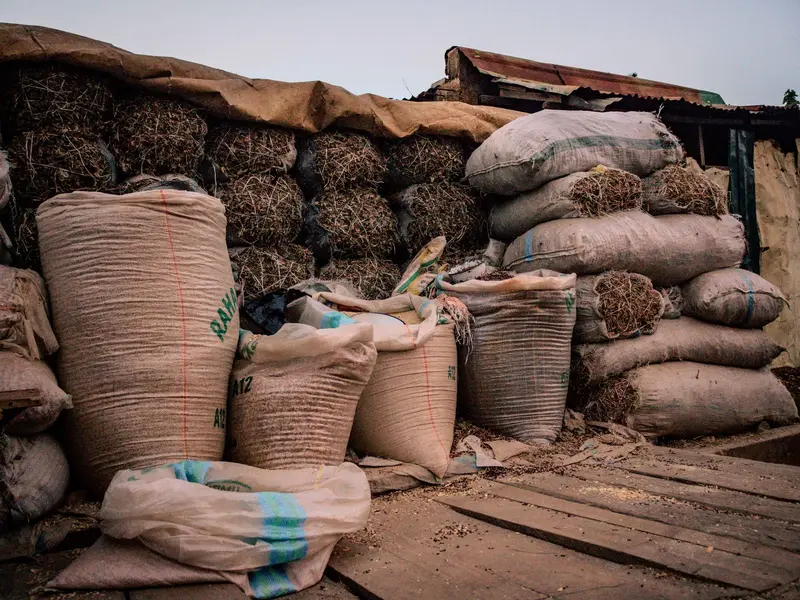
Spillage under the racking
Floor space under the racking collects moisture, food debris and dust from goods handling, creating an ideal harborage for cockroaches and ants. These voids receive intensive treatment and regular inspection.
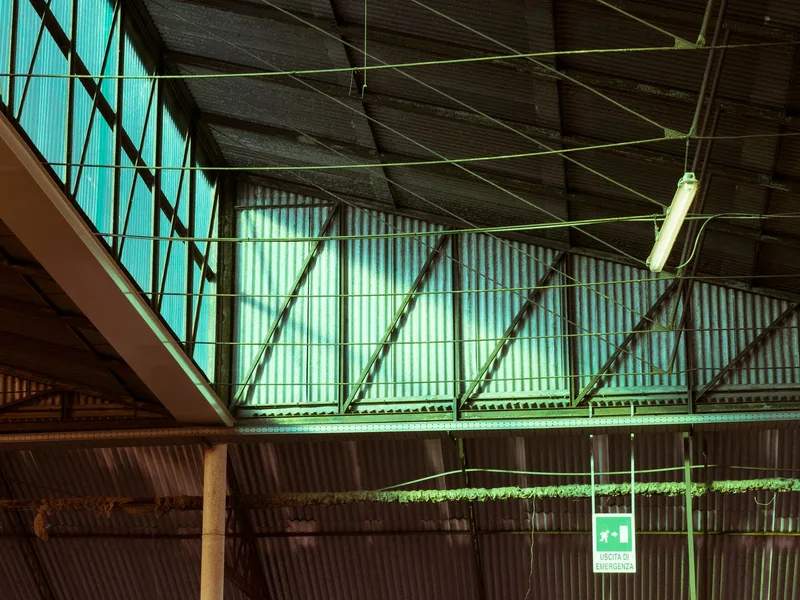
The roof and the openings above
The Ajyad ceiling is aged and ventilation openings lack screens, allowing mosquitoes and flies to enter from above. Upper zones receive treatment ahead of racking inspection to prevent insect descent.
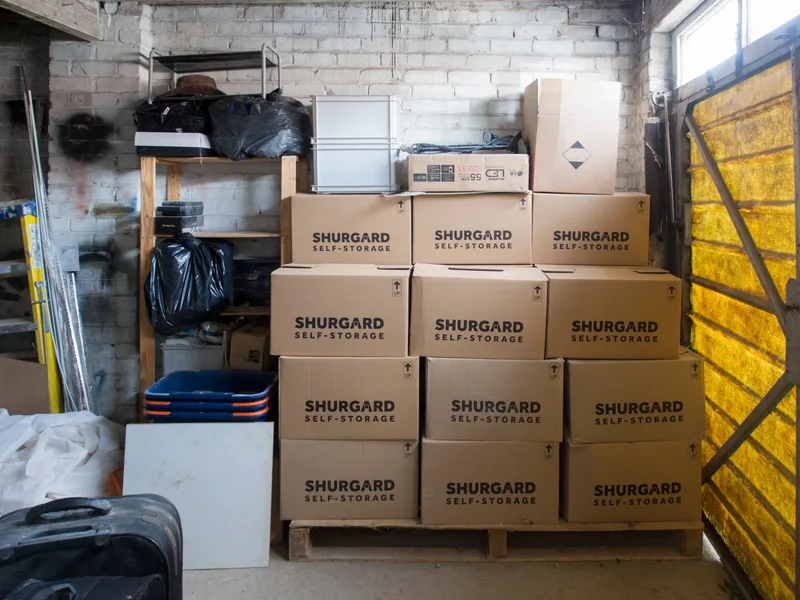
Stock that does not move
Stock held static in Ajyad storage may be infested and conceals insects under the floor slab. Before reshelving we lift each box, inspect beneath it, and clean the substrate area thoroughly.
How we work
-
1
Survey the building and locate the source
We walk from the goods-in door through the racking, the production areas and the outside wall line, and establish whether the pressure is stored product pests inside the goods, rodents from the perimeter or flying insects from waste and doorways, because each of those is a different programme.
-
2
Pheromone traps and numbered points
Species-specific pheromone traps through the storage areas, and monitoring points on the external ring and along the internal walls, numbered on the racking plan. A trap treats nothing, it tells us which aisle the numbers are climbing in.
-
3
Targeted treatment and isolating the consignment
Spillage is lifted first, then empty racking, wall and floor junctions and voids are treated, and nothing is placed over open stock or a running line. A consignment showing activity is isolated where it stands rather than carried through the building.
-
4
Sealing, then the scheduled visits
We close door gaps, openings and pipe entries, then come back on an agreed schedule: the same traps and points are read each time, and a report goes over what was found, what was treated and what the building still needs closed.
What warehouse pest control includes
-

Site survey and racking plan
A walk from the goods-in door to the last aisle, and a plan with every monitoring position numbered before anything is installed.
-

Pheromone traps and numbered points
Species-specific traps through the storage areas and points along the perimeter line, read and logged on every visit.
-

Targeted treatment of racking and junctions
On empty racking, wall and floor junctions and voids, never over open stock or a running line.
-

Drains, waste and the perimeter
Floor gullies, the container area and the outside wall line, because that is the source which renews itself.
-

Proofing and building findings
Shutter gaps, brush seals and mesh over openings, with a list of what the site needs to repair.
-

Scheduled visits and a report each time
Agreed dates set by the pressure on the site, the same traps read again, and a report that records every visit.
What is different about Ajyad Sub-Municipality
Ajyad sub municipality takes in the districts that press against the Grand Mosque from the south and west: Ajyad, Al Hajlah, Al Shubaikah, Al Tandabawi and Al Mansour. Hotels and rented apartment blocks for Umrah visitors stack up along Ajyad Street and Ibrahim Al Khalil Street, with kitchens and restaurants running aday and night in season. Behind them, Al Shubaikah and Al Tandabawi keep narrow old lanes on hillside ground where buildings and drains are ageing, and demolition and construction sites are a constant presence around Jabal Omar and the central zone.
Questions about this district
The warehouse in Ajyad sits under a closed hotel. Does the empty flat above matter?
An empty hotel collects insects in its rooms. When they grow hungry they migrate down to the store below via shared plumbing, through cracks between floor slabs and along utility conduits. The warehouse needs active traps and more frequent readings during the hotel's closed periods.
Goods arrive at Ajyad from ports downstream on the Red Sea. How do we inspect incoming shipments?
Port shipments carry insects from ship holds and coastal warehouses. We inspect each pallet at the goods-in door, place traps in the reception zone, and isolate any consignment that shows activity before it reaches the main storage area.
The old quarters behind Ajyad Street are being cleared. Are they a continuing pest source?
Those aged lanes hold high insect populations in broken buildings and corroded drains. Warehouses in Ajyad close to the historic quarter need more frequent trap readings and perimeter monitoring, especially on the wall facing the old housing.
Should we treat the Ajyad hotel and the warehouse below it as one programme or two?
They share a single drainage system and utility spine, but each space needs its own protocol. The hotel programme focuses on guest rooms and corridors, the warehouse on receiving areas, shelving and under-floor voids. Coordination between programmes prevents gaps.
Pest pressure peaks in Ajyad during Ramadan and high Umrah season. Do we change the frequency?
In peak season we increase trap counts and trap reading frequency, and deploy additional monitoring points at warehouse entry doors and goods-handling zones. After the season ends we reduce intensity but maintain permanent sentinel traps.
The Ajyad warehouse report: will an external auditor accept it as submitted?
The report includes a labelled map, numbered trap locations, readings from each visit and actions taken. An external auditor needs to see seasonal pressure mapped against the warehouse location, so we attach a diagram linking the hotel occupancy pattern to pest readings.
How much does warehouses and factories in Ajyad cost?
It is set after the inspection, because the price follows the type of infestation, the size of the space, how far it has spread and the number of visits it needs. Send a photo and a description on WhatsApp and we will give you an estimate before we reach Ajyad.
Nearby districts we cover
Other services in Ajyad
Other services we provide to residents of Ajyad.
-
 Residential
Cockroach control
Residential
Cockroach control
-
 Residential
Bed bug control
Residential
Bed bug control
-
 Residential
Termite control
Residential
Termite control
-
 Residential
Rodents and mice
Residential
Rodents and mice
-
 Residential
Mosquito control
Residential
Mosquito control
-
 Residential
Fly control
Residential
Fly control
-
 Residential
Ant control
Residential
Ant control
-
 Residential
Gecko control
Residential
Gecko control
-
 Residential
Scorpion control
Residential
Scorpion control
-
 Residential
Snake control
Residential
Snake control
-
 Residential
Flea control
Residential
Flea control
-
 Residential
Bird and pigeon control
Residential
Bird and pigeon control
-
 Residential
Preventive treatment
Residential
Preventive treatment
-
 Residential
Disinfection
Residential
Disinfection
-
 Commercial
Annual contracts
Commercial
Annual contracts
-
 Commercial
Restaurants and cafes
Commercial
Restaurants and cafes
-
 Commercial
Hotels and apartments
Commercial
Hotels and apartments
-
 Commercial
Schools and nurseries
Commercial
Schools and nurseries
-
 Commercial
Retail and malls
Commercial
Retail and malls
-
 Commercial
Rest houses and farms
Commercial
Rest houses and farms
-
 Commercial
Fumigation
Commercial
Fumigation
-
 Water tanks
Water tank cleaning
Water tanks
Water tank cleaning
-
 Water tanks
Water tank sterilization
Water tanks
Water tank sterilization
-
 Water tanks
Water tank sealing
Water tanks
Water tank sealing
-
 Water tanks
Tank leak repair
Water tanks
Tank leak repair
Need warehouses and factories in Ajyad? Tell us what you saw and we will tell you what it needs
We reach Ajyad at a time we agree, and you get the full cost before we start.