
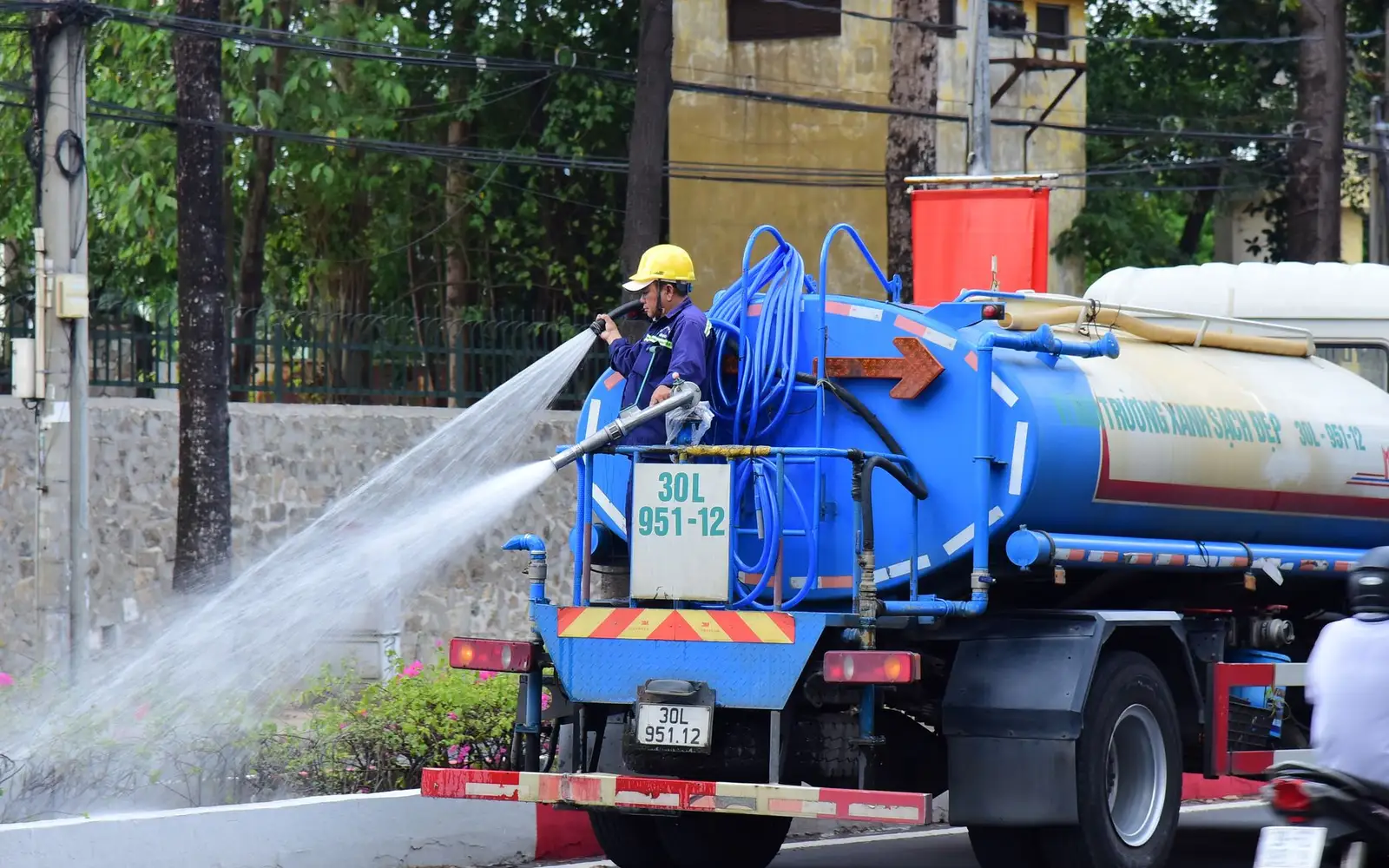
Water tank cleaning in Ajyad Makkah
Ajyad is a high density apartment district pressed against the southern courtyards of the Grand Mosque, hotel towers and pilgrim lodgings stacked on the slopes of Jabal Khandamah. Tanks here are distributed across dozens of tall buildings in a compact space, water travels through old complex distribution networks, and sediment accumulates rapidly from extreme seasonal swings. The busiest months reverse the slowest, and the tank that sat nearly empty for weeks fills to overflowing in days.
-
Potable-rated materials
Linings and disinfectants cleared for drinking water tanks, not general-purpose products.
-
You get the downtime first
How many hours the tank is out of service, told before we start rather than after we finish.
-
A first-draw flush
We run the first draw off after refilling, and the tank is not handed back until the water runs clear.
-
Ground and roof tanks
Villas, apartment blocks and premises that need a written record of each visit.
Why the job is different in Ajyad
Tanks in the district are distributed across very tall tower blocks where access is hazardous, and humidity stays high from the proximity to the Haram courtyard and the mountains that frame the valley. The method is set out in full on the full Water tank cleaning page.
Extreme seasonality and violent consumption swings
Ajyad is intensely seasonal. During Hajj and Umrah peaks, consumption reaches maximum and tanks drain and refill at extreme speed. Outside seasons, tanks sit nearly empty and water goes stagnant. This violent swing means sediment settles very fast in quiet periods and stirs up at high speed in peak periods, creating layers that migrate and concentrate. A tank cleaned in off season may look very different after two weeks of pilgrim season.
Complex infrastructure and very old piping
Distribution networks in Ajyad are intricate, tanks on buildings of different heights feeding multiple structures through long pipe runs. Some pipes may date from the original hotel construction decades ago. Sediment accumulates in horizontal and vertical sections of piping, reducing flow and creating pressure problems throughout the network. Cleaning the tank alone leaves the network itself still compromised.
Extreme height and hazard in access
Ajyad sits on mountainside slopes and tanks top hotel buildings that may exceed 40 storeys. Reaching them requires specialised safety equipment and climbing experience. There may be no easy route for cleaning equipment, making work slow and costly. Weather on high exposures can also close access for days at a time.
Ajyad on the map
Ajyad sits about 0.5 km from Al Hajlah and about 1 km from Al Shubaikah.
Open in Google MapsThe condition of the tank decides the method
Ajyad presses against the southern Haram courtyards, with the Abraj Al Bait clock tower on the slopes, hotel towers and pilgrim lodgings along Ajyad Street, and mountain ground that slopes steeply toward Jabal Khandamah to the south east.
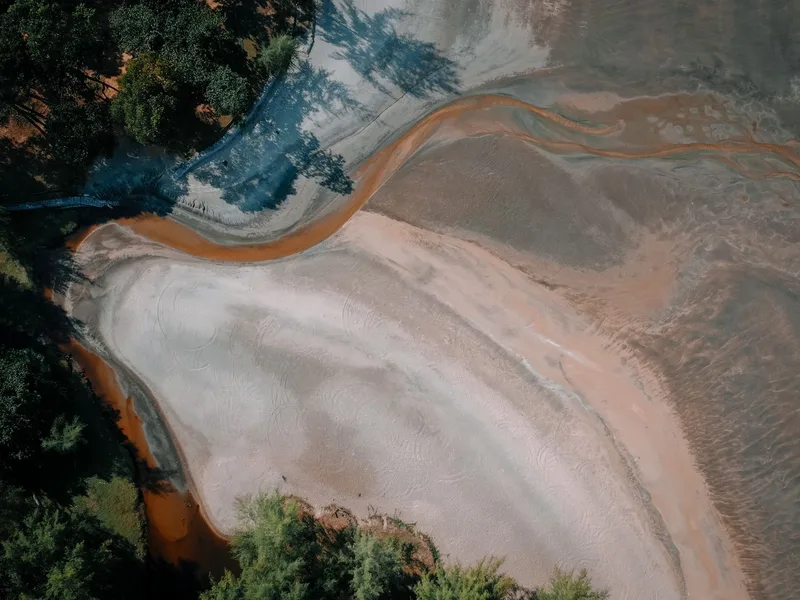
The layer on the floor
The settled layer at the bottom of seasonal tanks becomes very thick after Hajj peaks because stagnant water allows rapid and deep sedimentation over weeks of low use.
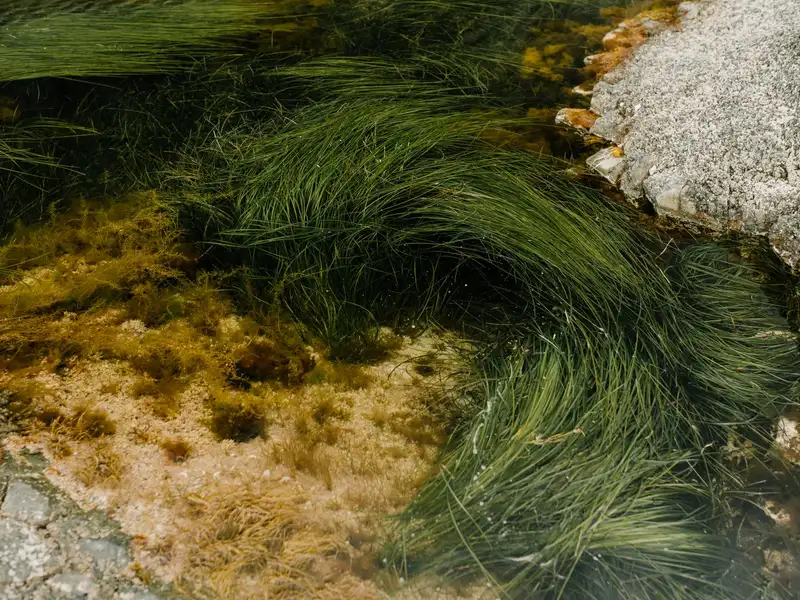
Light and algae
Algae may be rare on high exposures where light is limited, but bacteria grow rapidly in the warm pilgrim season water.
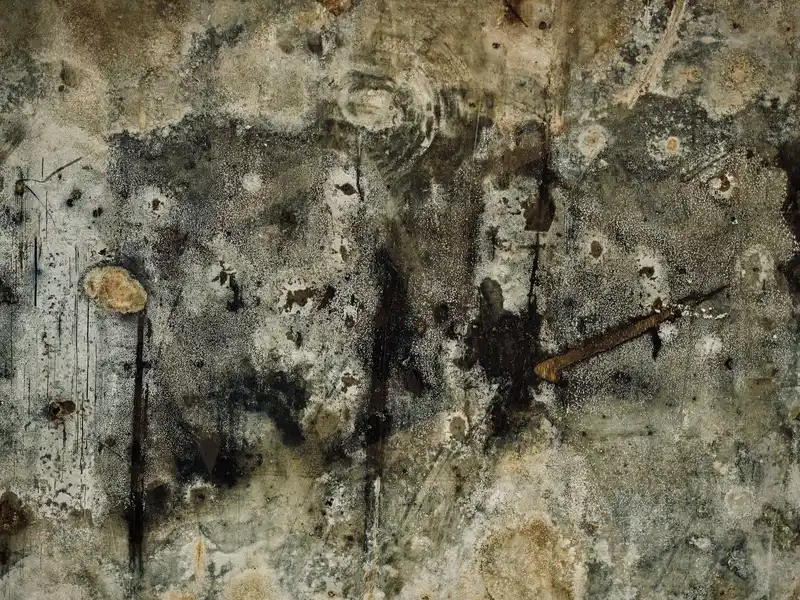
The deposit on the wall
Wall deposits may be brown from mineral salts and bacterial films, especially in tanks that went uncleaned through an entire season.
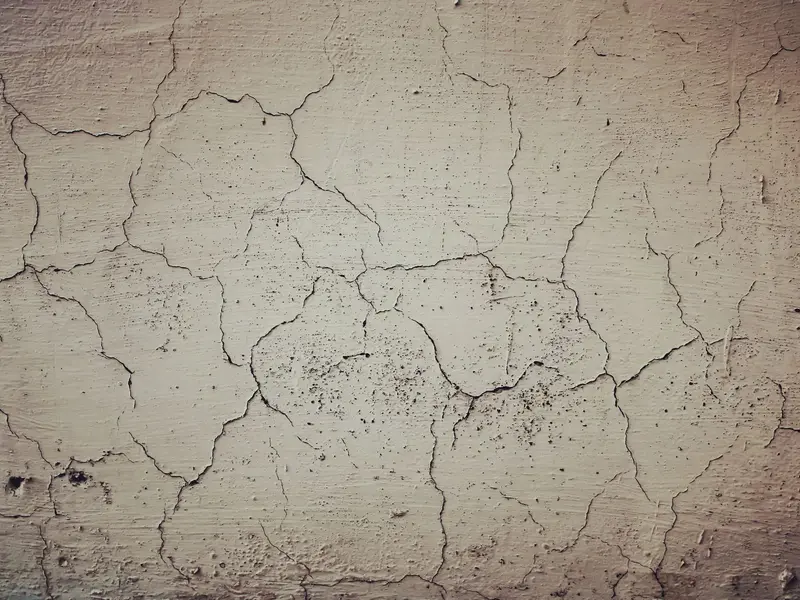
The lining and hairline cracks
Linings suffer extreme pressure during season and extreme vacuum after it, causing hairline cracks to form rapidly and water to weep from the structure.
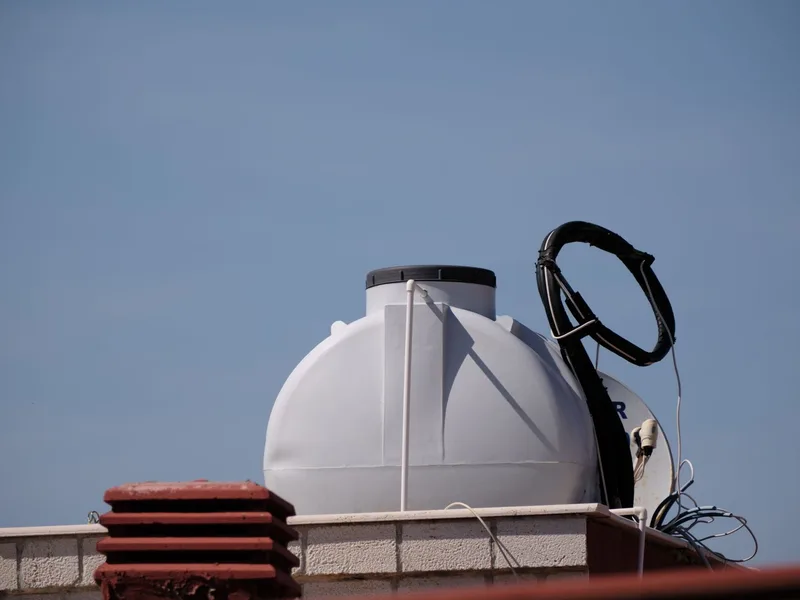
The lid and the access hatch
Covers on high roofs may be entirely missing or loose from high winds, and access hatches may be damaged from intensive seasonal use.
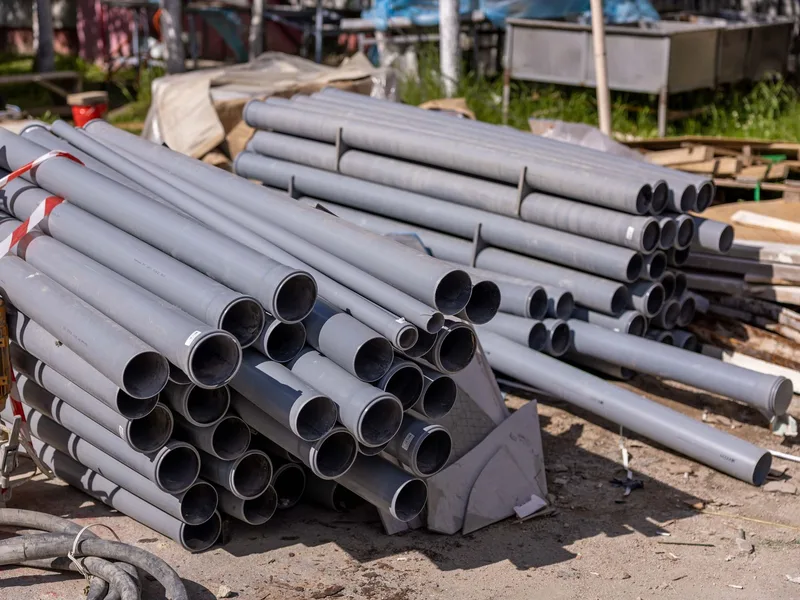
The vent and the overflow pipe
Vent openings on tall towers may clog with dust carried by mountain winds, and overflow pipes may be damaged from the heavy seasonal flow.
How we work
-
1
Inspect before the drain
Tank type and material, the condition of the lining, the depth of the sediment, the lid and the vent, and where the drained water will go. We agree the window without supply before anything is opened.
-
2
Drain, then lift the sludge
The water leaves through the outlet, then the layer beneath it is taken out by hand and by suction. That layer is the reason for the visit, not the water that ran out ahead of it.
-
3
High pressure wash
Walls, floor and the joint where they meet, with a brush wherever the film resists, then the wash water is taken out completely so nothing we lifted settles again.
-
4
Disinfect and put back in service
Disinfectant over every internal surface, left for its contact time and then rinsed out, followed by the refill, a first draw off at the taps, and a report on what was inside the tank.
What water tank cleaning includes
-

An inspection before the valve
Tank type, lining condition, depth of sediment, lid and vent, recorded before any water leaves.
-

Full drain and sediment removal
The water through the outlet, and the layer below it by hand and by suction until the floor itself is showing.
-

Pressure washing walls and floor
High pressure across the surfaces and corners, and a brush on anything water alone will not lift.
-

Disinfection after the wash
A disinfectant intended for drinking water tanks, named to you before it is used, left for its contact time and then rinsed out.
-

Refill and the first draw off
We refill, run the taps so the new water moves through the pipework, and tell you when it is ready to use.
-

A report and the next date
What was inside the tank, anything on the lid or the lining that needs repair, and a sensible date for the next clean.
What is different about Ajyad Sub-Municipality
Ajyad sub municipality takes in the districts that press against the Grand Mosque from the south and west: Ajyad, Al Hajlah, Al Shubaikah, Al Tandabawi and Al Mansour. Hotels and rented apartment blocks for Umrah visitors stack up along Ajyad Street and Ibrahim Al Khalil Street, with kitchens and restaurants running aday and night in season. Behind them, Al Shubaikah and Al Tandabawi keep narrow old lanes on hillside ground where buildings and drains are ageing, and demolition and construction sites are a constant presence around Jabal Omar and the central zone.
Questions about this district
Ramadan is coming and the tank needs cleaning urgently. Can you do it?
We may struggle to fit it in. Ajyad is intensely seasonal, and one team cannot serve all the towers. We strongly recommend cleaning a week before Ramadan, or we may need to send multiple crews working at once.
The tank is on a 45 storey tower. Is it safe to reach?
Safe yes, but requiring the highest safety precautions. We use complete protective equipment and work in small stages. Safety comes before speed, so it takes longer than cleaning tanks at lower heights.
The tap water in a high flat stays cloudy all the time. What is wrong?
The long vertical pipes may be carrying sediment from the high tank. Cleaning the tank and flushing the long piping may solve it, but the flat may also need a filter of its own.
Is weak water pressure from a high tank normal?
No, not if it is very weak. Pressure should be good from an elevated tank. Weak flow may mean sediment in the piping or a weak pump. Cleaning may help, but the pump itself may need replacement.
The hotel tank has not been cleaned for a whole year. Is that safe?
No, not safe at all. A year without cleaning may have made the water unsafe to use. Emergency cleaning is needed immediately, and the water may need testing before and after.
Ramadan is over and the tank is heavy with sediment. Should we leave it?
No, post season cleaning is essential. The heavy sediment that accumulated during peak months must be removed immediately to prevent bacterial and fungal contamination.
How much does water tank cleaning in Ajyad cost?
It is set after the inspection, because the price follows the type of infestation, the size of the space, how far it has spread and the number of visits it needs. Send a photo and a description on WhatsApp and we will give you an estimate before we reach Ajyad.
Nearby districts we cover
Other services in Ajyad
Other services we provide to residents of Ajyad.
-
 Residential
Cockroach control
Residential
Cockroach control
-
 Residential
Bed bug control
Residential
Bed bug control
-
 Residential
Termite control
Residential
Termite control
-
 Residential
Rodents and mice
Residential
Rodents and mice
-
 Residential
Mosquito control
Residential
Mosquito control
-
 Residential
Fly control
Residential
Fly control
-
 Residential
Ant control
Residential
Ant control
-
 Residential
Gecko control
Residential
Gecko control
-
 Residential
Scorpion control
Residential
Scorpion control
-
 Residential
Snake control
Residential
Snake control
-
 Residential
Flea control
Residential
Flea control
-
 Residential
Bird and pigeon control
Residential
Bird and pigeon control
-
 Residential
Preventive treatment
Residential
Preventive treatment
-
 Residential
Disinfection
Residential
Disinfection
-
 Commercial
Annual contracts
Commercial
Annual contracts
-
 Commercial
Restaurants and cafes
Commercial
Restaurants and cafes
-
 Commercial
Hotels and apartments
Commercial
Hotels and apartments
-
 Commercial
Warehouses and factories
Commercial
Warehouses and factories
-
 Commercial
Schools and nurseries
Commercial
Schools and nurseries
-
 Commercial
Retail and malls
Commercial
Retail and malls
-
 Commercial
Rest houses and farms
Commercial
Rest houses and farms
-
 Commercial
Fumigation
Commercial
Fumigation
-
 Water tanks
Water tank sterilization
Water tanks
Water tank sterilization
-
 Water tanks
Water tank sealing
Water tanks
Water tank sealing
-
 Water tanks
Tank leak repair
Water tanks
Tank leak repair
Need water tank cleaning in Ajyad? Tell us what you saw and we will tell you what it needs
We reach Ajyad at a time we agree, and you get the full cost before we start.