
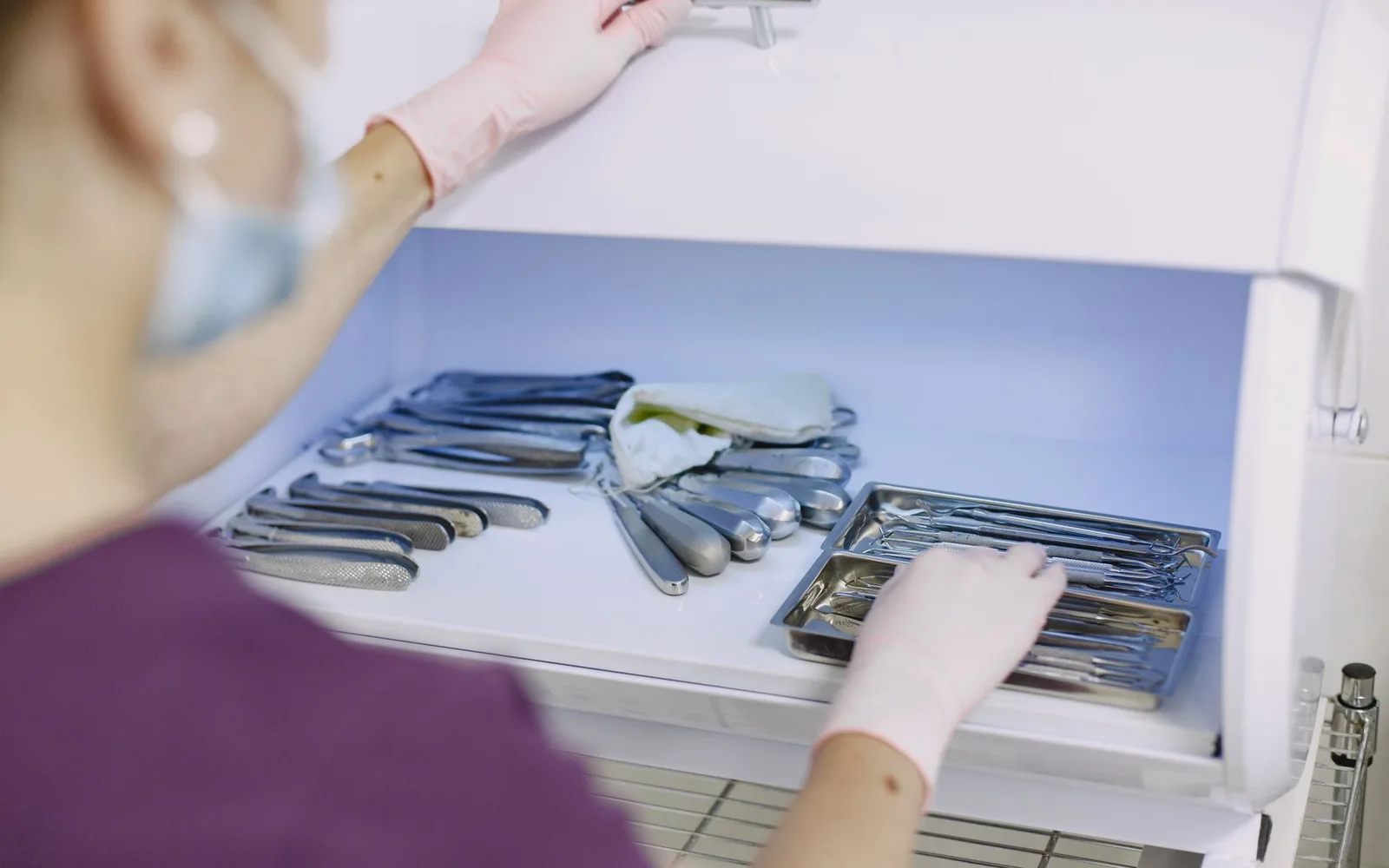
Water tank sterilization in Ajyad Makkah
Ajyad is the district pressed between the Sacred Mosque courtyards and the southern plazas, where the clock tower rises over massive pilgrim lodgings and apartment towers stacked one above the other. Tanks here are enormous and deep because they supply water to hundreds in hotels and daily housing. Pressure on the tanks is very high and water moves fast, but in dead corners sediment and sludge accumulate.
-
Potable-rated materials
Linings and disinfectants cleared for drinking water tanks, not general-purpose products.
-
You get the downtime first
How many hours the tank is out of service, told before we start rather than after we finish.
-
A first-draw flush
We run the first draw off after refilling, and the tank is not handed back until the water runs clear.
-
Ground and roof tanks
Villas, apartment blocks and premises that need a written record of each visit.
Why the job is different in Ajyad
The tanks here rank among the largest in Jeddah, some serving massive hotels or residential towers 20 to 30 storeys high. The method is set out in full on Water tank sterilization in detail.
Enormous tanks beneath hotel towers
Large hotels have massive tanks beneath foundations or on roofs, some larger than a whole house. Pressure on the tank is extremely high and pipework is complex because water must reach 30 storeys.
Dead corners and stagnant zones
Large tanks have corners and dead branches where water does not flow with force. Sediment and sludge accumulate in these corners and side branches with no fresh water circulation.
High pressure and severe consumption load
In pilgrimage season, consumption rises hundredfold and the tank drains and fills at extreme speed. This pressure and rapid movement may release heavy sediment from corners.
Ajyad on the map
Ajyad sits about 0.5 km from Al Hajlah and about 1 km from Al Shubaikah.
Open in Google MapsWhat we read inside the tank before anything starts
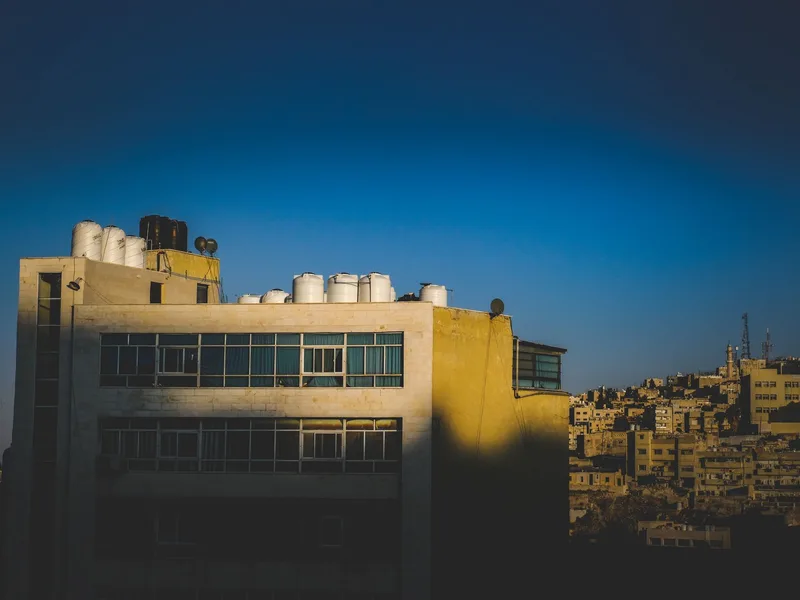
A densely compressed district against the south courtyards of the Sacred Mosque where the Abraj Al Bait clock tower dominates Ajyad Street. Hotel towers and pilgrim lodgings crowd every slope, with Ajyad Emergency Hospital beside the mosque, Al Hajlah climbing behind and hills enclosing the south east view.
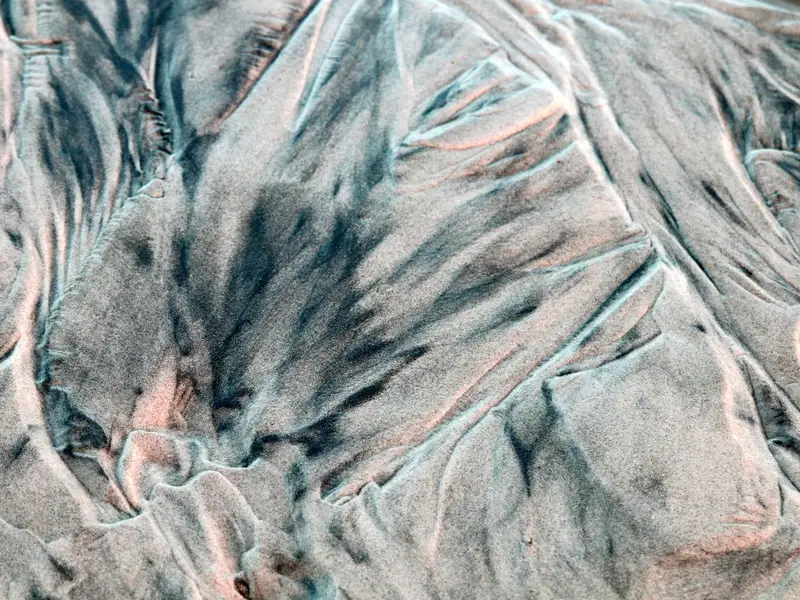
Sediment on the floor
Heavy mineral sediment settles at the base of the massive tank especially when night consumption is low.
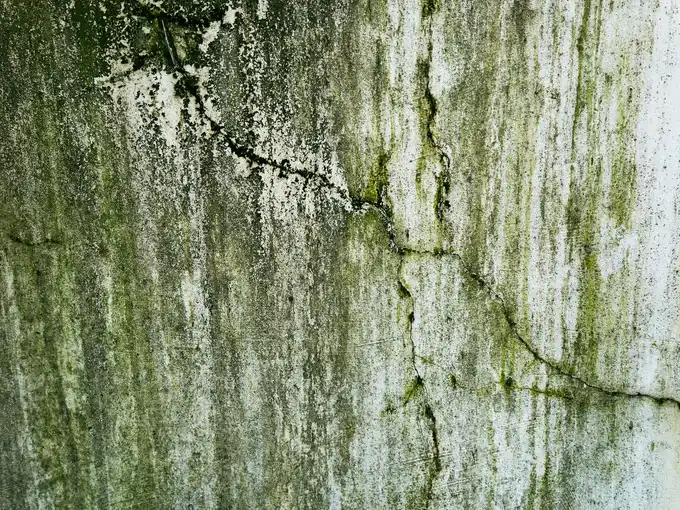
The slime film on the wall
Black organic sludge grows in dead corners and side branches where water stands still.
Light and heat
Pressure pipes and side branches create complex passages and water may not reach every point with force.
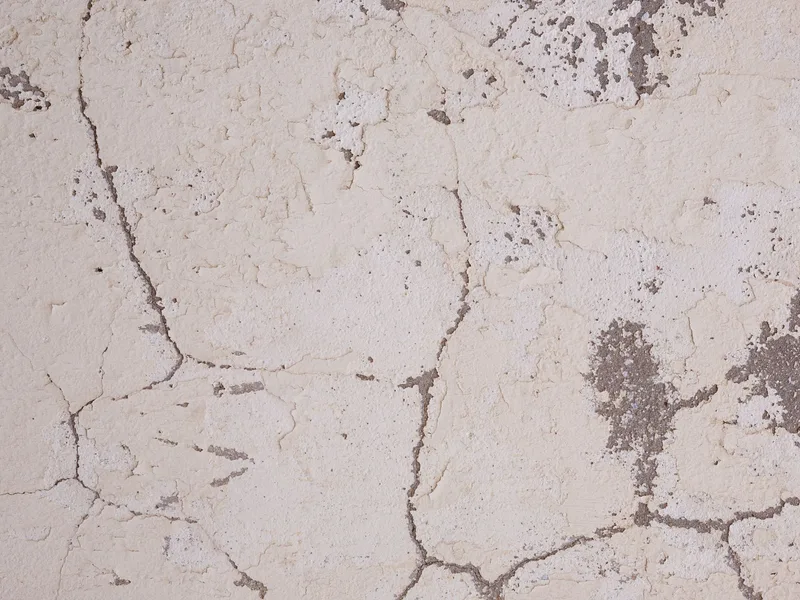
The lining and any cracking
Moisture is extremely high because the tank is huge and trapped water maintains very high humidity.
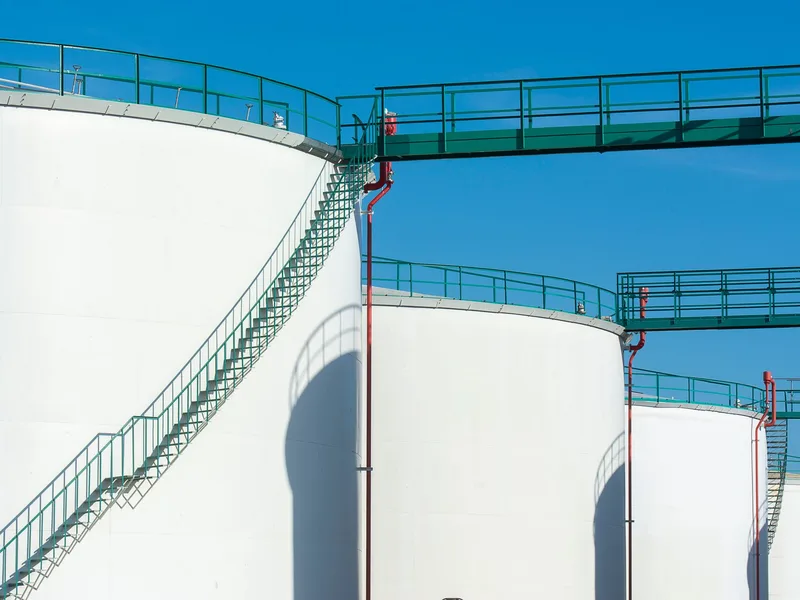
The lid and the openings
Deep sediment may reach several metres in the largest tanks and needs strong mechanical lifting.

What shows up at the tap
Both aerobic and anaerobic bacteria grow together in large stagnant tanks especially in dead corners.
How we work
-
1
Inspect and record the condition
We open the hatch and work through what the tank is made of and how big it is, how deep the sediment lies, the state of the lining, whether the lid and the overflow seal, and whether there is a crack that has to be repaired before any sterilizing.
-
2
Drain and lift the sediment out
The water goes out, then the silt and sand are lifted off the floor by suction rather than pushed toward the outlet, because pushing them sends them into the house pipework and the heater.
-
3
High pressure wash
Walls, floor, corners and the area around the outlet, until the slime film is completely gone. This is the step that makes the sterilizing after it mean anything.
-
4
Sterilize, rinse, then return to service
The sterilizing agent goes onto the walls, the floor and the underside of the lid and is left for its contact time, then we rinse, refill and run the furthest tap until the whole line is clear.
What water tank sterilization includes
-

A recorded inspection
Material, capacity, sediment depth, the state of the lining, the lid and the overflow, all before any work begins.
-

Draining and sediment removal
The water out, and the silt and sand lifted off the floor instead of being pushed into the outlet and the house pipework.
-

High pressure washing
Walls, corners and around the outlet, until the biofilm that no disinfectant penetrates has gone.
-
Sterilizing the internal surfaces
A sterilizing agent meant for drinking water tanks, applied to the walls, the floor and the underside of the lid, and left for its contact time.
-

Line flush and aftercare
Rinse, refill and a flush from the furthest tap, when the water is usable again, and what to change in the filter afterwards.
-

The next cycle
We agree the right interval for your tank from how it is filled, how much sun it takes and the condition of the lid.
The character of Ajyad
Apartment district: residential blocks, repeated floors and shared entrances
A district of dense hotels and towers means enormous tanks buried underground or on roofs. Sterilization needs powerful equipment and thorough flushing of dead corners and side branches because tank geometry is complex and pressure is high.
Questions about this district
Do large tanks need longer sterilization time?
Yes, massive tanks need much deeper washing and longer flushing because internal surface is huge, corners are deep and water flows in complex patterns.
Why are dead corners a problem in Ajyad?
Large tanks often have complex shapes and side branches. Standing water in these areas becomes a breeding ground for bacteria and algae.
Does high pressure from the towers affect contamination?
High pressure may disturb salts and sediment from tank walls and corners, increasing contamination if the wash lacks sufficient force.
How many storeys does one tank serve in Ajyad?
Some tanks serve 20 to 30 storeys or more and need extremely high pressure to push water to upper floors.
Does the pilgrimage season affect sterilization needs?
Heavily. During pilgrimage season consumption rises sharply and the tank drains and refills at extreme speed, making water more vulnerable to contamination if the tank is not very clean.
Must we inspect side pipes and dead branches?
Yes, side pipes with low flow may be highly contaminated and need separate powerful flushing.
How much does water tank sterilization in Ajyad cost?
It is set after the inspection, because the price follows the type of infestation, the size of the space, how far it has spread and the number of visits it needs. Send a photo and a description on WhatsApp and we will give you an estimate before we reach Ajyad.
Nearby districts we cover
Other services in Ajyad
Other services we provide to residents of Ajyad.
-
 Water tanks
Water tank cleaning
-
 Water tanks
Water tank sealing
-
 Water tanks
Tank leak repair
-
 Residential
Cockroach control
Need water tank sterilization in Ajyad? Tell us what you saw and we will tell you what it needs
We reach Ajyad at a time we agree, and you get the full cost before we start.