
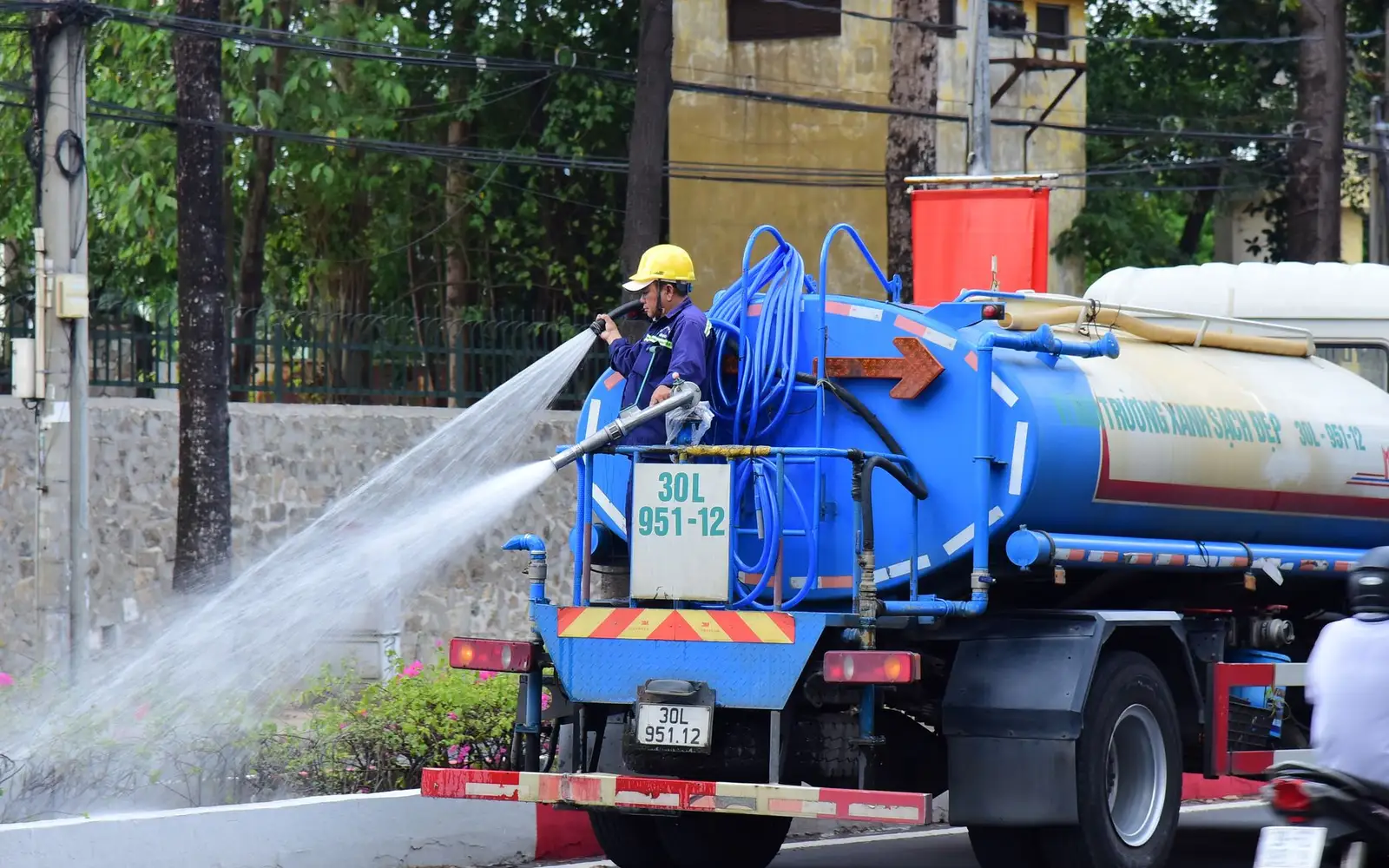
Water tank cleaning in Al Diyafah Makkah
Al Diyafah is an apartment district north of Al Zahra near the Haram, filled with numerous residential blocks let to pilgrims and visitors. The tank in such buildings serves multiple floors with different owners and repeated identical flats. Seasonal consumption changes sharply between hajj and umrah season and ordinary days.
-
Potable-rated materials
Linings and disinfectants cleared for drinking water tanks, not general-purpose products.
-
You get the downtime first
How many hours the tank is out of service, told before we start rather than after we finish.
-
A first-draw flush
We run the first draw off after refilling, and the tank is not handed back until the water runs clear.
-
Ground and roof tanks
Villas, apartment blocks and premises that need a written record of each visit.
Why the job is different in Al Diyafah
Furnished flat tanks suffer from long gaps between guests and visitors when water sits still and deposits harden far faster than in continuously occupied residential quarters. The method is set out in full on what Water tank cleaning involves.
Seasonal gaps and intermittent consumption
Furnished flats take guests during hajj and umrah seasons then stand empty for weeks. Water stagnates inside the tank and pipes, allowing bacteria and algae to multiply far faster than with regular consumption. Sediment hardens and bonds more firmly than when steady use keeps material in motion.
Hussain Arab Street and surrounding ground
Hussain Arab Street crosses the district and Abdullah Arif Road passes over old pipe infrastructure. The surrounding land contains excavations and historical pipes from earlier building cycles. This means incoming water may carry fine particles and minerals from disturbed soil around outdated pipe routes.
Shared entrances and multiple ownership
Each block shares one entrance and one tank serving multiple flats owned by different people. Maintenance becomes complex because owners cannot agree on cleaning schedules and consumption is uneven across flats, with some using water heavily and others remaining empty for extended periods.
Al Diyafah on the map
Al Diyafah sits about 1 km from Al Bayban and about 1 km from Al Zahra.
Open in Google MapsThe condition of the tank decides the method
The district sits north of Al Zahra on the old Makkah road near the historical paths where pilgrims arrive. The surrounding land holds remnants of old pipe infrastructure from earlier building periods.
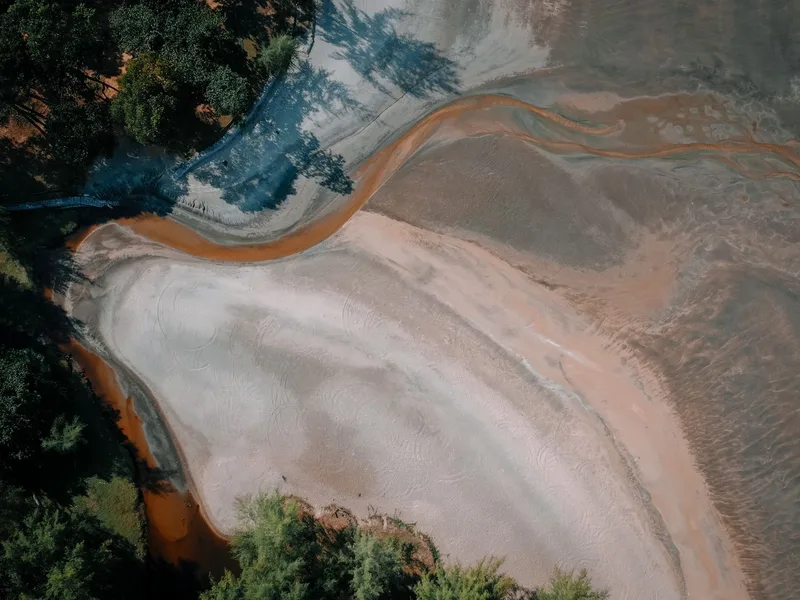
The layer on the floor
Thick white sediment forms rapidly in Al Diyafah because water stagnates for long stretches and minerals and calcium settle into a dense layer at the floor beneath any movement.
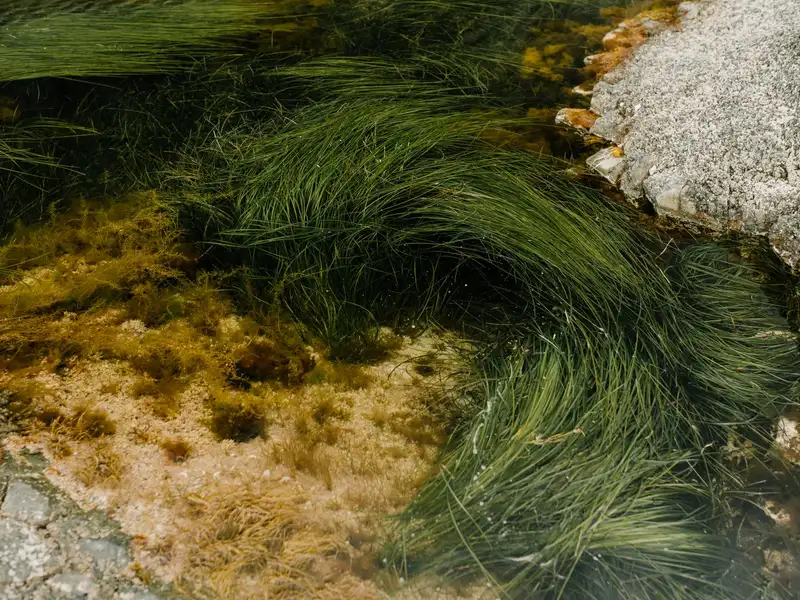
Light and algae
Algae grow quickly in empty flats during seasonal closures. Low light and still water allow growth to spread unchecked, and old pipes provide an ideal environment for blooms to establish and persist.
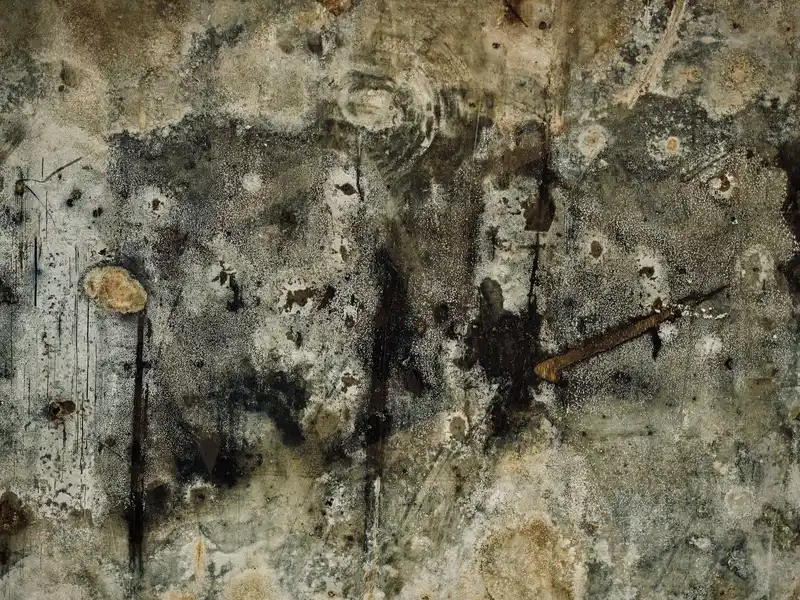
The deposit on the wall
The wall deposit is a thick brown film of bacteria and hardened sludge because water sits untouched for weeks at a time, allowing particles to bond more firmly than in areas with continuous consumption.
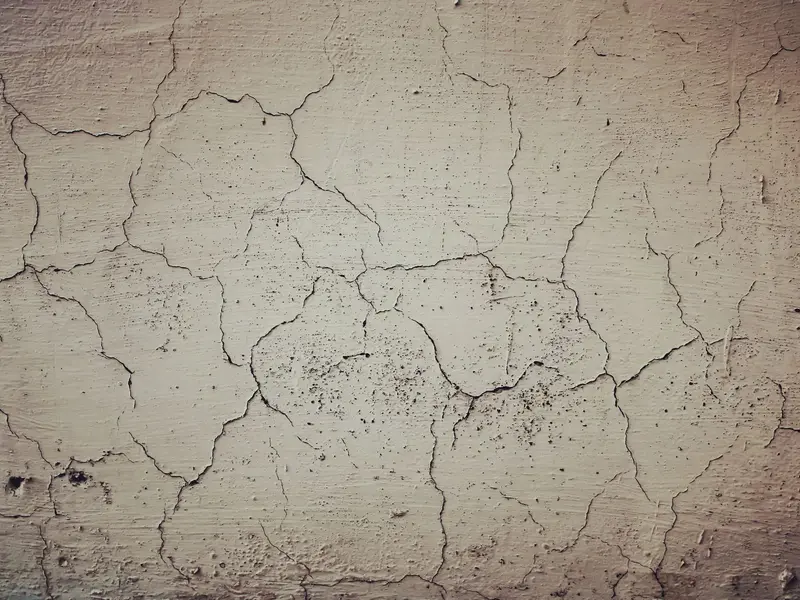
The lining and hairline cracks
Hairline cracks appear from vibration and changing pressure, and the age of some buildings means the lining may have weakened from years without proper maintenance and structural stress.
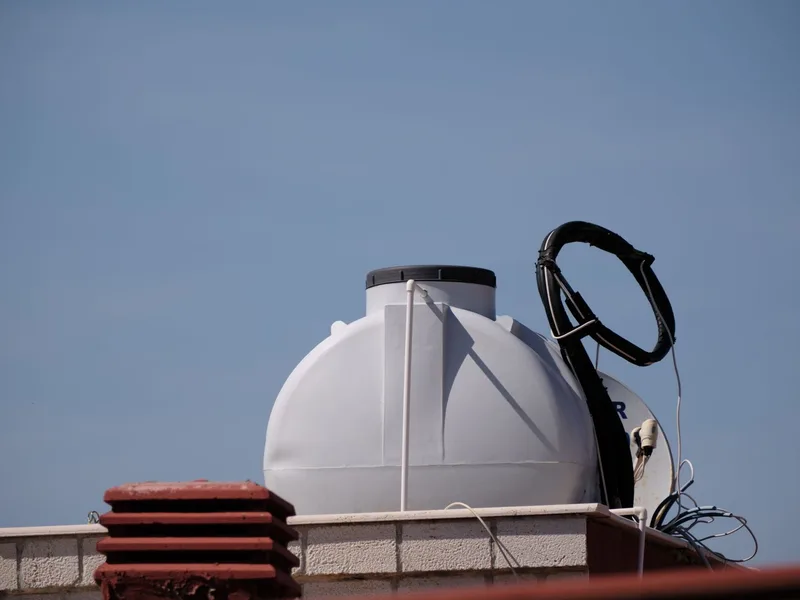
The lid and the access hatch
The lid and hatches may be broken or unsecured in empty flats, allowing insects and particles to enter freely through vent openings that lack tight seals or protective guards.
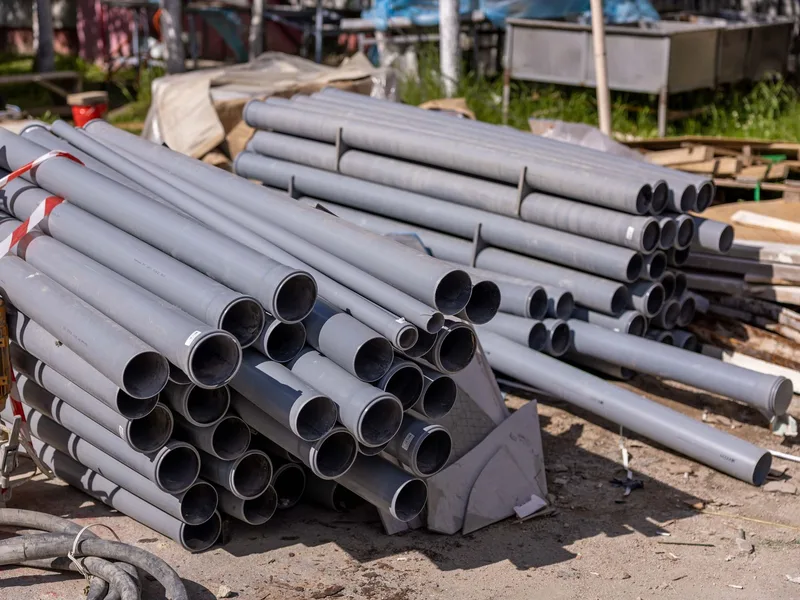
The vent and the overflow pipe
Vent and overflow openings need insect protection, and empty flats may go unmonitored for months, leaving the openings exposed to the weather and pests throughout extended vacant periods.
How we work
-
1
Inspect before the drain
Tank type and material, the condition of the lining, the depth of the sediment, the lid and the vent, and where the drained water will go. We agree the window without supply before anything is opened.
-
2
Drain, then lift the sludge
The water leaves through the outlet, then the layer beneath it is taken out by hand and by suction. That layer is the reason for the visit, not the water that ran out ahead of it.
-
3
High pressure wash
Walls, floor and the joint where they meet, with a brush wherever the film resists, then the wash water is taken out completely so nothing we lifted settles again.
-
4
Disinfect and put back in service
Disinfectant over every internal surface, left for its contact time and then rinsed out, followed by the refill, a first draw off at the taps, and a report on what was inside the tank.
What water tank cleaning includes
-

An inspection before the valve
Tank type, lining condition, depth of sediment, lid and vent, recorded before any water leaves.
-

Full drain and sediment removal
The water through the outlet, and the layer below it by hand and by suction until the floor itself is showing.
-

Pressure washing walls and floor
High pressure across the surfaces and corners, and a brush on anything water alone will not lift.
-

Disinfection after the wash
A disinfectant intended for drinking water tanks, named to you before it is used, left for its contact time and then rinsed out.
-

Refill and the first draw off
We refill, run the taps so the new water moves through the pipework, and tell you when it is ready to use.
-

A report and the next date
What was inside the tank, anything on the lid or the lining that needs repair, and a sensible date for the next clean.
Landmarks of Al Diyafah
Al Diyafah is an apartment district north of Al Zahra on the old Makkah Road crossed by Hussain Arab Street, with tanks distributed across multiple residential blocks with different owners located near the Al Diyafah Mall and the neighbourhood markets.
- Old Makkah Road
- Hussain Arab Street
- Abdullah Arif Road
- Qasr Al Diyafah Street
- Al Diyafah Mall
Questions about this district
Why does water smell strange in a furnished flat after a long closure?
Water stagnates for weeks in the tank and pipes when a flat sits empty, allowing bacteria and microorganisms to flourish and create a musty odour. Old sediment on the inside of pipes soaks and releases a concentrated smell when the tap first opens.
Do empty flats cause problems in a shared tank?
Yes. A flat that uses no water creates dead zones inside the tank where stagnation occurs. This accelerates algae and bacterial growth, and deposits do not get flushed by natural movement. A shared tank needs cleaning more often if a large proportion of flats are vacant.
How often should a tank need cleaning in a district like Al Diyafah with furnished flats?
More frequently than continuously occupied residential areas because long vacancies speed sediment and bacterial buildup. At least every four to six weeks, particularly during the gaps between hajj and umrah seasons.
Does water during hajj and umrah season need stronger disinfection?
Yes. The busy seasons bring sudden surges in guest numbers and consumption spikes rapidly. Disinfection must be stronger during peak periods, and deep cleaning is essential before new guest arrivals after periods of vacancy.
Does different flat ownership complicate shared tank cleaning?
Very much so. Owners cannot agree on when to clean and who pays. A building management or residents committee is essential to coordinate regular cleaning schedules, consistent disinfection and ongoing maintenance across all flats.
Why does white sediment build up fast in furnished flat tanks?
Water sits idle for extended periods so dissolved minerals settle gradually and form a thick white layer. The white deposits are fine sand and calcium from old water that has not moved through the tank and pipes for many weeks.
How much does water tank cleaning in Al Diyafah cost?
It is set after the inspection, because the price follows the type of infestation, the size of the space, how far it has spread and the number of visits it needs. Send a photo and a description on WhatsApp and we will give you an estimate before we reach Al Diyafah.
Other services in Al Diyafah
Other services we provide to residents of Al Diyafah.
-
 Residential
Cockroach control
Residential
Cockroach control
-
 Residential
Bed bug control
Residential
Bed bug control
-
 Residential
Termite control
Residential
Termite control
-
 Residential
Rodents and mice
Residential
Rodents and mice
-
 Residential
Mosquito control
Residential
Mosquito control
-
 Residential
Fly control
Residential
Fly control
-
 Residential
Ant control
Residential
Ant control
-
 Residential
Gecko control
Residential
Gecko control
-
 Residential
Scorpion control
Residential
Scorpion control
-
 Residential
Snake control
Residential
Snake control
-
 Residential
Flea control
Residential
Flea control
-
 Residential
Bird and pigeon control
Residential
Bird and pigeon control
-
 Residential
Preventive treatment
Residential
Preventive treatment
-
 Residential
Disinfection
Residential
Disinfection
-
 Commercial
Annual contracts
Commercial
Annual contracts
-
 Commercial
Restaurants and cafes
Commercial
Restaurants and cafes
-
 Commercial
Hotels and apartments
Commercial
Hotels and apartments
-
 Commercial
Warehouses and factories
Commercial
Warehouses and factories
-
 Commercial
Schools and nurseries
Commercial
Schools and nurseries
-
 Commercial
Retail and malls
Commercial
Retail and malls
-
 Commercial
Rest houses and farms
Commercial
Rest houses and farms
-
 Commercial
Fumigation
Commercial
Fumigation
-
 Water tanks
Water tank sterilization
Water tanks
Water tank sterilization
-
 Water tanks
Water tank sealing
Water tanks
Water tank sealing
-
 Water tanks
Tank leak repair
Water tanks
Tank leak repair
Need water tank cleaning in Al Diyafah? Tell us what you saw and we will tell you what it needs
We reach Al Diyafah at a time we agree, and you get the full cost before we start.