
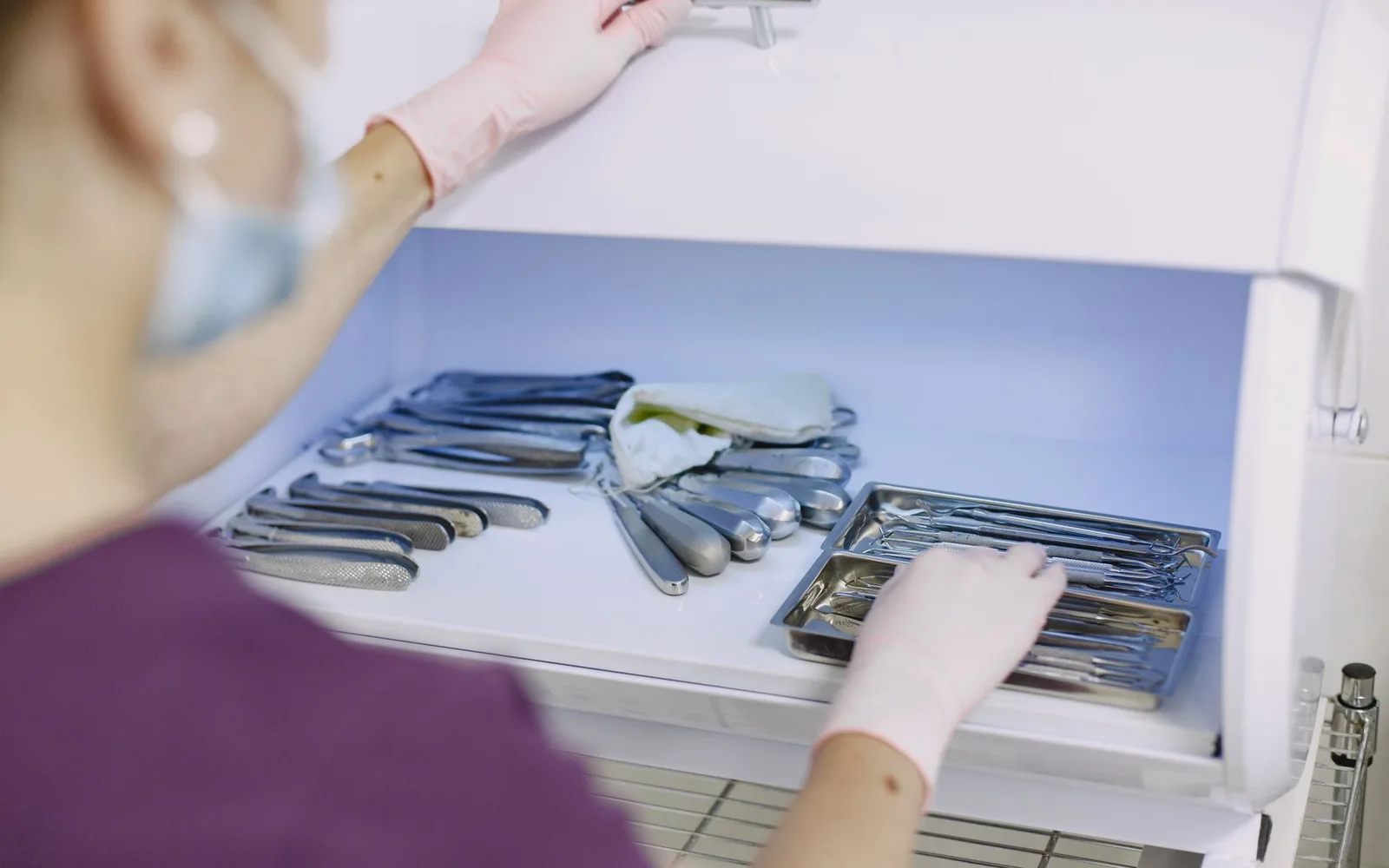
Water tank sterilization in Al Diyafah Makkah
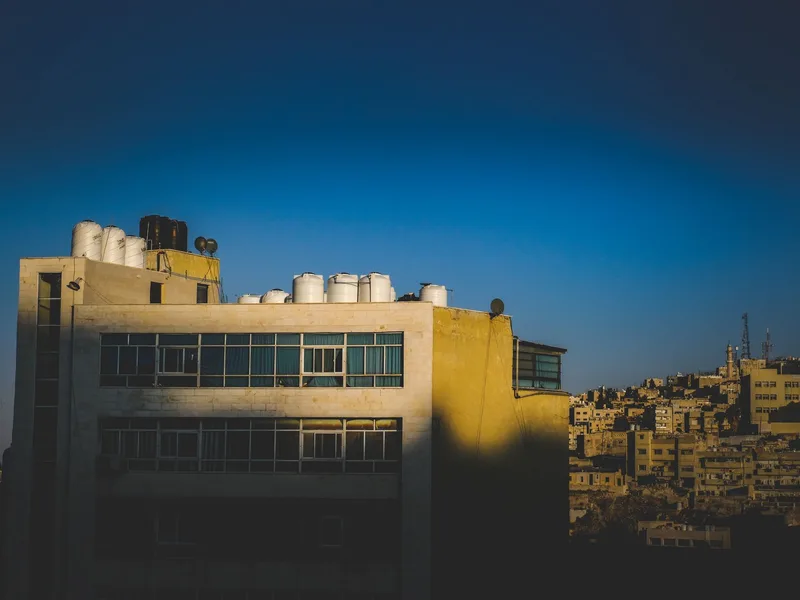
Al Diyafah is a densely built residential district north of Al Zahra adjoining tourist areas and holding apartment blocks, hotels and retail shops. Tanks here serve large resident populations with high daily consumption. Contamination builds fast and water sitting time in each tank is short due to continuous draw-down.
-
Potable-rated materials
Linings and disinfectants cleared for drinking water tanks, not general-purpose products.
-
You get the downtime first
How many hours the tank is out of service, told before we start rather than after we finish.
-
A first-draw flush
We run the first draw off after refilling, and the tank is not handed back until the water runs clear.
-
Ground and roof tanks
Villas, apartment blocks and premises that need a written record of each visit.
Why the job is different in Al Diyafah
Buildings here are relatively modern and numerous, with large concrete tanks built to serve multiple floors or multiple buildings at once. The method is set out in full on Water tank sterilization in detail.
Large tanks serving multiple buildings
One tank may serve three or four apartment buildings at once. Daily consumption is very high and the tank cycles empty and full many times per day.
Short water residence time, minimal stagnation
Because consumption is high, water does not sit for long. Yet sediment and biofilm form in the tank base and slow corners.
Hotels and serviced apartments create varied pollution sources
Hotels and furnished apartments offer many bathrooms and kitchens; return water from underground pipes may carry cross-contamination. Hotels also show a different nightly consumption pattern than standard housing.
The character of Al Diyafah
Apartment district: residential blocks, repeated floors and shared entrances
A relatively modern residential district with dense apartment blocks and hotels. Tanks are large and serve many buildings with high consumption. Treatment focuses on base sediment and slow corners because water moves fast through the tank bulk.
What we read inside the tank before anything starts
A densely packed residential district north of Al Zahra on the old Makkah road with apartment buildings, hotels and retail shops, bordered by Al Zahir, As Salamah and Al Shuhada quarters.
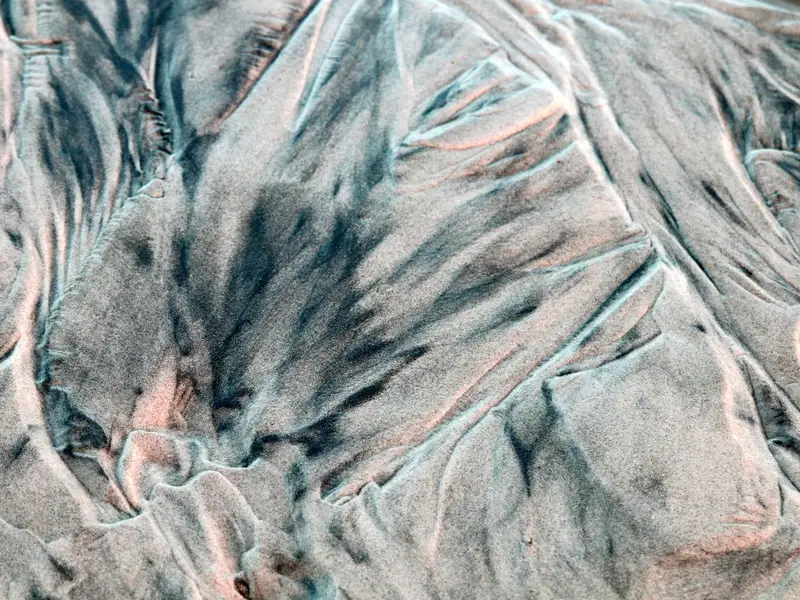
Sediment on the floor
Mineral deposits from fresh supply settle in the tank base because flow is slow in deep zones.
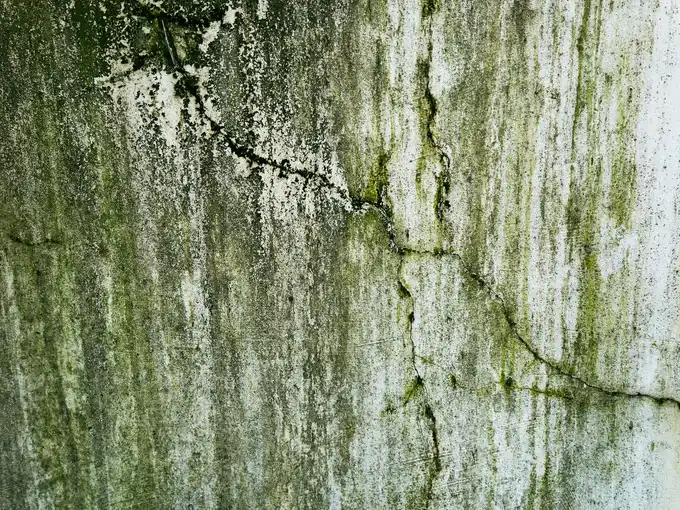
The slime film on the wall
Biofilm grows on tank walls, especially around water entry and outlet zones.
Light and heat
Old underground pipelines leak soil and bacteria into the water supply from surrounding earth.
The lining and any cracking
High consumption means rapid water turnover in the tank body but deposits stay in the base where flow is slowest.
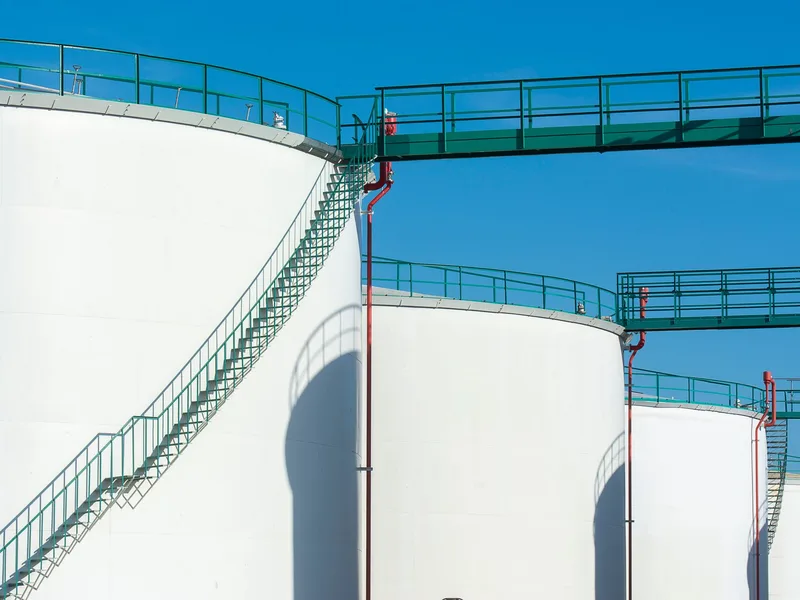
The lid and the openings
Large tank depth creates zones where sediment settles and accumulates, especially far from exit pipes.

What shows up at the tap
Hotels and serviced flats show varied nightly consumption and water may stagnate in certain hours when biofilm grows.
How we work
-
1
Inspect and record the condition
We open the hatch and work through what the tank is made of and how big it is, how deep the sediment lies, the state of the lining, whether the lid and the overflow seal, and whether there is a crack that has to be repaired before any sterilizing.
-
2
Drain and lift the sediment out
The water goes out, then the silt and sand are lifted off the floor by suction rather than pushed toward the outlet, because pushing them sends them into the house pipework and the heater.
-
3
High pressure wash
Walls, floor, corners and the area around the outlet, until the slime film is completely gone. This is the step that makes the sterilizing after it mean anything.
-
4
Sterilize, rinse, then return to service
The sterilizing agent goes onto the walls, the floor and the underside of the lid and is left for its contact time, then we rinse, refill and run the furthest tap until the whole line is clear.
What water tank sterilization includes
-

A recorded inspection
Material, capacity, sediment depth, the state of the lining, the lid and the overflow, all before any work begins.
-

Draining and sediment removal
The water out, and the silt and sand lifted off the floor instead of being pushed into the outlet and the house pipework.
-

High pressure washing
Walls, corners and around the outlet, until the biofilm that no disinfectant penetrates has gone.
-
Sterilizing the internal surfaces
A sterilizing agent meant for drinking water tanks, applied to the walls, the floor and the underside of the lid, and left for its contact time.
-

Line flush and aftercare
Rinse, refill and a flush from the furthest tap, when the water is usable again, and what to change in the filter afterwards.
-

The next cycle
We agree the right interval for your tank from how it is filled, how much sun it takes and the condition of the lid.
What is different about Al Utaybiyah Sub-Municipality
Al Utaybiyah sub municipality covers the old districts north of the Grand Mosque: the hillside quarters of Al Hajun, Al Utaybiyah and Al Bayban, Al Zahir and Al Shuhada at the northern entrance, and the newer Al Zahra, Al Diyafah and An Nuzhah westward. Its building stock is among the oldest in Makkah, stone houses on the hills, packed apartment blocks and sewers decades old, threaded with crowded markets like the Utaybiyah souq and furnished flats that fill in the pilgrim seasons. Wadi Al Zahir and Wadi Al Tanim carry storm water through it, and industrial workshops line Hajj Street.
Questions about this district
Do large tanks serving many buildings foul less than single-building tanks?
They may foul less because water circulates constantly. But sediment forms in dead zones and the tank base due to slow settling.
Does high consumption affect the sterilization result?
Yes. Tanks that cycle fast need more frequent sterilization because new water may introduce fresh contamination.
Do hotels need special tank treatment?
Yes. Hotels consume far more water and show different night-time patterns. Sterilization must be more frequent.
Do underground pipes affect tank fouling?
Very much. Old pipes leak soil contamination into the supply and the tank fills with already-fouled water.
Does sediment in the tank base pose health risk?
Yes. Deposits harbour bacteria and fungi that cause illness. Deep cleaning from the base is essential.
Is tank sterilization alone enough or must we flush pipes too?
Tank sterilization alone may not suffice. Old pipes carry settled deposits and contamination; flushing from the furthest tap is necessary.
How much does water tank sterilization in Al Diyafah cost?
It is set after the inspection, because the price follows the type of infestation, the size of the space, how far it has spread and the number of visits it needs. Send a photo and a description on WhatsApp and we will give you an estimate before we reach Al Diyafah.
Other services in Al Diyafah
Other services we provide to residents of Al Diyafah.
-
 Water tanks
Water tank cleaning
-
 Water tanks
Water tank sealing
-
 Water tanks
Tank leak repair
-
 Residential
Cockroach control
Need water tank sterilization in Al Diyafah? Tell us what you saw and we will tell you what it needs
We reach Al Diyafah at a time we agree, and you get the full cost before we start.