
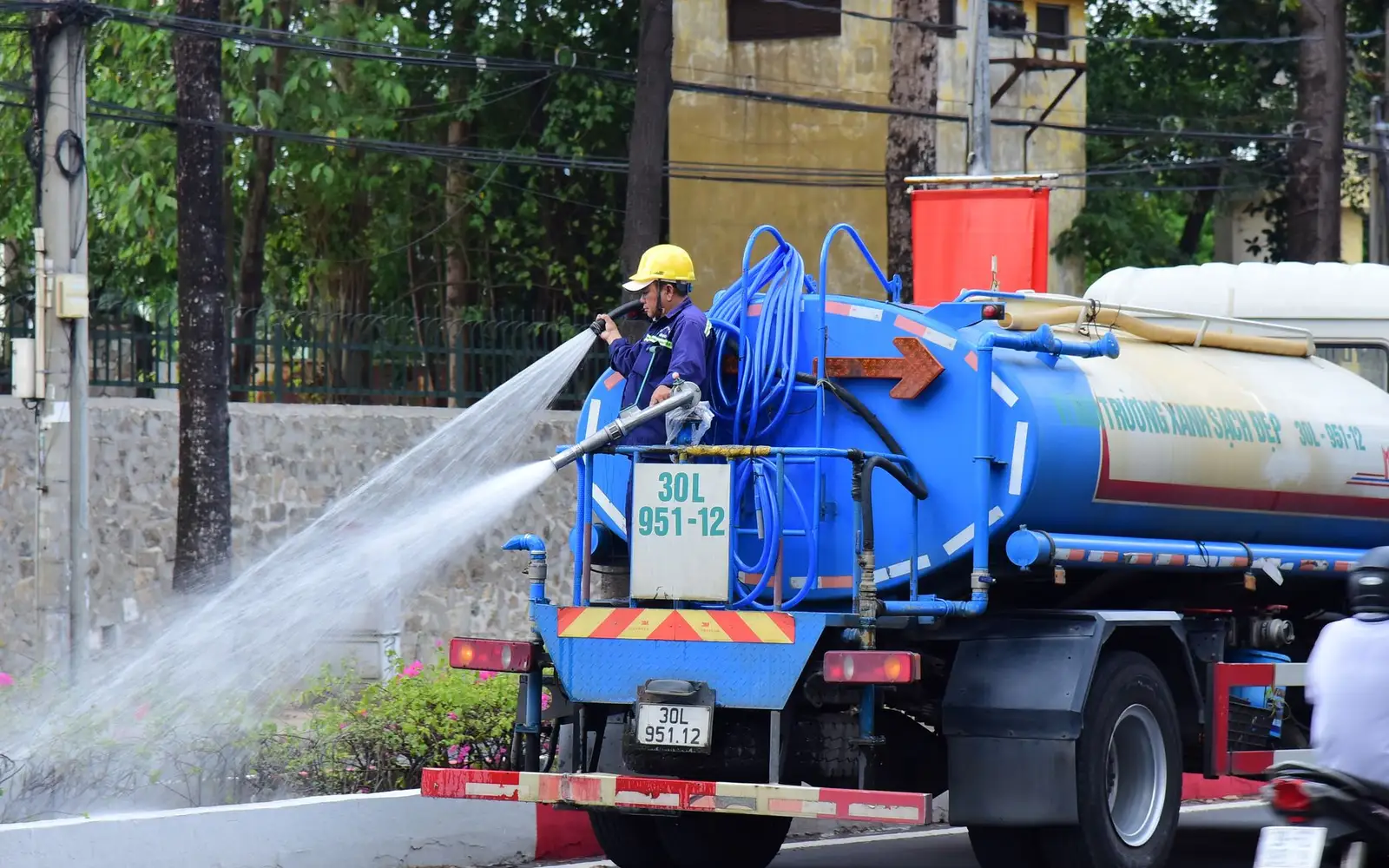
Water tank cleaning in Al Sarawat Jeddah
Al Sarawat is an industrial district in far south Jeddah near the corniche, with workshops and warehouses spread across wide plots. Your tanks serve both workshops and homes together, carrying traces of machinery oils and the salt moisture of the nearby sea air.
-
Potable-rated materials
Linings and disinfectants cleared for drinking water tanks, not general-purpose products.
-
You get the downtime first
How many hours the tank is out of service, told before we start rather than after we finish.
-
A first-draw flush
We run the first draw off after refilling, and the tank is not handed back until the water runs clear.
-
Ground and roof tanks
Villas, apartment blocks and premises that need a written record of each visit.
Why the job is different in Al Sarawat
Water in Al Sarawat carries faint traces of machinery oils from workshops and warehouses, a metallic taste from nearby sea salt, a pattern unseen in purely residential neighbourhoods. The method is set out in full on the full Water tank cleaning page.
Light oils from machinery and servicing
Workshops and warehouses around your tanks use machinery and industrial oils. Water may carry a faint oil smell and hydrocarbon traces. Stronger disinfection and repeated rinsing become necessary.
Sea salt and high humidity stress
Al Sarawat sits near the Southern Corniche and the sea, where air carries high humidity and salt spray. Your tanks corrode faster than in districts far inland, and cleaning requires extra care.
Wide spacing and isolation from the main network
Al Sarawat is scattered with large gaps between buildings, wide empty land and loading yards. Your tanks may sit isolated from the main supply line, and water may stagnate in long distribution pipes.
Al Sarawat on the map
Al Sarawat sits about 4.5 km from Al Saruriyah and about 6 km from Al Taawun.
Open in Google MapsThe condition of the tank decides the method
An industrial district between the Jeddah Industrial City to the north and the Southern Corniche to the west, dominated by warehouses and workshops on wide plots with large gaps between buildings.
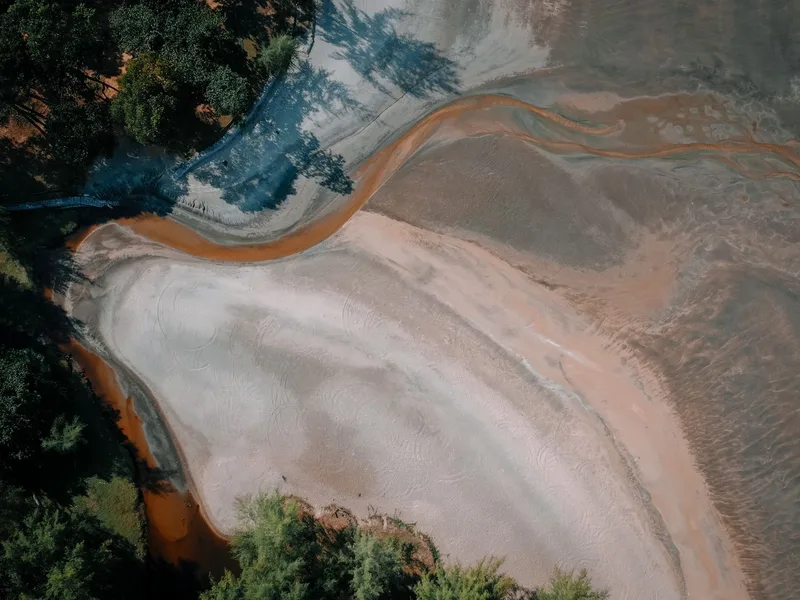
The layer on the floor
A layer of light oils and warehouse debris accumulates on the floor, requiring full drainage and deep cleaning, and sometimes special solvents for heavy oil deposits.
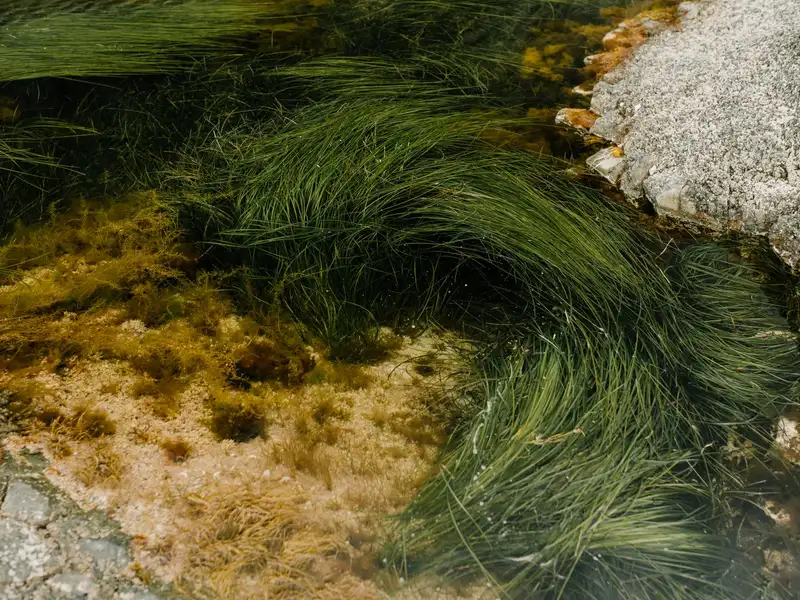
Light and algae
Algae is rare in Al Sarawat because salt and oils discourage growth, but mould may appear from the high humidity and damp surroundings.
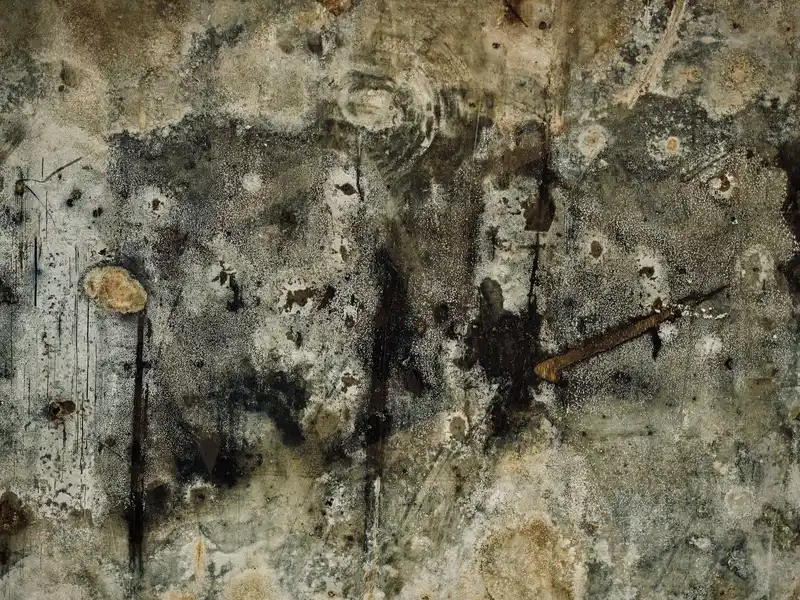
The deposit on the wall
The wall layer is oil and salt combined, and pressure washing works well but heavy oils may need special degreasers to lift completely.
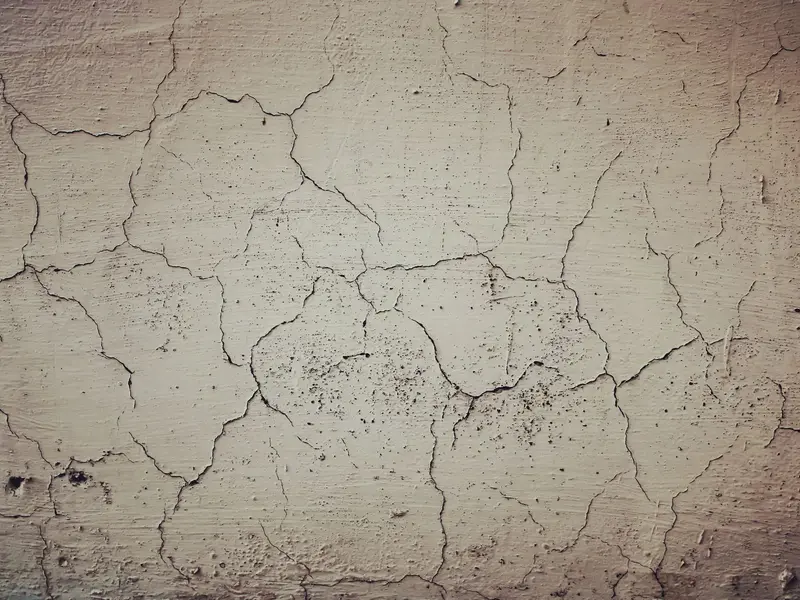
The lining and hairline cracks
Hairline cracks may appear from salt corrosion of the metal structure. Regular inspection for rust and cracks is more necessary than in inland districts.
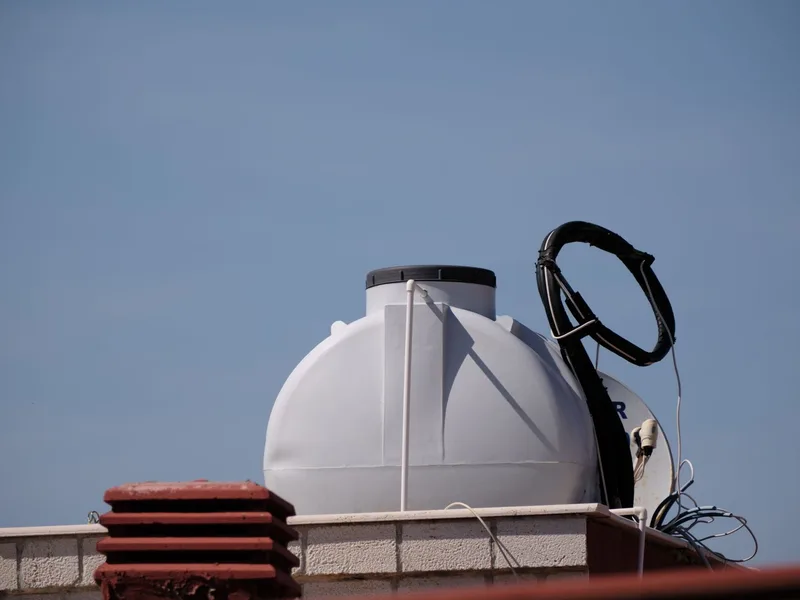
The lid and the access hatch
Covers and hatches need protection from salt and oils. Seals need frequent replacement because salt speeds their decay much faster than in sheltered areas.
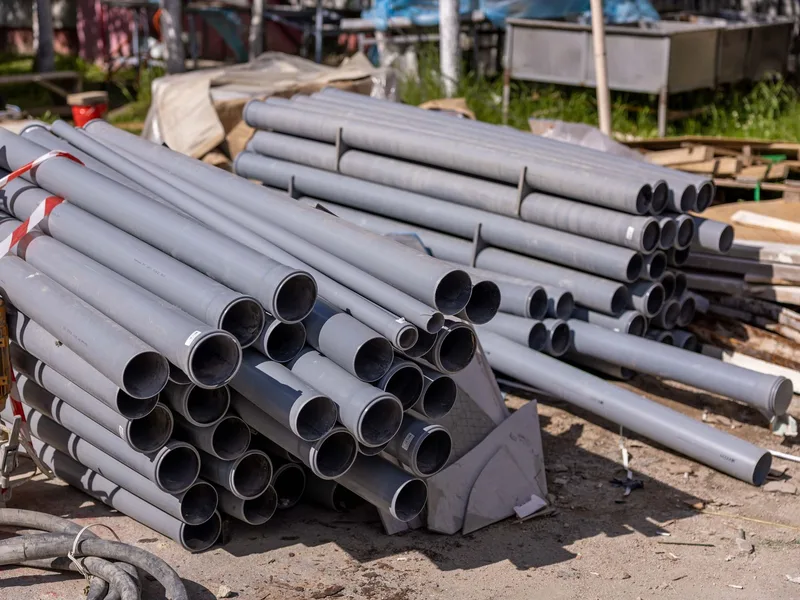
The vent and the overflow pipe
Ventilation and overflow openings may carry salt and oils. A strong filter on the vent is essential, and the overflow may need separate cleaning because oils accumulate there.
How we work
-
1
Inspect before the drain
Tank type and material, the condition of the lining, the depth of the sediment, the lid and the vent, and where the drained water will go. We agree the window without supply before anything is opened.
-
2
Drain, then lift the sludge
The water leaves through the outlet, then the layer beneath it is taken out by hand and by suction. That layer is the reason for the visit, not the water that ran out ahead of it.
-
3
High pressure wash
Walls, floor and the joint where they meet, with a brush wherever the film resists, then the wash water is taken out completely so nothing we lifted settles again.
-
4
Disinfect and put back in service
Disinfectant over every internal surface, left for its contact time and then rinsed out, followed by the refill, a first draw off at the taps, and a report on what was inside the tank.
What water tank cleaning includes
-

An inspection before the valve
Tank type, lining condition, depth of sediment, lid and vent, recorded before any water leaves.
-

Full drain and sediment removal
The water through the outlet, and the layer below it by hand and by suction until the floor itself is showing.
-

Pressure washing walls and floor
High pressure across the surfaces and corners, and a brush on anything water alone will not lift.
-

Disinfection after the wash
A disinfectant intended for drinking water tanks, named to you before it is used, left for its contact time and then rinsed out.
-

Refill and the first draw off
We refill, run the taps so the new water moves through the pipework, and tell you when it is ready to use.
-

A report and the next date
What was inside the tank, anything on the lid or the lining that needs repair, and a sensible date for the next clean.
The character of Al Sarawat
Industrial area: workshops, warehouses and loading yards
Al Sarawat tanks serve both workshops and homes, meaning heavy mixed use and diverse contaminants. Cleaning must focus on removing oils and salt together, not just fine sediment alone.
Questions about this district
Faint oil smell comes from workshop and residential water alike, is it safe to use?
Light oil traces from nearby machinery are normal in Al Sarawat. The water is safe but deep disinfection and repeated rinsing reduce the smell. Activated charcoal filters help considerably.
Water has a strong metallic taste from sea salt and the nearby corniche?
Al Sarawat is close to the corniche and open sea, where salt air enters the tank through ventilation openings. Disinfection reduces the effect but may not remove it completely.
Do high humidity and salt in the air damage the internal metal of an old tank?
Salt air and high moisture speed internal corrosion. Regular inspection for rust inside and outside is necessary more than in districts far inland.
Workshop water and residential water look different in colour sometimes, is it one tank?
If one tank serves both, workshop pipes may have lower pressure and release older water first. Checking consumption points and water pressure is essential to understand distribution.
First water from the tap after days without use is cloudy and smells strange?
Al Sarawat is scattered and pipes are long. Water may stagnate in the distribution lines, and running off the oldest water before use is wiser than using stagnant supply.
Should warehouses and workshops have a separate tank from the residential part?
Separation is preferable but rarely built in existing schemes for cost. Frequent cleaning and stronger disinfection is the working answer for a shared tank.
How much does water tank cleaning in Al Sarawat cost?
It is set after the inspection, because the price follows the type of infestation, the size of the space, how far it has spread and the number of visits it needs. Send a photo and a description on WhatsApp and we will give you an estimate before we reach Al Sarawat.
Nearby districts we cover
Other services in Al Sarawat
Other services we provide to residents of Al Sarawat.
-
 Residential
Cockroach control
Residential
Cockroach control
-
 Residential
Bed bug control
Residential
Bed bug control
-
 Residential
Termite control
Residential
Termite control
-
 Residential
Rodents and mice
Residential
Rodents and mice
-
 Residential
Mosquito control
Residential
Mosquito control
-
 Residential
Fly control
Residential
Fly control
-
 Residential
Ant control
Residential
Ant control
-
 Residential
Gecko control
Residential
Gecko control
-
 Residential
Scorpion control
Residential
Scorpion control
-
 Residential
Snake control
Residential
Snake control
-
 Residential
Flea control
Residential
Flea control
-
 Residential
Bird and pigeon control
Residential
Bird and pigeon control
-
 Residential
Preventive treatment
Residential
Preventive treatment
-
 Residential
Disinfection
Residential
Disinfection
-
 Commercial
Annual contracts
Commercial
Annual contracts
-
 Commercial
Restaurants and cafes
Commercial
Restaurants and cafes
-
 Commercial
Hotels and apartments
Commercial
Hotels and apartments
-
 Commercial
Warehouses and factories
Commercial
Warehouses and factories
-
 Commercial
Schools and nurseries
Commercial
Schools and nurseries
-
 Commercial
Retail and malls
Commercial
Retail and malls
-
 Commercial
Rest houses and farms
Commercial
Rest houses and farms
-
 Commercial
Fumigation
Commercial
Fumigation
-
 Water tanks
Water tank sterilization
Water tanks
Water tank sterilization
-
 Water tanks
Water tank sealing
Water tanks
Water tank sealing
-
 Water tanks
Tank leak repair
Water tanks
Tank leak repair
Need water tank cleaning in Al Sarawat? Tell us what you saw and we will tell you what it needs
We reach Al Sarawat at a time we agree, and you get the full cost before we start.