
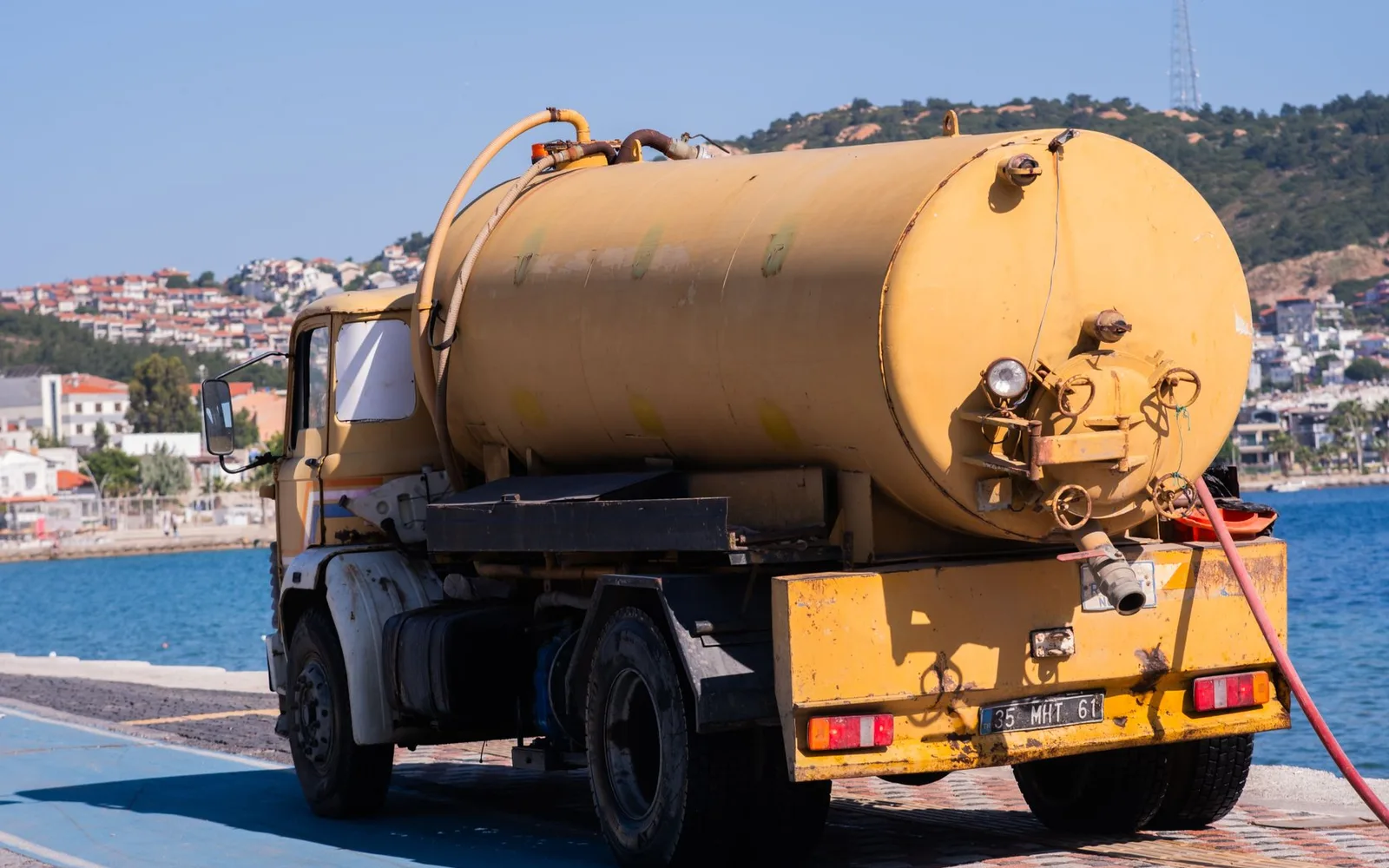
Water tank sealing in Al Sarawat Jeddah
Al Sarawat is an industrial quarter in the far south of Jeddah where large warehouses and workshops need massive tanks to run operations. Tanks here lie far from central services and face severe weather, salty winds from the Gulf, intense heat and rapid climate swings cause early cracking and fast decay.
-
Potable-rated materials
Linings and disinfectants cleared for drinking water tanks, not general-purpose products.
-
You get the downtime first
How many hours the tank is out of service, told before we start rather than after we finish.
-
A first-draw flush
We run the first draw off after refilling, and the tank is not handed back until the water runs clear.
-
Ground and roof tanks
Villas, apartment blocks and premises that need a written record of each visit.
Why the job is different in Al Sarawat
Buildings here are widely spaced and tanks serve heavy distribution and industrial operations. Direct exposure to salty winds and sun speeds deterioration. The method is set out in full on what Water tank sealing involves.
Massive tanks for industry and distribution
Tanks in Al Sarawat may reach 20 tonnes or more to serve large warehouses and workshops. Large size means very high water pressure on foundations and walls; cracks may appear within months of use.
Salty winds and direct weather exposure
Al Sarawat lies near the corniche and Gulf. Salty winds carry salts onto tanks and buildings. Salts and moisture penetrate concrete quickly due to wide pores created by heat.
Remoteness and distance from services delay repair
Tanks lie far from the city centre and services. Owners may not spot leaks quickly. By the time repair is called, damage may be very deep.
Landmarks of Al Sarawat
Access to Al Sarawat runs via Al Laith Road from the east and the southern corniche from the west, with Abu Dawud Primary School as a landmark point in the district.
- Al Laith Road
- Southern Corniche
- Jeddah Industrial City
- Abu Dawud Primary School
What we read before any material is opened
An industrial district in the far south of Jeddah on the western side of Al Khumrah, stretching between the Industrial City to the north and the southern corniche to the west. Warehouses and workshops dominate; homes scatter across wide plots. Al Laith Road lies close by.
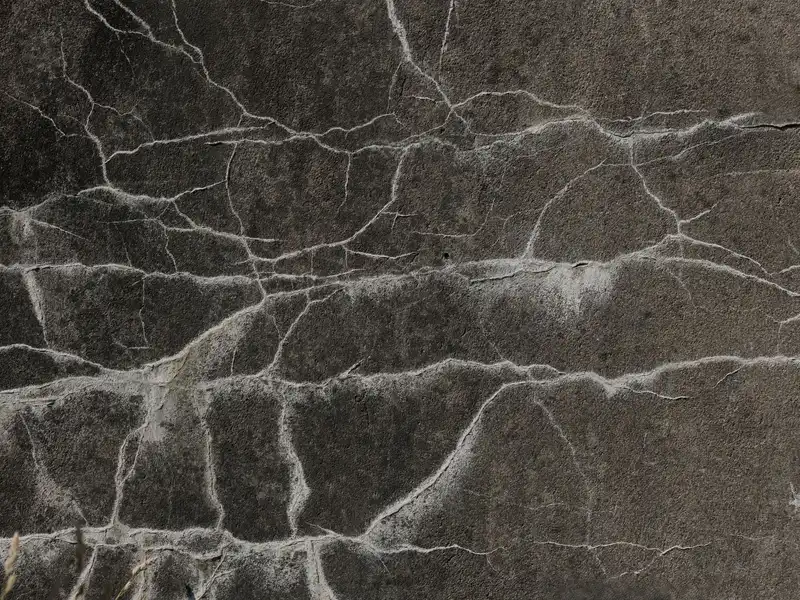
Cracking in the wall
Cracks from rapid thermal expansion appear as fine networks on outer surfaces and leak water across large areas.
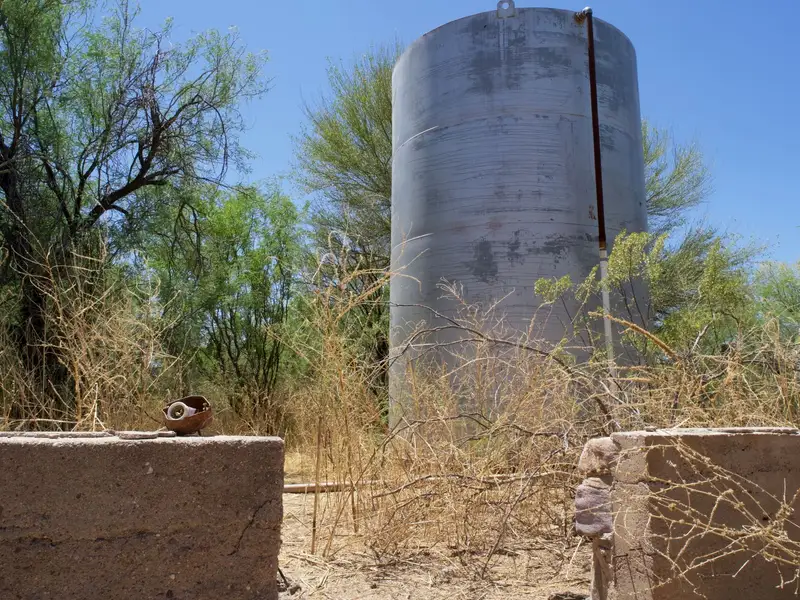
The floor to wall joint
Pipe connections in massive tanks carry very high pressure; old welds may fail under repeated stress.
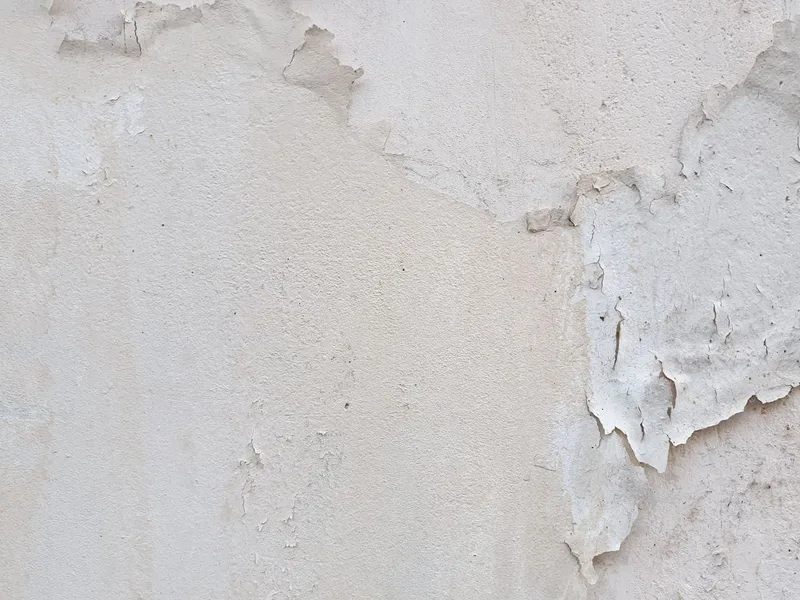
The condition of the old lining
Horizontal wall cracks may signal foundation subsidence or soil instability under the heavy tank weight.
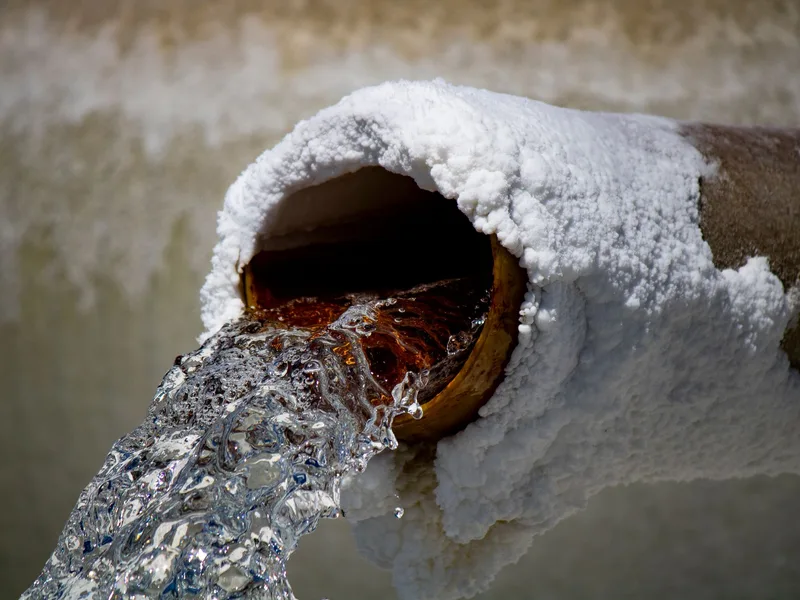
Sediment and scale
Deep humidity and salt in concrete cause surface spalling and white salt stain patches appear.
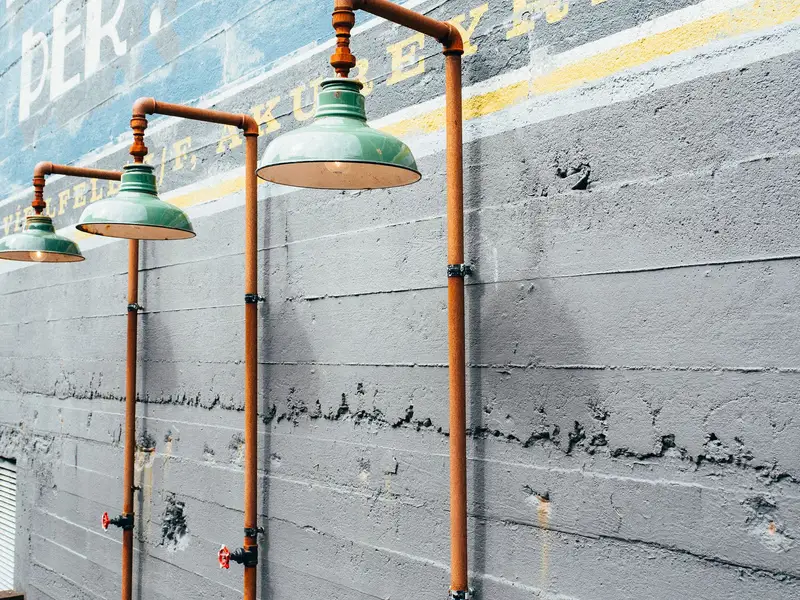
The pipe entries
Deep cracks may penetrate the full wall thickness and lead to structural failure in very large tanks.
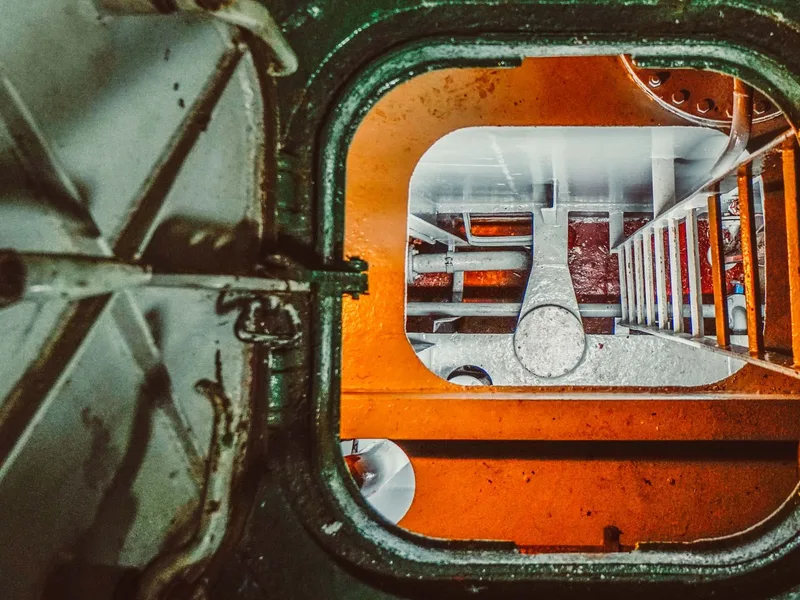
The hatch and the vent
Inner surface shows steady erosion from suspended salts in water and deposits accumulate on the floor.
How we work
-
1
Inspect with the tank empty
We drain it and read the surface dry: whether the water leaves through a crack, a joint or a pipe collar, and what the outer face of the wall and the ceiling below are telling us. A level test with the valves closed separates a leaking tank from leaking pipework.
-
2
Clean and prepare the substrate
Sediment out, a high pressure wash, the loose old lining and the weak surface layer of the concrete taken back, then dried. The material grips sound substrate and nothing else.
-
3
Make the cracks and joints good
Cracks are chased out and filled with a repair mortar, a cove is formed where the floor meets the wall, and every pipe collar is treated on its own.
-
4
Lining, fill test, sterilisation
Successive coats, each run across the one beneath it, on the face the water touches. Then a full cure, a fill with the level watched, and sterilisation with the first fill run to waste before the tank returns to use.
What water tank sealing includes
-

Finding where the water leaves
Carried out drained and dry: cracks, joints, pipe collars and the outer face of the wall.
-

Draining and sediment removal
The last of the water and the settled layer on the floor come out, because a lining does not stick over sediment.
-
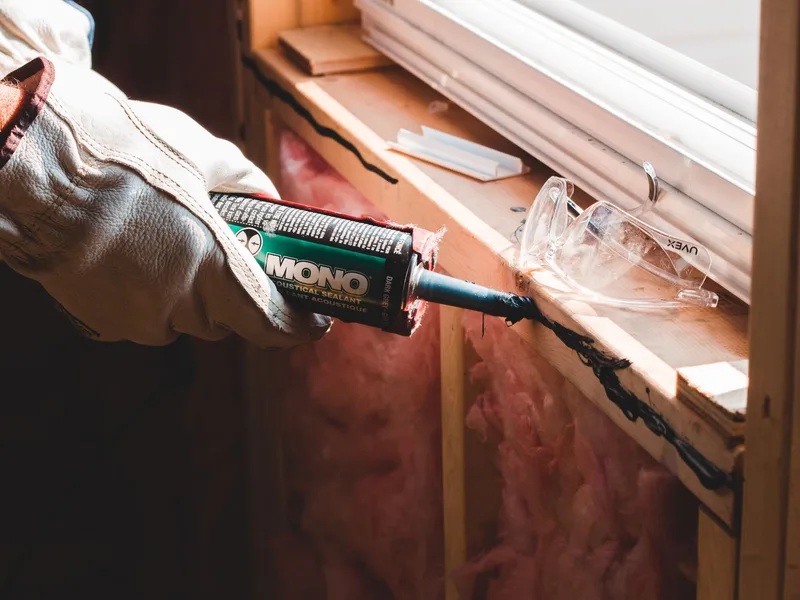
Cracks and joints made good
The crack opened and filled, a cove formed at the floor to wall junction, and each pipe entry worked separately.
-

Lining coats on the water face
More than one coat, each crossing the one below, in material made for drinking water tanks rather than roof waterproofing.
-

Curing, fill test and sterilisation
The material is left to cure, the tank is filled and the level watched, then sterilised and the first fill run to waste. How long the cure takes follows the material and the weather, and we tell you before the date so you can plan around the supply.
-

A follow-up level check
We come back once it is in service to read the level and check the outer face, because any remaining loss shows up then rather than on the day of the work.
What is different about South Sub-Municipality
The South sub municipality runs from the edge of Old Makkah Road down to Al Khumrah and the southern corniche. Dense residential districts sit beside new subdivisions such as Al Sanabil and Al Taawun, warehouse fringes such as Al Saruriyah and Al Sarawat, and an old seaside settlement at Al Quzayn. Open stormwater channels cross the housing, and the warehouses, the vegetable and livestock markets and the nearby Islamic Port and Industrial City give pests shelter, food and year round humidity. Pressure is greatest in the older quarters, where drainage networks are ageing.
Questions about this district
Do Gulf salts make tanks decay much faster?
Very much so. Salty winds deposit salts on outer surfaces and salts penetrate porous concrete, causing decay from inside.
Are massive Al Sarawat tanks much harder to repair?
Much harder. Large tanks take days longer to empty, clean and seal, and owners may not be able to do without water for that long.
Does intense heat cause extra cracking?
Yes, rapid expansion and contraction from morning to evening heat swings causes criss-cross cracks in concrete.
Does distance from the centre mean higher sealing costs?
It may be higher due to distance and time. Workshops and warehouses may also demand more detailed inspection reports.
Does sealing protect against future salt and wind damage?
Internal sealing stops current leaks, but salts may return if the tank stays exposed to salty winds. We may recommend external covers or protection.
How do we treat warehouse tanks that cannot shut down completely?
We may use phased sealing, treating part of the tank while full. It is slower but lets operations continue.
How much does water tank sealing in Al Sarawat cost?
It is set after the inspection, because the price follows the type of infestation, the size of the space, how far it has spread and the number of visits it needs. Send a photo and a description on WhatsApp and we will give you an estimate before we reach Al Sarawat.
Nearby districts we cover
Other services in Al Sarawat
Other services we provide to residents of Al Sarawat.
-
 Water tanks
Water tank cleaning
-
 Water tanks
Water tank sterilization
-
 Water tanks
Tank leak repair
-
 Residential
Cockroach control
Need water tank sealing in Al Sarawat? Tell us what you saw and we will tell you what it needs
We reach Al Sarawat at a time we agree, and you get the full cost before we start.