
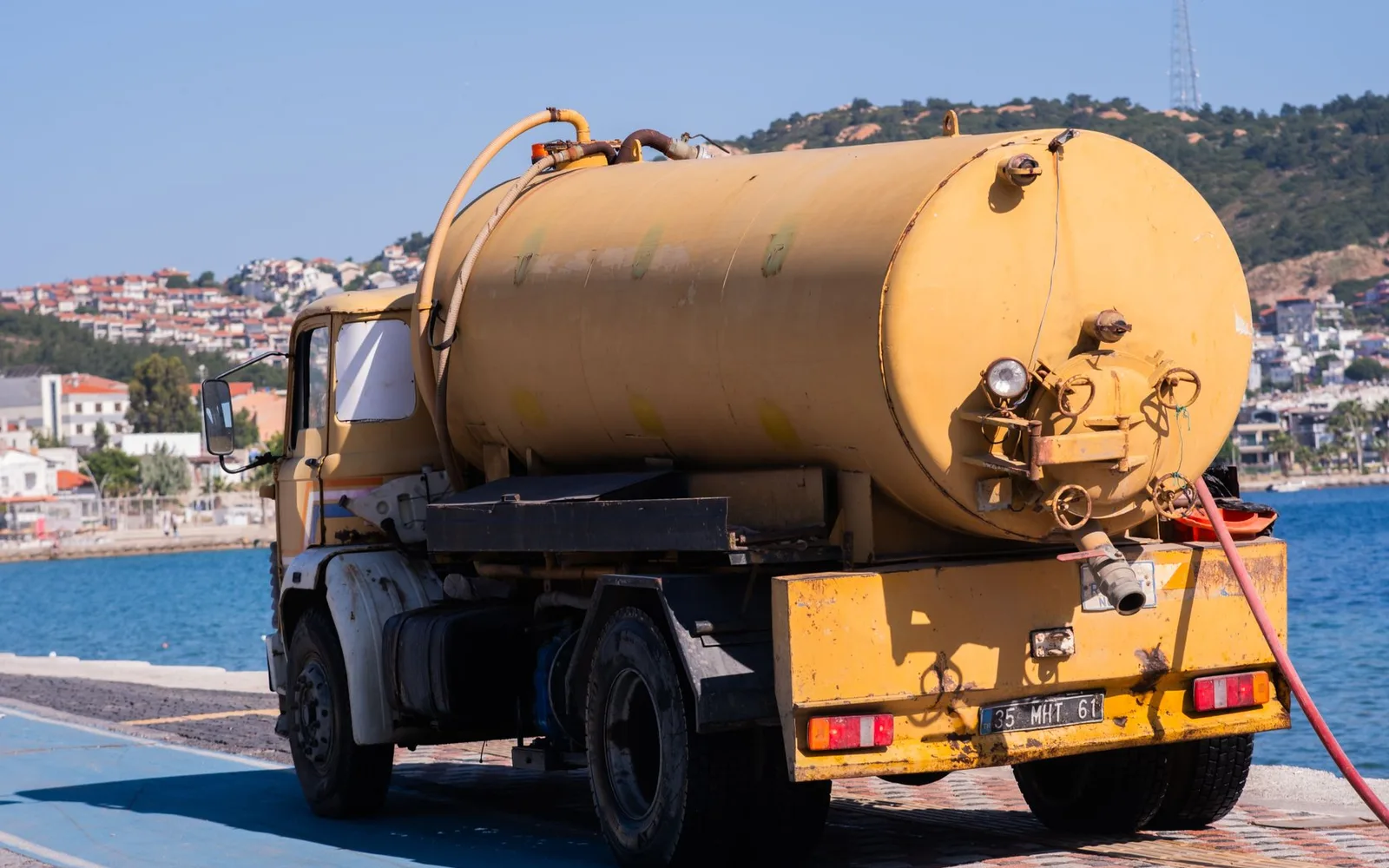
Water tank sealing in Al Nazlah Al Yamaniyah Jeddah
Al Nazlah Al Yamaniyah is an old popular quarter centred on Khuzam Palace, which houses the Jeddah Regional Museum. The quarter is densely populated and mixed between old stone houses and modern apartment buildings. Water tanks here are highly varied, from tanks built by traditional methods in old houses to tanks in modern buildings, and many suffer from moisture and leaks.
-
Potable-rated materials
Linings and disinfectants cleared for drinking water tanks, not general-purpose products.
-
You get the downtime first
How many hours the tank is out of service, told before we start rather than after we finish.
-
A first-draw flush
We run the first draw off after refilling, and the tank is not handed back until the water runs clear.
-
Ground and roof tanks
Villas, apartment blocks and premises that need a written record of each visit.
Why the job is different in Al Nazlah Al Yamaniyah
The quarter was built over a century ago. The old houses were built by traditional methods using stone and brick, and their old tanks retain high moisture. The method is set out in full on Water tank sealing in detail.
Traditional stone house tanks from the old quarter
The old Hijazi houses in Al Nazlah were built 100 years or more ago and their tanks were built by hand from stone, brick and very old cement. Moisture from the stones and surrounding soil causes continuous leaks and the old sealing has eroded completely.
Modern apartment blocks with rooftop tanks
The modern apartment buildings were built in the 1970s and 1980s and their tanks sit on roofs exposed to intense heat and direct sun all day. Cracks from heat-induced expansion and contraction are very common and joints leak.
High population density means very high water demand
The quarter contains very dense residential clusters and daily water consumption is very high. Continuous pressure on tanks from water flow and heavy use speeds tank deterioration.
The character of Al Nazlah Al Yamaniyah
Apartment district: residential blocks, repeated floors and shared entrances
Al Nazlah Al Yamaniyah is an old popular quarter with a mix of traditional stone houses and modern apartment buildings. Tanks in old houses require understanding of traditional building methods and foundations may be weak. Modern buildings need quick treatment because rooftop tanks serve dozens of apartments.
What we read before any material is opened
An old popular quarter in south-east Jeddah centred on Khuzam Palace. Traditional Hijazi stone houses survive beside modern apartment blocks, the population is very dense, and King Khalid Street runs through it lined with shops, restaurants and cafes.
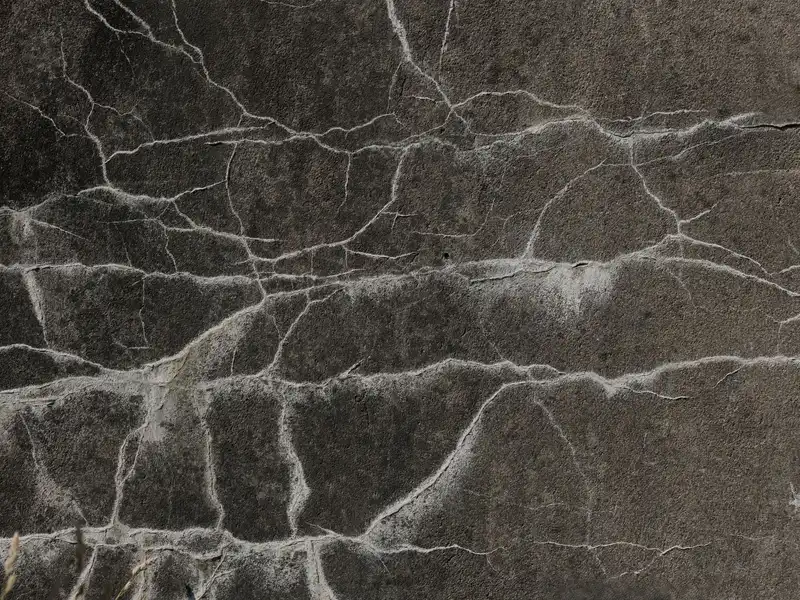
Cracking in the wall
Long cracks in walls of old tanks start from expansion and contraction of cement and stone as heat changes, especially on exposed rooftop tanks.
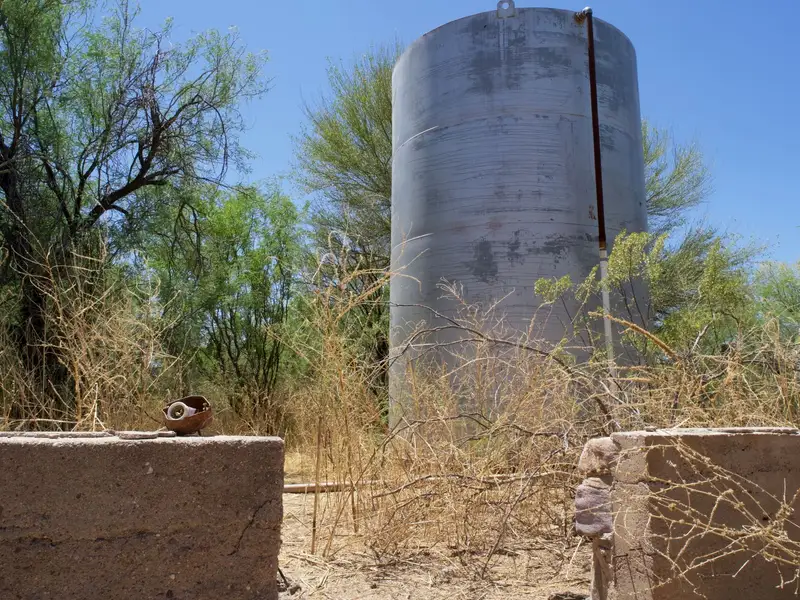
The floor to wall joint
Floor and corners show permanent dampness and old paint peeling. Cement beneath the surface loses hardness.
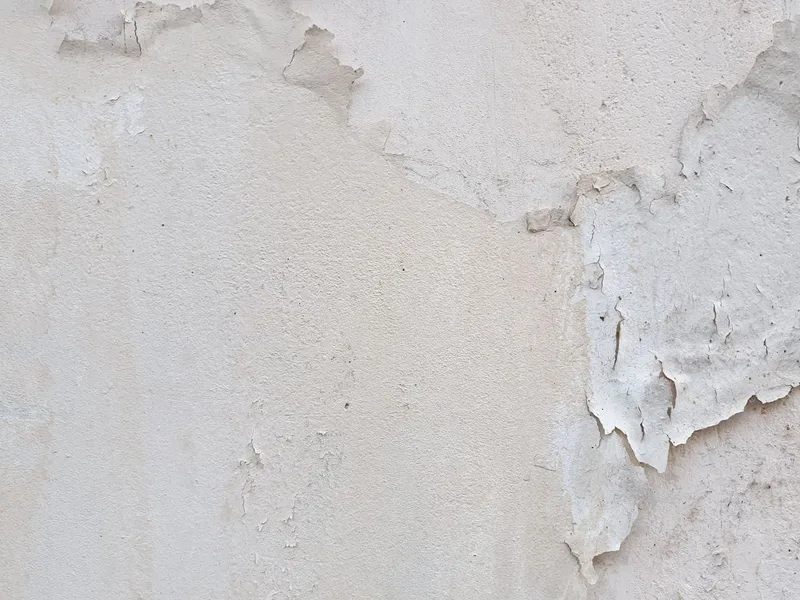
The condition of the old lining
Pipe joints in old tanks are loose and the sealing around them has eroded. Every connection point leaks.
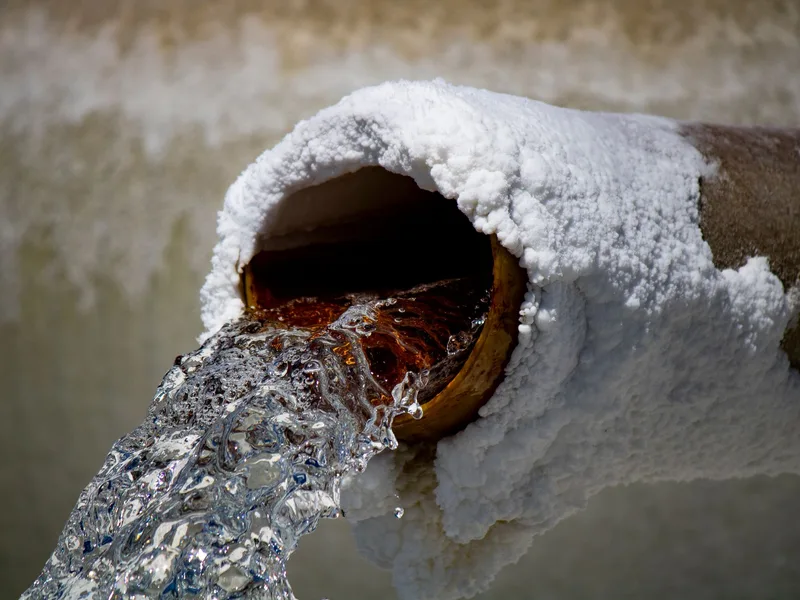
Sediment and scale
High moisture from the quarter's natural dampness and leaking water accumulates in old tanks. Walls are wet from inside.
The pipe entries
Old tanks may contain clay sealing or very old paint. Full cleaning removes this buildup.
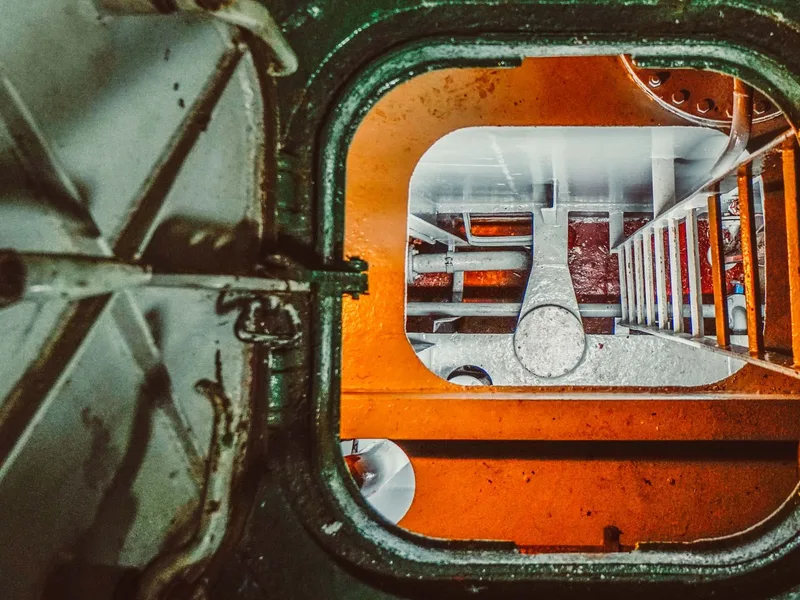
The hatch and the vent
Mineral deposits from hard water settle in the floor and corners. Cleaning reveals the true damage beneath.
How we work
-
1
Inspect with the tank empty
We drain it and read the surface dry: whether the water leaves through a crack, a joint or a pipe collar, and what the outer face of the wall and the ceiling below are telling us. A level test with the valves closed separates a leaking tank from leaking pipework.
-
2
Clean and prepare the substrate
Sediment out, a high pressure wash, the loose old lining and the weak surface layer of the concrete taken back, then dried. The material grips sound substrate and nothing else.
-
3
Make the cracks and joints good
Cracks are chased out and filled with a repair mortar, a cove is formed where the floor meets the wall, and every pipe collar is treated on its own.
-
4
Lining, fill test, sterilisation
Successive coats, each run across the one beneath it, on the face the water touches. Then a full cure, a fill with the level watched, and sterilisation with the first fill run to waste before the tank returns to use.
What water tank sealing includes
-

Finding where the water leaves
Carried out drained and dry: cracks, joints, pipe collars and the outer face of the wall.
-

Draining and sediment removal
The last of the water and the settled layer on the floor come out, because a lining does not stick over sediment.
-

Cracks and joints made good
The crack opened and filled, a cove formed at the floor to wall junction, and each pipe entry worked separately.
-

Lining coats on the water face
More than one coat, each crossing the one below, in material made for drinking water tanks rather than roof waterproofing.
-

Curing, fill test and sterilisation
The material is left to cure, the tank is filled and the level watched, then sterilised and the first fill run to waste. How long the cure takes follows the material and the weather, and we tell you before the date so you can plan around the supply.
-

A follow-up level check
We come back once it is in service to read the level and check the outer face, because any remaining loss shows up then rather than on the day of the work.
What is different about Al Jamiah Sub-Municipality
Al Jamiah sub municipality spans the older south of Jeddah. Planned districts such as Al Fayha, Al Thaghr and Madain Al Fahd sit beside crowded popular quarters like the Nazlahs and Al Quraiyat, and beside cleared or clearing land in Ghulail, Petromin and Al Thaalibah awaiting redevelopment. Apartment buildings stand close together above dense runs of shops and restaurants along Old Makkah Road and Prince Majid Road. Drainage in the popular quarters is ageing, humid air drifts in from the port and refinery side to the west, and the flat low lying ground holds rainwater in narrow streets.
Questions about this district
Why do old stone house tanks leak more than tanks in modern buildings?
The old houses used basic building methods and the stone naturally absorbs moisture from soil. The old sealing has eroded and the original cement is very weak.
Can an old tank be repaired or must it be replaced entirely?
If the basic structure is sound, it can be repaired by removing weak surface material and applying strong sealing. Replacement is necessary only if the tank is severely fractured.
Do rooftop tanks need stronger sealing than underground tanks?
Yes. Rooftop tanks face intense heat and direct sun, so they need sealing that protects against thermal stress and ultraviolet rays.
Is treating one tank enough if the building has multiple tanks?
Tanks in one building are independent of each other, so treating one does not affect others. But if there is one shared tank, treating it solves the problem for all residents.
What is the waiting period after sealing before the tank can be refilled?
Sealing needs 24 to 48 hours to dry completely before the tank is filled. The time depends on heat and humidity.
Does salty or hard water in the district affect how fast the tank deteriorates?
Yes. Salty and hard water speed cement and sealing decay. Salt in particular penetrates small cracks and causes further damage.
How much does water tank sealing in Al Nazlah Al Yamaniyah cost?
It is set after the inspection, because the price follows the type of infestation, the size of the space, how far it has spread and the number of visits it needs. Send a photo and a description on WhatsApp and we will give you an estimate before we reach Al Nazlah Al Yamaniyah.
Nearby districts we cover
Other services in Al Nazlah Al Yamaniyah
Other services we provide to residents of Al Nazlah Al Yamaniyah.
-
 Water tanks
Water tank cleaning
-
 Water tanks
Water tank sterilization
-
 Water tanks
Tank leak repair
-
 Residential
Cockroach control
Need water tank sealing in Al Nazlah Al Yamaniyah? Tell us what you saw and we will tell you what it needs
We reach Al Nazlah Al Yamaniyah at a time we agree, and you get the full cost before we start.