
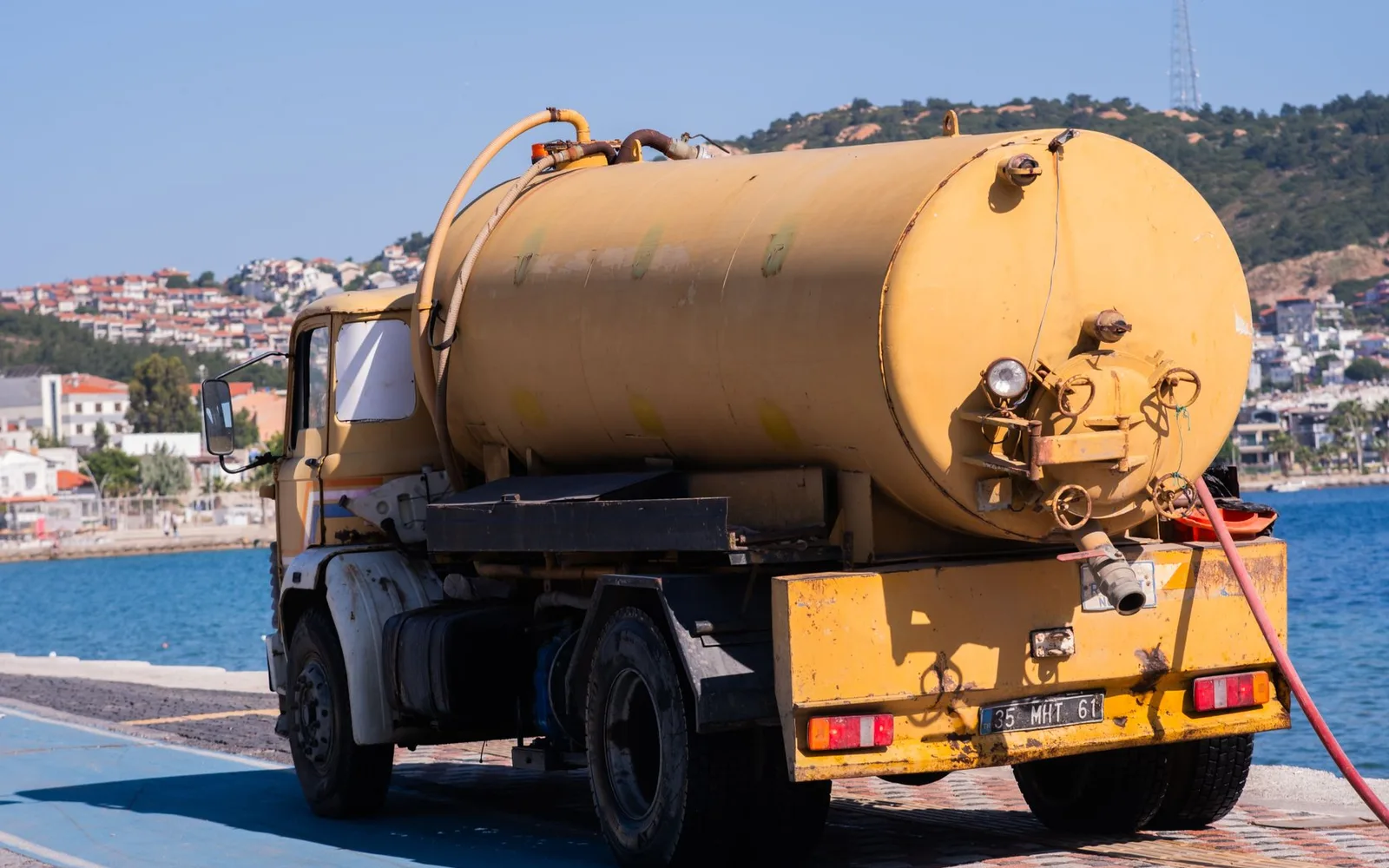
Water tank sealing in Ghulail Jeddah
Ghulail is an old quarter in south Jeddah undergoing comprehensive redevelopment, where old buildings have been cleared and the land is now in the rebuilding phase. New tanks in modern projects need sealing before first use, and water here requires protection from contaminants left by demolition and the dust generated during reconstruction.
-
Potable-rated materials
Linings and disinfectants cleared for drinking water tanks, not general-purpose products.
-
You get the downtime first
How many hours the tank is out of service, told before we start rather than after we finish.
-
A first-draw flush
We run the first draw off after refilling, and the tank is not handed back until the water runs clear.
-
Ground and roof tanks
Villas, apartment blocks and premises that need a written record of each visit.
Why the job is different in Ghulail
Old buildings and weak infrastructure left the quarter exposed to contamination and moisture; new tanks in emerging projects need full protection from the start. The method is set out in full on what Water tank sealing involves.
Tanks in new projects with no prior use history
New buildings come with modern water tanks that have never been used. These tanks need complete sealing from the start before actual water storage begins.
Dust and contaminants from demolition and development
Demolition and rebuilding generate heavy dust and airborne contaminants. New tanks are exposed to these suspended particles during the active construction phase.
New water and strict health standards
New projects require high hygiene standards. Sealing and sterilisation from the start ensures water reaches residents clean and safe.
The character of Ghulail
New development: ongoing construction and vacant plots between the homes
A new development project means buildings and infrastructure are brand new. Tanks are unused and need protection from day one, so sealing must prioritise shielding against construction contaminants and dust arising from ongoing redevelopment activity.
What we read before any material is opened
An old quarter in south Jeddah next to the former Al Mahjar quarantine district, characterised by narrow lanes and worn streets. It is now undergoing comprehensive redevelopment under the South Jeddah development programme.
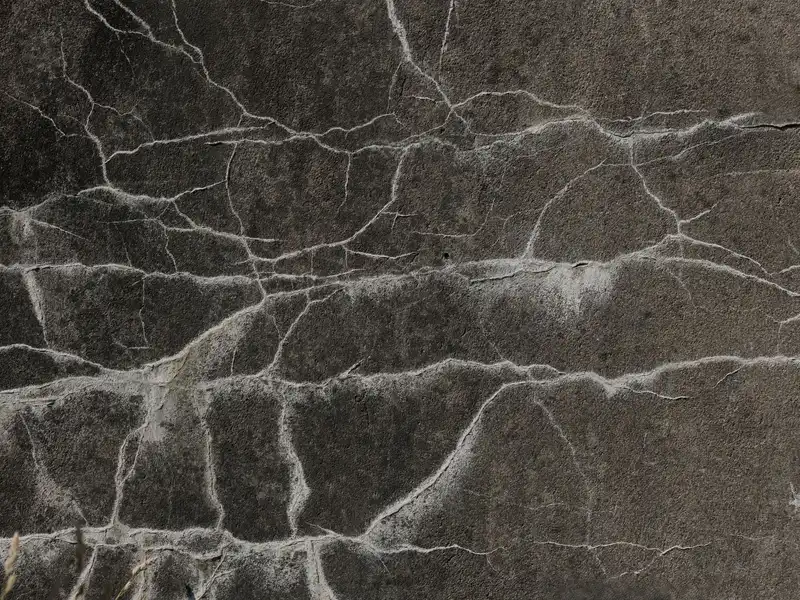
Cracking in the wall
Surface inspection of the new tank detects manufacturing traces, metal particles and any initial contaminants present.
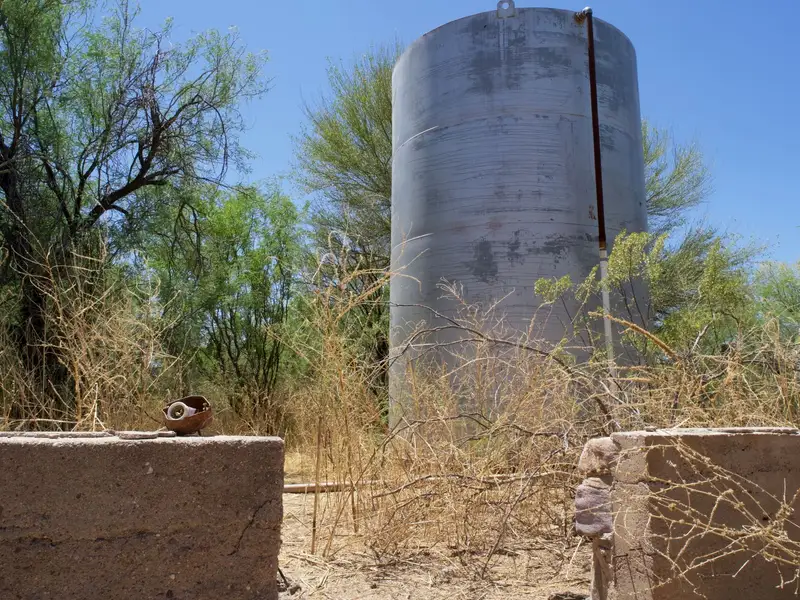
The floor to wall joint
Cracks and voids are rare in new tanks but small welding defects or joint weaknesses may exist.
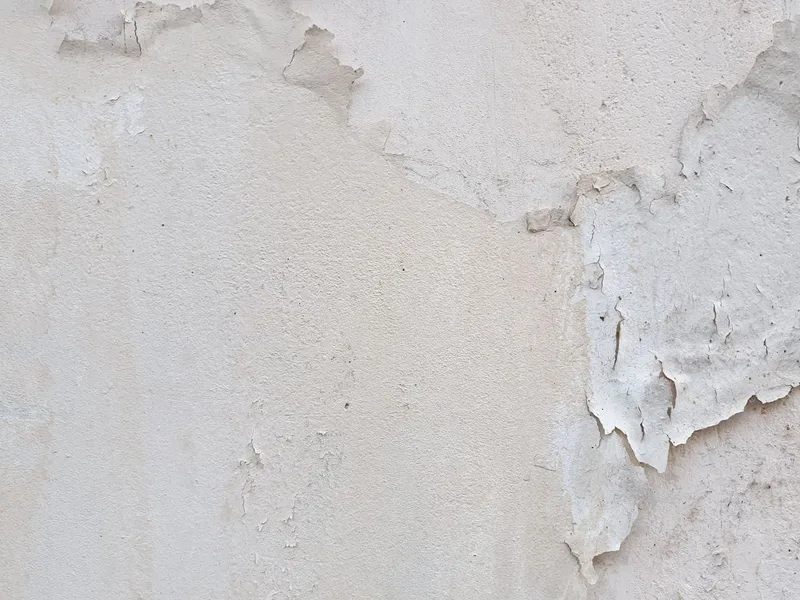
The condition of the old lining
Inspection of pipe connections and openings confirms no leaks or weak points in the fittings.
Sediment and scale
External moisture and dust from ongoing demolition affect the tank from outside during the building phase.
The pipe entries
No nest exists inside the new tank, but protection from living and chemical contaminants is critical from the start.
The hatch and the vent
Initial sterilisation after sealing ensures any remaining contaminants are eliminated before use begins.
How we work
-
1
Inspect with the tank empty
We drain it and read the surface dry: whether the water leaves through a crack, a joint or a pipe collar, and what the outer face of the wall and the ceiling below are telling us. A level test with the valves closed separates a leaking tank from leaking pipework.
-
2
Clean and prepare the substrate
Sediment out, a high pressure wash, the loose old lining and the weak surface layer of the concrete taken back, then dried. The material grips sound substrate and nothing else.
-
3
Make the cracks and joints good
Cracks are chased out and filled with a repair mortar, a cove is formed where the floor meets the wall, and every pipe collar is treated on its own.
-
4
Lining, fill test, sterilisation
Successive coats, each run across the one beneath it, on the face the water touches. Then a full cure, a fill with the level watched, and sterilisation with the first fill run to waste before the tank returns to use.
What water tank sealing includes
-

Finding where the water leaves
Carried out drained and dry: cracks, joints, pipe collars and the outer face of the wall.
-

Draining and sediment removal
The last of the water and the settled layer on the floor come out, because a lining does not stick over sediment.
-

Cracks and joints made good
The crack opened and filled, a cove formed at the floor to wall junction, and each pipe entry worked separately.
-

Lining coats on the water face
More than one coat, each crossing the one below, in material made for drinking water tanks rather than roof waterproofing.
-

Curing, fill test and sterilisation
The material is left to cure, the tank is filled and the level watched, then sterilised and the first fill run to waste. How long the cure takes follows the material and the weather, and we tell you before the date so you can plan around the supply.
-

A follow-up level check
We come back once it is in service to read the level and check the outer face, because any remaining loss shows up then rather than on the day of the work.
What is different about Al Jamiah Sub-Municipality
Al Jamiah sub municipality spans the older south of Jeddah. Planned districts such as Al Fayha, Al Thaghr and Madain Al Fahd sit beside crowded popular quarters like the Nazlahs and Al Quraiyat, and beside cleared or clearing land in Ghulail, Petromin and Al Thaalibah awaiting redevelopment. Apartment buildings stand close together above dense runs of shops and restaurants along Old Makkah Road and Prince Majid Road. Drainage in the popular quarters is ageing, humid air drifts in from the port and refinery side to the west, and the flat low lying ground holds rainwater in narrow streets.
Questions about this district
Does a brand-new tank need sealing before its first use?
Yes. New tanks may contain manufacturing residue and transport contamination. Early sealing and sterilisation ensure water purity from day one.
Why is contamination risk higher in Ghulail right now than elsewhere?
Because demolition and rebuilding are actively happening. Dust and construction contaminants affect water quality during this phase.
Does sealing protect against airborne dust and particulates?
Sealing protects the inner surface. Outer protection starts with correct cover and inlet design.
Is sterilisation enough or do we need additional sealing?
Both work together. Sealing blocks contaminant entry and moisture; sterilisation kills any remaining microbes.
How many times does a new tank need sealing?
Once before first use. After that, ongoing need depends on water quality and tank condition checked periodically.
Do new projects have special sealing standards?
New projects follow modern building codes. But professional sealing adds extra protection beyond standard specifications.
How much does water tank sealing in Ghulail cost?
It is set after the inspection, because the price follows the type of infestation, the size of the space, how far it has spread and the number of visits it needs. Send a photo and a description on WhatsApp and we will give you an estimate before we reach Ghulail.
Nearby districts we cover
Other services in Ghulail
Other services we provide to residents of Ghulail.
-
 Water tanks
Water tank cleaning
-
 Water tanks
Water tank sterilization
-
 Water tanks
Tank leak repair
-
 Residential
Cockroach control
Need water tank sealing in Ghulail? Tell us what you saw and we will tell you what it needs
We reach Ghulail at a time we agree, and you get the full cost before we start.