
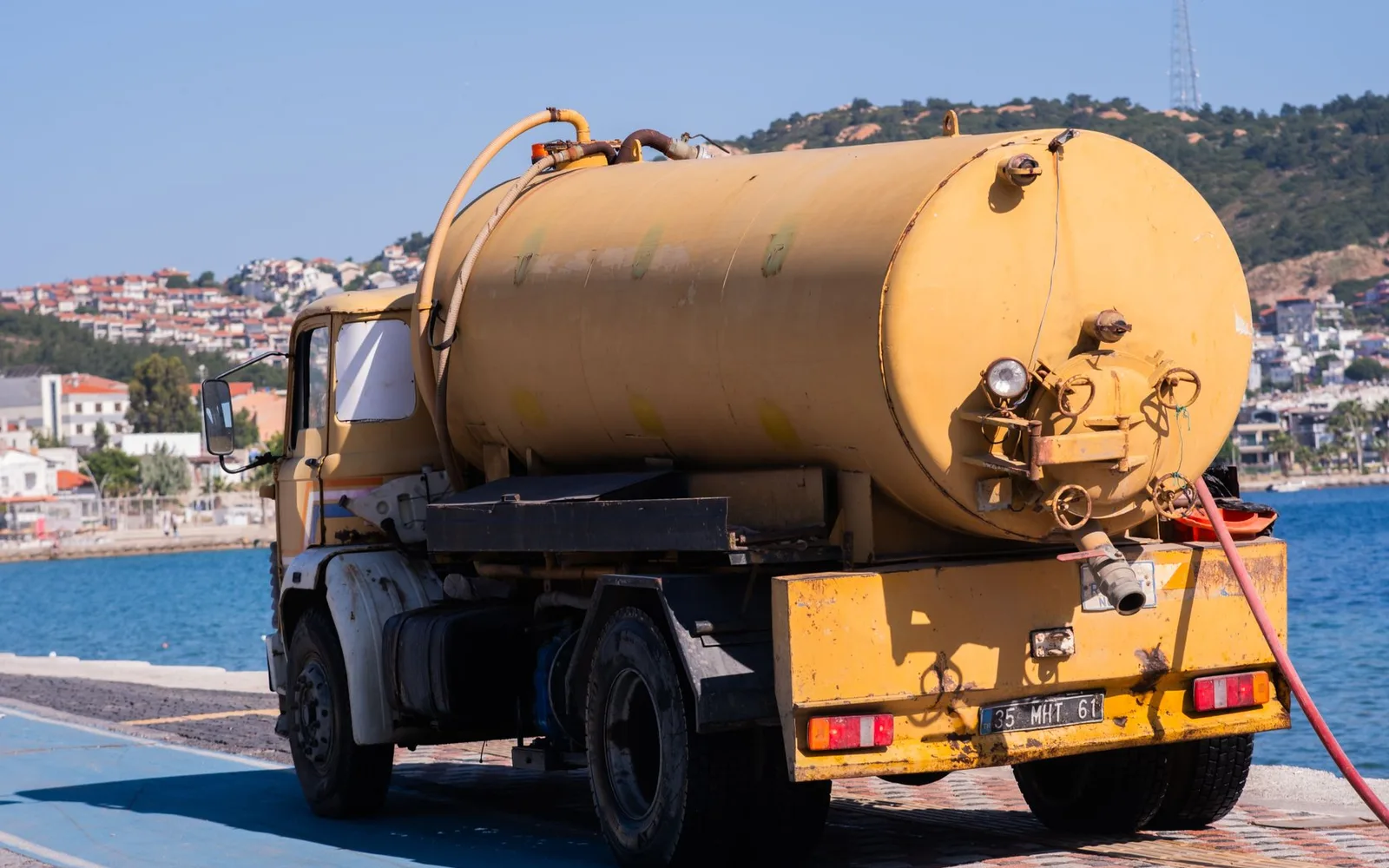
Water tank sealing in An Nawwariyah Makkah
An Nawwariyah is a mixed district with villas, apartment blocks and open spaces, close to the Fourth Ring and the Madinah Road. Tanks sit on tall building roofs and in low villa courtyards, exposed to seasonal moisture and continuous building activity. Slow leaks from tanks damage foundations and interior walls beneath.
-
Potable-rated materials
Linings and disinfectants cleared for drinking water tanks, not general-purpose products.
-
You get the downtime first
How many hours the tank is out of service, told before we start rather than after we finish.
-
A first-draw flush
We run the first draw off after refilling, and the tank is not handed back until the water runs clear.
-
Ground and roof tanks
Villas, apartment blocks and premises that need a written record of each visit.
Why the job is different in An Nawwariyah
The area sees continuous building and development with many tank types on apartment roofs, villa courts and hospital buildings, and seasonal moisture clearly affects tank leakage. The method is set out in full on Water tank sealing in detail.
Tanks on tall apartment roofs
Apartment blocks in An Nawwariyah place tanks on exposed roofs facing sun and wind. Concrete roofs crack under heat stress and the tank's water weight, and UV radiation weakens the lining.
Villas with underground and shallow tanks
Villas have tanks buried under courtyards or in lower floors. These sit in damp soil close to the house foundation, and leaks affect the villa's base and interior walls.
Hospital water systems under high demand
Mohammed Saleh Basharahil Hospital holds large tanks feeding sterile water systems and temperature-regulated supplies. These tanks run under constant high pressure and slow leaks go unnoticed for months.
Landmarks of An Nawwariyah
Access to An Nawwariyah runs via Madinah Road from the north and the Fourth Ring from the south and east. Mohammed Saleh Basharahil Hospital, the tomb of Maymunah bint Al Harith and An Nawwariyah Park mark the district boundaries and help locate tank sites.
- Madinah Road
- Fourth Ring Road
- Mohammed Saleh Basharahil Hospital
- Pilgrim Grouping Centre
- Tomb of Maymunah bint Al Harith
- An Nawwariyah Park
What we read before any material is opened
A north western district near the Fourth Ring, bounded northward by Madinah Road, mixed villas and apartment blocks with undeveloped spaces, holding Mohammed Saleh Basharahil Hospital, An Nawwariyah Park and the tomb of Maymunah bint Al Harith.
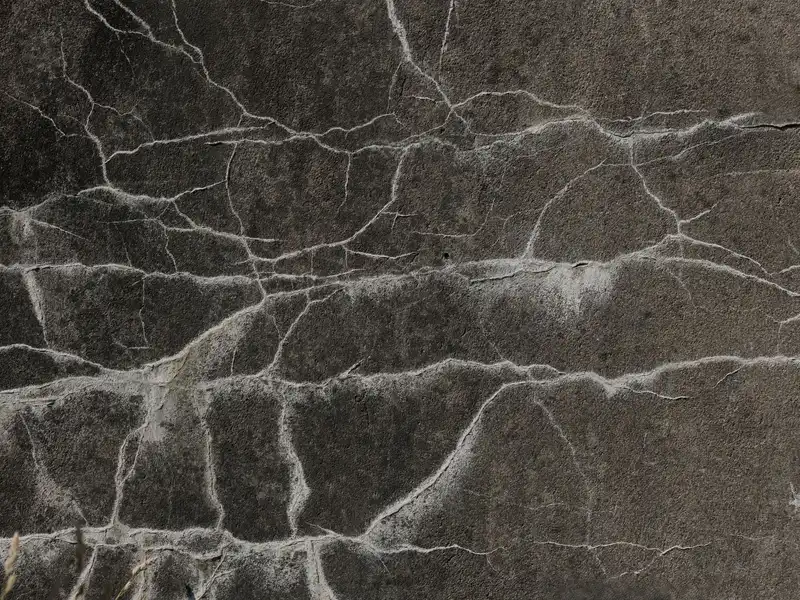
Cracking in the wall
Apartment roof concrete cracks under tank weight and heat, and inspection focuses on cracks around the tank base on the roof.
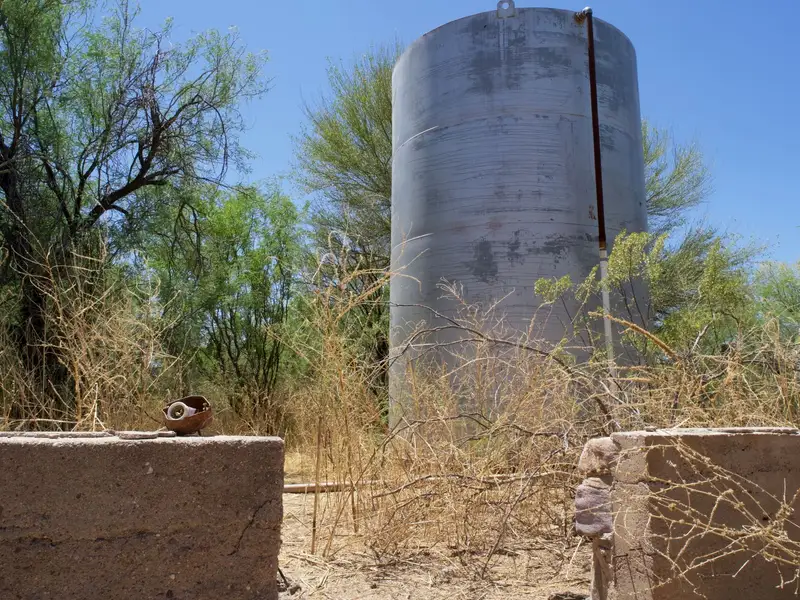
The floor to wall joint
The join between buried tank and house foundation is very weak and leaks start there, spreading through surrounding soil.
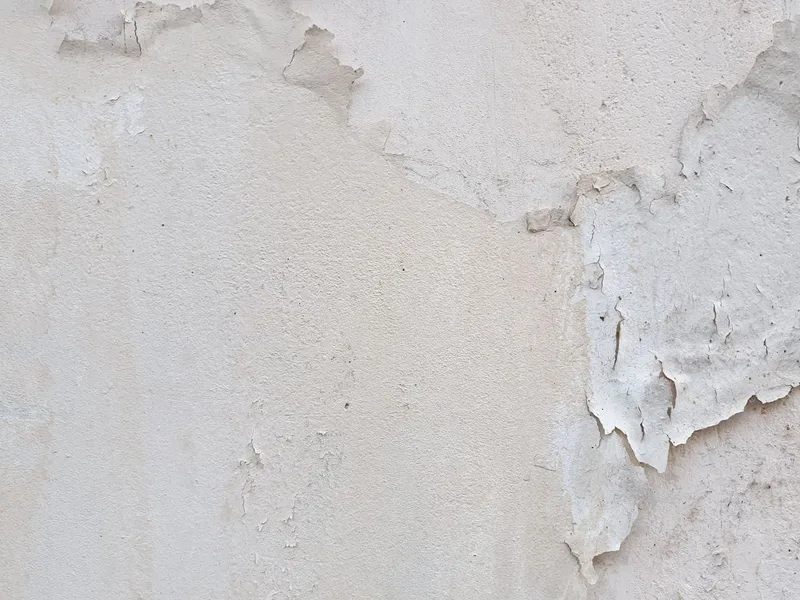
The condition of the old lining
Pipe entry from the buried tank to the house or hospital may leak from shifting and uneven pressure.
Sediment and scale
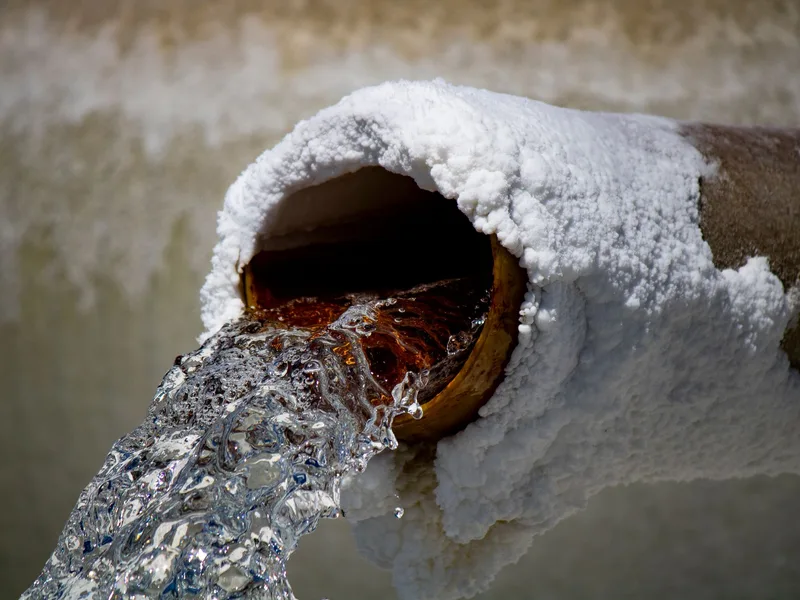
High moisture inside buried tanks prevents new lining from drying, and ventilation and curing may take very long.
The pipe entries
Sediment and deposits at tank bottoms hide small cracks and holes, and simple visual inspection may miss them.
The hatch and the vent
No clear leak signs show in buried tanks until interior walls of the house or hospital start to weep.
How we work
-
1
Inspect with the tank empty
We drain it and read the surface dry: whether the water leaves through a crack, a joint or a pipe collar, and what the outer face of the wall and the ceiling below are telling us. A level test with the valves closed separates a leaking tank from leaking pipework.
-
2
Clean and prepare the substrate
Sediment out, a high pressure wash, the loose old lining and the weak surface layer of the concrete taken back, then dried. The material grips sound substrate and nothing else.
-
3
Make the cracks and joints good
Cracks are chased out and filled with a repair mortar, a cove is formed where the floor meets the wall, and every pipe collar is treated on its own.
-
4
Lining, fill test, sterilisation
Successive coats, each run across the one beneath it, on the face the water touches. Then a full cure, a fill with the level watched, and sterilisation with the first fill run to waste before the tank returns to use.
What water tank sealing includes
-

Finding where the water leaves
Carried out drained and dry: cracks, joints, pipe collars and the outer face of the wall.
-

Draining and sediment removal
The last of the water and the settled layer on the floor come out, because a lining does not stick over sediment.
-

Cracks and joints made good
The crack opened and filled, a cove formed at the floor to wall junction, and each pipe entry worked separately.
-

Lining coats on the water face
More than one coat, each crossing the one below, in material made for drinking water tanks rather than roof waterproofing.
-

Curing, fill test and sterilisation
The material is left to cure, the tank is filled and the level watched, then sterilised and the first fill run to waste. How long the cure takes follows the material and the weather, and we tell you before the date so you can plan around the supply.
-

A follow-up level check
We come back once it is in service to read the level and check the outer face, because any remaining loss shows up then rather than on the day of the work.
What is different about Al Umrah Sub-Municipality
Al Umrah sub municipality covers the north west of Makkah along the Madinah road and the old Jeddah road, from At Tanim and Masjid Aisha to An Nawwariyah. Its districts are the city's newest, villas and apartment blocks raised on wide schemes where large tracts in Al Umrah Al Jadidah, Al Fayha and Al Buhayrat remain vacant or under construction. Wadi Saraf and Wadi At Tanim run through it and rainwater gathers on unfinished schemes, ihram shops, restaurants and coach stops along the Madinah road serve a constant flow of pilgrims, and villas fill Al Hamra and Umm Al Jud.
Questions about this district
Does a leaking roof tank damage the building more than a buried tank?
Yes. Roof tank leaks drip down stairwells and interior walls, causing constant dampness. A buried tank leak seals itself in soil.
Why do hospital tanks need more frequent checks than villa tanks?
The hospital uses water intensively and the tank runs under constant high pressure. Small leaks grow large quickly and contaminated water affects hygiene.
Is the sealing method different for buried tanks versus roof tanks?
Yes. A buried tank needs lining on the floor and sides to protect the foundation. A roof tank needs top and side protection against sun weight and water stress.
Does seasonal moisture in An Nawwariyah speed up leaking?
Yes. In rainy and humid seasons small cracks widen and leaks increase. In dry summer the leak may slow temporarily.
How much of the tank must we inspect in a mixed-use area?
Every part of the tank must be inspected because different tank types behave differently. Full 360-degree inspection is needed even in small tanks.
Does salty water in the leak mean the tank is near the sea?
Not necessarily. Leaks carry salts from the soil and concrete itself. In An Nawwariyah it may come from old foundations more than sea proximity.
How much does water tank sealing in An Nawwariyah cost?
It is set after the inspection, because the price follows the type of infestation, the size of the space, how far it has spread and the number of visits it needs. Send a photo and a description on WhatsApp and we will give you an estimate before we reach An Nawwariyah.
Nearby districts we cover
Other services in An Nawwariyah
Other services we provide to residents of An Nawwariyah.
-
 Water tanks
Water tank cleaning
-
 Water tanks
Water tank sterilization
-
 Water tanks
Tank leak repair
-
 Residential
Cockroach control
Need water tank sealing in An Nawwariyah? Tell us what you saw and we will tell you what it needs
We reach An Nawwariyah at a time we agree, and you get the full cost before we start.