
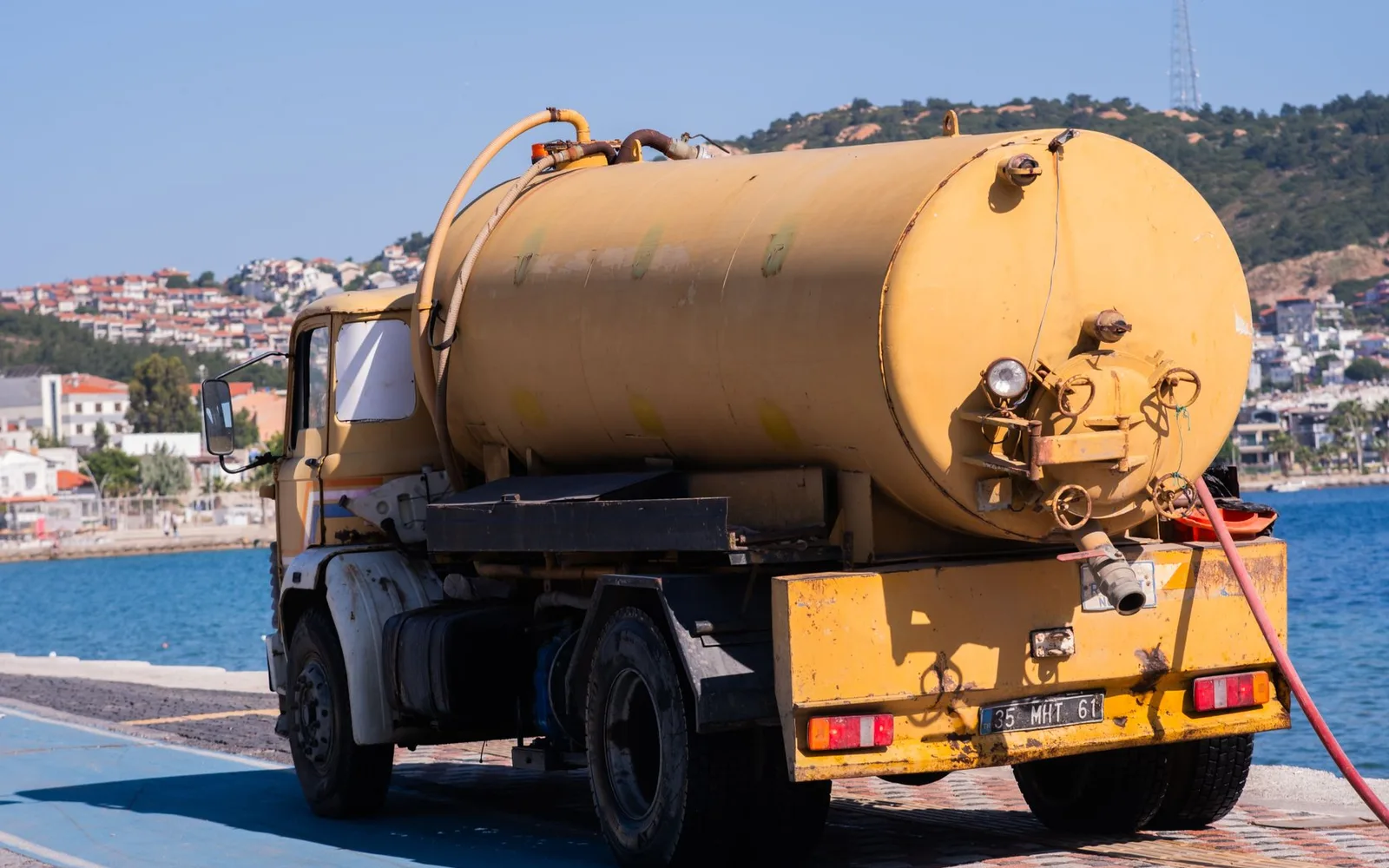
Water tank sealing in Barakah Makkah
Barakah is a new development scheme on the Makkah to Taif expressway between Al Thaniyah and Hunayn on Wadi Al Sharai land. Tanks here are newly installed but face early leaks due to concrete quality and minor ground movement. The water table is high and sandy soil wicks moisture rapidly from tank walls.
-
Potable-rated materials
Linings and disinfectants cleared for drinking water tanks, not general-purpose products.
-
You get the downtime first
How many hours the tank is out of service, told before we start rather than after we finish.
-
A first-draw flush
We run the first draw off after refilling, and the tank is not handed back until the water runs clear.
-
Ground and roof tanks
Villas, apartment blocks and premises that need a written record of each visit.
Why the job is different in Barakah
Buildings are new and tanks recently installed, but rapid construction processes sometimes leave casting defects and reinforcement faults that only show after one or two seasons. The method is set out in full on how we approach Water tank sealing.
New concrete and early defects
Tanks in Barakah are new but casting quality varies. Fine cracks emerge due to minor ground movement and extreme temperature swings between night and day in the desert.
Sandy soil and high water table
Wadi Al Sharai has a high groundwater layer and sandy soil wicks moisture continuously from the tank base. Hydrostatic pressure from below forces water through any fine crack in the floor.
Rapid expansion and weak oversight
Fast project development means tanks are filled before concrete is fully cured. Wet cement and early movement cause rapid leaks at the base and corners.
The character of Barakah
New development: ongoing construction and vacant plots between the homes
The scheme is new and tanks recently installed, but construction quality is uneven and speed outpaces oversight. Sealing must account for the fact that young concrete is more sensitive to external moisture and pressure.
What we read before any material is opened
A modern planning scheme in the north east of the sub municipality on Wadi Al Sharai, between Al Thaniyah and Hunayn, near the hamlets of Al Hamidah and Al Said with Jabal Laban to the south.
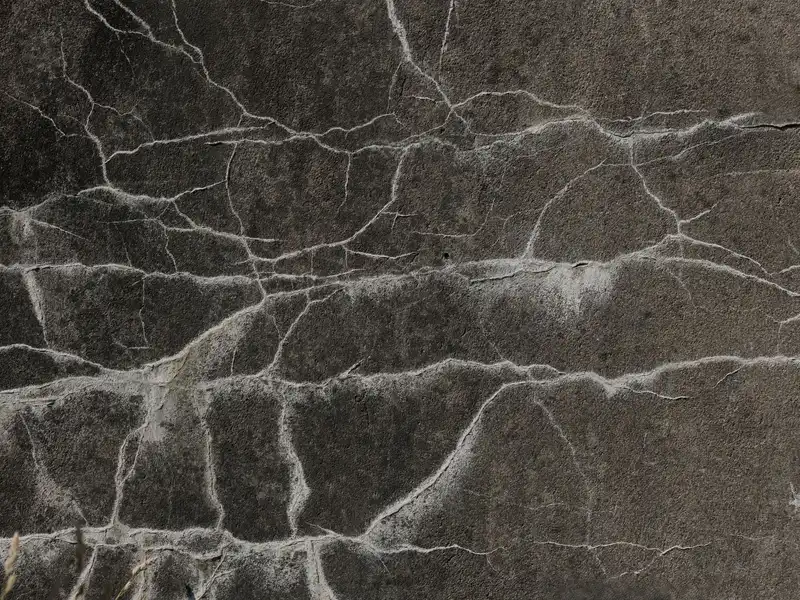
Cracking in the wall
Initial inspection focuses on fine cracks invisible to the naked eye except in raking light, especially at base corners and wall seams.
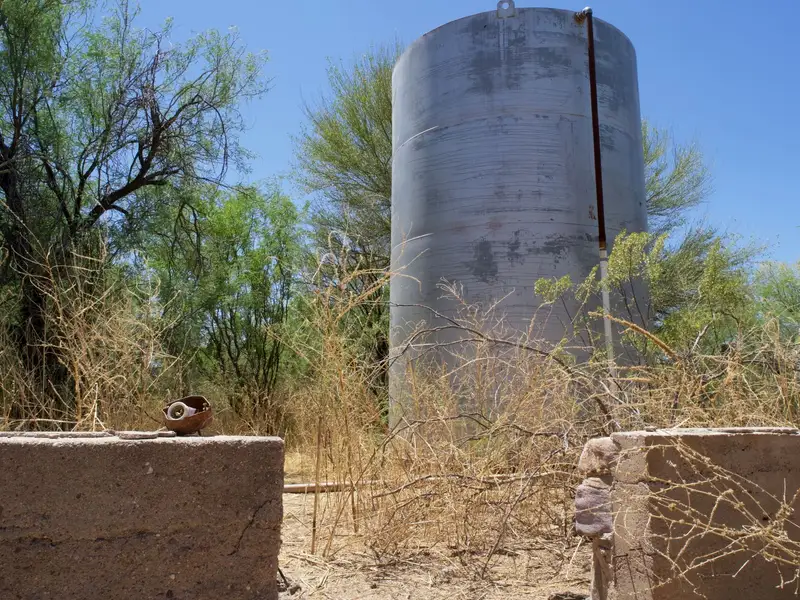
The floor to wall joint
Floor assessment needs full cleaning of algae and deposits to reveal cracks and casting defects.
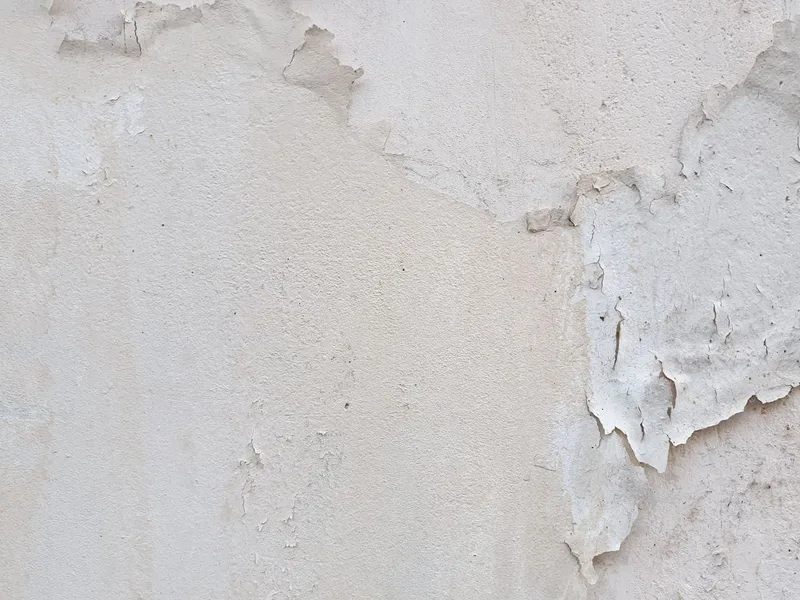
The condition of the old lining
Wall-to-floor joint inspection determines whether cracks are at joints due to movement or casting faults.
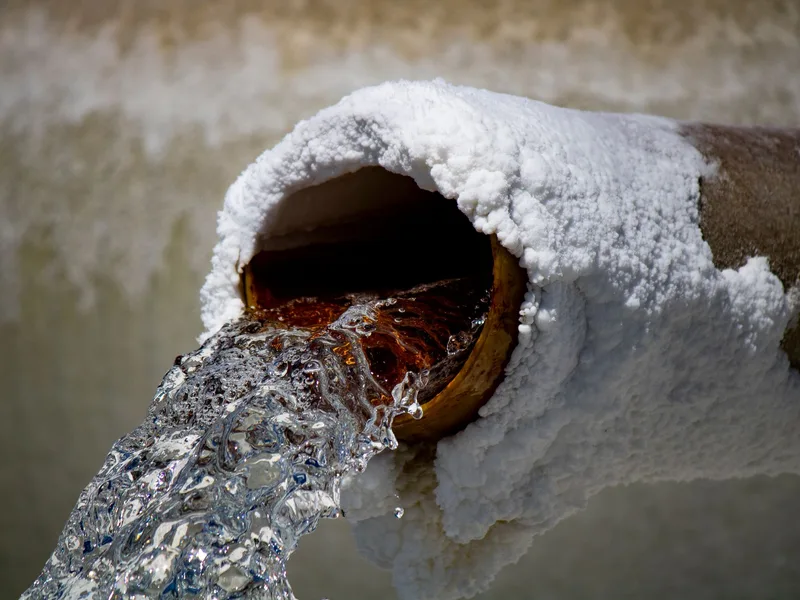
Sediment and scale
Pipe entries and connections need close checking as they are natural weak points and common leak sources here.
The pipe entries
Leak source may be from the tank base due to high water table and hydrostatic pressure.
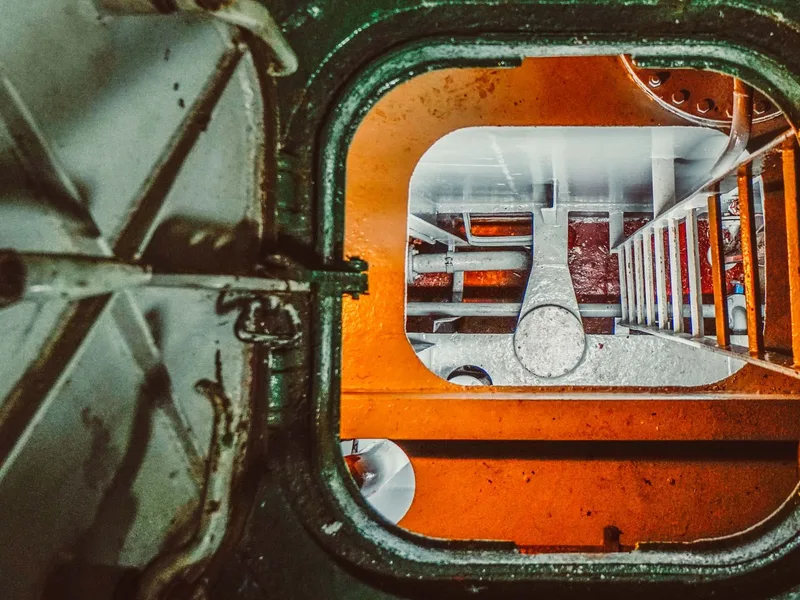
The hatch and the vent
Young concrete still cures and moves slightly, so early cracking is very common in new projects.
How we work
-
1
Inspect with the tank empty
We drain it and read the surface dry: whether the water leaves through a crack, a joint or a pipe collar, and what the outer face of the wall and the ceiling below are telling us. A level test with the valves closed separates a leaking tank from leaking pipework.
-
2
Clean and prepare the substrate
Sediment out, a high pressure wash, the loose old lining and the weak surface layer of the concrete taken back, then dried. The material grips sound substrate and nothing else.
-
3
Make the cracks and joints good
Cracks are chased out and filled with a repair mortar, a cove is formed where the floor meets the wall, and every pipe collar is treated on its own.
-
4
Lining, fill test, sterilisation
Successive coats, each run across the one beneath it, on the face the water touches. Then a full cure, a fill with the level watched, and sterilisation with the first fill run to waste before the tank returns to use.
What water tank sealing includes
-

Finding where the water leaves
Carried out drained and dry: cracks, joints, pipe collars and the outer face of the wall.
-

Draining and sediment removal
The last of the water and the settled layer on the floor come out, because a lining does not stick over sediment.
-
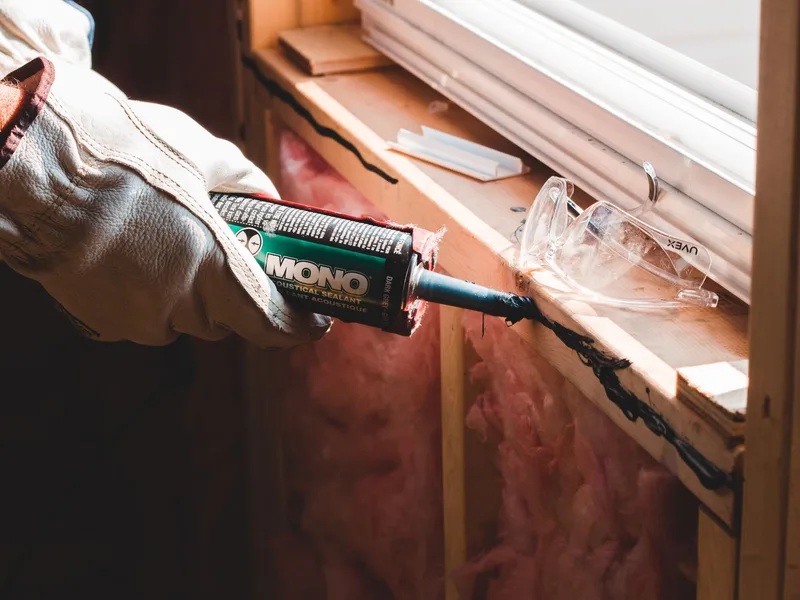
Cracks and joints made good
The crack opened and filled, a cove formed at the floor to wall junction, and each pipe entry worked separately.
-

Lining coats on the water face
More than one coat, each crossing the one below, in material made for drinking water tanks rather than roof waterproofing.
-

Curing, fill test and sterilisation
The material is left to cure, the tank is filled and the level watched, then sterilised and the first fill run to waste. How long the cure takes follows the material and the weather, and we tell you before the date so you can plan around the supply.
-

A follow-up level check
We come back once it is in service to read the level and check the outer face, because any remaining loss shows up then rather than on the day of the work.
What is different about Al Sharai Sub-Municipality
Al Sharai is the eastern growth front of Makkah along King Faisal Road and the Taif road. Settled quarters sit beside recently renamed schemes where plots are still vacant and buildings are going up, so construction sites, fill and open excavations lie next to occupied homes. Wadi channels such as Wadi Mudarraja, Wadi Al Sharai and Wadi Al Mughammas carry flash floods after rain and dry out to damp silt, while dust blows off the open hills. Roadside shops, restaurants and warehouses line the Taif road, and to the east the area shades into villages, palm farms and springs.
Questions about this district
Why do new tanks here leak within a month or two of installation?
New concrete needs time to fully cure and natural ground movement combined with high water table causes fine cracks. Groundwater pressure from below pushes against any weakness in the base.
Does leaking from the tank bottom mean the foundation is faulty?
Not necessarily. High groundwater and hydrostatic pressure cause leaks even with sound concrete. Inspection determines whether defects are casting errors or external pressure.
Can the tank be sealed without draining all the water?
No. Full drainage is needed to clean the surface of algae and salt deposits and prepare the concrete for proper sealing.
Does sealing solve hydrostatic pressure problems from below?
Internal sealing protects against wall leaks. But if pressure is very high, we may need to drain moisture around the tank from outside.
How long does water leak before we notice it?
Water may seep for weeks before damp patches become visible on the base or ground.
Does re-pouring concrete on the base solve it?
It might if the defect is localised in weak thick base concrete. But internal sealing is faster, cheaper and more reliable.
How much does water tank sealing in Barakah cost?
It is set after the inspection, because the price follows the type of infestation, the size of the space, how far it has spread and the number of visits it needs. Send a photo and a description on WhatsApp and we will give you an estimate before we reach Barakah.
Other services in Barakah
Other services we provide to residents of Barakah.
-
 Water tanks
Water tank cleaning
-
 Water tanks
Water tank sterilization
-
 Water tanks
Tank leak repair
-
 Residential
Cockroach control
Need water tank sealing in Barakah? Tell us what you saw and we will tell you what it needs
We reach Barakah at a time we agree, and you get the full cost before we start.