
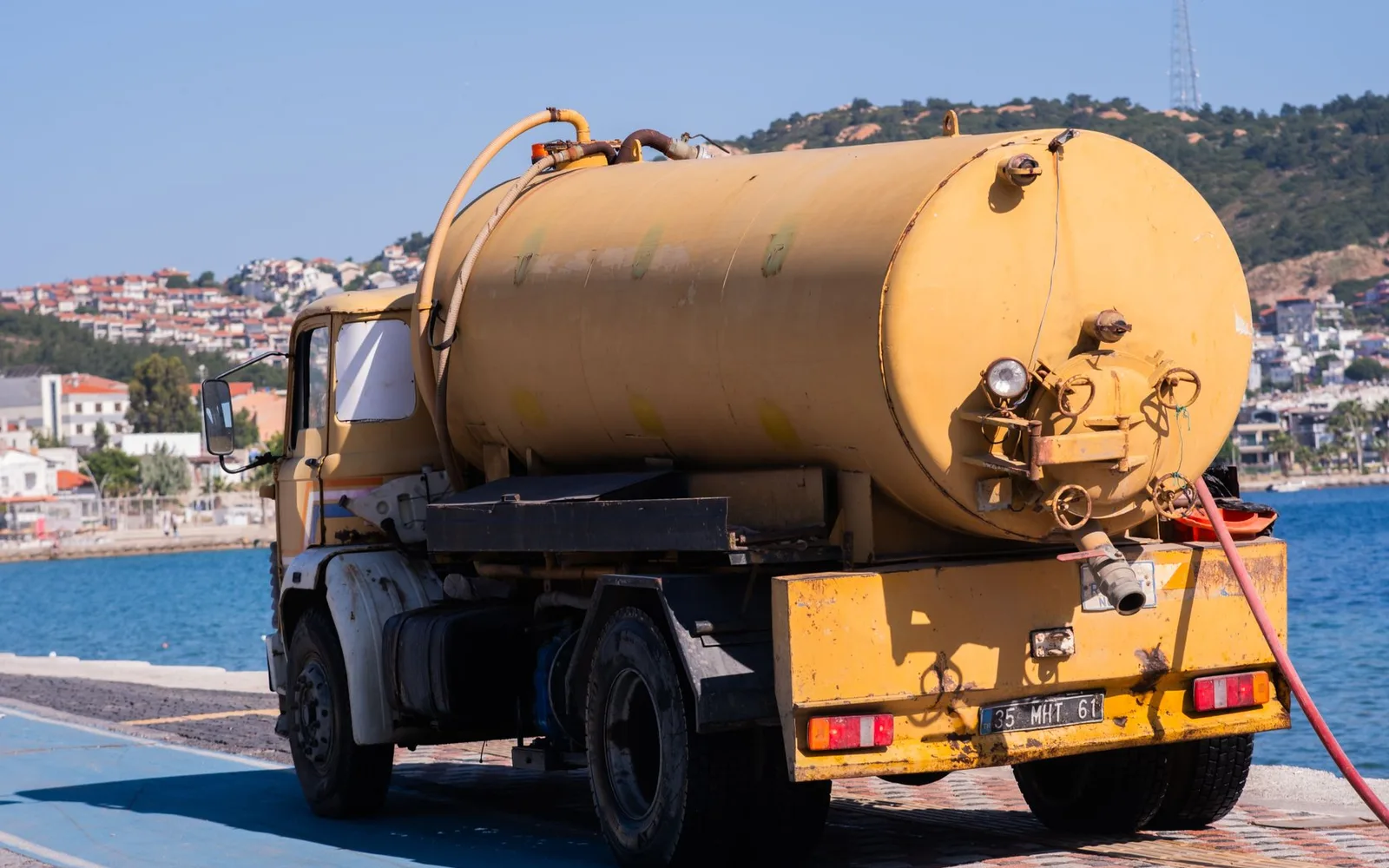
Water tank sealing in Al Thaalibah Jeddah
Al Thaalibah is a crowded old quarter in the south west with low-rise residential blocks, weak basic services and very aged water tanks. Tanks here are often over 30 years old and cracking and leakage are persistent problems. Lining and sealing stops seepage and extends the life of the aging tank.
-
Potable-rated materials
Linings and disinfectants cleared for drinking water tanks, not general-purpose products.
-
You get the downtime first
How many hours the tank is out of service, told before we start rather than after we finish.
-
A first-draw flush
We run the first draw off after refilling, and the tank is not handed back until the water runs clear.
-
Ground and roof tanks
Villas, apartment blocks and premises that need a written record of each visit.
Why the job is different in Al Thaalibah
Buildings in Al Thaalibah are very old and cramped, with small tanks on roofs or in shared corridors lacking adequate insulation. The method is set out in full on what Water tank sealing involves.
Aging buildings and deteriorated tanks
Buildings here date from the 1960s and 1970s and tanks are the same age. Rust, deep cracks and widespread leakage occur. Some tanks have never been serviced.
High population density and constant pressure
A single flat may house a large family and daily water use is very high. Continuous pressure on small tanks worsens old cracks rapidly.
High moisture, salt and harsh winds near the port
Al Thaalibah lies close to the Islamic Port and coast where salt and humidity are intense. Salt-laden winds accelerate tank rust and external metal degradation, and cracks widen quickly.
The character of Al Thaalibah
Apartment district: residential blocks, repeated floors and shared entrances
The quarter is a crowded working-class residential area with low-rise buildings and weak services, meaning tanks are small and shared between multiple flats. Space is tight and access difficult, so treatment requires coordination with residents and handling of confined spaces and limited alternative water during repair.
What we read before any material is opened
An old unplanned working-class quarter in the south west between Al Hindawiyah to the north, Al Quraiyat to the east, Petromin to the south and the Islamic Port to the west, edged by King Khalid Road and Al Falah Road. Low-rise densely populated buildings with inadequate municipal services.
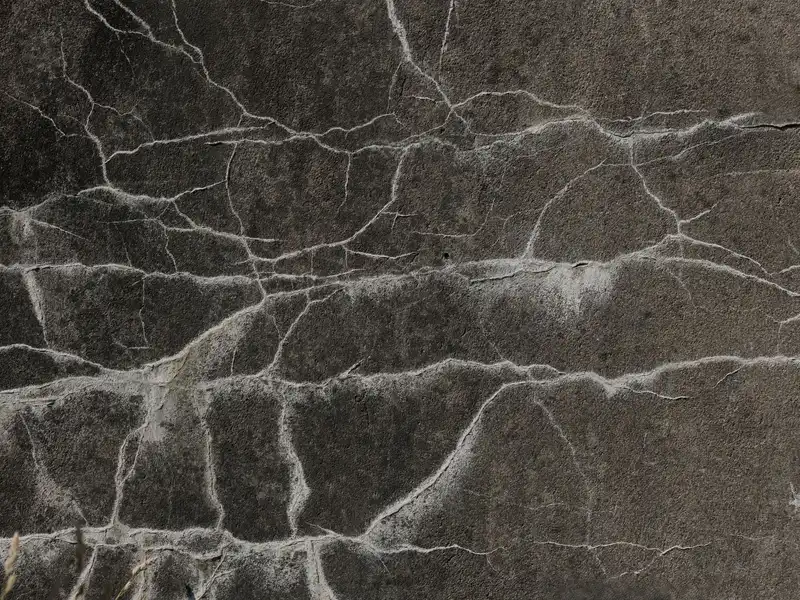
Cracking in the wall
Deep cleaning removes rust, algae and deposits from old densely occupied tanks.
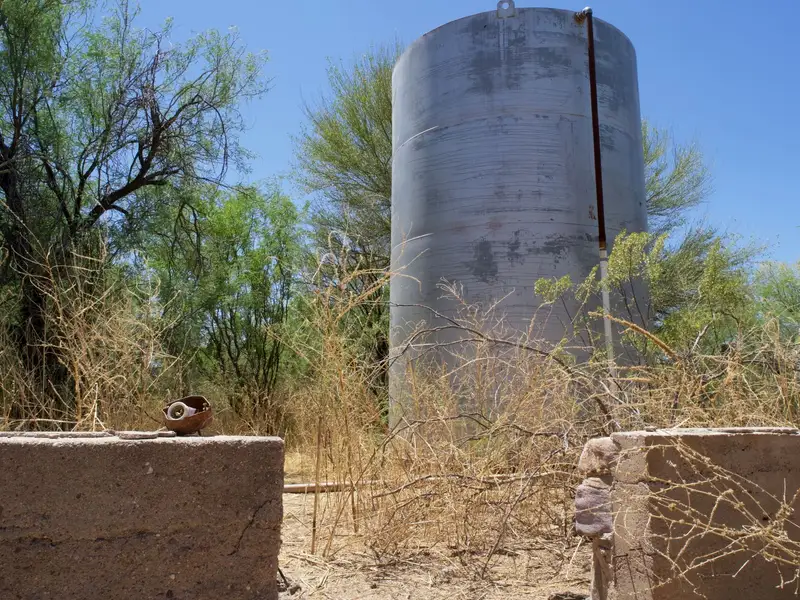
The floor to wall joint
Cracks and small holes that leak and allow dirt and salt to enter from outside air are repaired.
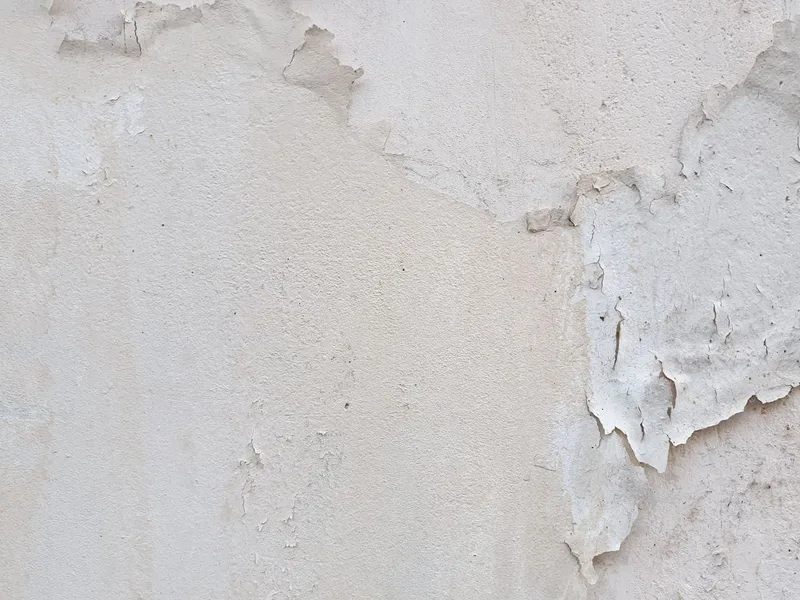
The condition of the old lining
Pipe outlets and valve connections may be corroded and leaking, requiring tight joint seals.
Sediment and scale
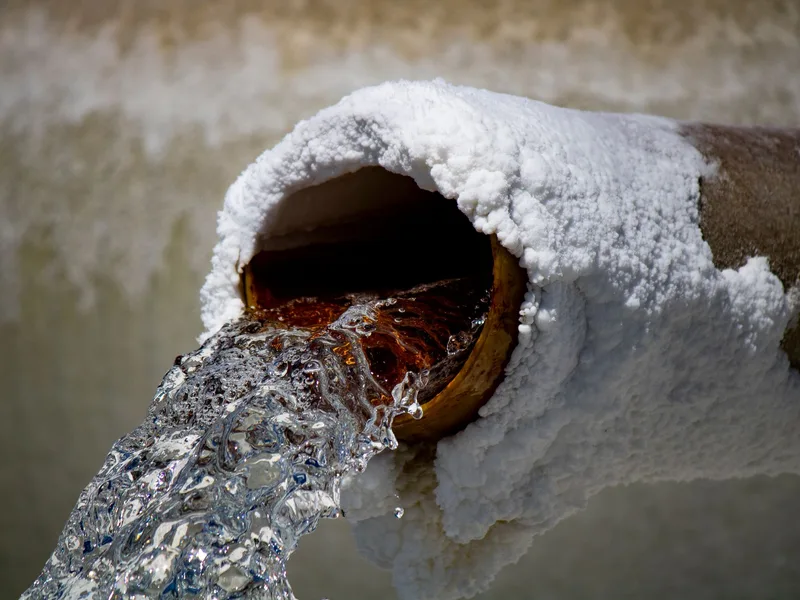
Moisture and sea salt in damp air cause ongoing rust and external tank wall corrosion.
The pipe entries
Cracks begin at the floor and spread toward walls and roof, sometimes penetrating deep into the concrete core.
The hatch and the vent
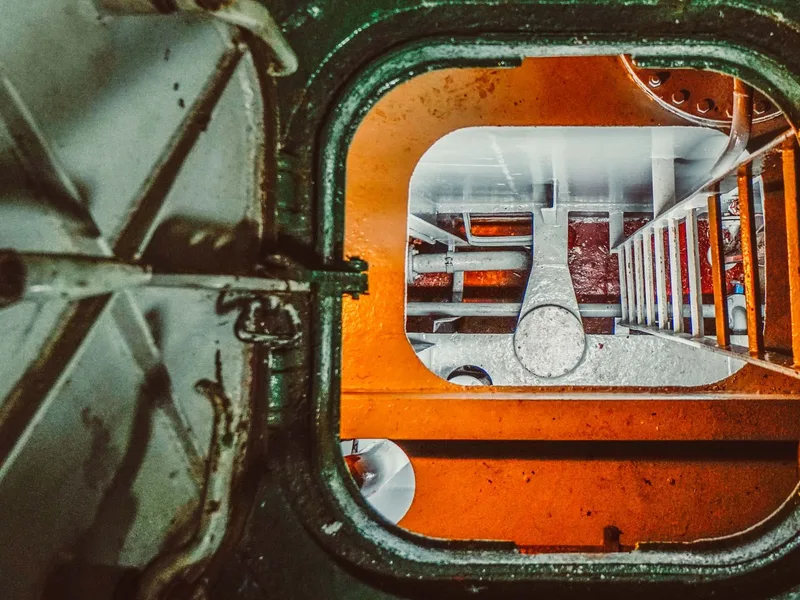
Green and white algae thrive in old damp tanks and sterilisation is essential after all cracks are sealed.
How we work
-
1
Inspect with the tank empty
We drain it and read the surface dry: whether the water leaves through a crack, a joint or a pipe collar, and what the outer face of the wall and the ceiling below are telling us. A level test with the valves closed separates a leaking tank from leaking pipework.
-
2
Clean and prepare the substrate
Sediment out, a high pressure wash, the loose old lining and the weak surface layer of the concrete taken back, then dried. The material grips sound substrate and nothing else.
-
3
Make the cracks and joints good
Cracks are chased out and filled with a repair mortar, a cove is formed where the floor meets the wall, and every pipe collar is treated on its own.
-
4
Lining, fill test, sterilisation
Successive coats, each run across the one beneath it, on the face the water touches. Then a full cure, a fill with the level watched, and sterilisation with the first fill run to waste before the tank returns to use.
What water tank sealing includes
-

Finding where the water leaves
Carried out drained and dry: cracks, joints, pipe collars and the outer face of the wall.
-

Draining and sediment removal
The last of the water and the settled layer on the floor come out, because a lining does not stick over sediment.
-

Cracks and joints made good
The crack opened and filled, a cove formed at the floor to wall junction, and each pipe entry worked separately.
-

Lining coats on the water face
More than one coat, each crossing the one below, in material made for drinking water tanks rather than roof waterproofing.
-

Curing, fill test and sterilisation
The material is left to cure, the tank is filled and the level watched, then sterilised and the first fill run to waste. How long the cure takes follows the material and the weather, and we tell you before the date so you can plan around the supply.
-

A follow-up level check
We come back once it is in service to read the level and check the outer face, because any remaining loss shows up then rather than on the day of the work.
What is different about Al Jamiah Sub-Municipality
Al Jamiah sub municipality spans the older south of Jeddah. Planned districts such as Al Fayha, Al Thaghr and Madain Al Fahd sit beside crowded popular quarters like the Nazlahs and Al Quraiyat, and beside cleared or clearing land in Ghulail, Petromin and Al Thaalibah awaiting redevelopment. Apartment buildings stand close together above dense runs of shops and restaurants along Old Makkah Road and Prince Majid Road. Drainage in the popular quarters is ageing, humid air drifts in from the port and refinery side to the west, and the flat low lying ground holds rainwater in narrow streets.
Questions about this district
Why do tanks in Al Thaalibah leak more than in modern quarters?
Age, rust, salt and constant pressure. Tanks are very old, maintenance is lacking and original materials have been weakened by moisture and salt exposure.
Is lining enough for a 30-year-old tank?
Lining can protect against new leakage for years. But if concrete is severely crumbling, it may not be a permanent fix and partial reconstruction may be needed.
What causes rust specifically in Al Thaalibah tanks?
Proximity to the port, high humidity, salt and damp air accelerate rust. Exposed metal and old steel corrode very rapidly.
Can a tank be lined if leakage is severe?
If leakage comes from very deep cracks, lining may not solve it. Concrete condition must be assessed first and structural repair may be needed before lining.
Does lining cost less than replacing the tank entirely?
Yes, lining costs less than full replacement and usually extends tank life by several years.
How long does emptying and lining take in a crowded apartment building?
It depends on tank size and facilities. In a dense quarter it may require resident coordination and alternative water supply during treatment.
How much does water tank sealing in Al Thaalibah cost?
It is set after the inspection, because the price follows the type of infestation, the size of the space, how far it has spread and the number of visits it needs. Send a photo and a description on WhatsApp and we will give you an estimate before we reach Al Thaalibah.
Nearby districts we cover
Other services in Al Thaalibah
Other services we provide to residents of Al Thaalibah.
-
 Water tanks
Water tank cleaning
-
 Water tanks
Water tank sterilization
-
 Water tanks
Tank leak repair
-
 Residential
Cockroach control
Need water tank sealing in Al Thaalibah? Tell us what you saw and we will tell you what it needs
We reach Al Thaalibah at a time we agree, and you get the full cost before we start.