
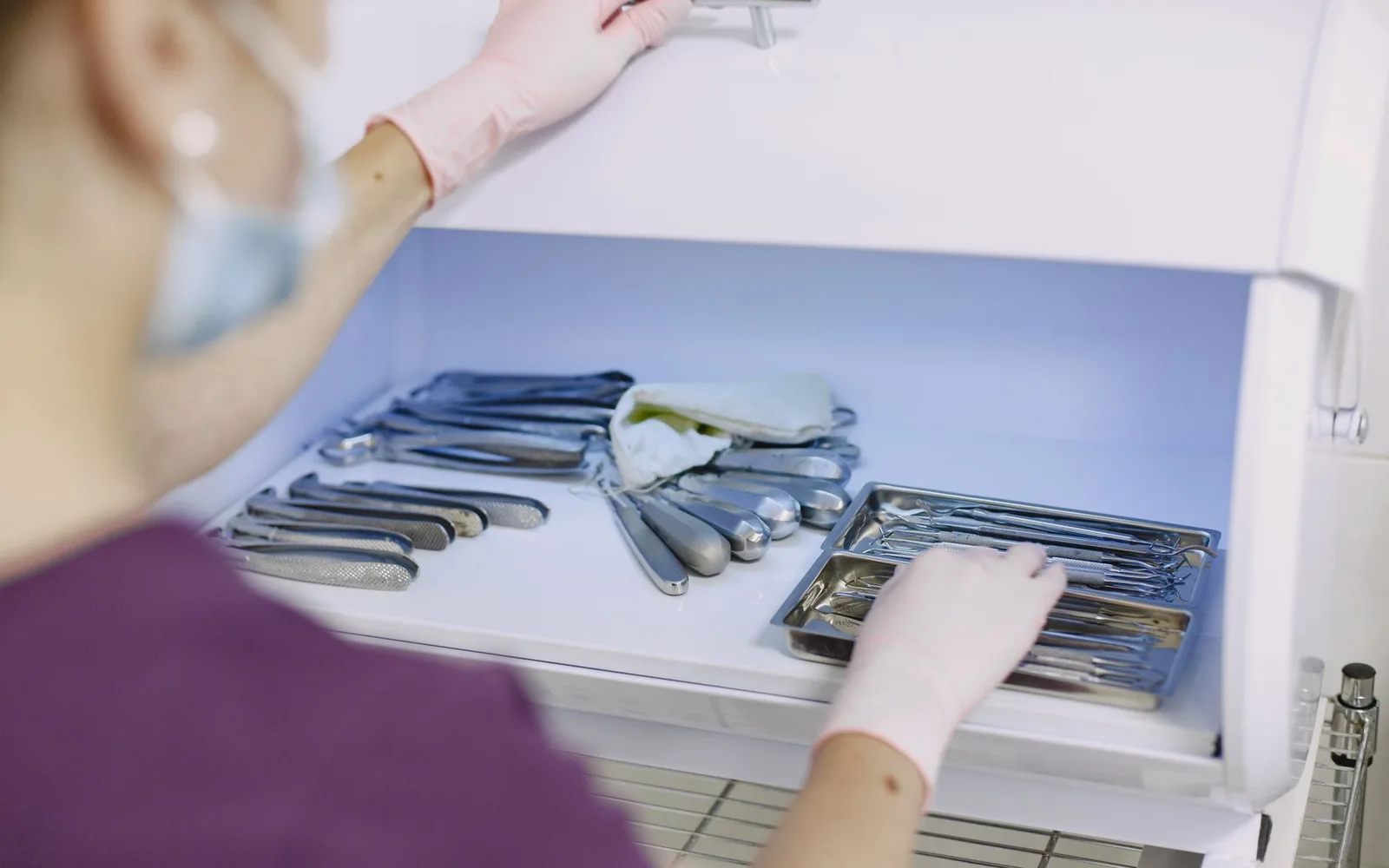
Water tank sterilization in Wadi Jaleel Makkah
Wadi Jaleel is a new-development district spreading across the valley floor between hills, with housing schemes emerging along Al Hajj Street and the fourth ring road. Tanks here are newly installed but water carries sediment from wadi runoff after heavy rain, and local clay and sandy soil affect stored water quality.
-
Potable-rated materials
Linings and disinfectants cleared for drinking water tanks, not general-purpose products.
-
You get the downtime first
How many hours the tank is out of service, told before we start rather than after we finish.
-
A first-draw flush
We run the first draw off after refilling, and the tank is not handed back until the water runs clear.
-
Ground and roof tanks
Villas, apartment blocks and premises that need a written record of each visit.
Why the job is different in Wadi Jaleel
New buildings in the valley install modern tanks but incoming mains water carries fine clay particles and debris that accumulate rapidly at the tank base due to the local soil type. The method is set out in full on Water tank sterilization in detail.
Clay sediment from wadi runoff
After seasonal rainfall, water flowing from the wadi carries silt, sand and fine particles. These deposits reach the mains and settle quickly in the new tanks.
New tanks and unwashed pipework
Emerging housing projects install new tanks and pipe runs, but new pipework may contain manufacturing residue and mill scale. First-fill water carries these contaminants into the tank.
Seasonal swings in incoming water quality
During the rainy season water arrives turbid and particle-laden. In dry months, silt and clay accumulate at the base and form a live biofilm needing deep wash.
Landmarks of Wadi Jaleel
Access to Wadi Jaleel projects runs via Al Hajj Street and the fourth ring road, with Jabal Al Noor and the Hira cave as visible landmarks defining the district boundary.
- Al Hajj Street
- Fourth Ring Road
- Jabal Al Nour
- Wadi Liyyah
What we read inside the tank before anything starts
A tributary drainage valley within Wadi Liyyah, located north east of the city along Al Hajj Street and the fourth ring road, surrounded by hills and ridges, and faces seasonal flood risk after heavy rainfall.
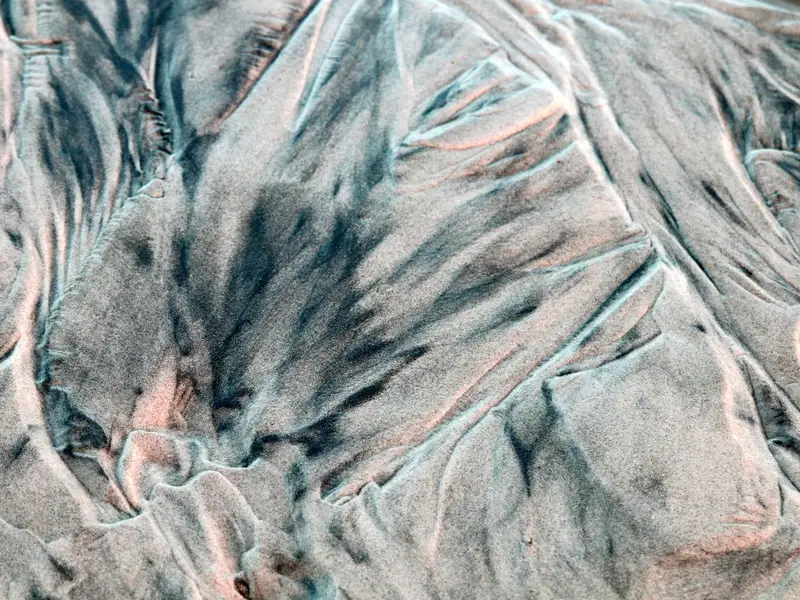
Sediment on the floor
Clay and sand sediment from wadi runoff collects at the tank base as a dense layer needing forceful mechanical lift.
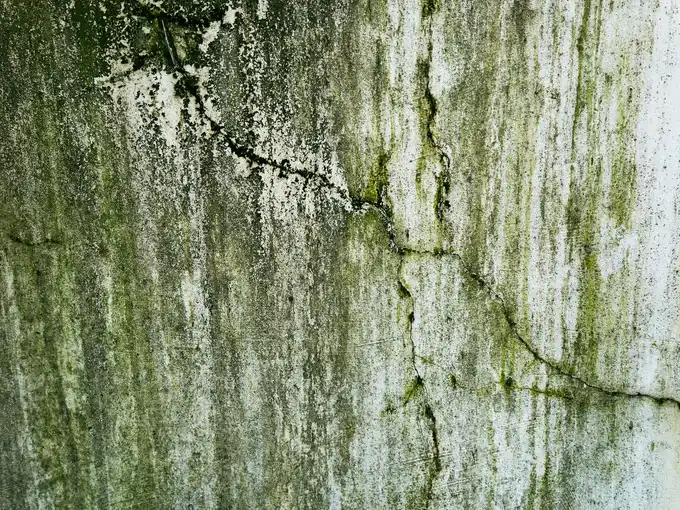
The slime film on the wall
Mains water carries fine particles and a thin biofilm coating the tank walls and floor due to seasonal bacterial activity.
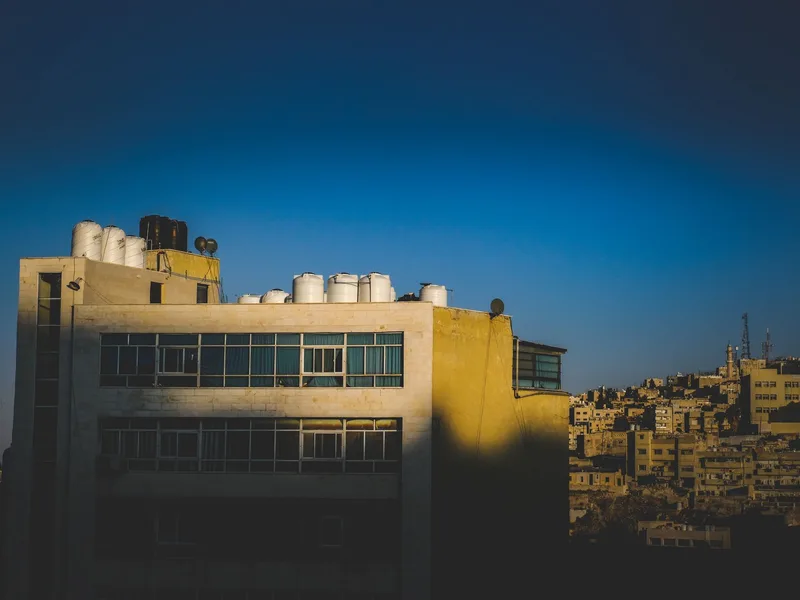
Light and heat
New distribution pipes may contain metal traces and scale from manufacturing and transport, and high-pressure washing removes these residues.
The lining and any cracking
Heat and humidity in the zone create ideal conditions for algae and bacteria to grow rapidly once light or contaminants are present.
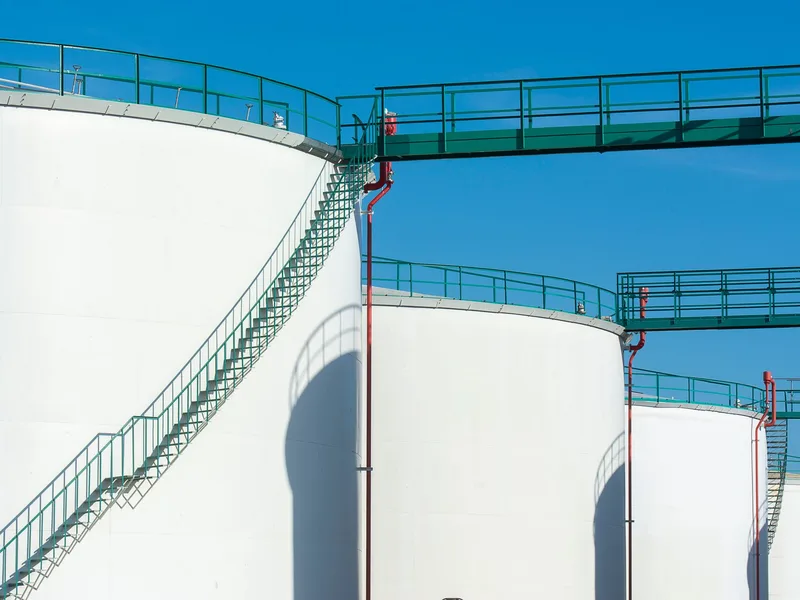
The lid and the openings
Biofilm builds on interior walls and base, especially after the rainy season when sediment is heaviest.

What shows up at the tap
Bacterial activity peaks after seasonal floods and heavy rain, so sterilization must be intensive to ensure all organisms are killed.
How we work
-
1
Inspect and record the condition
We open the hatch and work through what the tank is made of and how big it is, how deep the sediment lies, the state of the lining, whether the lid and the overflow seal, and whether there is a crack that has to be repaired before any sterilizing.
-
2
Drain and lift the sediment out
The water goes out, then the silt and sand are lifted off the floor by suction rather than pushed toward the outlet, because pushing them sends them into the house pipework and the heater.
-
3
High pressure wash
Walls, floor, corners and the area around the outlet, until the slime film is completely gone. This is the step that makes the sterilizing after it mean anything.
-
4
Sterilize, rinse, then return to service
The sterilizing agent goes onto the walls, the floor and the underside of the lid and is left for its contact time, then we rinse, refill and run the furthest tap until the whole line is clear.
What water tank sterilization includes
-

A recorded inspection
Material, capacity, sediment depth, the state of the lining, the lid and the overflow, all before any work begins.
-

Draining and sediment removal
The water out, and the silt and sand lifted off the floor instead of being pushed into the outlet and the house pipework.
-

High pressure washing
Walls, corners and around the outlet, until the biofilm that no disinfectant penetrates has gone.
-
Sterilizing the internal surfaces
A sterilizing agent meant for drinking water tanks, applied to the walls, the floor and the underside of the lid, and left for its contact time.
-

Line flush and aftercare
Rinse, refill and a flush from the furthest tap, when the water is usable again, and what to change in the filter afterwards.
-

The next cycle
We agree the right interval for your tank from how it is filled, how much sun it takes and the condition of the lid.
What is different about Al Maabdah Sub-Municipality
Al Maabdah sub municipality climbs from Al Abtah and Al Jumayzah beside the Al Mualla cemetery up through Al Khansa and Rai Adhakhir to Al Adl, Jabal Al Nour, Wadi Jaleel and Qurtubah on the outer ring roads. It mixes hotels and pilgrim housing near the Grand Mosque with old popular houses on hillside passes, new housing schemes on valley floors that carry flash floods after rain, and industrial plots, workshops and warehouses along Al Hajj Street in Qurtubah. Street widening and expropriation leave partly demolished frontages in Al Khansa.
Questions about this district
Why is water in Wadi Jaleel so muddy after rain?
The wadi drains water from hills and high ground, and clay and sandy soils supply abundant particles. These enter the mains and tanks.
Should new tanks be sterilized immediately after installation?
Yes. New pipework contains manufacturing residue and scale. Sterilizing after install ensures clean water from the start.
Do wadi floods affect household tanks directly?
Indirectly. Floods raise sediment levels in the public mains, so incoming water to the tank is murkier.
What is the difference between tank cleaning and sterilization?
Cleaning removes sediment and silt from the floor and walls. Sterilization kills bacteria and living organisms that grow after cleaning.
Is sediment at the tank base a health risk?
Yes. Sediment hosts bacterial and algal growth. Left unwashed, it affects water taste and safety.
How often should a tank in Wadi Jaleel be sterilized?
If incoming water is heavily sediment-laden, every six to twelve months. If cleaner, once or twice yearly is enough.
How much does water tank sterilization in Wadi Jaleel cost?
It is set after the inspection, because the price follows the type of infestation, the size of the space, how far it has spread and the number of visits it needs. Send a photo and a description on WhatsApp and we will give you an estimate before we reach Wadi Jaleel.
Nearby districts we cover
Other services in Wadi Jaleel
Other services we provide to residents of Wadi Jaleel.
-
 Water tanks
Water tank cleaning
-
 Water tanks
Water tank sealing
-
 Water tanks
Tank leak repair
-
 Residential
Cockroach control
Need water tank sterilization in Wadi Jaleel? Tell us what you saw and we will tell you what it needs
We reach Wadi Jaleel at a time we agree, and you get the full cost before we start.