
Water tank sterilization in Al Hamra Jeddah
Al Hamra is an upmarket coastal district on the Red Sea shore, home to large hotels, residential towers, luxury villas, water parks and shopping centres. Tanks here operate under higher pressure to supply large hotels, restaurants, pools and the beach. Seawater and high salt humidity make tanks prone to rapid salt crust, sediment and mould accumulation.
-
Potable-rated materials
Linings and disinfectants cleared for drinking water tanks, not general-purpose products.
-
You get the downtime first
How many hours the tank is out of service, told before we start rather than after we finish.
-
A first-draw flush
We run the first draw off after refilling, and the tank is not handed back until the water runs clear.
-
Ground and roof tanks
Villas, apartment blocks and premises that need a written record of each visit.
Why the job is different in Al Hamra
Hotels and buildings in Al Hamra are relatively modern and receive high volumes of visitors and residents. Tanks are large-capacity and operate under heavy demand, requiring frequent maintenance. The method is set out in full on what Water tank sterilization involves.
Large hotel tanks carry high continuous pressure
Upmarket hotels in Al Hamra are fitted with massive ground and overhead tanks supplying constant high pressure. Tanks feed hundreds of rooms, restaurants, pools and the beach, and sustained pressure accelerates sediment buildup.
High salt humidity direct from the sea
Direct beachfront location means exceptional humidity and sea salt in air and water. Salt and minerals settle on tank walls forming a hard crust.
Restaurants and pools increase tank contamination
Restaurants, cafes and pools around the hotel draw large volumes of water repeatedly. Heavy use means faster sediment accumulation and quicker microbial contamination.
Landmarks of Al Hamra
Access to hotels and buildings in Al Hamra runs via Jeddah Corniche, with the King Fahd Fountain serving as a central landmark defining the district boundaries and major hotel locations.
- Al Hamra Corniche
- Madinah Road
- Palestine Street
- King Fahd Fountain
- Corniche Al Hamra Park
What we read inside the tank before anything starts
An upmarket coastal district on the Red Sea shore in north-central Jeddah, containing hotels, shopping malls, residential towers, villas, public gardens, restaurants and water attractions. It lies between Jeddah Corniche and the main seafront boulevard, bounded by Palestine Street to the south and Al Andalus to the north.
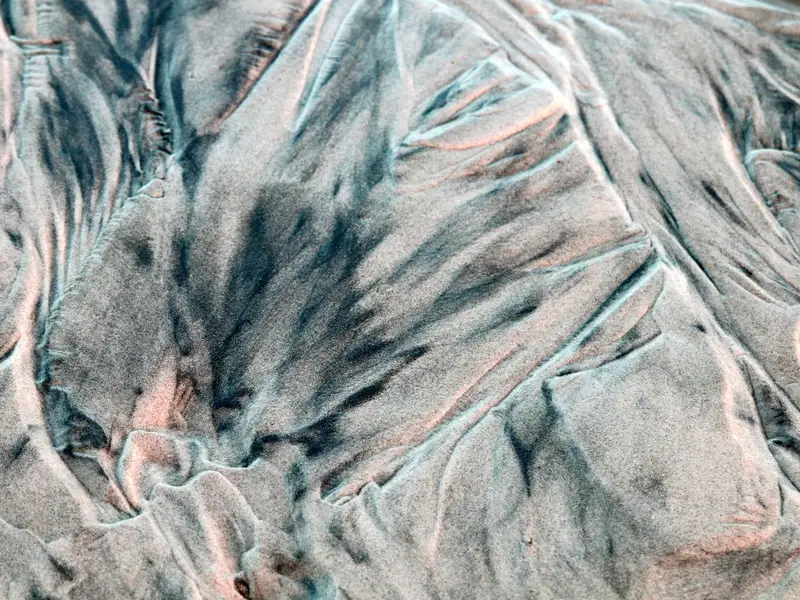
Sediment on the floor
Heavy sediment consists of salts, minerals and fine sand entering directly from the Red Sea source, accumulating rapidly at the base.
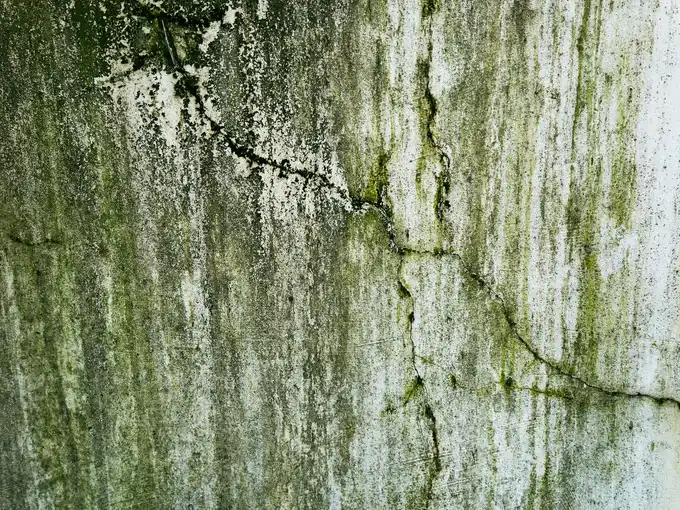
The slime film on the wall
Biofilm grows at exceptional speed in coastal tanks due to humidity and heat, and must be completely removed before sterilization.
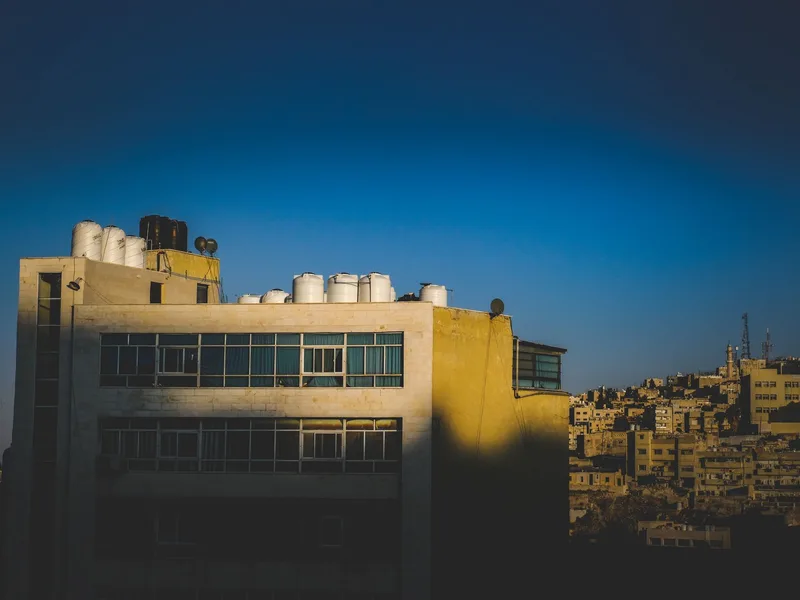
Light and heat
Distribution pipes from tanks to the large hotel complex need very high-pressure water flushing to clean deep deposits from inside the pipes.
The lining and any cracking
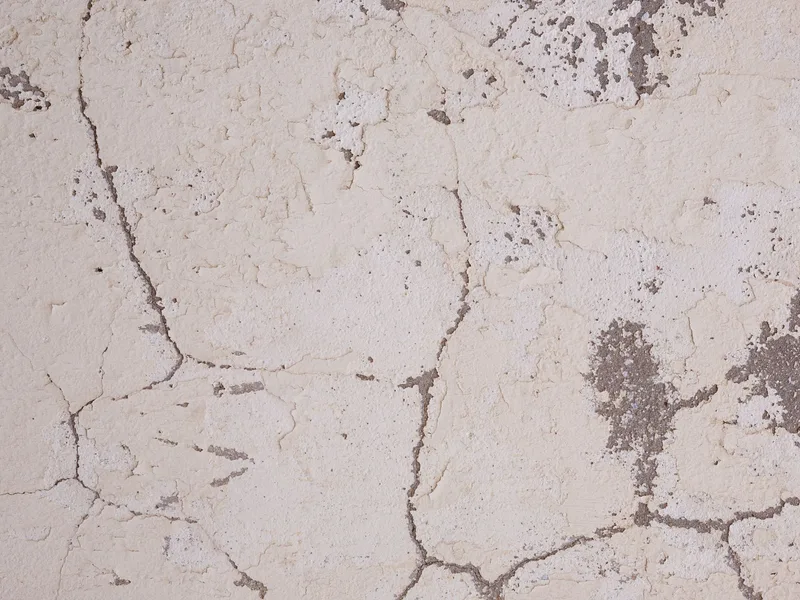
Salt humidity from the sea causes salt crusts on the tank's exterior walls as well as inside.
The lid and the openings
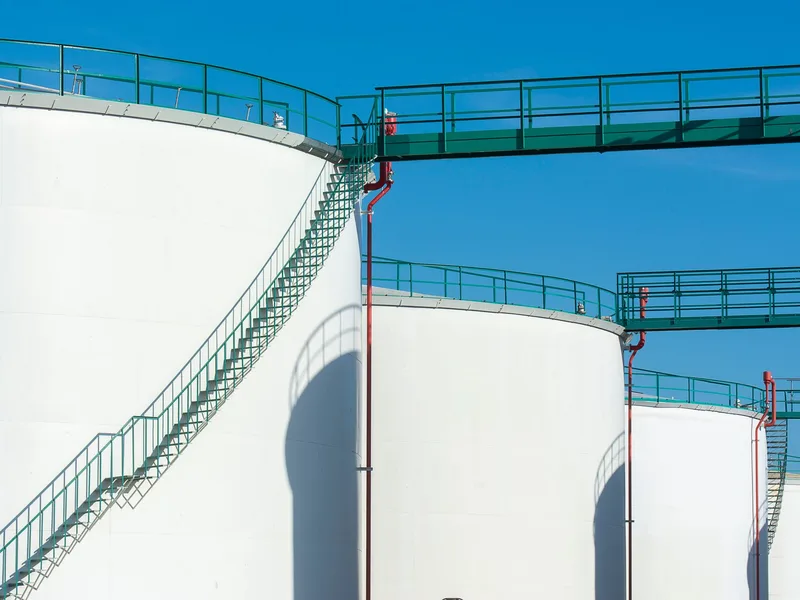
The large tank may contain compacted sand and salt deposits in corners, requiring powerful suction and mechanical scrubbing.

What shows up at the tap
Post-cleaning chemical treatment requires mild acids to handle residual salt deposits, not just standard sterilant.
How we work
-
1
Inspect and record the condition
We open the hatch and work through what the tank is made of and how big it is, how deep the sediment lies, the state of the lining, whether the lid and the overflow seal, and whether there is a crack that has to be repaired before any sterilizing.
-
2
Drain and lift the sediment out
The water goes out, then the silt and sand are lifted off the floor by suction rather than pushed toward the outlet, because pushing them sends them into the house pipework and the heater.
-
3
High pressure wash
Walls, floor, corners and the area around the outlet, until the slime film is completely gone. This is the step that makes the sterilizing after it mean anything.
-
4
Sterilize, rinse, then return to service
The sterilizing agent goes onto the walls, the floor and the underside of the lid and is left for its contact time, then we rinse, refill and run the furthest tap until the whole line is clear.
What water tank sterilization includes
-

A recorded inspection
Material, capacity, sediment depth, the state of the lining, the lid and the overflow, all before any work begins.
-

Draining and sediment removal
The water out, and the silt and sand lifted off the floor instead of being pushed into the outlet and the house pipework.
-

High pressure washing
Walls, corners and around the outlet, until the biofilm that no disinfectant penetrates has gone.
-
Sterilizing the internal surfaces
A sterilizing agent meant for drinking water tanks, applied to the walls, the floor and the underside of the lid, and left for its contact time.
-

Line flush and aftercare
Rinse, refill and a flush from the furthest tap, when the water is usable again, and what to change in the filter afterwards.
-

The next cycle
We agree the right interval for your tank from how it is filled, how much sun it takes and the condition of the lid.
What is different about Al Aziziyah Sub-Municipality
The Al Aziziyah sub municipality takes in the established heart of northern Jeddah, from the Al Hamra corniche on the Red Sea to Al Rehab east of King Abdullah Road. Its buildings date back decades, mostly mid rise apartment blocks over shops and closely packed restaurants along Makarona Road, Tahliah Street and Palestine Street, alongside villas and hotel towers near the shore. Sea humidity is high in the western districts, plumbing and drainage in the older blocks are ageing, and food outlets, hospitals and irrigated gardens are everywhere, conditions that favour cockroaches, ants, mosquitoes and rodents throughout the year.
Questions about this district
Why does a coastal hotel tank need sterilizing more than an inland hotel tank?
Coastal salt and humidity speed sediment and salt crust buildup. Beachfront hotels need sterilization every 3-4 months, while inland hotels may need it every 6 months.
Does sea salt entering the tank affect water taste?
Yes, salt and minerals can give water an unpleasant taste or discolour it. Sterilization and pressure-washing remove these deposits.
What if a hotel tank is not sterilized before the tourism season?
Peak tourism increases water use, and a contaminated tank may cause health issues for guests. The hotel risks losing reputation and rating.
Does sterilizing a hotel tank disrupt the hotel's operations?
Yes, we need to close the tank temporarily. Hotels typically schedule this during low-tourist periods.
How do we handle hard salt crusts on the tank walls?
We use stiff brushes and very high-pressure washing to remove salt deposits. Very stubborn salt may require special chemical treatments.
Does tank sterilization improve water quality for pools, showers and restaurants?
Yes, a clean tank supplies purer water for all uses including pools, bathrooms and restaurants.
How much does water tank sterilization in Al Hamra cost?
It is set after the inspection, because the price follows the type of infestation, the size of the space, how far it has spread and the number of visits it needs. Send a photo and a description on WhatsApp and we will give you an estimate before we reach Al Hamra.
Nearby districts we cover
Other services in Al Hamra
Other services we provide to residents of Al Hamra.
-
 Water tanks
Water tank cleaning
-
 Water tanks
Water tank sealing
-
 Water tanks
Tank leak repair
-
 Residential
Cockroach control
Need water tank sterilization in Al Hamra? Tell us what you saw and we will tell you what it needs
We reach Al Hamra at a time we agree, and you get the full cost before we start.