
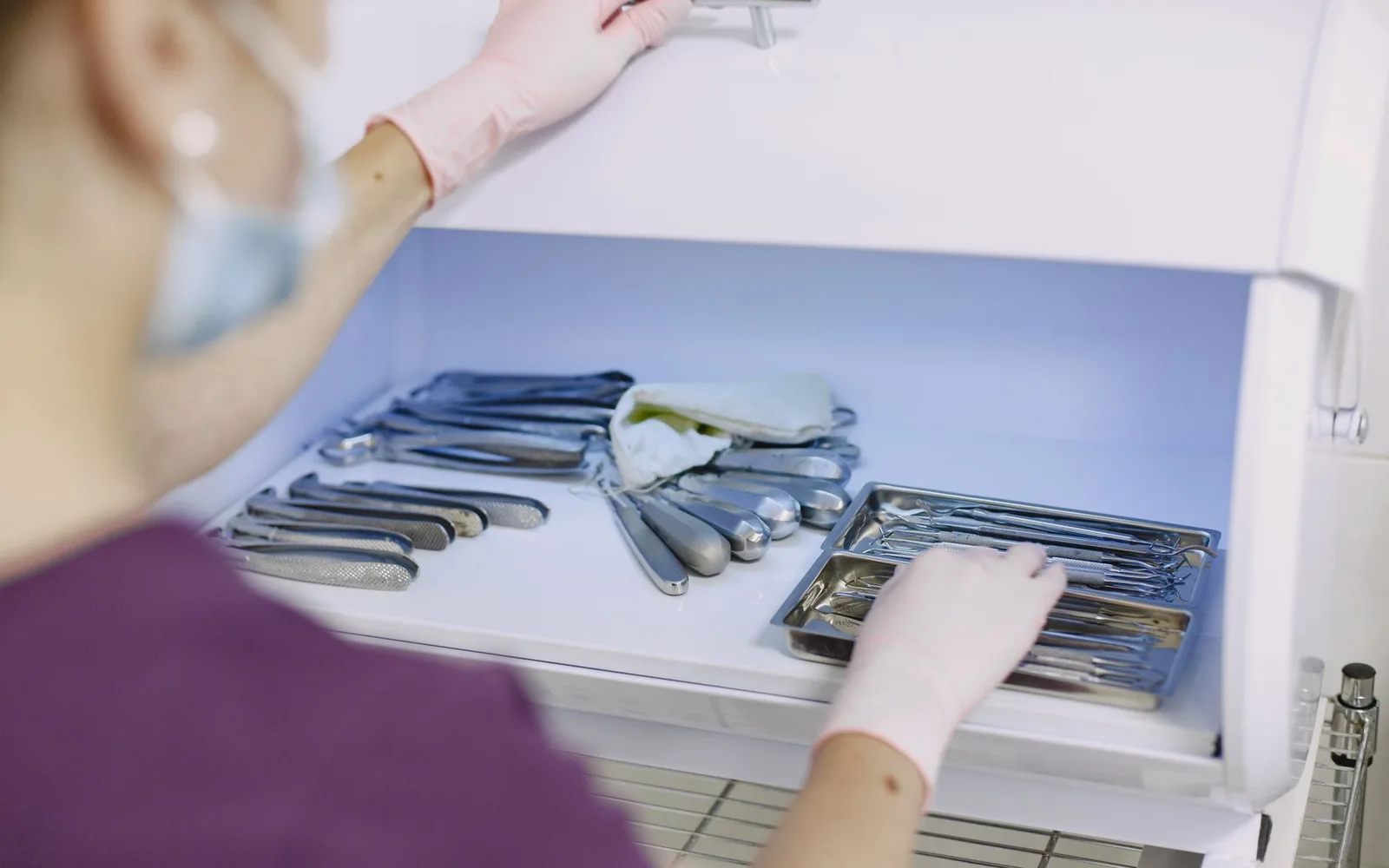
Water tank sterilization in Al Jamiah Makkah
Al Jamiah contains dense apartment blocks and pilgrim hotels built tightly beside each other, and the tanks here face high water pressure from intensive daily consumption. Sediment and biofilm accumulate rapidly in this district's tanks because water flows through them at speed and in large volumes.
-
Potable-rated materials
Linings and disinfectants cleared for drinking water tanks, not general-purpose products.
-
You get the downtime first
How many hours the tank is out of service, told before we start rather than after we finish.
-
A first-draw flush
We run the first draw off after refilling, and the tank is not handed back until the water runs clear.
-
Ground and roof tanks
Villas, apartment blocks and premises that need a written record of each visit.
Why the job is different in Al Jamiah
Residential and hotel buildings are laid out on a regular grid and stand close together, with tanks serving buildings at very high residential density. The method is set out in full on how we approach Water tank sterilization.
Hotels and apartment buildings on a tight grid
Buildings here stand very close to each other, each with one or more tanks. Small and medium tanks serve many residential units while also serving hotels with hundreds of guest rooms.
Intensive water consumption from hotels and pilgrims
Pilgrim hotels supply water for bathing, drinking and cleaning around the clock, especially in hajj and umrah seasons. High consumption means water cycles through the tank at speed.
Sediment and biofilm accumulate rapidly from fast water flow
Fast-moving water leaves suspended particles and minerals on tank walls and floors. Biofilm grows rapidly because warm water and minerals provide ideal conditions for bacterial growth.
The character of Al Jamiah
Apartment district: residential blocks, repeated floors and shared entrances
Apartment buildings and hotels standing close together mean multiple tanks of different sizes. Modern buildings may have advanced pump systems while older hotels rely on simple tanks, and sterilization must be adapted to each type.
What we read inside the tank before anything starts
An eastern district beside Al Aziziyah and Al Mursalat, built on the former site of the old Umm Al Qura University, crossed by King Khalid Road and Al Masjid Al Haram Road, with tightly packed apartment buildings and pilgrim hotels.
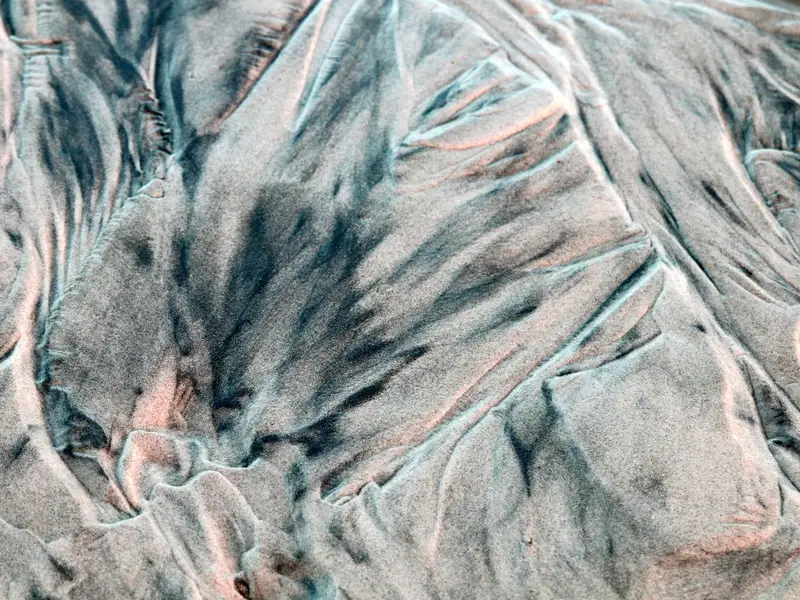
Sediment on the floor
Mineral sediment accumulates on the tank floor from fast water flow and hard water entering from the public network.
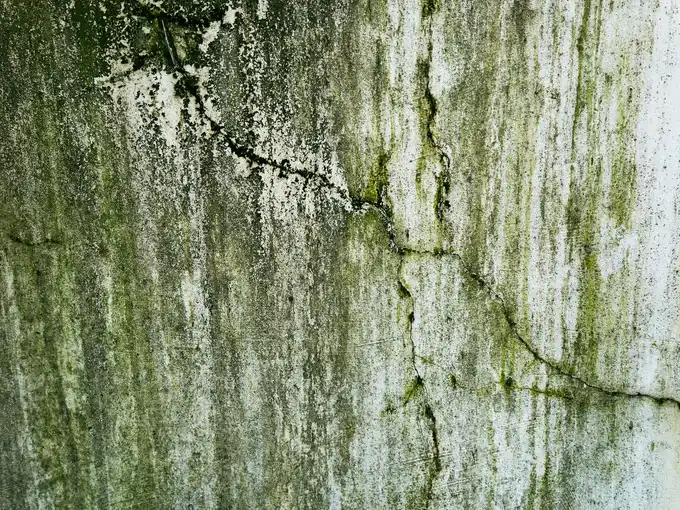
The slime film on the wall
Biofilm coats tank walls from warm water, minerals and natural bacteria in the supply.
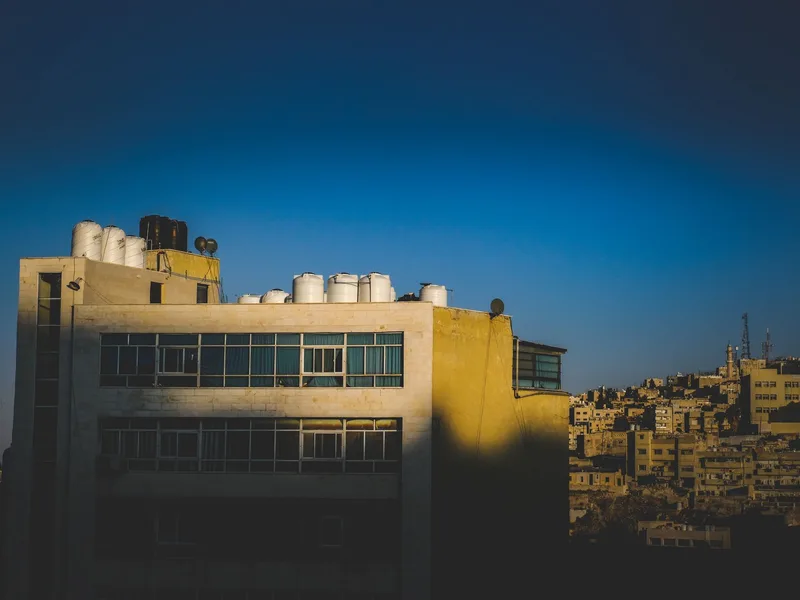
Light and heat
Pipe runs from tank to distant taps require high-pressure flushing because biofilm builds up there too.
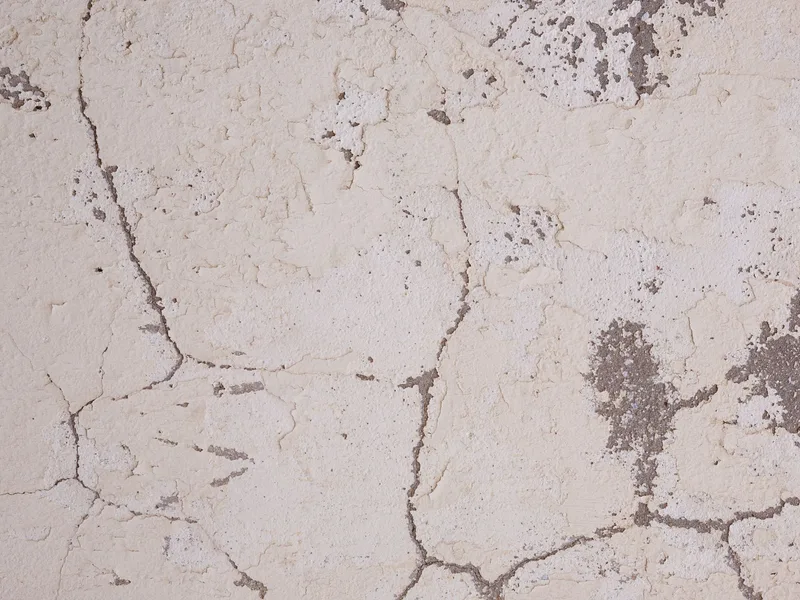
The lining and any cracking
Warm water in sun-exposed tanks accelerates bacterial growth and biofilm faster than shaded tanks.
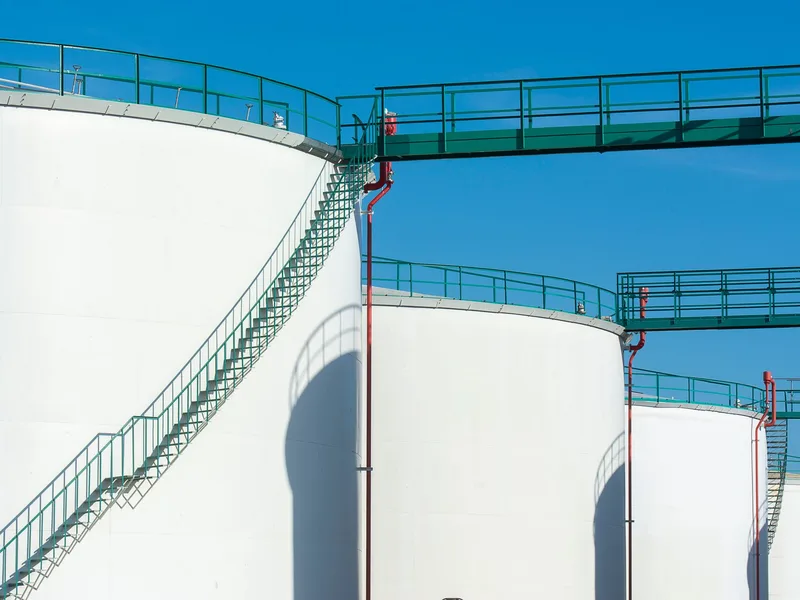
The lid and the openings
The floor and corners of the tank are the first places where heavy sediment, silt and suspended matter collect.

What shows up at the tap
Water sterilization through taps requires full flushing from the furthest point to ensure the sterilant reaches every line.
How we work
-
1
Inspect and record the condition
We open the hatch and work through what the tank is made of and how big it is, how deep the sediment lies, the state of the lining, whether the lid and the overflow seal, and whether there is a crack that has to be repaired before any sterilizing.
-
2
Drain and lift the sediment out
The water goes out, then the silt and sand are lifted off the floor by suction rather than pushed toward the outlet, because pushing them sends them into the house pipework and the heater.
-
3
High pressure wash
Walls, floor, corners and the area around the outlet, until the slime film is completely gone. This is the step that makes the sterilizing after it mean anything.
-
4
Sterilize, rinse, then return to service
The sterilizing agent goes onto the walls, the floor and the underside of the lid and is left for its contact time, then we rinse, refill and run the furthest tap until the whole line is clear.
What water tank sterilization includes
-

A recorded inspection
Material, capacity, sediment depth, the state of the lining, the lid and the overflow, all before any work begins.
-

Draining and sediment removal
The water out, and the silt and sand lifted off the floor instead of being pushed into the outlet and the house pipework.
-

High pressure washing
Walls, corners and around the outlet, until the biofilm that no disinfectant penetrates has gone.
-
Sterilizing the internal surfaces
A sterilizing agent meant for drinking water tanks, applied to the walls, the floor and the underside of the lid, and left for its contact time.
-

Line flush and aftercare
Rinse, refill and a flush from the furthest tap, when the water is usable again, and what to change in the filter afterwards.
-

The next cycle
We agree the right interval for your tank from how it is filled, how much sun it takes and the condition of the lid.
What is different about Al Aziziyah (Makkah) Sub-Municipality
Al Aziziyah sub municipality runs from the Bin Dawood markets to the Al Hada road and carries pilgrim traffic to Mina. Hotel towers and furnished apartment blocks fill and empty with the Hajj and Ramadan seasons, and the kitchens, restaurants and markets along Al Masjid Al Haram Road and King Abdulaziz Road leave food waste at every peak. Southwards the fabric loosens into villas and planned streets in An Naseem and Al Awali, then Al Abidiyah's campus and the old farms of Al Husayniyah, where Wadi Uranah holds water after rain and farm enclosures shelter rodents and reptiles.
Questions about this district
Why do Al Jamiah tank sediments build up faster than in other districts?
Water consumption here is very high from hotels and dense buildings. Fast water flow leaves minerals and suspended particles on the walls.
Do hotels need more frequent sterilization than apartment buildings?
Yes. Hotels require more frequent sterilization because occupancy is higher and consumption is very intensive.
What speeds up biofilm accumulation on tank walls?
Warm water in the tank and minerals in the supply provide ideal conditions. Tanks exposed to sun heat the water further and accelerate growth.
Does the supply line from tank to taps need separate flushing?
Yes. Lines accumulate biofilm flowing from the tank. Flushing from the furthest tap is essential to clear the entire system.
How often should a large hotel or building tank be sterilized?
It depends on tank size and consumption. In high-density hotels it may need sterilization every three months at minimum.
Do thick sediments affect water quality even after sterilization?
Yes. If sediment is thick, water may not reach taps clean. Lifting sediment from the floor before sterilization is essential.
How much does water tank sterilization in Al Jamiah cost?
It is set after the inspection, because the price follows the type of infestation, the size of the space, how far it has spread and the number of visits it needs. Send a photo and a description on WhatsApp and we will give you an estimate before we reach Al Jamiah.
Nearby districts we cover
Other services in Al Jamiah
Other services we provide to residents of Al Jamiah.
-
 Water tanks
Water tank cleaning
-
 Water tanks
Water tank sealing
-
 Water tanks
Tank leak repair
-
 Residential
Cockroach control
Need water tank sterilization in Al Jamiah? Tell us what you saw and we will tell you what it needs
We reach Al Jamiah at a time we agree, and you get the full cost before we start.