
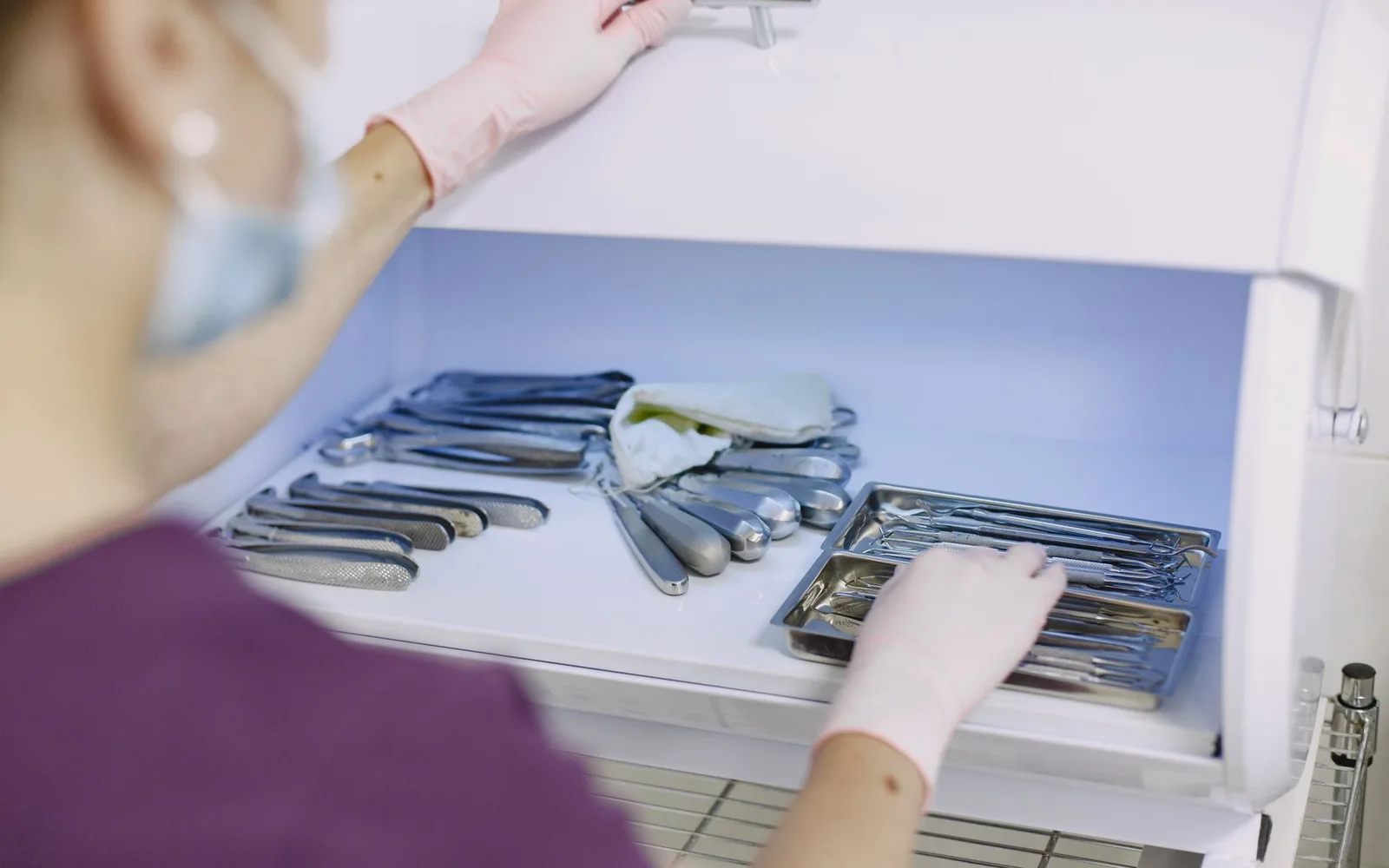
Water tank sterilization in At Tanim Makkah
At Tanim is the official miqat for Makkah residents and a busy commercial hub on Madinah Road north west of the Sacred Haram. Hotels, shops, restaurants and coach stations serve pilgrims and worshippers year-round. Water tanks here endure heavy constant use and foul quickly from the heavy load, road dust and trapped moisture.
-
Potable-rated materials
Linings and disinfectants cleared for drinking water tanks, not general-purpose products.
-
You get the downtime first
How many hours the tank is out of service, told before we start rather than after we finish.
-
A first-draw flush
We run the first draw off after refilling, and the tank is not handed back until the water runs clear.
-
Ground and roof tanks
Villas, apartment blocks and premises that need a written record of each visit.
Why the job is different in At Tanim
Shops, hotels and coach stations draw and discharge large volumes of water throughout the day, and tanks are exposed to dust entry from roads, construction and seasonal dust storms. The method is set out in full on how we approach Water tank sterilization.
Heavy and continuous use
Coach stations and pilgrim hotels consume large volumes of water during peak hours. Tanks fill and empty multiple times daily, raising the accumulation of sediment and clay.
Dust and earth from construction and roads
Main roads and building projects around At Tanim generate constant dust. High-altitude wind carries fine particles that enter tanks through ventilation and seepage gaps.
High moisture and algae and bacteria growth
The commercial zone traps moisture in hotels and restaurants. Open or damaged tanks allow biofilm and algae to bloom rapidly.
At Tanim on the map
At Tanim sits about 3.5 km from Al Buhayrat and about 5 km from As Salamah.
Open in Google MapsWhat we read inside the tank before anything starts
A commercial zone on the main Madinah Road between the Nuaym and Naim hills, the official miqat for pilgrims, housing hotels, ihram shops, coach stations, with Al Shuhada to the south and Al Buhayrat to the west.
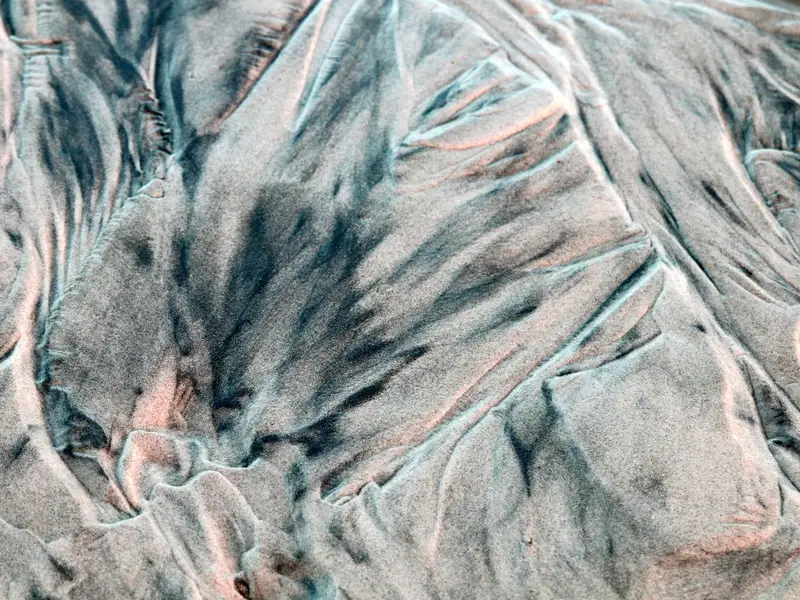
Sediment on the floor
Sediment and clay at the base build up thick because heavy use brings constant dust ingress.
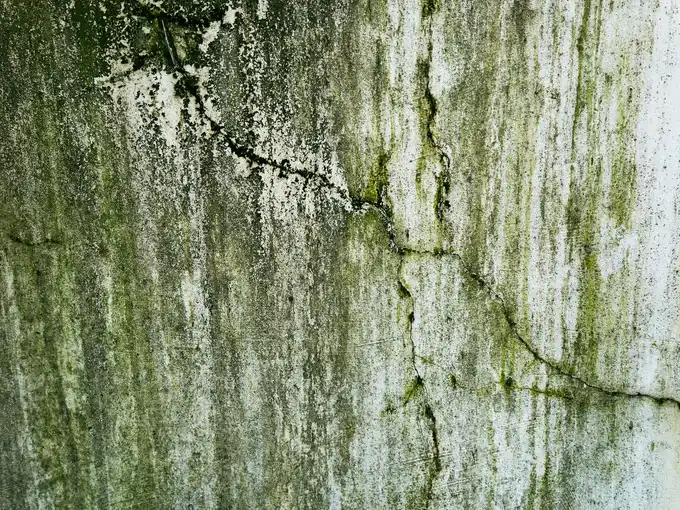
The slime film on the wall
Biofilm on walls and ceiling appears green, black or brown from algae and bacteria, especially around ventilation openings.
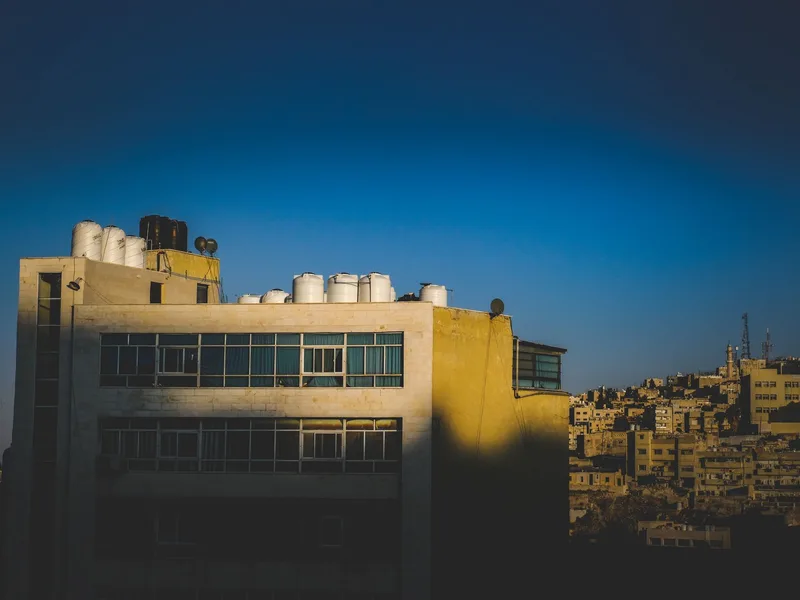
Light and heat
Cracks and splits in the tank allow dust, insects and contaminants in, often appearing at joints or from seasonal movement stress.
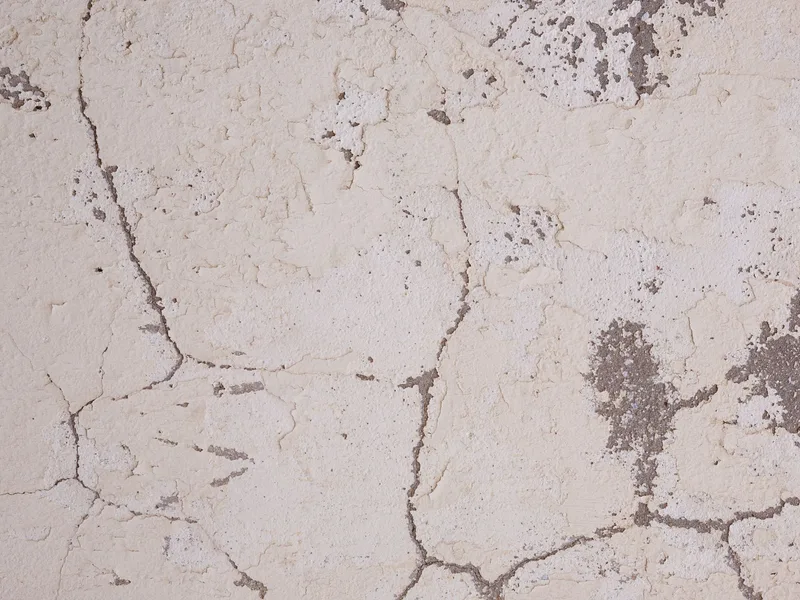
The lining and any cracking
Moisture is very high around hotel and restaurant tanks, accelerating microbial colonization.
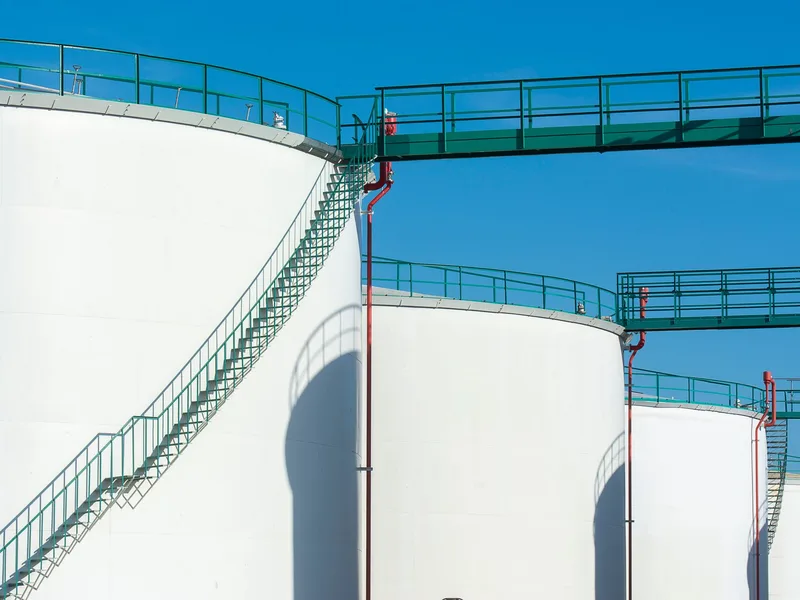
The lid and the openings
The tank may be open or poorly covered, allowing dust, light and insect entry.

What shows up at the tap
Standing water changes colour to yellow or brown from sediment and oxidation, particularly in older tanks.
How we work
-
1
Inspect and record the condition
We open the hatch and work through what the tank is made of and how big it is, how deep the sediment lies, the state of the lining, whether the lid and the overflow seal, and whether there is a crack that has to be repaired before any sterilizing.
-
2
Drain and lift the sediment out
The water goes out, then the silt and sand are lifted off the floor by suction rather than pushed toward the outlet, because pushing them sends them into the house pipework and the heater.
-
3
High pressure wash
Walls, floor, corners and the area around the outlet, until the slime film is completely gone. This is the step that makes the sterilizing after it mean anything.
-
4
Sterilize, rinse, then return to service
The sterilizing agent goes onto the walls, the floor and the underside of the lid and is left for its contact time, then we rinse, refill and run the furthest tap until the whole line is clear.
What water tank sterilization includes
-

A recorded inspection
Material, capacity, sediment depth, the state of the lining, the lid and the overflow, all before any work begins.
-

Draining and sediment removal
The water out, and the silt and sand lifted off the floor instead of being pushed into the outlet and the house pipework.
-

High pressure washing
Walls, corners and around the outlet, until the biofilm that no disinfectant penetrates has gone.
-
Sterilizing the internal surfaces
A sterilizing agent meant for drinking water tanks, applied to the walls, the floor and the underside of the lid, and left for its contact time.
-

Line flush and aftercare
Rinse, refill and a flush from the furthest tap, when the water is usable again, and what to change in the filter afterwards.
-

The next cycle
We agree the right interval for your tank from how it is filled, how much sun it takes and the condition of the lid.
The character of At Tanim
Commercial area: offices, showrooms and small stores
At Tanim is a crowded commercial zone with hotels, shops and coach stations. Tanks here face acute use loads and constant exposure to road dust and construction debris. Treatment must be swift and thorough because water loss disrupts tourism and trade.
Questions about this district
Why does the tank foul so quickly in At Tanim?
Heavy continuous use means more sediment. Dust and earth from roads and construction enter the tank constantly.
Is annual sterilization enough for a hotel tank in At Tanim?
It may not be. Heavy use and seasonal dust may require twice-yearly or more frequent sterilization.
Does green algae in the tank signal a major problem?
Yes. If you see green or black films, light is entering or the tank is cracked. Sterilization alone may not solve it without repair.
Should the air vent be screened in a commercial area like At Tanim?
Yes. Dust enters through open vents. Fine mesh screening cuts sediment and algal entry.
How many times do we flush sediment during sterilization?
We empty the tank completely and remove all clay and sediment from the base. Calcified layers may need multiple rinses.
Does sterilization kill disease-causing bacteria?
Sterilization kills most bacteria and viruses. But if the tank is cracked or poorly sealed, new contaminants enter quickly.
How much does water tank sterilization in At Tanim cost?
It is set after the inspection, because the price follows the type of infestation, the size of the space, how far it has spread and the number of visits it needs. Send a photo and a description on WhatsApp and we will give you an estimate before we reach At Tanim.
Nearby districts we cover
Other services in At Tanim
Other services we provide to residents of At Tanim.
-
 Water tanks
Water tank cleaning
-
 Water tanks
Water tank sealing
-
 Water tanks
Tank leak repair
-
 Residential
Cockroach control
Need water tank sterilization in At Tanim? Tell us what you saw and we will tell you what it needs
We reach At Tanim at a time we agree, and you get the full cost before we start.