
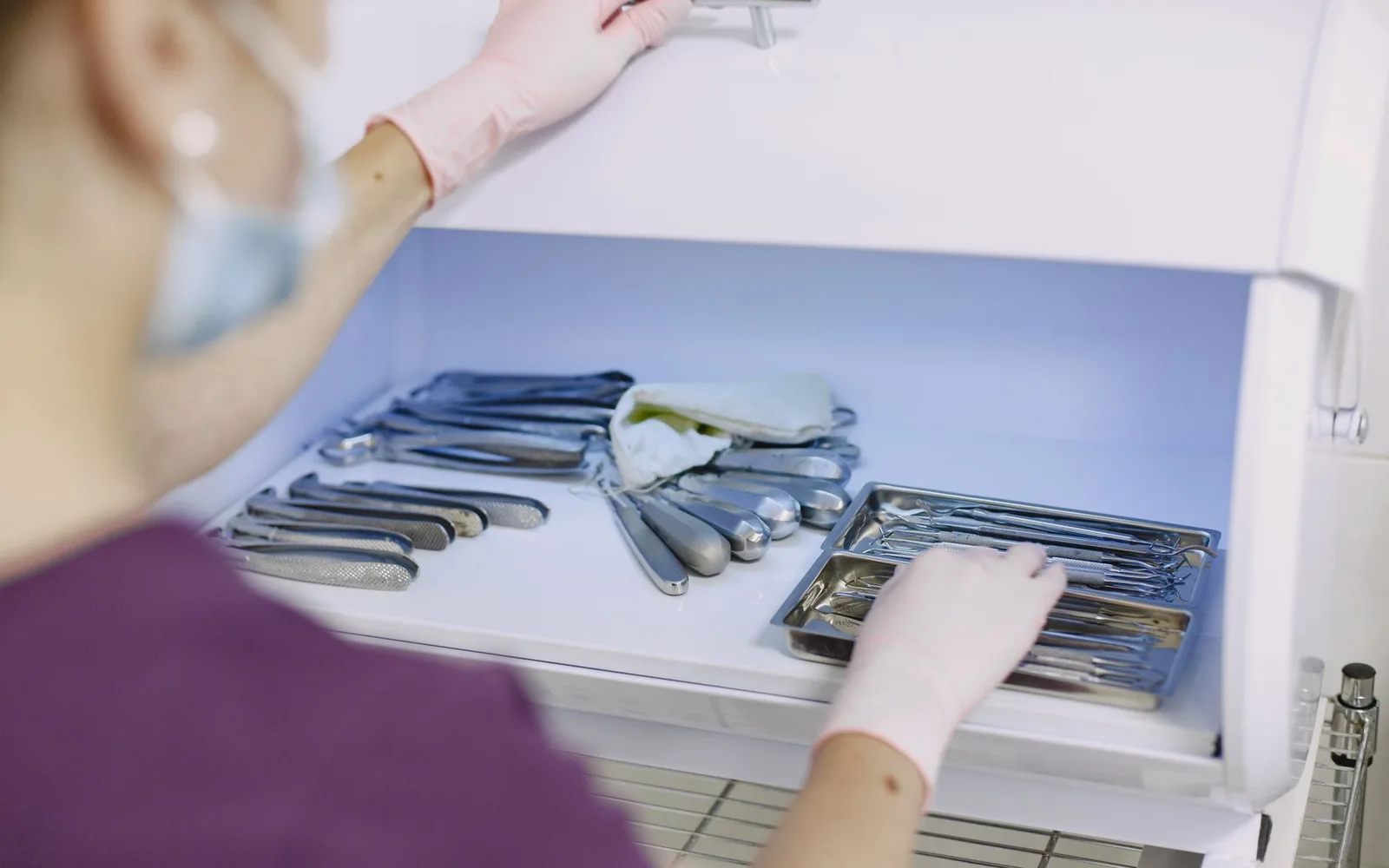
Water tank sterilization in Petromin Jeddah
Petromin is a popular quarter in south Jeddah next to the Jeddah oil refinery, built as part of the city's slum clearance programme. Housing and tanks were erected quickly and have received no regular maintenance. An oily haze from the refinery settles on tank surfaces and seeps through vents into the water supply.
-
Potable-rated materials
Linings and disinfectants cleared for drinking water tanks, not general-purpose products.
-
You get the downtime first
How many hours the tank is out of service, told before we start rather than after we finish.
-
A first-draw flush
We run the first draw off after refilling, and the tank is not handed back until the water runs clear.
-
Ground and roof tanks
Villas, apartment blocks and premises that need a written record of each visit.
Why the job is different in Petromin
Buildings and tanks date from approximately 2000 to 2010, and accumulation of oily deposits and particulates from refinery emissions is visible on every tank surface. The method is set out in full on the full Water tank sterilization page.
Tank surfaces fouled by oily refinery haze
Fine oily mist from the refinery settles on tank surfaces daily. The oil clogs vents and seeps into the tank, giving water an unpleasant taste and odour.
Short supply lines and basic construction
Housing was built rapidly so water lines are short and straightforward. However, pipe quality is modest and maintenance is sparse.
Continuous exposure to refinery pollutants
The nearby refinery provides a constant source of dust, oily particles and airborne compounds. Exposed tanks suffer this contamination every day throughout the year.
The character of Petromin
New development: ongoing construction and vacant plots between the homes
A new-development quarter beside the refinery means tanks face continuous exposure to external pollutants. Treatment here requires specialist oil-removing cleaning agents and may demand installation of sealed covers and filtered ventilation.
What we read inside the tank before anything starts
A popular quarter in south Jeddah beside the Jeddah oil refinery, built on land formerly known as Al Karantina (the old quarantine zone), with low-income housing constructed rapidly along a main street facing the refinery fence.
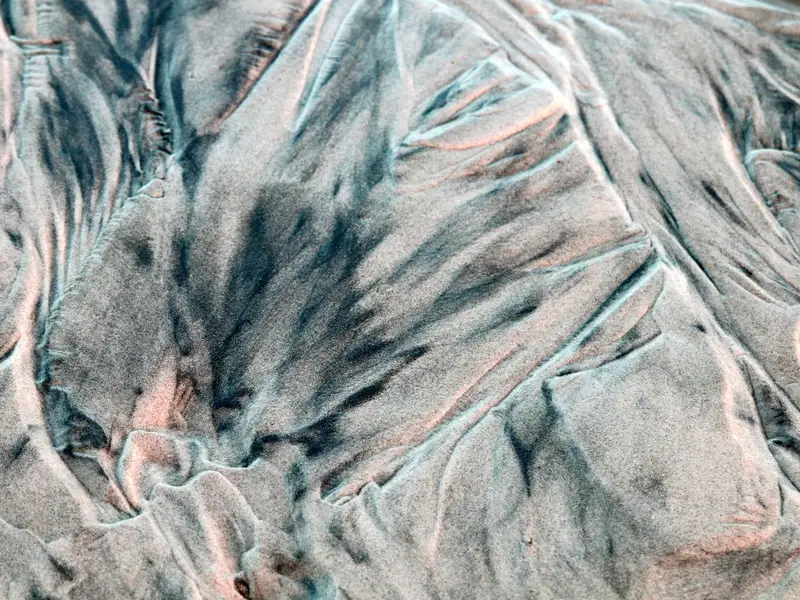
Sediment on the floor
Oily sediment and particulates deposit on the floor and walls from daily refinery emissions.
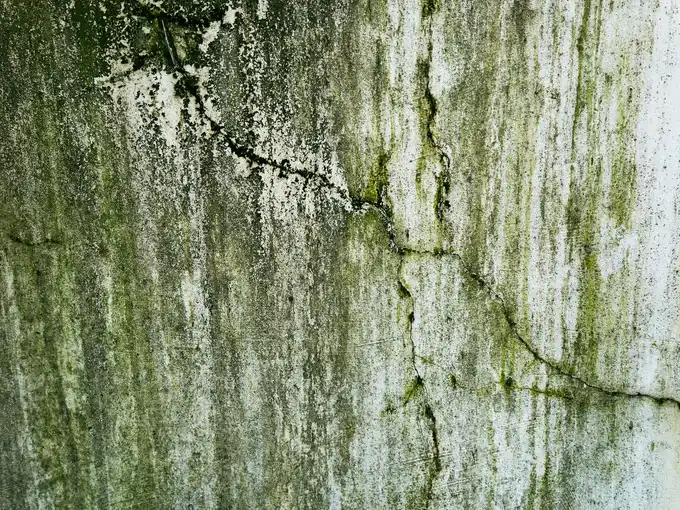
The slime film on the wall
Algae growth is sparse because oil inhibits it, but oil-loving bacteria flourish in oily conditions.
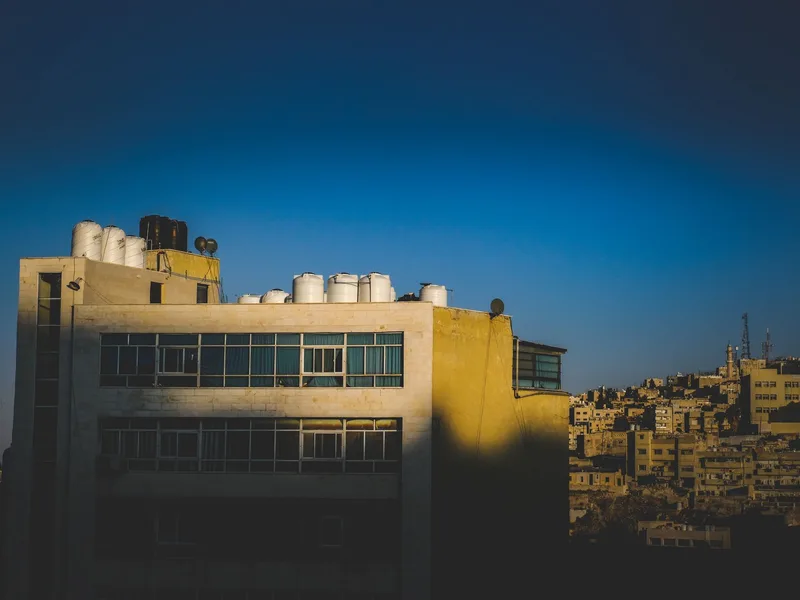
Light and heat
Supply lines from tank to homes may carry oily deposits and release unpleasant odour because source water was already fouled.
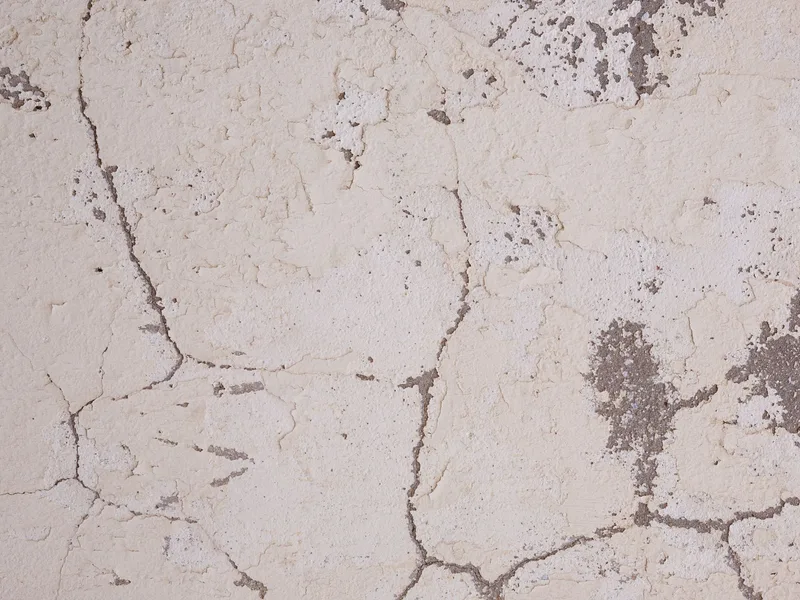
The lining and any cracking
Moisture levels are normal, but oily contaminants persist regardless and accumulate steadily.
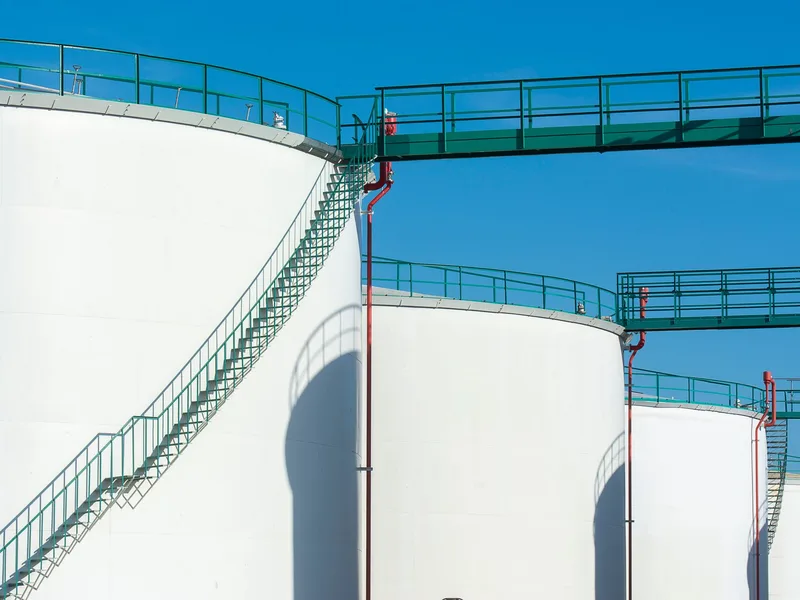
The lid and the openings
Main accumulation lies on the tank roof surface and around vents and inlets, not in deep internal zones.

What shows up at the tap
Visual inspection and smell reveal oil deposits easily, and unpleasant taste is a reliable indicator of ongoing oily contamination.
How we work
-
1
Inspect and record the condition
We open the hatch and work through what the tank is made of and how big it is, how deep the sediment lies, the state of the lining, whether the lid and the overflow seal, and whether there is a crack that has to be repaired before any sterilizing.
-
2
Drain and lift the sediment out
The water goes out, then the silt and sand are lifted off the floor by suction rather than pushed toward the outlet, because pushing them sends them into the house pipework and the heater.
-
3
High pressure wash
Walls, floor, corners and the area around the outlet, until the slime film is completely gone. This is the step that makes the sterilizing after it mean anything.
-
4
Sterilize, rinse, then return to service
The sterilizing agent goes onto the walls, the floor and the underside of the lid and is left for its contact time, then we rinse, refill and run the furthest tap until the whole line is clear.
What water tank sterilization includes
-

A recorded inspection
Material, capacity, sediment depth, the state of the lining, the lid and the overflow, all before any work begins.
-

Draining and sediment removal
The water out, and the silt and sand lifted off the floor instead of being pushed into the outlet and the house pipework.
-

High pressure washing
Walls, corners and around the outlet, until the biofilm that no disinfectant penetrates has gone.
-
Sterilizing the internal surfaces
A sterilizing agent meant for drinking water tanks, applied to the walls, the floor and the underside of the lid, and left for its contact time.
-

Line flush and aftercare
Rinse, refill and a flush from the furthest tap, when the water is usable again, and what to change in the filter afterwards.
-

The next cycle
We agree the right interval for your tank from how it is filled, how much sun it takes and the condition of the lid.
What is different about Al Jamiah Sub-Municipality
Al Jamiah sub municipality spans the older south of Jeddah. Planned districts such as Al Fayha, Al Thaghr and Madain Al Fahd sit beside crowded popular quarters like the Nazlahs and Al Quraiyat, and beside cleared or clearing land in Ghulail, Petromin and Al Thaalibah awaiting redevelopment. Apartment buildings stand close together above dense runs of shops and restaurants along Old Makkah Road and Prince Majid Road. Drainage in the popular quarters is ageing, humid air drifts in from the port and refinery side to the west, and the flat low lying ground holds rainwater in narrow streets.
Questions about this district
Does oily refinery haze actually contaminate the tank interior?
Yes, oil seeps through vents and pipe entries. Sterilization removes current contamination, but if refinery emissions continue, fouling gradually returns.
Do relatively new tanks here really need full sterilization?
Yes, because external pollutants from the refinery have entered tanks since construction and oily deposits accumulate continuously.
What makes sterilization costs higher in Petromin than in distant quarters?
Oily contaminants require specialist cleaning products and extended time to remove oily silt deposits.
Will one sterilization stop the oily smell from the refinery?
One treatment removes current oil accumulation, but refinery emissions will continue to gradually foul the tank.
Do Petromin tanks need tighter sealing than elsewhere?
Yes, a sealed cover and filtered ventilation significantly reduce oil and particulate entry.
How often is annual tank sterilization recommended in Petromin?
Twice per year is advised here because continuous refinery emissions constantly recontaminate the tank.
How much does water tank sterilization in Petromin cost?
It is set after the inspection, because the price follows the type of infestation, the size of the space, how far it has spread and the number of visits it needs. Send a photo and a description on WhatsApp and we will give you an estimate before we reach Petromin.
Nearby districts we cover
Other services in Petromin
Other services we provide to residents of Petromin.
-
 Water tanks
Water tank cleaning
-
 Water tanks
Water tank sealing
-
 Water tanks
Tank leak repair
-
 Residential
Cockroach control
Need water tank sterilization in Petromin? Tell us what you saw and we will tell you what it needs
We reach Petromin at a time we agree, and you get the full cost before we start.