
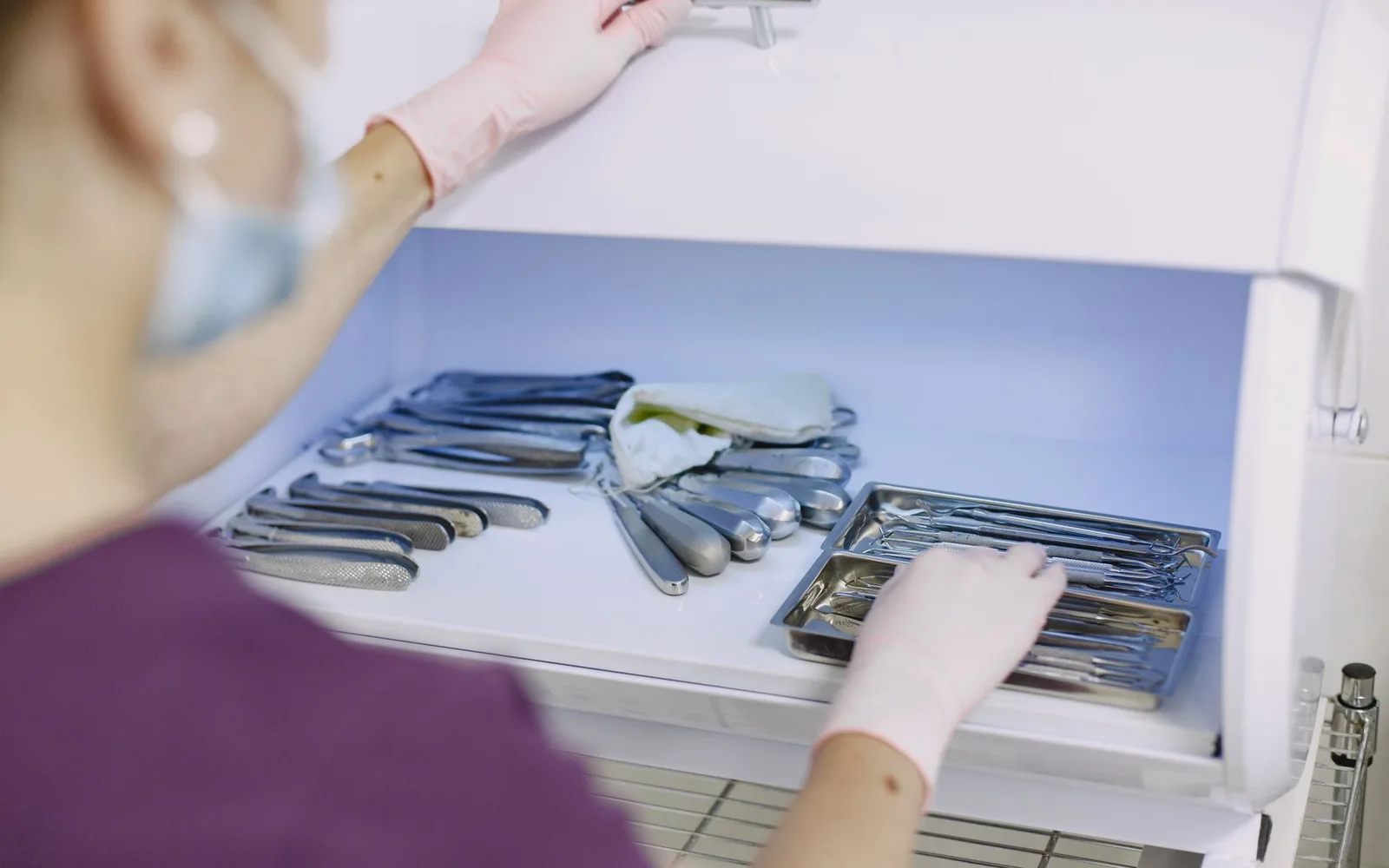
Water tank sterilization in Uhud Makkah
Uhud is a newly planned residential scheme north of Al Rashidiyah, lying between Al Jaranah Road and the Makkah to Taif expressway. Tanks here range from brand new in recently built houses to older units from earlier phases of development. Water travels through long pipelines from the main supply tank and sediment and algae can accumulate on floors and walls.
-
Potable-rated materials
Linings and disinfectants cleared for drinking water tanks, not general-purpose products.
-
You get the downtime first
How many hours the tank is out of service, told before we start rather than after we finish.
-
A first-draw flush
We run the first draw off after refilling, and the tank is not handed back until the water runs clear.
-
Ground and roof tanks
Villas, apartment blocks and premises that need a written record of each visit.
Why the job is different in Uhud
Houses in Uhud vary in age, some built years ago and others very recently. Tanks are affected by hard water and sand from wells and surface water sources. The method is set out in full on Water tank sterilization in detail.
New tanks with no initial sterilization
New houses in Uhud may come with tanks never sterilized. Sediment and dirt settle from the first fill, and algae begins to grow in still water.
Long pipelines from the main tank
Water travels a long distance from the main supply tank to scattered houses. Old pipes may be rusted inside and water carries rust particles and silt.
Hard water, sand and contaminants
Tanks here receive hard water containing sand and salt from wells. Sediment accumulates rapidly at the base and sterilization requires heavy washing before treatment.
The character of Uhud
New development: ongoing construction and vacant plots between the homes
Uhud is a new residential scheme with houses of varying ages and tanks of different sizes and materials. Sterilization here requires flexibility in handling both new and older tanks together, and some tanks may be installed in tight spaces inside houses.
What we read inside the tank before anything starts
A planned residential scheme north of Al Rashidiyah on Al Jaranah Road, between the Makkah to Taif expressway to the south, near Al Qubbah Mosque and Wadi Mudarraja channel.
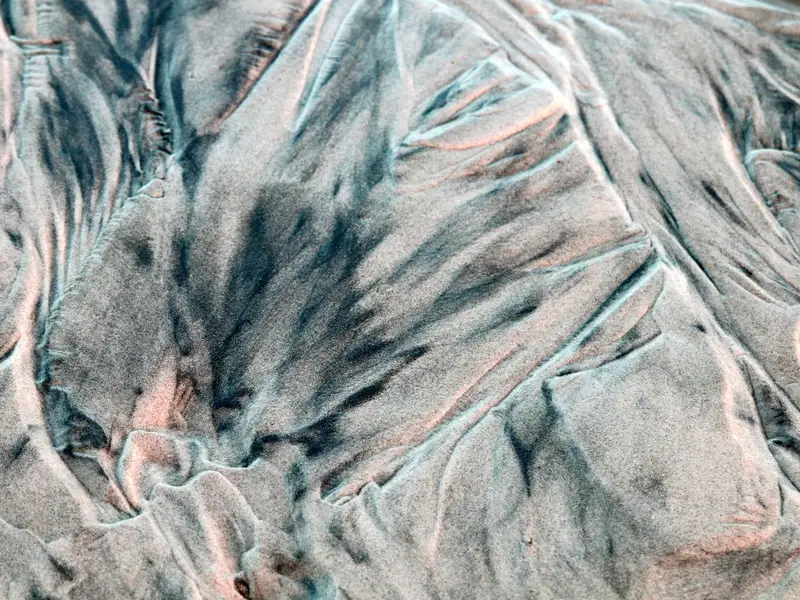
Sediment on the floor
Sediment and silt accumulate on the floor from hard water and sand, and high-pressure washing lifts this layer from the base.
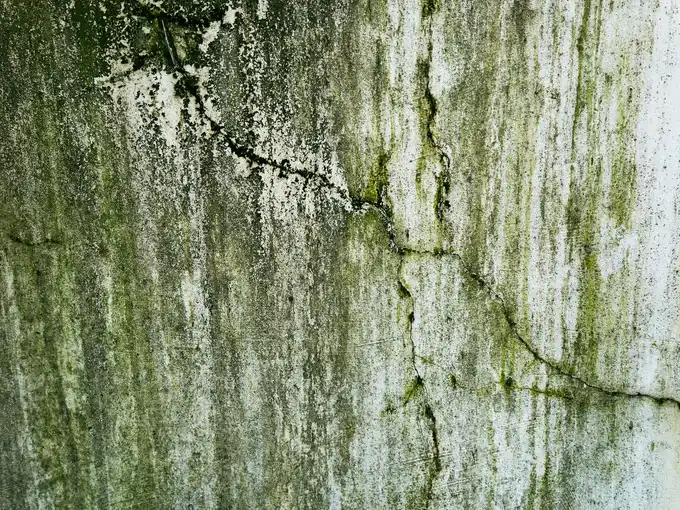
The slime film on the wall
Algae and green slime grow on tank walls in still, weakly lit water, and brushing and pressure washing remove it completely.
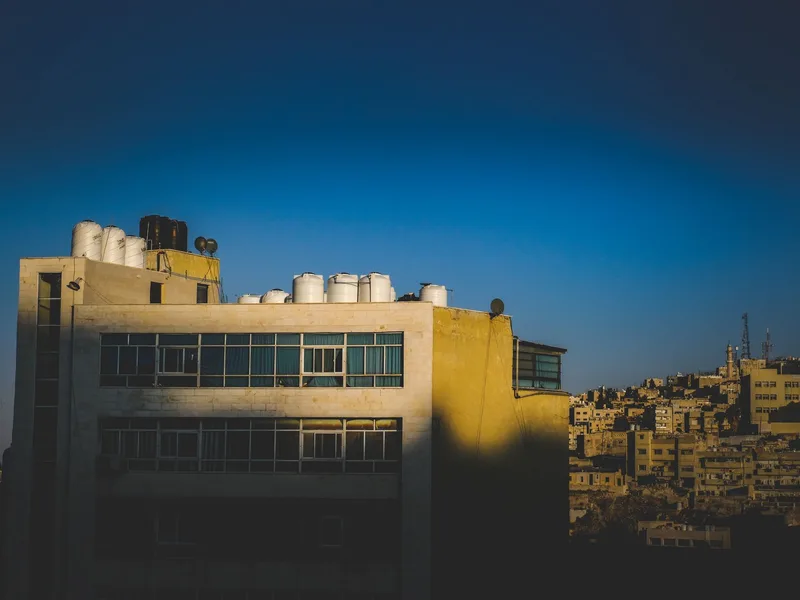
Light and heat
Long pipeline routes from the main supply tank transport the water, and refilling the tank tests the pipes for rust and blockages.
The lining and any cracking
Humidity inside the sealed tank is always high, helping algae and bacteria grow quickly if water is not sterilized.
The lid and the openings
Bacterial colonies form on walls, floor and internal pipes, and sterilizing agent reaches everywhere after thorough washing.

What shows up at the tap
Signs of contamination appear as water discoloration and algae or rust smell; visual inspection after emptying reveals all contaminants.
How we work
-
1
Inspect and record the condition
We open the hatch and work through what the tank is made of and how big it is, how deep the sediment lies, the state of the lining, whether the lid and the overflow seal, and whether there is a crack that has to be repaired before any sterilizing.
-
2
Drain and lift the sediment out
The water goes out, then the silt and sand are lifted off the floor by suction rather than pushed toward the outlet, because pushing them sends them into the house pipework and the heater.
-
3
High pressure wash
Walls, floor, corners and the area around the outlet, until the slime film is completely gone. This is the step that makes the sterilizing after it mean anything.
-
4
Sterilize, rinse, then return to service
The sterilizing agent goes onto the walls, the floor and the underside of the lid and is left for its contact time, then we rinse, refill and run the furthest tap until the whole line is clear.
What water tank sterilization includes
-

A recorded inspection
Material, capacity, sediment depth, the state of the lining, the lid and the overflow, all before any work begins.
-

Draining and sediment removal
The water out, and the silt and sand lifted off the floor instead of being pushed into the outlet and the house pipework.
-

High pressure washing
Walls, corners and around the outlet, until the biofilm that no disinfectant penetrates has gone.
-
Sterilizing the internal surfaces
A sterilizing agent meant for drinking water tanks, applied to the walls, the floor and the underside of the lid, and left for its contact time.
-

Line flush and aftercare
Rinse, refill and a flush from the furthest tap, when the water is usable again, and what to change in the filter afterwards.
-

The next cycle
We agree the right interval for your tank from how it is filled, how much sun it takes and the condition of the lid.
What is different about Al Sharai Sub-Municipality
Al Sharai is the eastern growth front of Makkah along King Faisal Road and the Taif road. Settled quarters sit beside recently renamed schemes where plots are still vacant and buildings are going up, so construction sites, fill and open excavations lie next to occupied homes. Wadi channels such as Wadi Mudarraja, Wadi Al Sharai and Wadi Al Mughammas carry flash floods after rain and dry out to damp silt, while dust blows off the open hills. Roadside shops, restaurants and warehouses line the Taif road, and to the east the area shades into villages, palm farms and springs.
Questions about this district
Why does a new tank need sterilization if it has never been used?
A new tank may contain dust and sand from the factory and transport. On first filling, water carries these contaminants and algae grows quickly in still water.
Is well water worse than municipal supply?
Yes, well water is usually harder and contains more sand and salt. Sediment builds up faster and the tank needs more frequent cleaning.
How many times a year should the tank be sterilized here?
In Uhud, where water is hard and contains contaminants, sterilization every six months is better than once yearly.
Do the long pipelines need separate cleaning?
Yes, we flush the pipes from the furthest tap after sterilizing the tank to remove sediment and rust from inside the lines.
Is a steel or concrete tank harder to sterilize?
Steel tanks rust inside and need stronger washing. Concrete absorbs water and may have fine cracks that trap contaminants.
Does sterilization remove the taste and smell from hard water?
Sterilization removes contaminants, bacteria and algae, but water hardness remains. If taste comes from salt and sand, high-pressure washing reduces it.
How much does water tank sterilization in Uhud cost?
It is set after the inspection, because the price follows the type of infestation, the size of the space, how far it has spread and the number of visits it needs. Send a photo and a description on WhatsApp and we will give you an estimate before we reach Uhud.
Nearby districts we cover
Other services in Uhud
Other services we provide to residents of Uhud.
-
 Water tanks
Water tank cleaning
-
 Water tanks
Water tank sealing
-
 Water tanks
Tank leak repair
-
 Residential
Cockroach control
Need water tank sterilization in Uhud? Tell us what you saw and we will tell you what it needs
We reach Uhud at a time we agree, and you get the full cost before we start.