
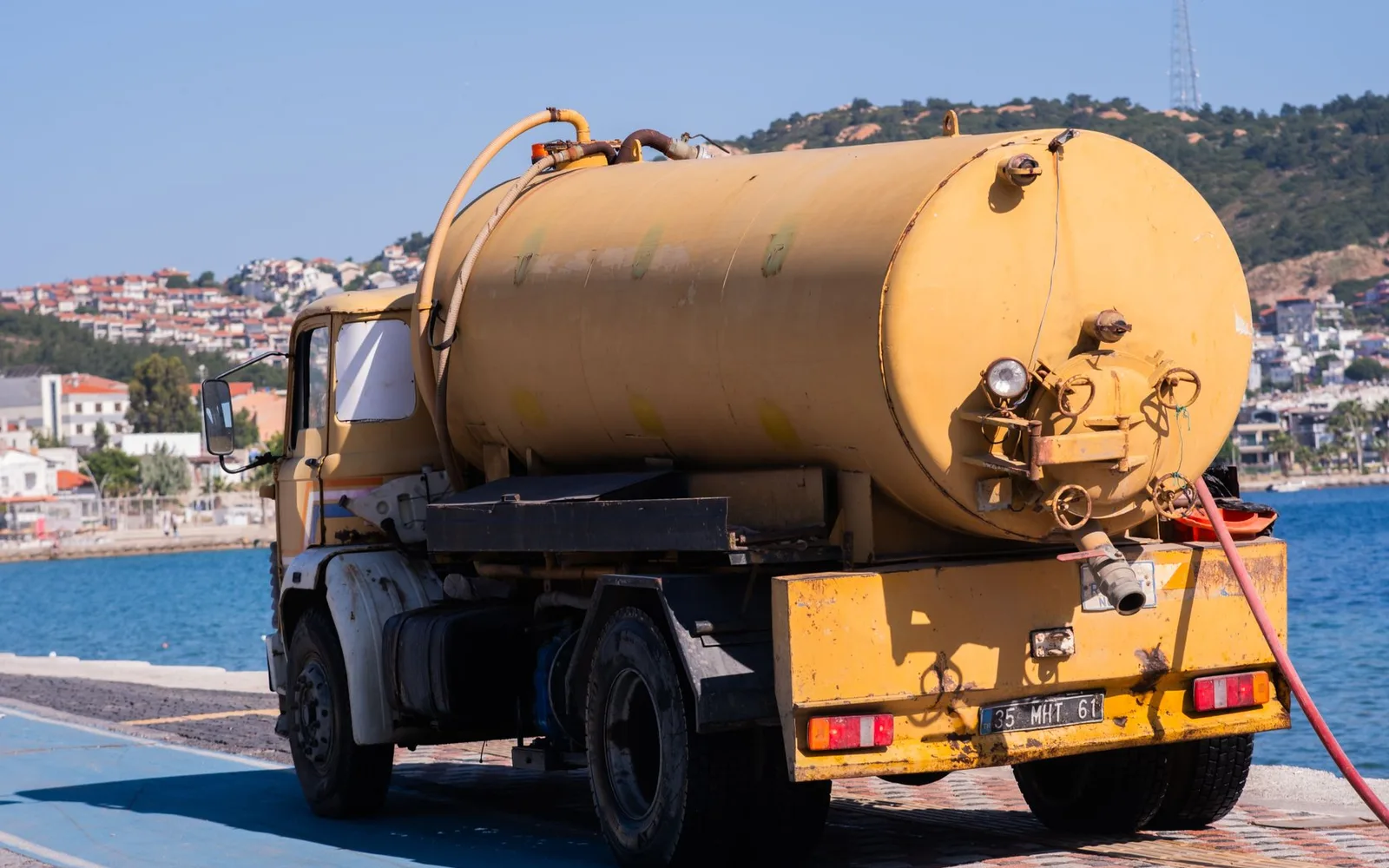
Water tank sealing in Uhud Makkah
Uhud is a new residential scheme north of Al Rashidiyah with scattered houses on planned plots. The buildings are newly constructed but tanks suffer cracks and leaks from poor build quality and hard alkaline water. Tank sealing prevents water loss, contamination and rust in new concrete and metal structures.
-
Potable-rated materials
Linings and disinfectants cleared for drinking water tanks, not general-purpose products.
-
You get the downtime first
How many hours the tank is out of service, told before we start rather than after we finish.
-
A first-draw flush
We run the first draw off after refilling, and the tank is not handed back until the water runs clear.
-
Ground and roof tanks
Villas, apartment blocks and premises that need a written record of each visit.
Why the job is different in Uhud
Houses are newly built and tanks are young but early leaks appear in fine cracks and joints between floor and wall seams. The method is set out in full on how we approach Water tank sealing.
New concrete tanks with weak seams
Tanks built recently in new houses were not properly sealed where floor meets wall. Fine cracks appear quickly under constant water pressure and seasonal expansion.
Alkaline water corrodes concrete and steel
Water in Uhud is hard and carries heavy minerals. Unsealed tanks corrode internally and salts accumulate on walls and floors.
New houses are closely spaced and access is tight
Houses sit on regular planned plots close together. Tank access is limited and rooftop work must not disturb neighbours.
The character of Uhud
New development: ongoing construction and vacant plots between the homes
A new residential area means houses and tanks are recently built but build quality is uneven. Tanks were not properly treated during construction and immediate sealing protects new concrete and metal from leak and contamination damage.
What we read before any material is opened
A new residential quarter north of Al Rashidiyah between Al Jaranah Road to the west and the Makkah to Taif expressway to the south, with planned plots, a mosque near Al Qubbah and Wadi Mudarraja running along the eastern edge.
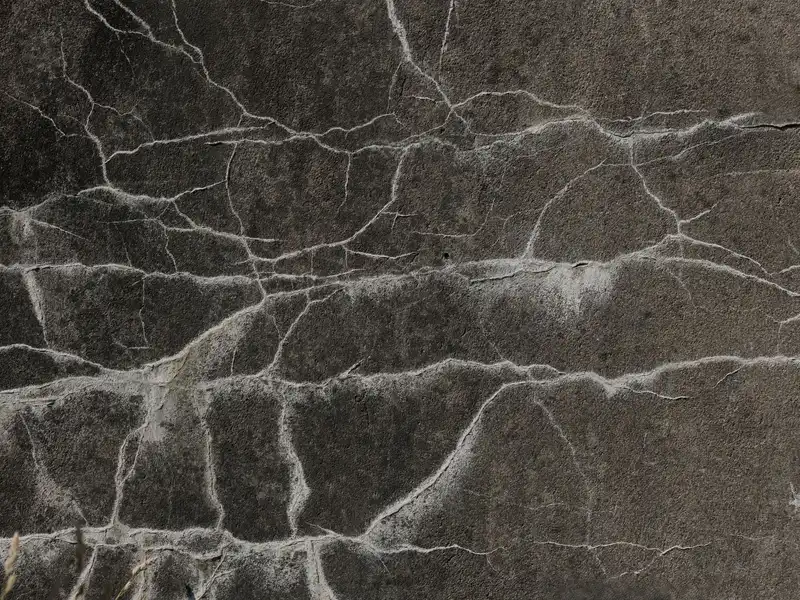
Cracking in the wall
New concrete surface has fine cracks and weak joints between floor and walls from improper build practices.
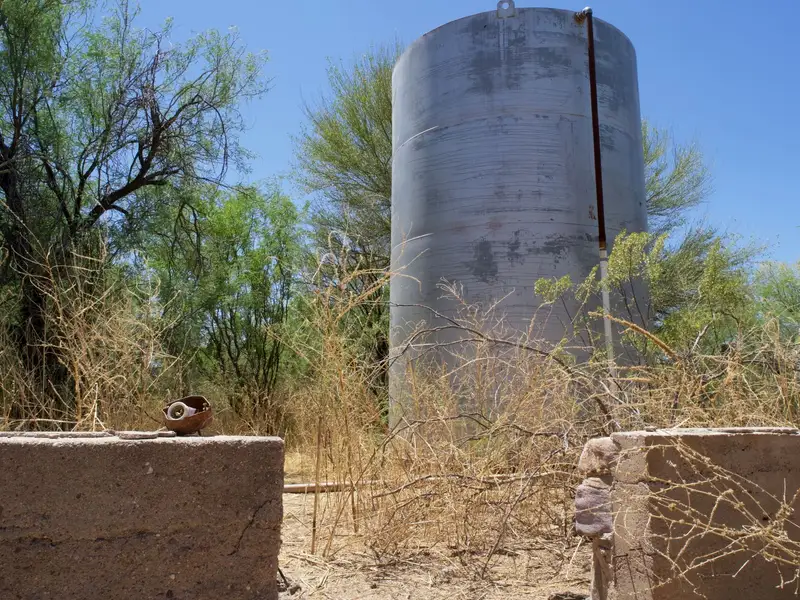
The floor to wall joint
Floor-to-wall joints and pipe entries need repair and filler before lining is built up.
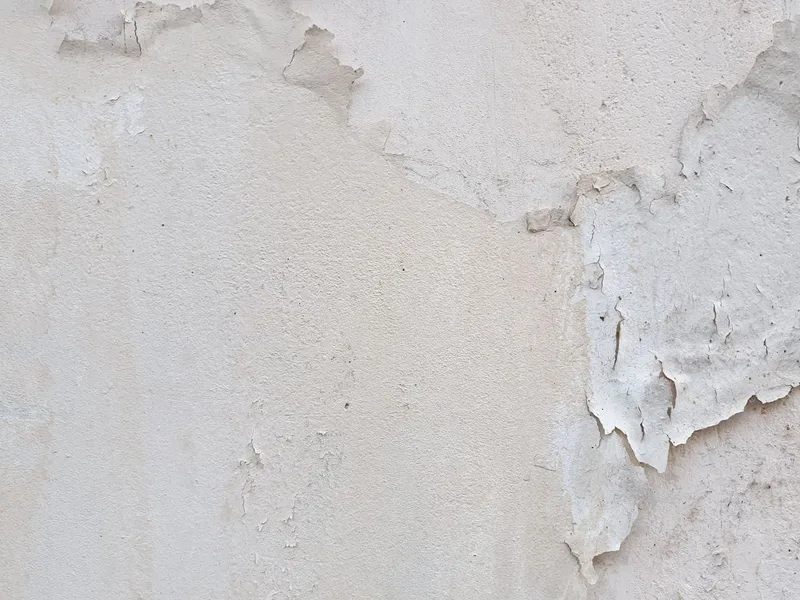
The condition of the old lining
Inlet, outlet and vent pipes were not tightly sealed during new construction and need careful inspection.
Sediment and scale
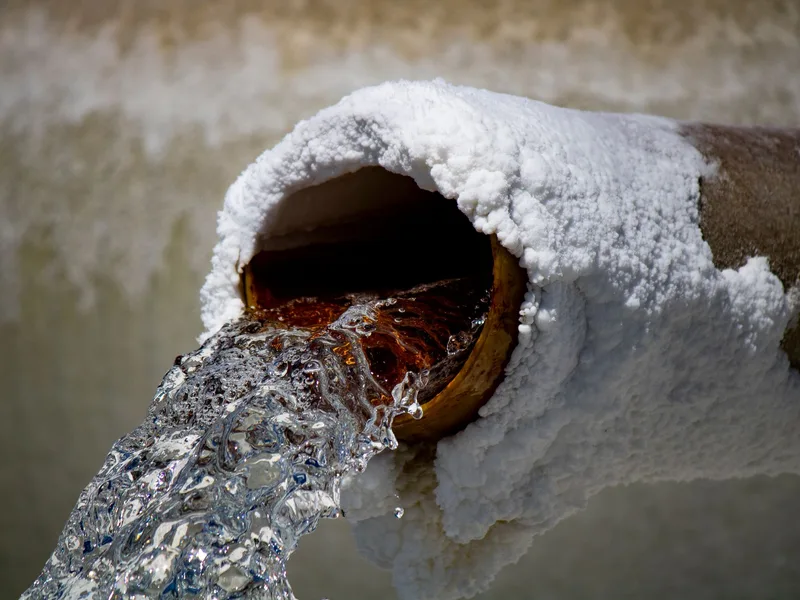
Moisture from hard water accumulates inside and mineral salts deposit quickly on unsealed tank surfaces.
The pipe entries
New concrete foundations and floors are sound but fine gaps and cracks provide leak pathways.
The hatch and the vent
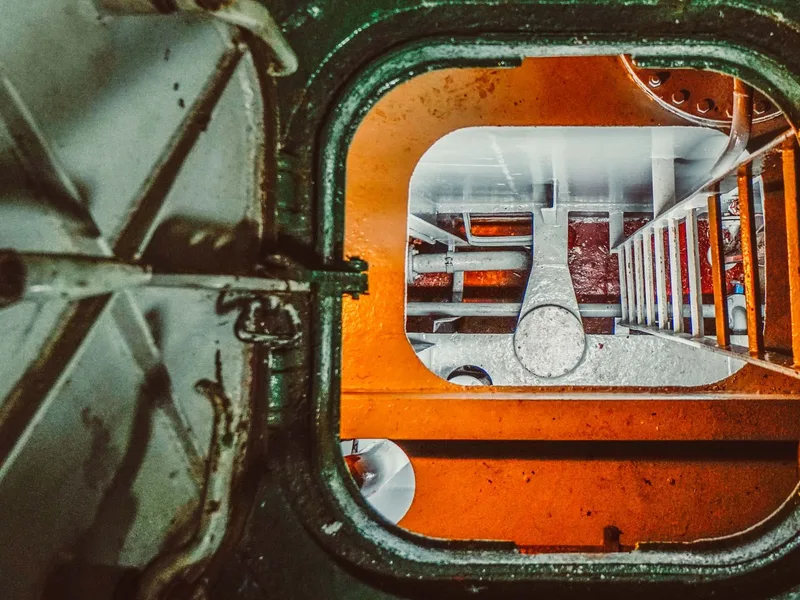
Water leaks appear from under the tank or external walls within weeks of continuous use.
How we work
-
1
Inspect with the tank empty
We drain it and read the surface dry: whether the water leaves through a crack, a joint or a pipe collar, and what the outer face of the wall and the ceiling below are telling us. A level test with the valves closed separates a leaking tank from leaking pipework.
-
2
Clean and prepare the substrate
Sediment out, a high pressure wash, the loose old lining and the weak surface layer of the concrete taken back, then dried. The material grips sound substrate and nothing else.
-
3
Make the cracks and joints good
Cracks are chased out and filled with a repair mortar, a cove is formed where the floor meets the wall, and every pipe collar is treated on its own.
-
4
Lining, fill test, sterilisation
Successive coats, each run across the one beneath it, on the face the water touches. Then a full cure, a fill with the level watched, and sterilisation with the first fill run to waste before the tank returns to use.
What water tank sealing includes
-

Finding where the water leaves
Carried out drained and dry: cracks, joints, pipe collars and the outer face of the wall.
-

Draining and sediment removal
The last of the water and the settled layer on the floor come out, because a lining does not stick over sediment.
-

Cracks and joints made good
The crack opened and filled, a cove formed at the floor to wall junction, and each pipe entry worked separately.
-

Lining coats on the water face
More than one coat, each crossing the one below, in material made for drinking water tanks rather than roof waterproofing.
-

Curing, fill test and sterilisation
The material is left to cure, the tank is filled and the level watched, then sterilised and the first fill run to waste. How long the cure takes follows the material and the weather, and we tell you before the date so you can plan around the supply.
-

A follow-up level check
We come back once it is in service to read the level and check the outer face, because any remaining loss shows up then rather than on the day of the work.
What is different about Al Sharai Sub-Municipality
Al Sharai is the eastern growth front of Makkah along King Faisal Road and the Taif road. Settled quarters sit beside recently renamed schemes where plots are still vacant and buildings are going up, so construction sites, fill and open excavations lie next to occupied homes. Wadi channels such as Wadi Mudarraja, Wadi Al Sharai and Wadi Al Mughammas carry flash floods after rain and dry out to damp silt, while dust blows off the open hills. Roadside shops, restaurants and warehouses line the Taif road, and to the east the area shades into villages, palm farms and springs.
Questions about this district
Should new tanks be sealed immediately after construction?
Yes. Newly built tanks contain fine cracks from improper joint treatment at build stage. Early sealing stops leaks and contamination.
Why do leaks appear at floor-to-wall joints?
Joints are not sealed during construction. Constant water pressure penetrates fine cracks and poorly sealed gaps.
Does the hard alkaline water in Uhud affect a sealed tank?
Proper sealing protects concrete and metal from the effects of hard water and mineral salts.
How often must a tank be resealed in new houses?
If sealed correctly it lasts 5 to 10 years. Regular inspection determines when spot repairs are needed.
Is there a difference between sealing a new tank and an old one?
A new tank is easier because the surface is cleaner and cracks are shallower. But the same repair and lining steps apply.
Does tank sealing stop chlorine smell?
Sealing does not remove chlorine but stops salt and silt buildup. Chlorine remains for water treatment.
How much does water tank sealing in Uhud cost?
It is set after the inspection, because the price follows the type of infestation, the size of the space, how far it has spread and the number of visits it needs. Send a photo and a description on WhatsApp and we will give you an estimate before we reach Uhud.
Nearby districts we cover
Other services in Uhud
Other services we provide to residents of Uhud.
-
 Water tanks
Water tank cleaning
-
 Water tanks
Water tank sterilization
-
 Water tanks
Tank leak repair
-
 Residential
Cockroach control
Need water tank sealing in Uhud? Tell us what you saw and we will tell you what it needs
We reach Uhud at a time we agree, and you get the full cost before we start.