

Annual contracts in Ajyad Makkah
Ajyad is the district of stacked hotels and residential blocks climbing the slopes south of the Grand Mosque, where kitchens and restaurants run day and night and a new intake of Umrah visitors arrives each season. An annual contract here plants numbered monitoring points in every building, hotel kitchen and restaurant, reading them at regular intervals on a schedule the client and building owner agree.
-
Targeted, not broadcast
Product goes into cracks and runways, never sprayed across open surfaces.
-
Told before we start
What we will use, where it goes, and what to cover or move before we arrive.
-
A follow-up visit
We return after the first treatment, because what survives it does not show on the day.
-
Homes and businesses
Apartments and villas, and kitchens and stores that need a record of each visit.
Why they keep coming back in Ajyad
Multi-storey blocks here share pipes and entrances and staircases, so an untreated infestation travels up fast from ground to roof. A single break in the chain affects every floor above it within days. The method is set out in full on how we approach Annual contracts.
Dense occupancy and central kitchens
Ajyad blocks hold restaurants and kitchens on the ground floors running day and night through the seasons, with waste and grease flowing into drains that are shared with the flats above. Numbered points monitor the kitchen exits and entry routes on every floor, catching the pest pressure before it reaches the apartments.
Ageing foundations and hillside fractures
Aged construction and pipes that run under the hillside slopes offer pathways for insects and rodents moving through the ground. The contract includes monitoring of underground entry points, foundation cracks and areas where the buildings butt against the geological slope at their rear.
Narrow lanes and poor air circulation
The cramped old lanes behind the blocks in Al Shubaikah and Al Tandabawi offer dark damp habitat and minimal air flow. Points in the lanes detect early activity and allow targeted treatment to stop spread into the buildings, rather than waiting for infestations to establish indoors.
Ajyad on the map
Ajyad sits about 0.5 km from Al Hajlah and about 2 km from Al Mansour.
Open in Google MapsWhat sets the shape of the contract
The character is rental apartment blocks and hotels for Umrah visitors standing shoulder to shoulder along Ajyad Street and Ibrahim Al Khalil Street. Behind them, narrow old lanes wind up hillsides where buildings and drains are ageing and the sewerage is shared.
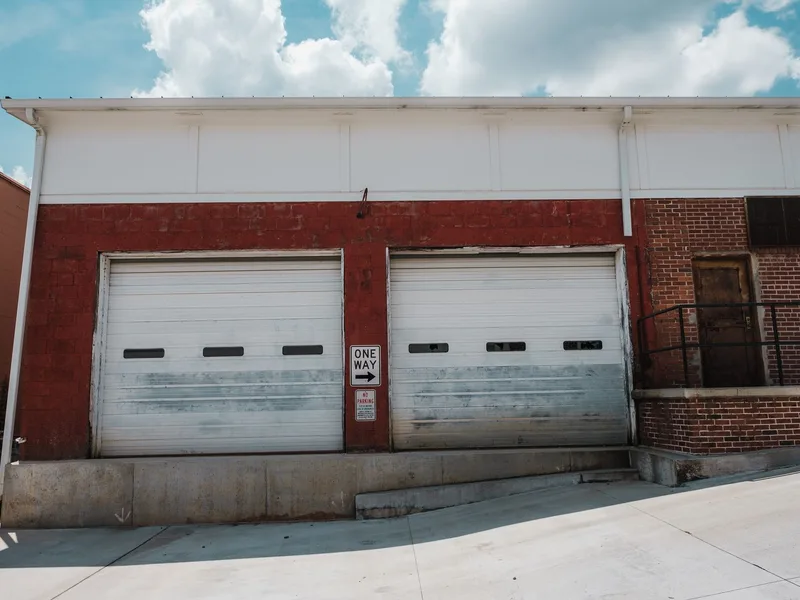
The goods-in door
The building entrance is agreed from the start as the main insect route. The first point sits at the entrance edge and the second near the ground store beside the stair, catching pests before they climb.
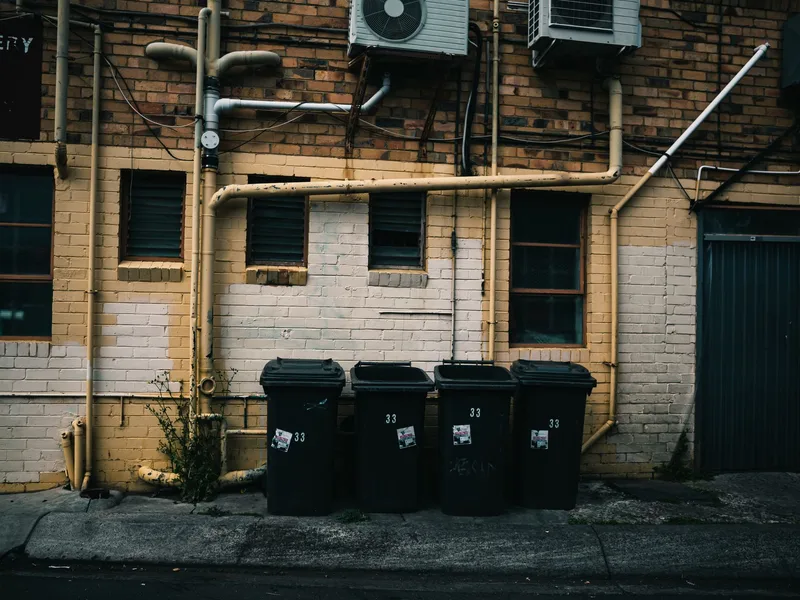
The waste area
The waste area in Ajyad usually sits behind the block or in a lane, and odour attracts flies and rodents from neighbouring restaurants. The point is placed at the waste collection spot and at ground cracks leading to the foundations.
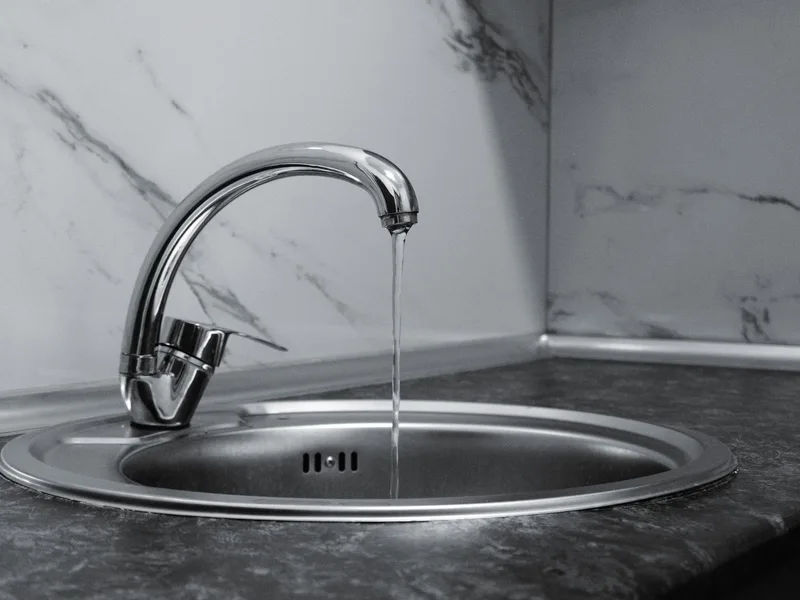
Drains and grease traps
Drain flow from kitchens and restaurants runs in pipes shared with the flats, so grease builds up and odours draw pests. Grease traps in the kitchen are checked and cleared as part of the visit.
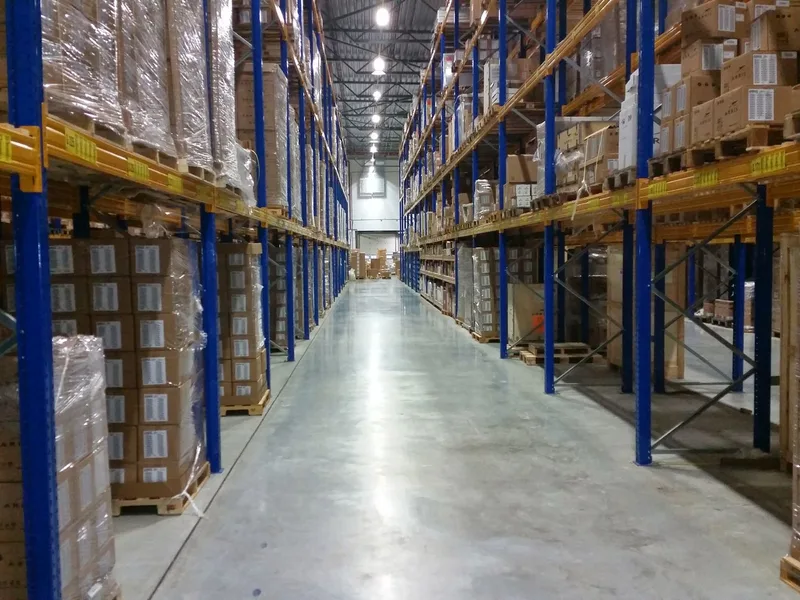
Dry store and pallets
The food store is usually in the basement or under the stair. The point there monitors foundation entry and damp from the walls. Broken food packaging leaves residue that draws insects from the kitchens above.
Fixed, numbered points
Fixed points are numbered on the building plan: one at the entrance, one in the kitchen, one in the store. Points are read in sequence at each visit and the report logs the time and finding at every location.

The file itself
The file aligns findings across visits to show the trend: is activity declining or rising? The old report is requested at municipal inspection to prove compliance with health standards.
How we work
-
1
Survey and risk assessment
We walk the building from the goods-in door through preparation, stores and washrooms, and record the species pressure, the entry routes, the moisture and which areas carry which level of risk.
-
2
The plan, the map and the frequency
We number the monitoring positions on a plan of the site, agree the visit frequency from what each area handles and how open the building is, and agree who receives and signs the report.
-
3
The scheduled visits
Every visit reads the same route, point by point, records the reading even when it is nil, and treats the area the reading calls for rather than the whole building.
-
4
Review and reading the trend
We read the visits together rather than one at a time: where the readings climbed, which corrective actions are still open, and whether an area needs more points or closer visits.
What the annual contract includes
-

Opening survey and site plan
A walk that fixes the risk areas and the entry routes, and a plan with the monitoring positions numbered before anything is installed.
-

Numbered monitoring points
Fixed positions on a set route, opened, read and logged every visit, and replaced when damaged.
-

Targeted treatment when called for
On the cracks, junctions and service areas the reading points to, and outside operating hours where that is needed.
-

Drains and waste areas
Floor gullies, grease traps and the ground around the containers on every visit, because that is the source that renews itself.
-

Report and corrective actions
After every visit: what was found, what was applied and where, and what the site needs to fix, such as a door gap or a missing drain cover.
-

Scheduled visits and visits in between
A schedule agreed in the contract, plus a visit when activity appears between two dates, logged like any other.
What is different about Ajyad Sub-Municipality
Ajyad sub municipality takes in the districts that press against the Grand Mosque from the south and west: Ajyad, Al Hajlah, Al Shubaikah, Al Tandabawi and Al Mansour. Hotels and rented apartment blocks for Umrah visitors stack up along Ajyad Street and Ibrahim Al Khalil Street, with kitchens and restaurants running aday and night in season. Behind them, Al Shubaikah and Al Tandabawi keep narrow old lanes on hillside ground where buildings and drains are ageing, and demolition and construction sites are a constant presence around Jabal Omar and the central zone.
Questions about this district
Can the kitchens and restaurants be separated from residential coverage?
No. One contract covers the whole building: apartments, restaurant, kitchen and food store together. The kitchen points are read first because they carry highest risk, then the residential floors. Waste collection is from a single point. Splitting them creates gaps where pests move between zones unseen.
Occupants turn over weekly. Does this affect the contract terms?
Yes. Rapid turnover and fast cleaning leaves residue in pipes and corners that harbours insects. The contract monitors fixed points, not individual flats. Stairwell and corridor points catch spread from one unit to the next. High occupancy churn means points must be read more often.
The lanes behind the blocks are pitch dark. Do we need monitoring there?
Yes. Cramped dark lanes are ideal harbouring for rodents and cockroaches which then crawl to the foundations. Points in the lanes are essential and read at every visit. Dampness and darkness mean higher activity, so readings are more sensitive.
Old pipes run under the hill. Can repairs be part of the contract?
Repairs are not included in the contract, but the report documents the condition. If cracks or seepage is found that attracts rodents, the report recommends repair before the season. Monitoring continues until the work is done.
Can we reduce visits in cold months?
Activity drops in winter but never stops, especially in restaurants and kitchens that run daily. The contract allows visit frequency to adjust with season and demand, but every point is read at every visit without exception.
If we find activity at one point, when is the next visit?
There is no fixed interval. The report is handed over showing what was found and recommending immediate steps. If damage is serious you can request an additional visit outside the schedule, but this is charged separately.
How much does annual contracts in Ajyad cost?
It is set after the inspection, because the price follows the type of infestation, the size of the space, how far it has spread and the number of visits it needs. Send a photo and a description on WhatsApp and we will give you an estimate before we reach Ajyad.
Nearby districts we cover
Other services in Ajyad
Other services we provide to residents of Ajyad.
-
 Residential
Cockroach control
Residential
Cockroach control
-
 Residential
Bed bug control
Residential
Bed bug control
-
 Residential
Termite control
Residential
Termite control
-
 Residential
Rodents and mice
Residential
Rodents and mice
-
 Residential
Mosquito control
Residential
Mosquito control
-
 Residential
Fly control
Residential
Fly control
-
 Residential
Ant control
Residential
Ant control
-
 Residential
Gecko control
Residential
Gecko control
-
 Residential
Scorpion control
Residential
Scorpion control
-
 Residential
Snake control
Residential
Snake control
-
 Residential
Flea control
Residential
Flea control
-
 Residential
Bird and pigeon control
Residential
Bird and pigeon control
-
 Residential
Preventive treatment
Residential
Preventive treatment
-
 Residential
Disinfection
Residential
Disinfection
-
 Commercial
Restaurants and cafes
Commercial
Restaurants and cafes
-
 Commercial
Hotels and apartments
Commercial
Hotels and apartments
-
 Commercial
Warehouses and factories
Commercial
Warehouses and factories
-
 Commercial
Schools and nurseries
Commercial
Schools and nurseries
-
 Commercial
Retail and malls
Commercial
Retail and malls
-
 Commercial
Rest houses and farms
Commercial
Rest houses and farms
-
 Commercial
Fumigation
Commercial
Fumigation
-
 Water tanks
Water tank cleaning
Water tanks
Water tank cleaning
-
 Water tanks
Water tank sterilization
Water tanks
Water tank sterilization
-
 Water tanks
Water tank sealing
Water tanks
Water tank sealing
-
 Water tanks
Tank leak repair
Water tanks
Tank leak repair
Need annual contracts in Ajyad? Tell us what you saw and we will tell you what it needs
We reach Ajyad at a time we agree, and you get the full cost before we start.