
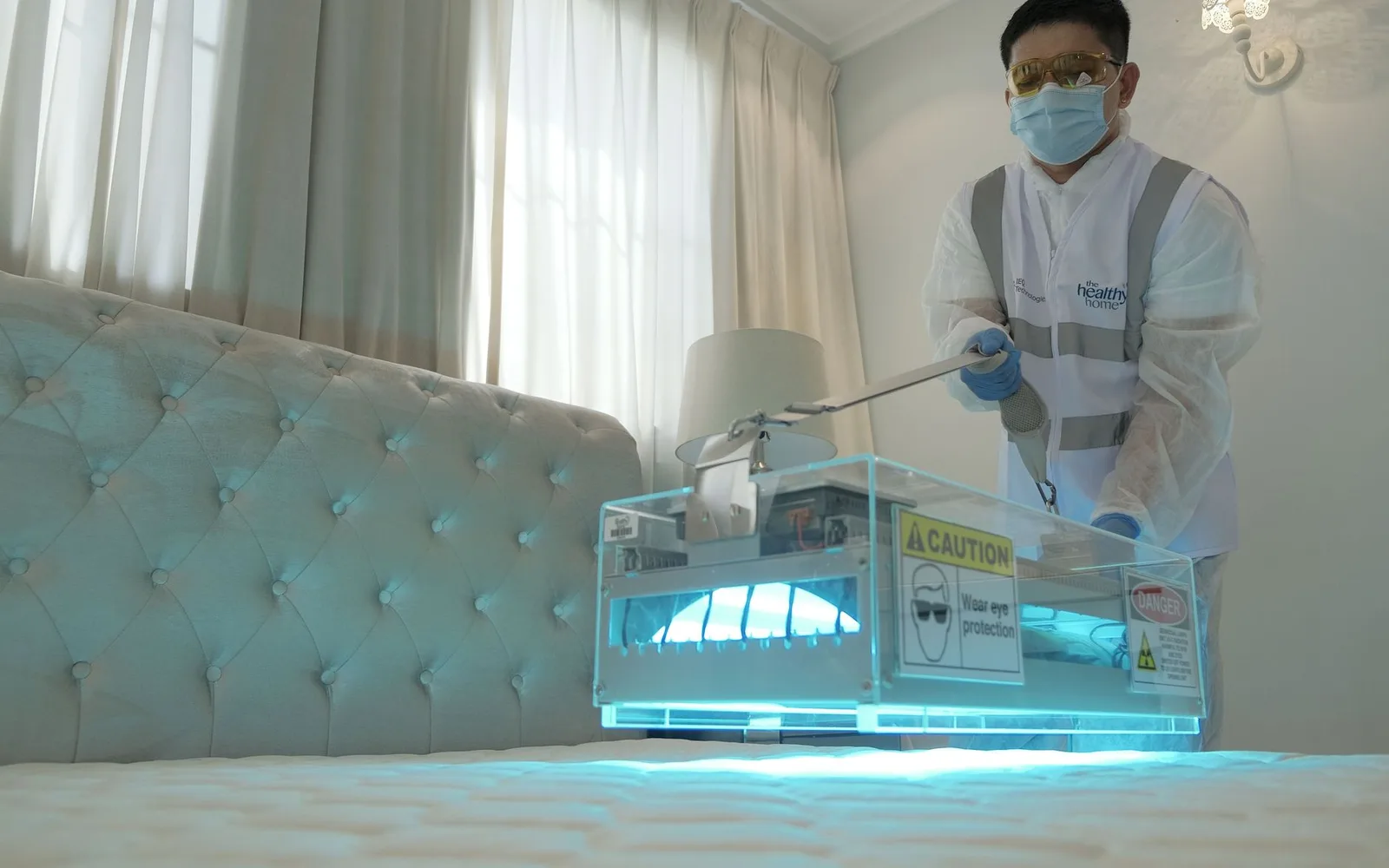
Hotels and apartments in Al Haram Makkah
Al Haram is a commercial zone wrapped around the Grand Mosque itself, with hotel towers, markets and eateries and a stream of pilgrims through every month. The offices and shops below the towers close in off-season for weeks or months at a time, and insects settle and breed in the dark unattended storerooms. One store closes and reopens to an infestation from nowhere.
-
Targeted, not broadcast
Product goes into cracks and runways, never sprayed across open surfaces.
-
Told before we start
What we will use, where it goes, and what to cover or move before we arrive.
-
A follow-up visit
We return after the first treatment, because what survives it does not show on the day.
-
Homes and businesses
Apartments and villas, and kitchens and stores that need a record of each visit.
Why they keep coming back in Al Haram
The corner shop opens to customers for six months of the year and stays locked tight for the other six, and cockroaches and rats don't wait for the doors to open again. The method is set out in full on our Hotels and apartments service.
Storerooms stay shut and dark for months
A small shop beneath a hotel tower locks after season ends and old stock may lie in the corner forgotten. Cockroaches, rats and ants settle in the abandoned inventory and breed undisturbed in the dark. Treating the shop alone doesn't stop it: we inspect the inventory and the voids under the racking and behind the counters.
Food and restaurants surround the office blocks
Real commercial offices open onto streets lined with cafes, eateries and shops. Cockroaches arrive from the restaurant below or next door and climb through the pipes and partition gaps. Treating the office alone won't stop them: we identify the food source first, below or beside, before we treat.
Open construction sites collect rodents nearby
Excavated ground from new schemes and abandoned building sites shelter rats and mice. These animals migrate into shops and offices hunting food. Treating the inside matters, but a barrier around the building perimeter is necessary for lasting protection against entry.
The character of Al Haram
Commercial area: offices, showrooms and small stores
The commercial shop in Al Haram may close for weeks or months, and insects don't clock out. We treat the storeroom and inventory as we would a hotel room: locate every seam and void, treat everything, then inspect on a hatch date before the shop opens for business again.
What we check in the room, and behind it
A commercial district bounded by Jabal Abu Qubais and Jabal Qaiqaan, with busy markets and eateries crowding Al Masjid Al Haram Road and Umm Al Qura Road. Excavated ground and open construction sites from the northern expansion and Rua Al Haram scheme sit alongside working shops and hotels.
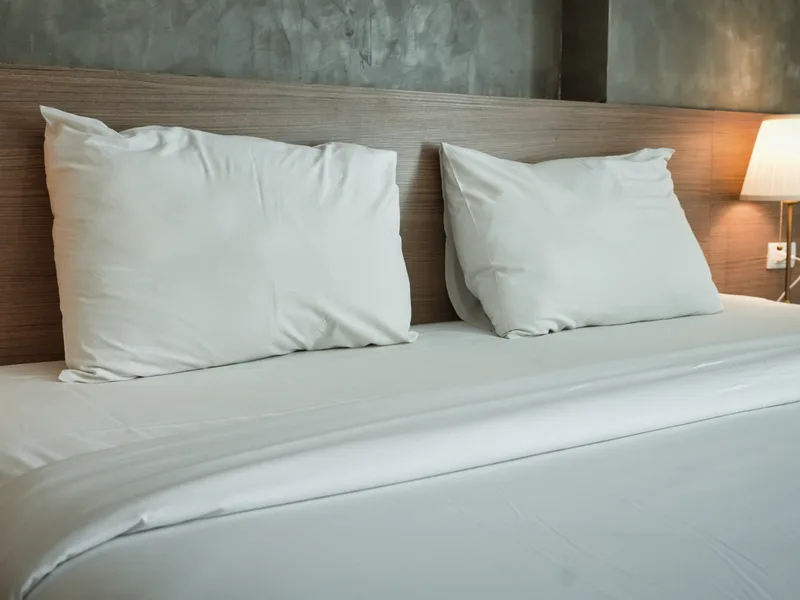
Mattress and base seams
The shop may store a used mattress from old guests or in the back stock, and bed bugs will sleep inside it for weeks.
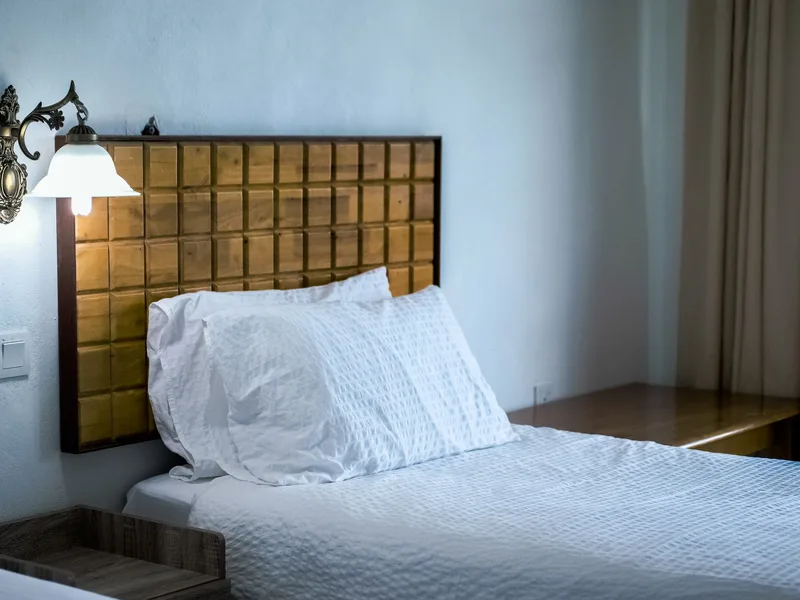
The headboard
A headboard is rare in a commercial space, but if there is a visitor's bed the void behind it is an ideal hiding place.
The rooms either side
The adjoining space may be another shop or a storage room, and insects move through the shared wall and openings.
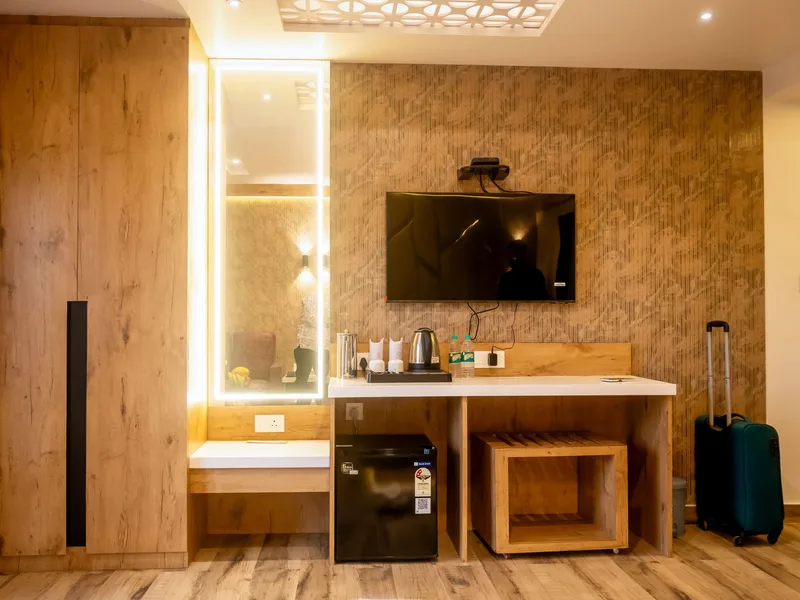
The luggage stand and wardrobe
Storage racks or luggage stands in the storeroom gather insects, especially if there are second-hand goods.
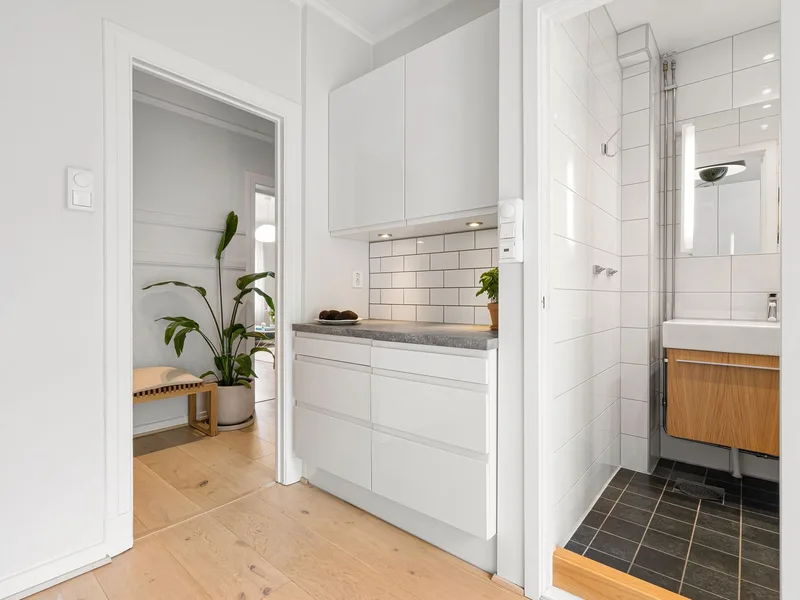
The kitchenette in a unit
A small kitchen or water and coffee service in a commercial office attracts cockroaches and ants more than anywhere else.
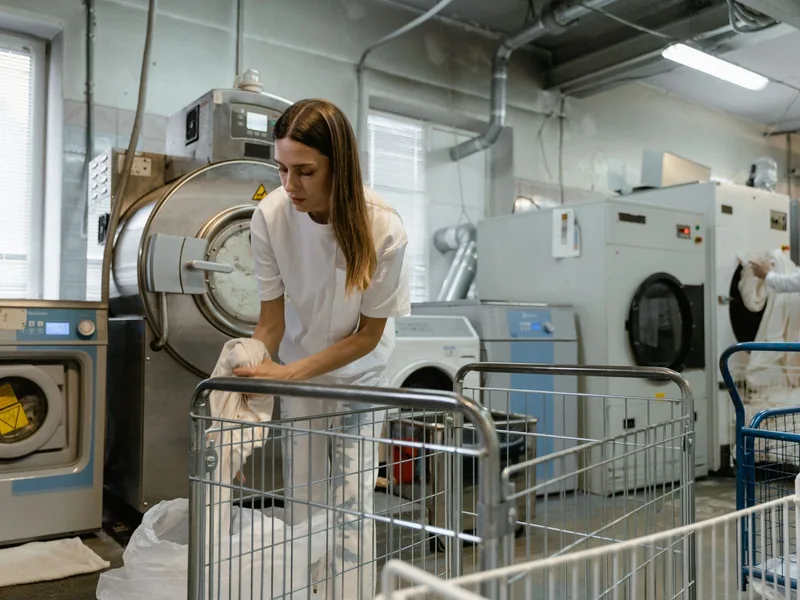
Laundry and the waste room
Shared wash rooms and toilets in the commercial building generate moisture that draws insects, especially if ventilation is poor.
How we work
-
1
Walk the floor, room by room
We start from what the staff reported, open the beds, lift the headboards and check the rooms either side and the ones above and below, then mark each room as affected, adjacent or clear.
-
2
Treatment outside occupied hours
Seams are vacuumed first, then steam or a targeted application goes onto the seams and joints, dust into the frame voids and behind the skirting, and gel bait through the kitchens and service areas. Nothing is broadcast over soft furnishings.
-
3
Sealing, and the operating routine
We close the skirting gap, the pipe penetration and the gap under the service corridor door, then agree with the staff that linen is bagged inside the room itself, and what gets reported the moment it is seen.
-
4
Follow-up, and putting the room back
We come back once the remaining eggs have hatched, read the monitors and open the bed a second time. A room returns to service on the result of that inspection, and the room number and both dates go into the log.
What the hotel and apartment programme includes
-

A recorded room by room inspection
Beds opened, headboards lifted, neighbouring rooms checked, and the state of every room number recorded before anything is applied.
-

Treatment of the beds and seams
Vacuuming, then a targeted application on mattress and base seams, frame joints and behind the skirting, never across the open surfaces of the room.
-

Bait and points in the service areas
Gel bait and numbered monitoring positions through the kitchen, the stores and the service corridors, read and logged on every visit.
-

Drains, laundry and waste
Floor gullies, the grease trap, the laundry and the ground around the containers, because that is the source that renews itself daily.
-

Room release and staff guidance
What is covered and cleared before we go in, the ventilation time we set for each case, and what the staff look for when they strip a bed.
-

A timed follow-up and a room log
A second visit timed to the hatch, monitors read, and a record carrying the room number, the date of each visit and what was found.
What is different about Al Ghazza Sub-Municipality
Al Ghazza sub municipality wraps around the north and west of the Grand Mosque, from Al Shamiyah, Al Qararah and Shaib Amir round to Jarwal and Al Taysir. Large tracts were cleared for the northern expansion and the Rua Al Haram scheme, leaving excavated ground and open construction sites beside ageing blocks that now serve as dense seasonal lodgings in Jarwal and Al Taysir. Old flood paths still fall from Jabal Qaiqaan and Jabal Khandamah towards the mosque, and markets and eateries crowd Al Masjid Al Haram Road and Umm Al Qura Road.
Questions about this district
Must a commercial shop be treated before opening after a long closure?
Yes, absolutely. If the inventory or voids were infested before closing, insects settle and breed in the darkness without visitors. We inspect two weeks before reopening and treat if needed.
Do cockroaches in a restaurant below climb into the office above?
Yes, readily. Pipes and partition gaps connect them. We don't treat the office alone: we find the food source first and coordinate treatment between floors.
Are excavated sites outside the building the landlord's responsibility or ours?
Rodents from construction sites may enter the building. We recommend a perimeter barrier around the base and the openings, and the owner must clear the sites. We treat what has entered and advise on the external barrier.
Does a basement storeroom need separate treatment from the offices above?
Yes. The basement is darker, damper and more isolated. The pest community is different there, often more rodent than cockroach. We treat each floor according to its conditions.
Is the shop owner or the building owner responsible for treatment?
Usually the owner provides the building's regular treatment programme, and the shop keeps its own spaces clean. We work with the owner but advise the shop on daily hygiene and sealing gaps.
How often does a commercial shop in Al Haram need pest treatment annually?
If open to customers in season only: treatment before opening, then monthly. If open year-round: monthly or two-monthly depending on pressure and the trade.
How much does hotels and apartments in Al Haram cost?
It is set after the inspection, because the price follows the type of infestation, the size of the space, how far it has spread and the number of visits it needs. Send a photo and a description on WhatsApp and we will give you an estimate before we reach Al Haram.
Other services in Al Haram
Other services we provide to residents of Al Haram.
-
 Residential
Cockroach control
Residential
Cockroach control
-
 Residential
Bed bug control
Residential
Bed bug control
-
 Residential
Termite control
Residential
Termite control
-
 Residential
Rodents and mice
Residential
Rodents and mice
-
 Residential
Mosquito control
Residential
Mosquito control
-
 Residential
Fly control
Residential
Fly control
-
 Residential
Ant control
Residential
Ant control
-
 Residential
Gecko control
Residential
Gecko control
-
 Residential
Scorpion control
Residential
Scorpion control
-
 Residential
Snake control
Residential
Snake control
-
 Residential
Flea control
Residential
Flea control
-
 Residential
Bird and pigeon control
Residential
Bird and pigeon control
-
 Residential
Preventive treatment
Residential
Preventive treatment
-
 Residential
Disinfection
Residential
Disinfection
-
 Commercial
Annual contracts
Commercial
Annual contracts
-
 Commercial
Restaurants and cafes
Commercial
Restaurants and cafes
-
 Commercial
Warehouses and factories
Commercial
Warehouses and factories
-
 Commercial
Schools and nurseries
Commercial
Schools and nurseries
-
 Commercial
Retail and malls
Commercial
Retail and malls
-
 Commercial
Rest houses and farms
Commercial
Rest houses and farms
-
 Commercial
Fumigation
Commercial
Fumigation
-
 Water tanks
Water tank cleaning
Water tanks
Water tank cleaning
-
 Water tanks
Water tank sterilization
Water tanks
Water tank sterilization
-
 Water tanks
Water tank sealing
Water tanks
Water tank sealing
-
 Water tanks
Tank leak repair
Water tanks
Tank leak repair
Need hotels and apartments in Al Haram? Tell us what you saw and we will tell you what it needs
We reach Al Haram at a time we agree, and you get the full cost before we start.