
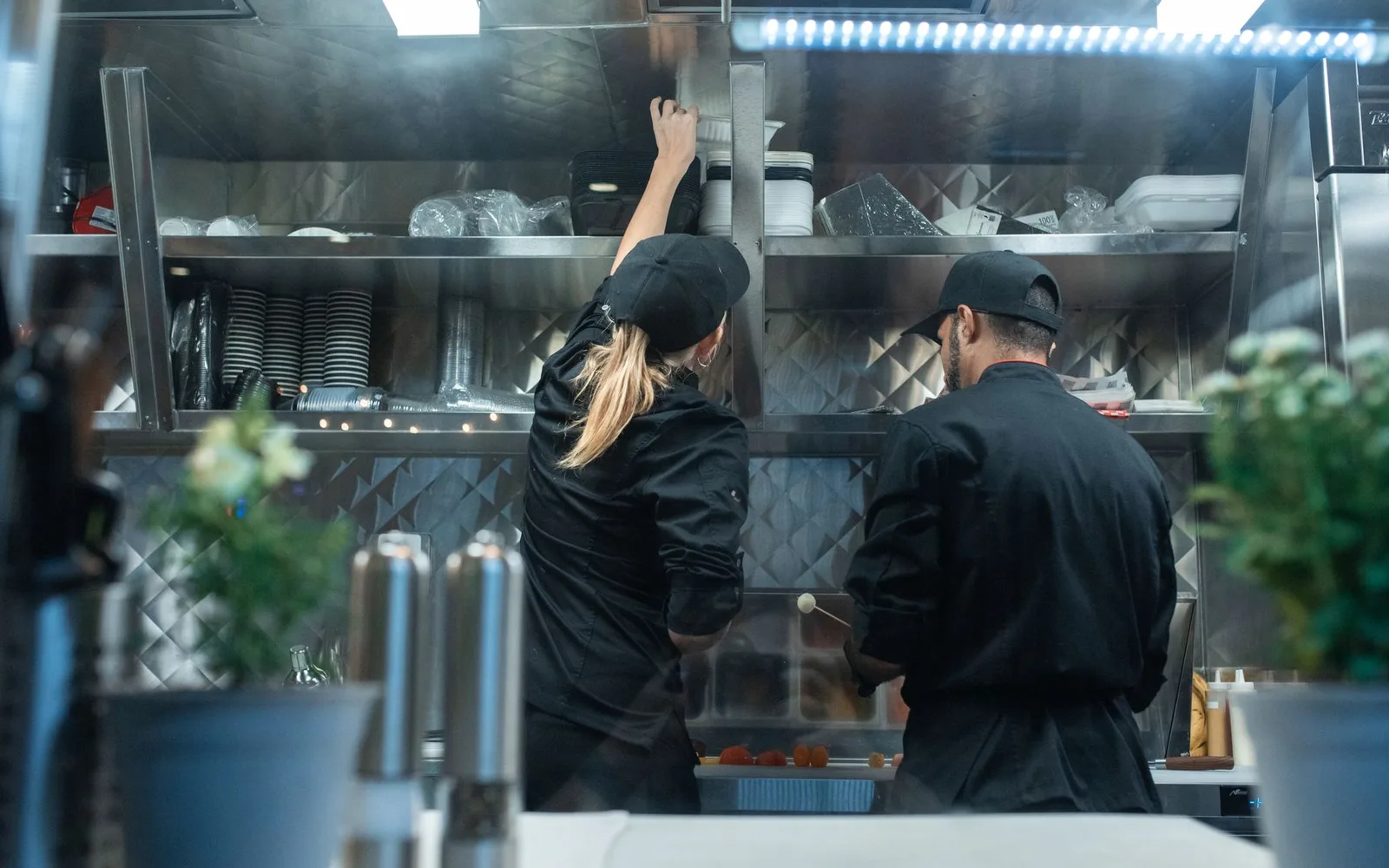
Restaurants and cafes in Al Haram Makkah
Al Haram surrounds the Grand Mosque with hotel towers and market arcades that swallow thousands of pilgrims and Umrah visitors each day. Kitchens and cafes here move food and waste in enormous volumes, and the unbroken stream of people carries insects from outside the zone continually.
-
Targeted, not broadcast
Product goes into cracks and runways, never sprayed across open surfaces.
-
Told before we start
What we will use, where it goes, and what to cover or move before we arrive.
-
A follow-up visit
We return after the first treatment, because what survives it does not show on the day.
-
Homes and businesses
Apartments and villas, and kitchens and stores that need a record of each visit.
Why they keep coming back in Al Haram
The small cafes and eateries in the arcades and markets all share common drains and back passages, and waste accumulates rapidly from the constant flow of pilgrims and visitors. The method is set out in full on the full Restaurants and cafes page.
Shared infrastructure in the market arcades
Restaurants and cafes in the commercial spines share drains, back exits and service yards. The gaps between neighbouring shops are very narrow and insects crawl easily between them from one unit to the next.
Constant flow of transient visitors
Thousands of people pass through the plazas and arcades daily, eating and purchasing and leaving waste behind. Insects arrive with bags, clothing and takeaway food from outside the zone throughout the year, and many settle before they leave.
Demolition and construction sites nearby
Ongoing demolition and rebuild work around Jabal Omar and the central zone create large excavations and open ground. The loose earth and voids attract insects and rodents which spread outward into the shops when the sites stand idle at night.
The character of Al Haram
Commercial area: offices, showrooms and small stores
Commercial zones round the Haram cannot hold large stocks or wait for deliveries to pass through. Everything enters and leaves at speed, so insects arrive with incoming supplies and depart with waste streams.
The places that decide the programme
A high density commercial zone with crowded retail spines, soaring hotel towers, and marble and stone floors in the plazas and passages that connect them.
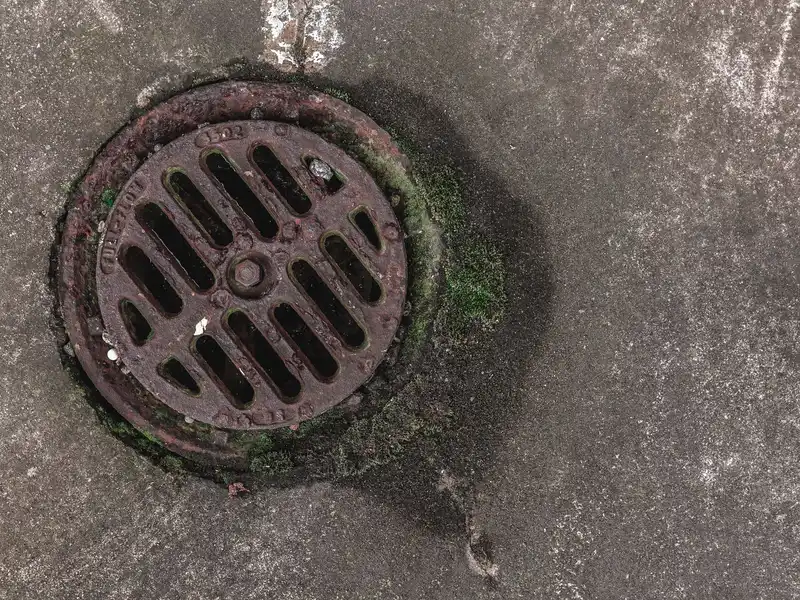
Gullies and the grease trap
The grease trap and drains in the market arcades are shared and hidden beneath marble, requiring specialist access and one-way barriers at drain openings in each unit.
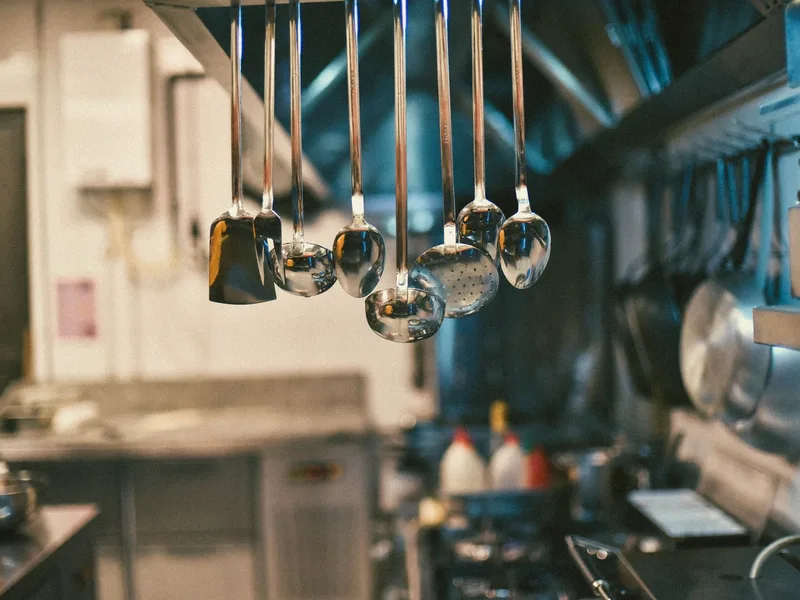
The cooking line and plinths
Cooking lines in the small shops often open directly onto the arcade passage, equipment is often old with numerous gaps around pipes and electrical runs to be sealed.
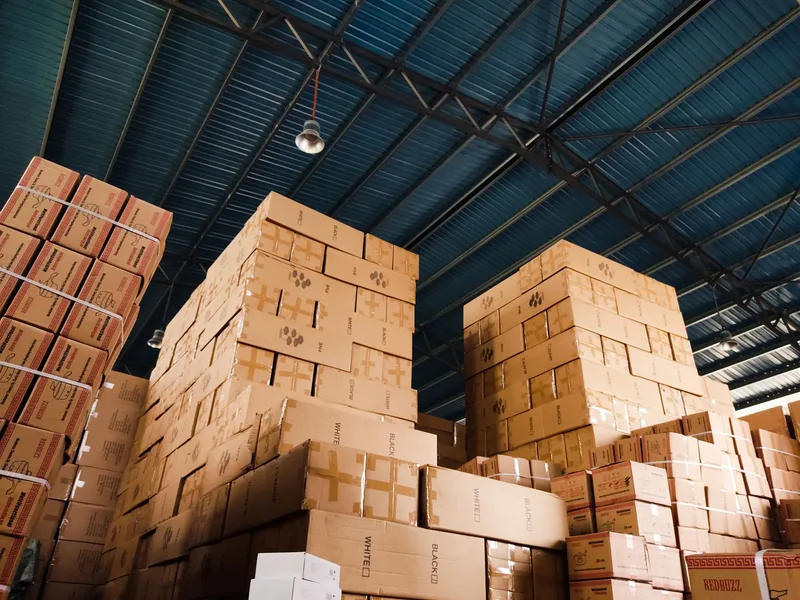
Cardboard at goods inwards
Cardboard deliveries arrive in huge volumes from the busy street and may already carry insects before they reach the shop, so rapid inspection and immediate disposal are essential.
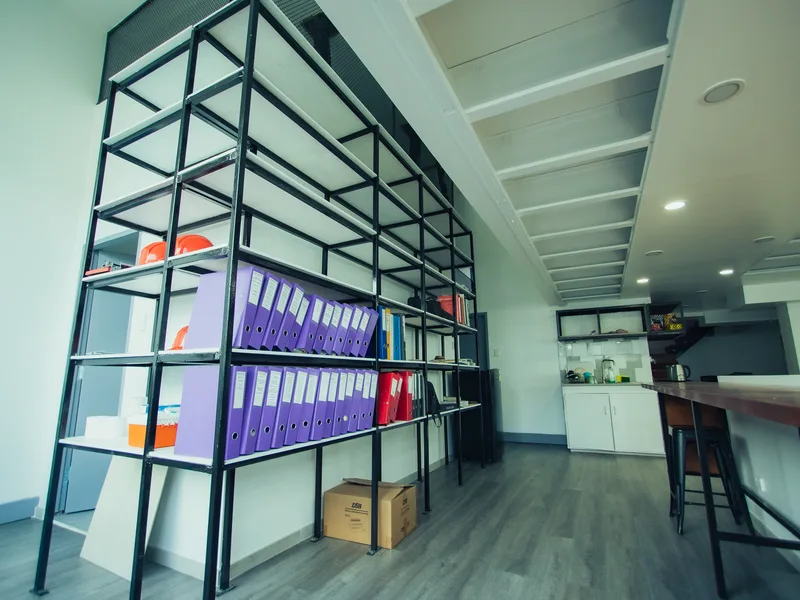
Dry store shelving
Dry stores in the arcades are usually tiny spaces tucked into a corner with moisture rising from the wet marble and nearby drains, so shelving must be raised well clear and spaced from walls.
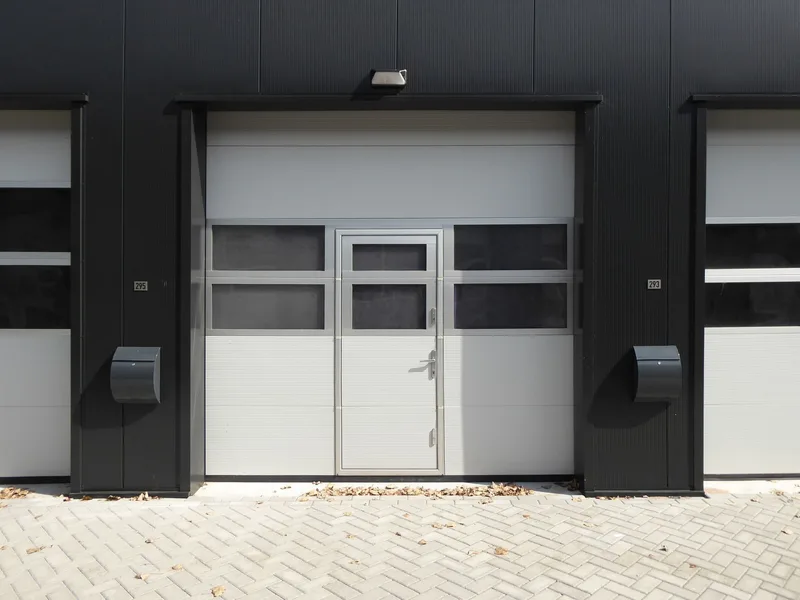
The back service door
Back service doors open directly onto congested passages where waste piles up quickly, requiring tight seals and strong monitoring stations positioned just outside.
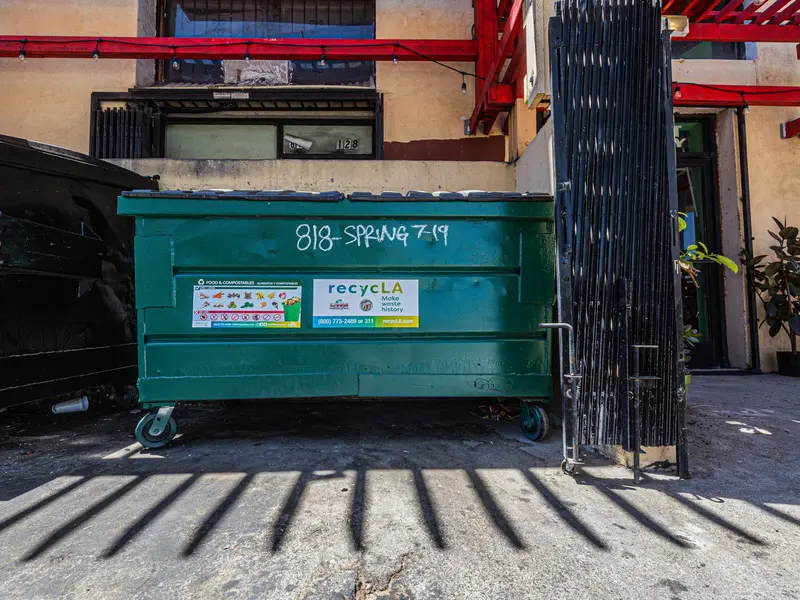
The bin area
The bin area in the rear passages is dark, damp from marble and drains, and collects waste from multiple shops, sometimes requiring near-daily service and monitoring.
How we work
-
1
Survey and site plan
We follow the food route from delivery to waste, establish which species are present and where the moisture is, and mark the station positions on a plan of the kitchen and the store.
-
2
Install numbered monitoring points
Sealed, numbered stations in fixed positions, read in the same order every visit so the file shows a trend rather than an impression.
-
3
Treatment outside service hours
Gel bait into joints and voids, foam into the gullies and the grease trap, and nothing applied to preparation surfaces, with equipment covered and surfaces wiped down before service resumes.
-
4
Scheduled visits and the site file
Every visit reads the stations and records what was found, the corrective action needed, who owns it and by when, and the file stays on site to be shown at an inspection.
What a restaurant programme includes
-

Opening survey and site plan
Species, entry points and moisture sources, with a plan showing where every station sits.
-

Sealed, numbered stations
Bait held inside closed stations in food areas, never open product near preparation or storage.
-

Gully and grease trap treatment
Foam that contacts the pipe wall where small flies breed, which is the step most contracts skip.
-

Targeted application after closing
Into joints, voids and the store perimeter, at a time with no exposed food and no team in the kitchen.
-

Reopening instructions for the team
What to cover before, what to wipe after, and what not to wash so the treatment is not undone.
-

A visit report and a running log
Every station read, corrective actions with an owner and a date, and a continuous file to show at an inspection.
What is different about Al Ghazza Sub-Municipality
Al Ghazza sub municipality wraps around the north and west of the Grand Mosque, from Al Shamiyah, Al Qararah and Shaib Amir round to Jarwal and Al Taysir. Large tracts were cleared for the northern expansion and the Rua Al Haram scheme, leaving excavated ground and open construction sites beside ageing blocks that now serve as dense seasonal lodgings in Jarwal and Al Taysir. Old flood paths still fall from Jabal Qaiqaan and Jabal Khandamah towards the mosque, and markets and eateries crowd Al Masjid Al Haram Road and Umm Al Qura Road.
Questions about this district
Do arcades and passages round the Haram need a different treatment plan?
Yes, fundamentally. Shops are very tightly packed and share all infrastructure, so insects migrate easily from one to the next. Each unit must be inspected as part of its neighbours, not in isolation.
Does the busy season in Hajj and Umrah change the programme?
Significantly. Peak season brings huge volumes of waste and continuous foot traffic, so insects proliferate rapidly. We may intensify visits or place extra monitoring in these periods.
Are the voids under the marble and stone flooring a real problem?
Yes, they are a favourite shelter for insects. Older marble cracks under foot, and the soil and rubble underneath becomes prime habitat for cockroaches and ants.
How do you treat cafes that sit next to active construction?
We seal every opening and fit heavy duty barriers. We place monitoring stations outside the back door and at the gaps between adjacent shops.
Do the five-star hotel restaurants need the same approach as small cafes?
No, large hotels have separate drainage and isolated back areas. However, their kitchens sometimes share the rear passages with smaller shops, and insects may move between them.
Must we shut during peak pilgrimage season for the treatment visit?
No, we work outside operating hours, typically in the early morning. We can coordinate short treatment windows between service rushes if needed.
How much does restaurants and cafes in Al Haram cost?
It is set after the inspection, because the price follows the type of infestation, the size of the space, how far it has spread and the number of visits it needs. Send a photo and a description on WhatsApp and we will give you an estimate before we reach Al Haram.
Nearby districts we cover
Other services in Al Haram
Other services we provide to residents of Al Haram.
-
 Residential
Cockroach control
Residential
Cockroach control
-
 Residential
Bed bug control
Residential
Bed bug control
-
 Residential
Termite control
Residential
Termite control
-
 Residential
Rodents and mice
Residential
Rodents and mice
-
 Residential
Mosquito control
Residential
Mosquito control
-
 Residential
Fly control
Residential
Fly control
-
 Residential
Ant control
Residential
Ant control
-
 Residential
Gecko control
Residential
Gecko control
-
 Residential
Scorpion control
Residential
Scorpion control
-
 Residential
Snake control
Residential
Snake control
-
 Residential
Flea control
Residential
Flea control
-
 Residential
Bird and pigeon control
Residential
Bird and pigeon control
-
 Residential
Preventive treatment
Residential
Preventive treatment
-
 Residential
Disinfection
Residential
Disinfection
-
 Commercial
Annual contracts
Commercial
Annual contracts
-
 Commercial
Hotels and apartments
Commercial
Hotels and apartments
-
 Commercial
Warehouses and factories
Commercial
Warehouses and factories
-
 Commercial
Schools and nurseries
Commercial
Schools and nurseries
-
 Commercial
Retail and malls
Commercial
Retail and malls
-
 Commercial
Rest houses and farms
Commercial
Rest houses and farms
-
 Commercial
Fumigation
Commercial
Fumigation
-
 Water tanks
Water tank cleaning
Water tanks
Water tank cleaning
-
 Water tanks
Water tank sterilization
Water tanks
Water tank sterilization
-
 Water tanks
Water tank sealing
Water tanks
Water tank sealing
-
 Water tanks
Tank leak repair
Water tanks
Tank leak repair
Need restaurants and cafes in Al Haram? Tell us what you saw and we will tell you what it needs
We reach Al Haram at a time we agree, and you get the full cost before we start.