

Annual contracts in Al Nakhil Jeddah
Al Nakhil is a new residential district in eastern Jeddah between Palestine Road and the King Abdullah branch road, filled with apartments, villas and housing projects still under development. Open excavations surrounding the neighbourhood provide temporary shelter for rodents and insects, and continuous construction changes the geography and pest dynamics constantly. New buildings here face reinfestation pressure from adjacent building sites that established neighborhoods never encounter.
-
Targeted, not broadcast
Product goes into cracks and runways, never sprayed across open surfaces.
-
Told before we start
What we will use, where it goes, and what to cover or move before we arrive.
-
A follow-up visit
We return after the first treatment, because what survives it does not show on the day.
-
Homes and businesses
Apartments and villas, and kitchens and stores that need a record of each visit.
Why they keep coming back in Al Nakhil
New areas of Al Nakhil see higher seasonal pest activity because development opens new shelters and displaces pest populations toward residential buildings where families have recently arrived. The method is set out in full on the full Annual contracts page.
Excavations and building projects surrounding new homes
Vacant land and open excavations beside new buildings provide temporary shelter for rodents and insects, with debris and soil providing cover and refuge. As construction advances on adjacent land, pests gradually migrate toward occupied residential buildings nearby where established food sources attract them.
New villas and freshly irrigated gardens
New villas in Al Nakhil have extensive gardens irrigated for the first time, and water combined with new vegetation attracts rodents from adjacent excavations. A new villa may be pest free at handover, but newly watered gardens create attractive habitat for rodents migrating from building sites in the surrounding area.
Large housing projects and rising residential density
Major residential schemes are built rapidly in Al Nakhil, and as populations grow, pressure on services and infrastructure rises. New shops and restaurants opening to serve residents provide fresh food sources for pests, and modern drainage networks may not yet be stable in their first years of operation.
The character of Al Nakhil
Mixed district: shops at street level with homes above them
Mixed use here means new villas and apartments need protection from pests originating in adjacent building sites and from new shops and restaurants serving the growing population. The contract must track development phases and adjust monitoring strategy as construction advances and commercial activity grows.
What sets the shape of the contract
Active development environment: modern buildings sit alongside construction projects and vacant land. Exposed excavations and debris attract rodents, cockroaches and ants, which migrate toward residential buildings as sites advance.
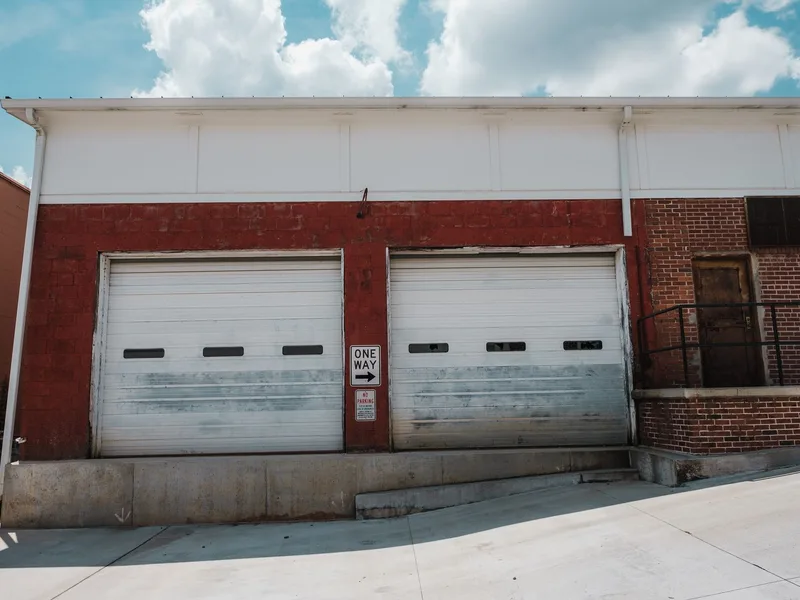
The goods-in door
New villas and apartments in Al Nakhil have modern, clean entrances, but we place goods in points where project deliveries arrive, since boxes may carry pests from other construction sites.
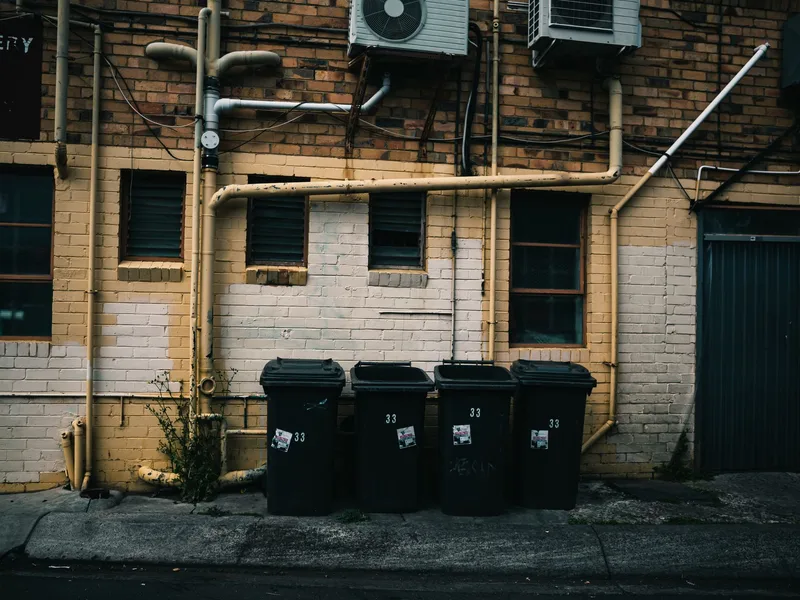
The waste area
Waste areas in new housing projects are usually centralised and orderly, but may sit close to adjacent excavations, so we place monitoring points around waste bins and their access routes.
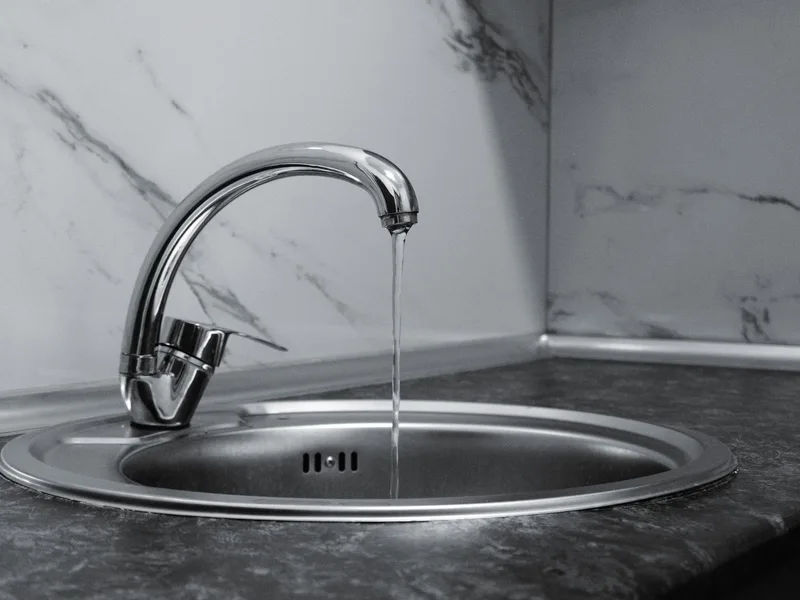
Drains and grease traps
Drainage networks in modern projects are newer but may not stabilise in the first year, and we monitor for leaks or blockages that might attract pests.
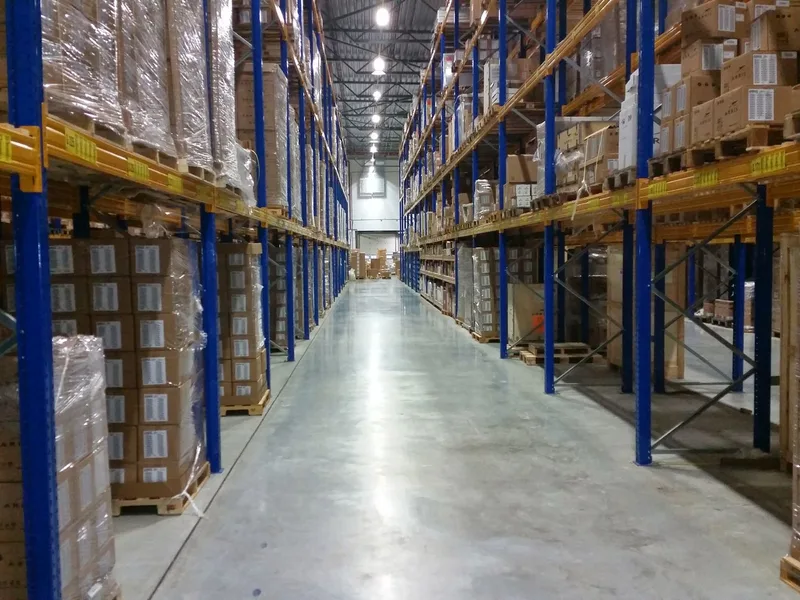
Dry store and pallets
Dry stores in large housing schemes are typically central, though villas may have individual stores, and we coordinate placement according to storage location and goods type.
Fixed, numbered points
We place numbered points at project main entrance, waste areas, common gardens and external perimeter, using clear numbering that facilitates routine inspection.

The file itself
Reports focus on the relationship between adjacent excavations and building activity and pest pressure, recommending preventive measures before pests establish in new villas or apartments.
How we work
-
1
Survey and risk assessment
We walk the building from the goods-in door through preparation, stores and washrooms, and record the species pressure, the entry routes, the moisture and which areas carry which level of risk.
-
2
The plan, the map and the frequency
We number the monitoring positions on a plan of the site, agree the visit frequency from what each area handles and how open the building is, and agree who receives and signs the report.
-
3
The scheduled visits
Every visit reads the same route, point by point, records the reading even when it is nil, and treats the area the reading calls for rather than the whole building.
-
4
Review and reading the trend
We read the visits together rather than one at a time: where the readings climbed, which corrective actions are still open, and whether an area needs more points or closer visits.
What the annual contract includes
-

Opening survey and site plan
A walk that fixes the risk areas and the entry routes, and a plan with the monitoring positions numbered before anything is installed.
-

Numbered monitoring points
Fixed positions on a set route, opened, read and logged every visit, and replaced when damaged.
-

Targeted treatment when called for
On the cracks, junctions and service areas the reading points to, and outside operating hours where that is needed.
-

Drains and waste areas
Floor gullies, grease traps and the ground around the containers on every visit, because that is the source that renews itself.
-

Report and corrective actions
After every visit: what was found, what was applied and where, and what the site needs to fix, such as a door gap or a missing drain cover.
-

Scheduled visits and visits in between
A schedule agreed in the contract, plus a visit when activity appears between two dates, logged like any other.
What is different about Umm Al Salam Sub-Municipality
The Umm Al Salam sub municipality covers the east and south east of Jeddah along the Old Makkah Road and the Haramain Road. It pairs recently planned districts such as Al Wahah, Al Nakhil and Al Shuruq with popular districts that grew outside formal planning, including Al Harazat, Al Mahamid and Umm Al Salam. The older areas have ageing drainage, unpaved streets and vacant plots where building waste collects, conditions that suit rodents, cockroaches and ants. The newer areas are ringed by half built subdivisions and open excavations.
Questions about this district
Does a brand new villa that has never had pests need an annual contract?
Yes, the new villa is surrounded by excavations and vacant land harbouring rodents from adjacent projects. The new garden with water and plantings attracts rodents, and an annual contract provides monitoring before infestation becomes an established problem.
Does development of adjacent land directly increase pest problems nearby?
Yes, directly. Excavations and new projects displace pests from shelters and force them to migrate toward nearby occupied buildings. Periods when construction is intense around the area see temporary peaks in pest activity in existing homes and buildings.
Can interior monitoring alone be relied on without inspecting gardens and external environment?
No, interior alone is insufficient. Rodents enter from outside through villa gardens, and the annual contract must include monitoring of the villa perimeter, gardens and inspection of entry points from outside.
Do new apartments in large housing schemes need different monitoring standards?
Yes, flats in large projects must monitor distinct shared zones: long corridors, play areas, common gardens and roof spaces. Monitoring points must cover these shared zones in addition to individual units.
Do new shops and restaurants in Al Nakhil provide permanent pest sources?
Yes, new shops and restaurants opening to serve residents provide continuous food sources for pests. Flats and villas adjacent to these outlets may experience rising pressure as commercial activity grows.
Do pest populations settle after construction ends in adjacent areas?
Pests that migrated during building may establish permanently in residential buildings if they find suitable food and shelter. An annual contract provides continuous monitoring to prevent permanent rodent and insect settlements after the construction phase ends.
How much does annual contracts in Al Nakhil cost?
It is set after the inspection, because the price follows the type of infestation, the size of the space, how far it has spread and the number of visits it needs. Send a photo and a description on WhatsApp and we will give you an estimate before we reach Al Nakhil.
Other services in Al Nakhil
Other services we provide to residents of Al Nakhil.
-
 Residential
Cockroach control
Residential
Cockroach control
-
 Residential
Bed bug control
Residential
Bed bug control
-
 Residential
Termite control
Residential
Termite control
-
 Residential
Rodents and mice
Residential
Rodents and mice
-
 Residential
Mosquito control
Residential
Mosquito control
-
 Residential
Fly control
Residential
Fly control
-
 Residential
Ant control
Residential
Ant control
-
 Residential
Gecko control
Residential
Gecko control
-
 Residential
Scorpion control
Residential
Scorpion control
-
 Residential
Snake control
Residential
Snake control
-
 Residential
Flea control
Residential
Flea control
-
 Residential
Bird and pigeon control
Residential
Bird and pigeon control
-
 Residential
Preventive treatment
Residential
Preventive treatment
-
 Residential
Disinfection
Residential
Disinfection
-
 Commercial
Restaurants and cafes
Commercial
Restaurants and cafes
-
 Commercial
Hotels and apartments
Commercial
Hotels and apartments
-
 Commercial
Warehouses and factories
Commercial
Warehouses and factories
-
 Commercial
Schools and nurseries
Commercial
Schools and nurseries
-
 Commercial
Retail and malls
Commercial
Retail and malls
-
 Commercial
Rest houses and farms
Commercial
Rest houses and farms
-
 Commercial
Fumigation
Commercial
Fumigation
-
 Water tanks
Water tank cleaning
Water tanks
Water tank cleaning
-
 Water tanks
Water tank sterilization
Water tanks
Water tank sterilization
-
 Water tanks
Water tank sealing
Water tanks
Water tank sealing
-
 Water tanks
Tank leak repair
Water tanks
Tank leak repair
Need annual contracts in Al Nakhil? Tell us what you saw and we will tell you what it needs
We reach Al Nakhil at a time we agree, and you get the full cost before we start.