
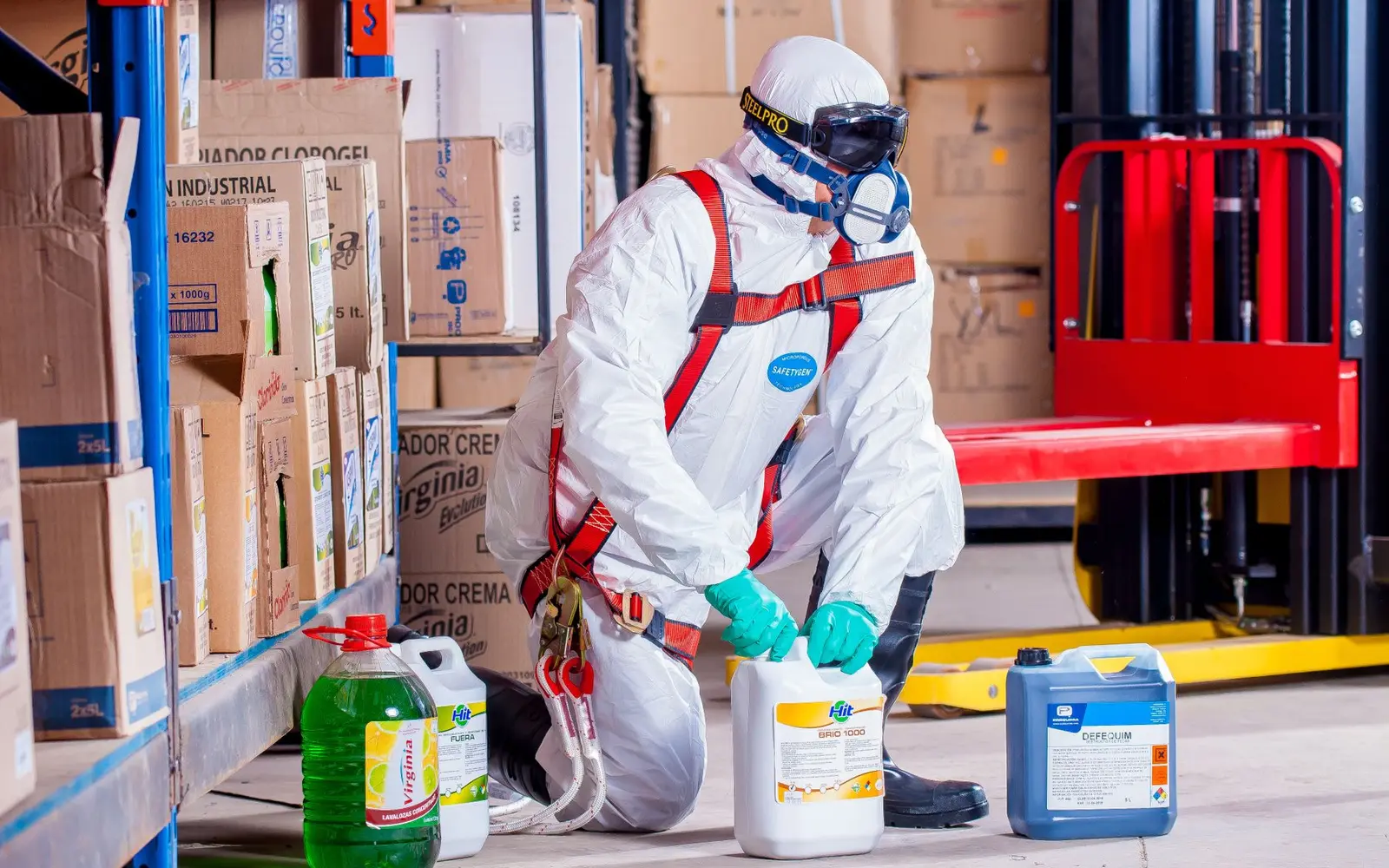
Warehouses and factories in Al Nakhil Jeddah
Al Nakhil is a mixed district in eastern Jeddah surrounded by building projects and open excavations. The commercial shops here receive deliveries daily from multiple sources, and storerooms sit directly below residential flats. Pests arrive with stock and find shelter easily in the construction sites around the perimeter. A warehouse in this setting faces very different pressures than pest control in purely residential areas.
-
Targeted, not broadcast
Product goes into cracks and runways, never sprayed across open surfaces.
-
Told before we start
What we will use, where it goes, and what to cover or move before we arrive.
-
A follow-up visit
We return after the first treatment, because what survives it does not show on the day.
-
Homes and businesses
Apartments and villas, and kitchens and stores that need a record of each visit.
Why they keep coming back in Al Nakhil
Shops at ground level receive deliveries every day, and the gaps between older and newer buildings create unexpected pest pathways that do not exist in planned districts. The method is set out in full on our Warehouses and factories service.
Daily goods movement and multiple supply sources
Shops in Al Nakhil receive stock from several suppliers, so checking each delivery is essential. Pests enter inside boxes and bags, and a storeroom that sits below residential flats needs protection against upward spread. The source is often external, but containment must stop the infestation before it reaches living spaces.
Excavations and half built subdivisions nearby
Land under construction around the district offers perfect rodent habitat in the cooler months, and insects migrate from these sites into shops and storerooms. Winter pushes populations inward from open ground, concentrating pressure on commercial buildings that are warm and stocked with food.
Horizontal and vertical spread in mixed use buildings
Shops at ground level with flats above them mean pests do not stay confined to the storeroom. Cracks in floors and shared pipework offer direct routes for insects to climb. The building's design becomes part of the problem, so the treatment strategy must address pathways, not just the storeroom itself.
The character of Al Nakhil
Mixed district: shops at street level with homes above them
A mixed district means the storeroom is not an isolated unit: pests come down from flats above and spread in from shops beside it. Treatment must protect the shop from upward invasion and the flats from downward spread.
What the first walk through the building reads
The district lies between Palestine Road and King Abdullah Branch Road, hemmed in by new housing schemes and open excavations that provide easy shelter for rodents and insects during cooler months.

The shutter line
The goods in door here opens onto a tight yard ringed by half built sites, and rodents migrate from excavations especially during cooler months when their outdoor habitats fail.

What comes in on the pallet
Boxes and bags need inspection before opening because suppliers are multiple and stock often comes from other warehouses that may already be infested.
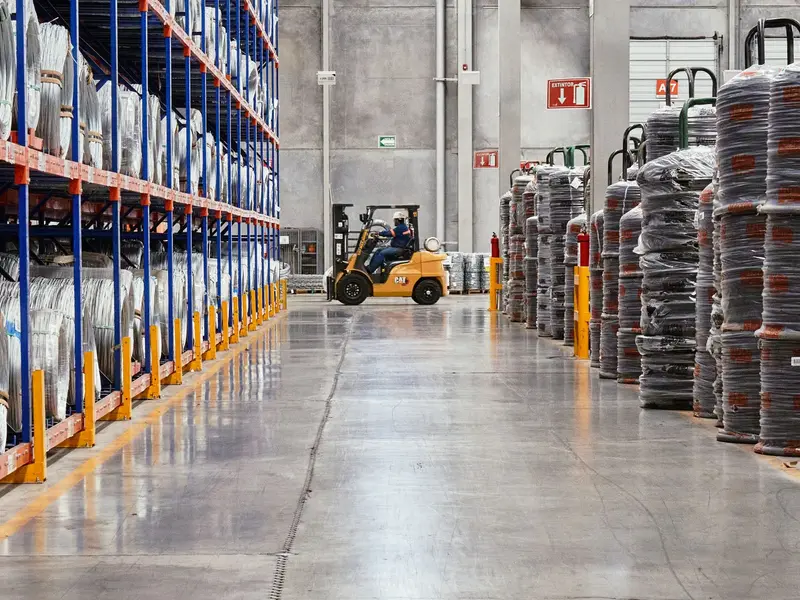
The strip along the wall
Metal racking here stands close to external walls, and cracks in the outer surface allow insects direct entry from outside without crossing the shop floor first.
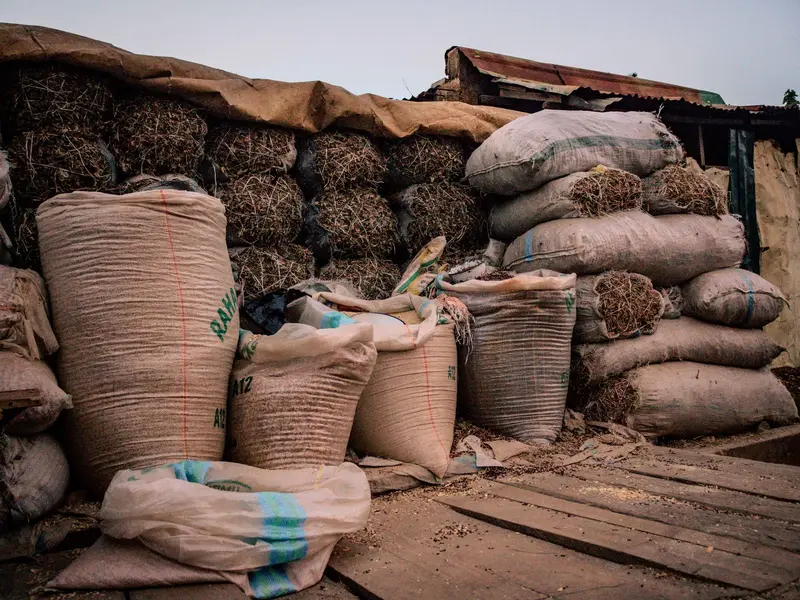
Spillage under the racking
Spillage under racking attracts ants and cockroaches more readily because the new district around it holds high moisture from active excavations and utilities work.
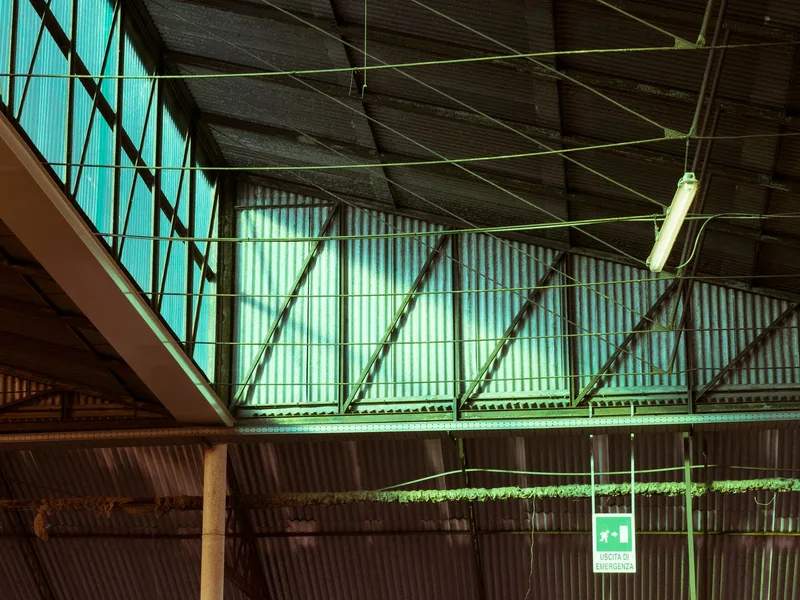
The roof and the openings above
The ceiling lacks good ventilation and upper openings are small, creating humidity pockets that insects prefer, especially during hot months when external shade is scarce.
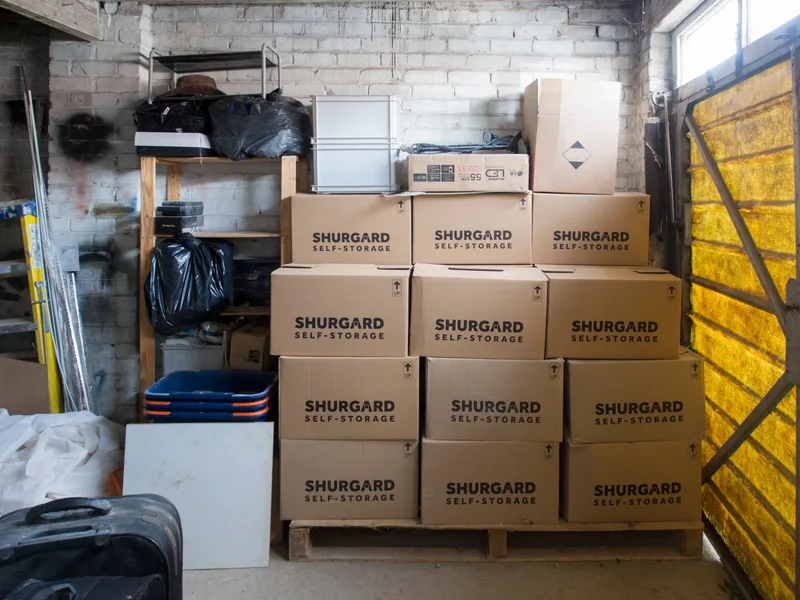
Stock that does not move
Stock that remains in the storeroom for weeks becomes an active breeding site if not monitored from the day it arrives, because the building traps warmth and moisture.
How we work
-
1
Survey the building and locate the source
We walk from the goods-in door through the racking, the production areas and the outside wall line, and establish whether the pressure is stored product pests inside the goods, rodents from the perimeter or flying insects from waste and doorways, because each of those is a different programme.
-
2
Pheromone traps and numbered points
Species-specific pheromone traps through the storage areas, and monitoring points on the external ring and along the internal walls, numbered on the racking plan. A trap treats nothing, it tells us which aisle the numbers are climbing in.
-
3
Targeted treatment and isolating the consignment
Spillage is lifted first, then empty racking, wall and floor junctions and voids are treated, and nothing is placed over open stock or a running line. A consignment showing activity is isolated where it stands rather than carried through the building.
-
4
Sealing, then the scheduled visits
We close door gaps, openings and pipe entries, then come back on an agreed schedule: the same traps and points are read each time, and a report goes over what was found, what was treated and what the building still needs closed.
What warehouse pest control includes
-

Site survey and racking plan
A walk from the goods-in door to the last aisle, and a plan with every monitoring position numbered before anything is installed.
-

Pheromone traps and numbered points
Species-specific traps through the storage areas and points along the perimeter line, read and logged on every visit.
-

Targeted treatment of racking and junctions
On empty racking, wall and floor junctions and voids, never over open stock or a running line.
-

Drains, waste and the perimeter
Floor gullies, the container area and the outside wall line, because that is the source which renews itself.
-

Proofing and building findings
Shutter gaps, brush seals and mesh over openings, with a list of what the site needs to repair.
-

Scheduled visits and a report each time
Agreed dates set by the pressure on the site, the same traps read again, and a report that records every visit.
What is different about Umm Al Salam Sub-Municipality
The Umm Al Salam sub municipality covers the east and south east of Jeddah along the Old Makkah Road and the Haramain Road. It pairs recently planned districts such as Al Wahah, Al Nakhil and Al Shuruq with popular districts that grew outside formal planning, including Al Harazat, Al Mahamid and Umm Al Salam. The older areas have ageing drainage, unpaved streets and vacant plots where building waste collects, conditions that suit rodents, cockroaches and ants. The newer areas are ringed by half built subdivisions and open excavations.
Questions about this district
The shop sits below a flat. How do we stop pests climbing up?
We identify entry points first: pipework, gaps around electrical wiring, foundation cracks. Traps go in the shop and directly below the flat to catch any upward movement early. The programme stops pest highways before they are used, not after infestation has reached the floors above.
Building sites and excavations surround us. Do they supply pests?
Yes. Cooler weather pushes rodents from open ground into occupied buildings and shops. A storeroom beside these sites needs a perimeter defence, especially around doors and low openings. We treat the boundary between the construction zone and your building, not only the interior.
Stock arrived while the shop was busy with customers. Do we inspect it?
Yes, but safely. We inspect boxes in a secure area inside the storeroom before opening them, looking for pest signs: droppings, entry holes, damp patches. If we find anything the consignment is isolated immediately, away from clean stock.
Are pests in this new district the same as pests in old quarters?
No. This new district is pressed against building sites, so pressure comes from outside migration. Older quarters have failing drainage networks and create their own breeding grounds internally. Here the main problem is seasonal invasion from excavations, not slow buildup.
Does the storeroom programme protect both the shop and the flat above?
Not automatically. If the storeroom is completely separated from the flat the programme protects it alone. But if they share pipework or structural gaps we add extra protection to the flat to seal the route between them.
How often do we visit to check the shop and storeroom?
It depends on delivery frequency and stock volume. Daily deliveries mean weekly visits minimum. Less frequent deliveries might allow fortnightly visits, but the readings and reports remain regular to catch early signs of activity.
How much does warehouses and factories in Al Nakhil cost?
It is set after the inspection, because the price follows the type of infestation, the size of the space, how far it has spread and the number of visits it needs. Send a photo and a description on WhatsApp and we will give you an estimate before we reach Al Nakhil.
Other services in Al Nakhil
Other services we provide to residents of Al Nakhil.
-
 Residential
Cockroach control
Residential
Cockroach control
-
 Residential
Bed bug control
Residential
Bed bug control
-
 Residential
Termite control
Residential
Termite control
-
 Residential
Rodents and mice
Residential
Rodents and mice
-
 Residential
Mosquito control
Residential
Mosquito control
-
 Residential
Fly control
Residential
Fly control
-
 Residential
Ant control
Residential
Ant control
-
 Residential
Gecko control
Residential
Gecko control
-
 Residential
Scorpion control
Residential
Scorpion control
-
 Residential
Snake control
Residential
Snake control
-
 Residential
Flea control
Residential
Flea control
-
 Residential
Bird and pigeon control
Residential
Bird and pigeon control
-
 Residential
Preventive treatment
Residential
Preventive treatment
-
 Residential
Disinfection
Residential
Disinfection
-
 Commercial
Annual contracts
Commercial
Annual contracts
-
 Commercial
Restaurants and cafes
Commercial
Restaurants and cafes
-
 Commercial
Hotels and apartments
Commercial
Hotels and apartments
-
 Commercial
Schools and nurseries
Commercial
Schools and nurseries
-
 Commercial
Retail and malls
Commercial
Retail and malls
-
 Commercial
Rest houses and farms
Commercial
Rest houses and farms
-
 Commercial
Fumigation
Commercial
Fumigation
-
 Water tanks
Water tank cleaning
Water tanks
Water tank cleaning
-
 Water tanks
Water tank sterilization
Water tanks
Water tank sterilization
-
 Water tanks
Water tank sealing
Water tanks
Water tank sealing
-
 Water tanks
Tank leak repair
Water tanks
Tank leak repair
Need warehouses and factories in Al Nakhil? Tell us what you saw and we will tell you what it needs
We reach Al Nakhil at a time we agree, and you get the full cost before we start.